

Free Bekaa Travel Guide & Mobile App
Explore Bekaa with free travel guides. Discover regional history, expert tips, proposed trips, and audio guides on web or mobile app.


Explore Lebanon’s Bekaa Valley for Roman ruins, vineyard villages, mountain scenery, wetlands and the historic towns of Baalbek and Zahlé.
Read more about Bekaa
When is the best time to visit Bekaa?
Best: May, September–October · 24–30°C| Month | High (°C) | Rainfall (mm) |
|---|---|---|
| January | 12 | 81 |
| February | 13 | 70 |
| March | 17 | 60 |
| April | 22 | 40 |
| May (best) | 27 | 30 |
| June | 31 | 20 |
| July | 34 | 10 |
| August | 34 | 10 |
| September (best) | 30 | 20 |
| October (best) | 24 | 30 |
| November | 17 | 50 |
| December | 12 | 60 |
Getting to and around Bekaa
How to get there
Transportation
Top city travel guides in Bekaa
The cities of Bekaa, and the easiest places to base yourself.
-

-

-
-

-

-


Swipe for more cities
Destinations in Bekaa
Resorts, valleys and scenic spots worth a trip of their own.
-

-

-

-

-

-


Swipe for more destinations
Best attractions in Bekaa
The Bekaa’s attractions combine major archaeological sites with working farms, wineries, wetlands and mountain-edge landscapes. Baalbek’s Roman sanctuary is the region’s essential historical experience, while Anjar offers a more compact and distinctly early Islamic urban setting. Zahlé provides restaurants, river-valley scenery and access to vineyards and orchards on the western slopes. In West Bekaa, Aammiq Wetland is important for birdlife and seasonal nature walks, and Lake Qaraoun gives the valley an unusual inland-water landscape. Northern Bekaa is more rugged and sparsely settled, with Hermel, the upper Orontes area and the Qamoua el-Hermel monument offering a different perspective from the cultivated central plain. Visitors can also explore food and wine production, arrange tastings, and experience the contrast between fertile fields and the dry foothills of the Anti-Lebanon range. Attraction opening arrangements, guides and access can change, so local confirmation is advisable.
-
Tourist attraction
Baalbek Temple
Discover the majestic Baalbek Temple, a UNESCO World Heritage site in Lebanon, where ancient Roman civilization comes to life amidst stunning ruins.
-
Historical landmark
Temple of Bacchus
Experience the grandeur of the Temple of Bacchus in Baalbek, a UNESCO World Heritage Site showcasing stunning Roman architecture and rich history.
-
National park
Park Joseph Tohme Skaff
Explore the natural beauty and tranquility of Park Joseph Tohme Skaff, a national park in Zahlé, Lebanon, perfect for relaxation and outdoor activities.
-
Lebanese
Casino Nmeir
Discover authentic Lebanese cuisine at Casino Nmeir, where every dish is a celebration of flavor and tradition in a vibrant setting.
Best landmarks in Bekaa
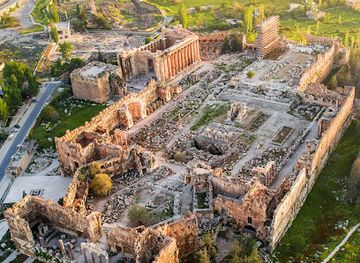
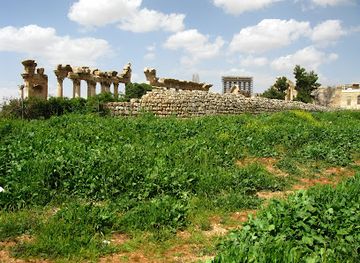
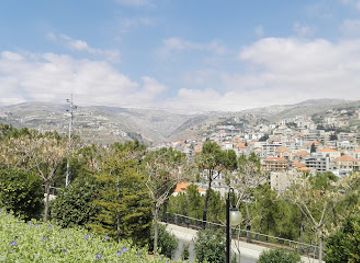
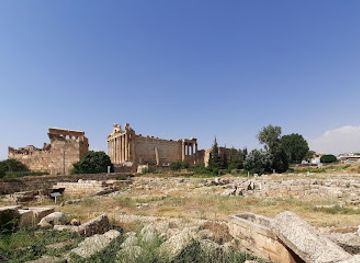
The Temple of Jupiter at Baalbek is the Bekaa’s most recognisable landmark, with its colossal columns, monumental terrace and surviving Roman sanctuary illustrating the former importance of Heliopolis. Nearby, the Temple of Bacchus is unusually well preserved and notable for the richness of its carved interior and exterior details. The ruins of Anjar form another landmark ensemble: its straight avenues, arcades and palace remains preserve the planned character of an Umayyad city. In Zahlé, the Berdawni valley and the town’s hillside churches and buildings mark the transition between the agricultural plain and Mount Lebanon. Further north, Qamoua el-Hermel is a solitary stone monument rising above the landscape, traditionally associated with a Roman-era funerary structure. Lake Qaraoun and the open plain are geographical landmarks as much as scenic viewpoints, expressing the Bekaa’s role as Lebanon’s principal inland agricultural basin.
-
Tourist attraction
Jeita Grotto
Explore Lebanon's natural wonder: a mesmerizing journey through stunning limestone caves and an underground river near Beirut.
-
Historical landmark
Baalbek Roman Ruins
Discover the grandeur of Baalbek's Roman temples, a UNESCO World Heritage Site showcasing millennia of history and architectural marvels.
-
Nature preserve
Cedars of God Bsharri
Discover Lebanon's ancient heart at the Cedars of God: a majestic forest, a UNESCO treasure, and a symbol of resilience.
-
Historical landmark
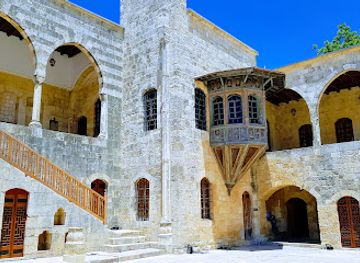
Beiteddine Palace
Discover Beiteddine Palace: A stunning Lebanese landmark with Ottoman, Arab, and European architectural influences, nestled in the scenic Chouf Mountains.
Explore Bekaa on the map
Plan your trip on one map. See where the top cities, national parks and sights are, and book hotels and experiences in a few clicks.
Best hotels in Bekaa
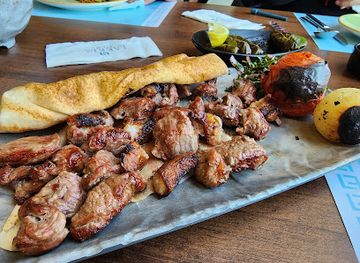
Best restaurants in Bekaa
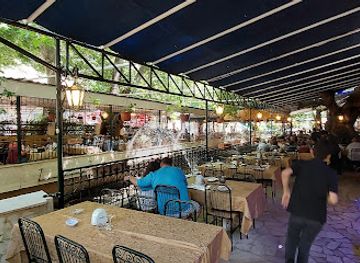
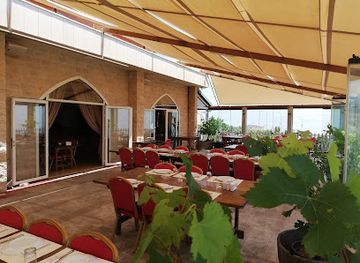
Bekaa dining is rooted in agricultural abundance and the region’s position between mountain and interior cuisines. Zahlé is known for restaurants along the Berdawni valley, where Lebanese mezze, grilled meats, salads, pickles and seasonal vegetables are served in a relaxed setting. Local tables may feature kibbeh, stuffed vegetables, fresh dairy products, fruit and breads, while vineyards and family producers connect food with wine and arak, Lebanon’s anise-flavoured spirit. In villages and smaller towns, cooking is often closely tied to household and farm production, with dishes varying between the central plain, West Bekaa and northern districts. Wineries and rural estates may offer tastings or meals by arrangement rather than as standard restaurant service. Market shopping is useful for fruit, vegetables, honey and other produce, but visitors should confirm prices and payment arrangements before ordering.
-
Lebanese
Al Shams Restaurant
Savor the essence of Lebanon at Al Shams Restaurant in Anjar – where every meal is a celebration of tradition and flavor.
-
Restaurant
Amaleen Cafe & Restaurant
Discover authentic Lebanese flavors at Amaleen Cafe & Restaurant in Zahlé – where great food meets stunning views.
-
Lebanese
Berdawny - Restaurant
Experience authentic Lebanese cuisine at Berdawny Restaurant in Zahlé - where tradition meets flavor in every dish.
-
Restaurant
Lakkis Farm - Baalbeck
Discover authentic Lebanese flavors at Lakkis Farm in Baalbeck - where nature meets exquisite dining experiences.

Best bars in Bekaa
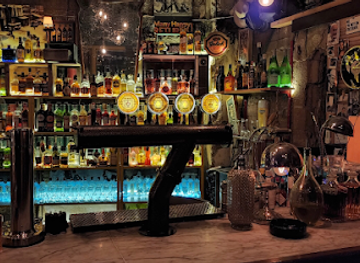
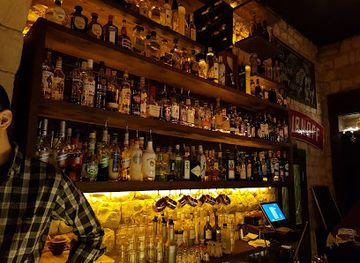
Nightlife in the Bekaa is concentrated in Zahlé and a small number of larger towns rather than spread across a continuous entertainment district. Zahlé’s restaurants and cafés provide the most established evening scene, with meals, conversation and seasonal outdoor seating along the Berdawni valley. Wine estates and arak producers may host tastings or food events, but these are usually arranged in advance and should not be treated as nightly entertainment. Baalbek’s evening atmosphere is generally quieter and centred on restaurants, cafés and local social life; rural areas often close early. Visitors should follow current local advice, particularly when travelling after dark, and should not assume that alcohol is served or culturally suitable in every establishment.
-
Bar
Brut Bar
Discover Brut Bar in Zahlé: a vibrant wine and brew haven perfect for nightlife and local flavors.
-
Lebanese
Casino Nmeir
Discover the vibrant flavors of Lebanese cuisine at Casino Nmeir, where every dish tells a story of tradition and taste.
-
Pub
Castle Black
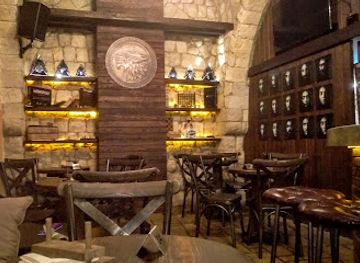
Discover the vibrant atmosphere and local culture at Castle Black, a must-visit pub in Zahlé offering a unique night out experience.
-
Restaurant
Château Khoury
Discover the culinary gem of Château Khoury, where exquisite Lebanese cuisine meets breathtaking views in the heart of Zahlé.
Best nightclubs in Bekaa
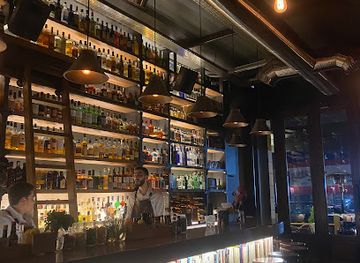
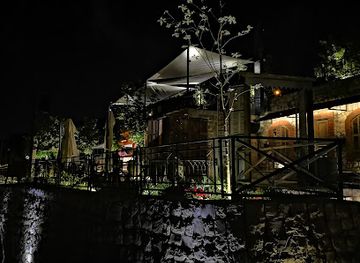
Nightlife in the Bekaa is concentrated in Zahlé and a small number of larger towns rather than spread across a continuous entertainment district. Zahlé’s restaurants and cafés provide the most established evening scene, with meals, conversation and seasonal outdoor seating along the Berdawni valley. Wine estates and arak producers may host tastings or food events, but these are usually arranged in advance and should not be treated as nightly entertainment. Baalbek’s evening atmosphere is generally quieter and centred on restaurants, cafés and local social life; rural areas often close early. Visitors should follow current local advice, particularly when travelling after dark, and should not assume that alcohol is served or culturally suitable in every establishment.
-
Pub
Castle Black
Discover the vibrant nightlife of Zahlé at Castle Black, a premier pub offering a lively atmosphere and a taste of local culture.
-
Bar
Chapter II
Experience the vibrant nightlife of Wadi El Aarayech at Chapter II, a bar known for its creative cocktails and lively atmosphere.
-
Bar
Pravda Valley Zahle
Discover the vibrant nightlife at Pravda Valley Zahle, a top cocktail bar in Lebanon offering live music and a unique atmosphere for all.
-
Karaoke bar
New Beaver
Experience the vibrant nightlife of New Beaver, Lebanon's premier karaoke bar where music and joy unite in an unforgettable atmosphere.
Best shops in Bekaa
Shopping in the Bekaa is primarily local and produce-oriented rather than centred on large retail districts. Zahlé has the broadest selection of shops, bakeries, cafés, food producers and everyday markets, while town centres and village stores are useful for Lebanese pantry goods, sweets, preserves, spices, wine and arak. Seasonal fruit and vegetables reflect the valley’s agricultural role, and farm shops or winery outlets may sell bottled products directly, subject to current availability. Visitors can also look for honey, olive oil, dried herbs, dairy products and regional confectionery, checking labels and transport requirements before purchasing alcohol or food for travel. Baalbek is more suited to practical purchases and modest souvenirs around the archaeological area than to extensive craft shopping. Small independent businesses vary considerably in opening arrangements and payment methods, so cash remains useful.
-
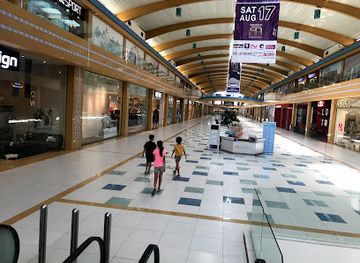
Shopping mall
Cascada
Explore the dynamic shopping and dining experience at Cascada Mall in Taanayel, Lebanon, blending leisure and retail in a vibrant setting.
-
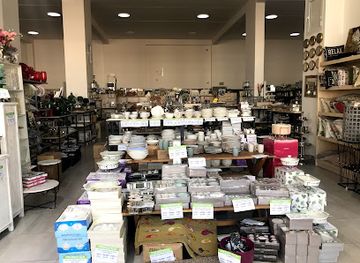
Home goods store
Kiwi Home Collection
Explore Kiwi Home Collection in Zahlé for exquisite home goods and authentic Lebanese craftsmanship that enhance your living space.
-
Clothing store
BLACK SHARK FASHION
Explore stylish clothing and accessories at Black Shark Fashion in Zahlé, where quality meets unique local trends.
-
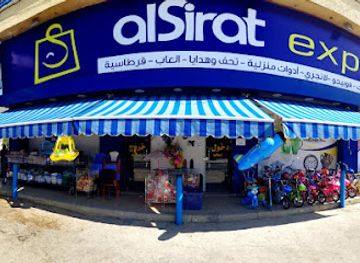
Gift shop
Al-Sirat Shopping
Discover Al-Sirat Shopping in Bekaa: Your one-stop destination for unique gifts, local delicacies, and stylish accessories in Lebanon.

Get your free copy of our complete guide to Bekaa, delivered straight to you.
Everything on this page, from attractions and restaurants to essentials and local phrases, in one PDF you can read offline, print or share.
Already have an account? Sign in
Your Bekaa guide is ready.
We'll send it to · Not you? Sign out

Getting your guide ready…
We are putting together a fresh copy of the Bekaa guide. This can take up to a minute.
This can take a few moments. If your browser asks, choose Allow so the download can start. You'll find the guide in your Downloads folder.
Nothing happened? Download it again
Sorry, the guide is taking longer than usual. Please try again in a minute, or get it by email instead.
Bekaa essentials
Currency and Payment
Safety
Emergency Situations
Do's and Don'ts
Local Tips
From Eve
Local phrases worth knowing
You don't need to get them perfect. A few words go a long way, and locals appreciate the effort.
Basics
| English | Local | Say it |
|---|---|---|
| Hello | مرحبا | [Marhaba] |
| Goodbye | وداعا | [Wada'an] |
| Yes | نعم | [Na'am] |
| No | لا | [La] |
| Please/You’re welcome | تفضل | [Tafaddal] |
| Thank you | شكرا | [Shukran] |
| Excuse me/Sorry | عفوا | [Afwan] |
| How are you? | كيف حالك؟ | [Kayfa halak?] |
| Fine. And you? | بخير. وأنت؟ | [Bikhayr. Wa anta?] |
| Do you speak English? | هل تتحدث الإنجليزية؟ | [Hal tatahaddath al-ingliziyya?] |
| I don't understand | لا أفهم | [La afham] |
Eating & Drinking
| English | Local | Say it |
|---|---|---|
| I’d like to see the menu, please | أود رؤية القائمة، من فضلك | [Awad ru'yat al-qa'ima, min fadlik] |
| I don't eat meat | لا آكل اللحم | [La akul al-lahm] |
| Cheers! | في صحتك! | [Fi sihtak!] |
| I would like to pay, please | أود الدفع، من فضلك | [Awad ad-daf'a, min fadlik] |
Emergencies
| English | Local | Say it |
|---|---|---|
| Help! | نجدة! | [Najda!] |
| Go away! | اخرج! | [Ukhruj!] |
| Call the Police! | اتصل بالشرطة! | [Ittasil bil-shurta!] |
| Call a doctor! | اتصل بالطبيب! | [Ittasil bil-tabeeb!] |
| I’m lost | أنا ضائع | [Ana da'i'a] |
| I’m ill | أنا مريض | [Ana marid] |
Shopping
| English | Local | Say it |
|---|---|---|
| I’d like to buy... | أود شراء... | [Awad shir'a...] |
| I’m just looking | أنا فقط أنظر | [Ana faqat anthur] |
| How much is it? | كم ثمنه؟ | [Kam thamanuh?] |
| That’s too expensive | هذا غالي جدا | [Hatha ghali jidan] |
| Can you lower the price? | هل يمكنك خفض السعر؟ | [Hal yumkinuka khafd as-si'r?] |
Time & Numbers
| English | Local | Say it |
|---|---|---|
| What time is it? | كم الساعة؟ | [Kam as-saa'a?] |
| It’s one o'clock | الساعة الواحدة | [As-saa'a al-wahidah] |
| Half past (10) | نصف (10) | [Nisf (10)] |
| Morning | صباح | [Sabaah] |
| Afternoon | بعد الظهر | [Ba'd al-zhuhr] |
| Evening | مساء | [Masa'] |
| Yesterday | أمس | [Ams] |
| Today | اليوم | [Al-yawm] |
| Tomorrow | غدا | [Ghadan] |
| 1 | واحد | [Wahid] |
| 2 | اثنان | [Ithnan] |
| 3 | ثلاثة | [Thalatha] |
| 4 | أربعة | [Arba'a] |
| 5 | خمسة | [Khamsa] |
| 6 | ستة | [Sitta] |
| 7 | سبعة | [Sab'a] |
| 8 | ثمانية | [Thamaniya] |
| 9 | تسعة | [Tis'a] |
| 10 | عشرة | [Ashara] |
Transport & Directions
| English | Local | Say it |
|---|---|---|
| Where's a/the...? | أين ...؟ | [Ayn ...?] |
| What’s the address? | ما هو العنوان؟ | [Ma huwa al-'unwan?] |
| Can you show me (on the map)? | هل يمكنك أن تريني (على الخريطة)؟ | [Hal yumkinuka an turini (ala al-kharita)?] |
| When's the next (bus)? | متى الحافلة التالية؟ | [Mata al-hafila at-taliya?] |
| A ticket (to ....) | تذكرة (إلى ...) | [Tadhkira (ila ...)] |
History of Bekaa
Early Farming and Ancient Trade Routes
The Bekaa has supported settlement and agriculture since prehistoric times because its fertile plain, seasonal waterways and position between the Lebanon and Anti-Lebanon ranges offered both food and movement routes. Archaeological evidence from the valley and its margins records early farming communities, while later settlements benefited from trade crossing the interior between the Mediterranean coast and the Syrian hinterland. This long agricultural continuity remains visible in the region’s grain fields, orchards and vineyards, although modern cultivation has transformed much of the older landscape.
Heliopolis and the Roman Sanctuary at Baalbek
Baalbek developed into the Roman city of Heliopolis, a major religious centre dedicated to a group of deities associated with Jupiter, Venus and Mercury. The monumental sanctuary was expanded over several centuries, particularly during the Roman imperial period, using enormous stone blocks and elaborate columns. Its scale reflected both religious importance and the wealth generated by the surrounding agricultural region. Although later buildings, earthquakes and stone reuse altered the complex, the surviving temples and terraces remain the clearest expression of Roman power in the Bekaa.
Anjar and the Umayyad Settlement
Anjar was established during the early eighth century under the Umayyad caliph al-Walid I. Unlike Baalbek, whose monumental form grew over a long classical sequence, Anjar was planned as a comparatively regular urban settlement, with intersecting streets, arcades, a palace, baths and a mosque. Its location near important routes made it useful for administration and commerce, though the settlement did not retain its prominence for long. The excavated ruins provide an unusual example of early Islamic urban planning in Lebanon.
Medieval and Ottoman Agricultural Landscapes
After the early Islamic period, the Bekaa’s importance continued through farming, taxation and movement between coastal Lebanon and the inland cities of Syria. Villages, religious foundations and local estates shaped the countryside, while the region experienced the political changes affecting Mount Lebanon, Damascus and the wider Ottoman Empire. Under Ottoman rule, grain, livestock, fruit and later silk-related agriculture connected the valley to regional markets. Zahlé grew as a commercial and cultural centre, helped by its position at the western edge of the plain and its links to mountain communities.
Modern Lebanon and the Growth of Zahlé
The creation of modern Lebanon after the First World War placed the Bekaa within the new republic’s political and economic structure. Zahlé expanded as the principal city of the central valley, while Baalbek became increasingly important as an archaeological and cultural destination. Roads and improved communications strengthened links with Beirut and other inland centres, and agricultural production remained fundamental to the regional economy. The valley also became home to communities displaced by conflict elsewhere in the region, adding to its already varied social and religious composition.
Agriculture, Wine and Contemporary Challenges
In the modern period, the Bekaa became Lebanon’s leading agricultural plain and one of its most recognised wine-producing regions. Vineyards, orchards, vegetables, cereals and livestock farming coexist with food-processing and distilling traditions. At the same time, drought, water management, economic crisis, political instability and conflict in the wider region have complicated rural livelihoods and tourism. The valley’s heritage sites and wetlands therefore exist within a working landscape rather than a museum-like setting, and responsible travel requires awareness of local conditions and the pressures facing communities.
Bekaa in Photos
Browse through our photo collection highlighting the charm and character of the destination.
Neighbouring regions of Bekaa
The closest regions to Bekaa, if you have time for more than one.
-

-

-

-

-


Swipe for more regions
Explore more

Explore more of Lebanon
Discover Lebanon: A land of ancient history, vibrant culture, stunning landscapes, and delicious cuisine, nestled on the Mediterranean coast.
Explore Lebanon