Background

Afqa Grotto and Waterfall

Discover the mythical Afqa Grotto and Waterfall, source of the Adonis River, where ancient legends meet stunning natural beauty.

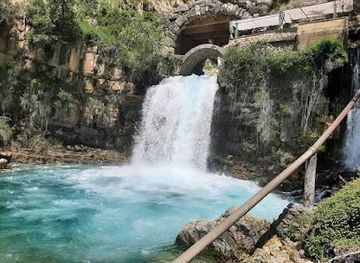
Afqa is home to a colossal grotto where a powerful waterfall emerges from a cliffside cave, feeding the Adonis River (Nahr Ibrahim). This legendary site is associated with the myths of Adonis and Aphrodite, featuring the ruins of an ancient temple dedicated to the goddess.

Plan your visit

A brief summary to Afqa

Opening times, essentials, and a few local tips gathered into one calmer, easier-to-scan planning section.

Plan your visit

📍
Afqa, LB

Other nearby places you may find interesting

Explore places near Afqa

    See all →

    Unlock the Best of Afqa

    Find tickets, tours with entry, and experiences available for this location.

    Buy tickets

    No tickets available

    Book tours with entry

    No tours with entry available

    Book tours without entry

    No tours without entry available

    Getting There

    Car

    From Beirut, take the highway north towards Byblos. Continue past Byblos towards Qartaba, then follow the signs to Afqa. The drive is approximately 80 km and takes about 1.5 - 2 hours. Parking is available near the site.

    Taxi

    Taxis are available from major cities like Beirut and Baalbek. A taxi from Beirut to Afqa will cost approximately $95 - $120 and take around 1 hour and 12 minutes. A taxi from Baalbek to Afqa will cost approximately $72 - $110 and take around 1 hour to 1 hour and 30 minutes. Negotiate the fare before starting your journey.

    Local tips

    Visit in spring (March-May) to see the waterfall at its fullest due to snowmelt.
    Wear comfortable hiking shoes to explore the trails around the grotto.
    Explore the ruins of the ancient temple dedicated to Aphrodite.
    Arrive early to avoid crowds and fully enjoy the tranquility of the site.

    Discover more about Afqa

    Nestled in the mountains of Lebanon, approximately 20 kilometers from Byblos, Afqa is a site of immense natural beauty and historical significance. The centerpiece is the Afqa Grotto, a dramatic opening in a 200-meter-high cliff from which a powerful waterfall bursts forth. This waterfall is the source of the Adonis River (Nahr Ibrahim), which flows towards the Mediterranean Sea. In ancient times, Afqa, known as Aphaca, was a venerated site associated with the Phoenician goddess Aphrodite (Venus) and her lover Adonis. Legend says that Adonis died at the foot of the falls, his blood turning the river red. Each spring, the melting snows carry reddish soil into the river, an event that locals believed symbolized the renewal of Adonis's death. The ruins of a temple dedicated to Aphrodite Aphakitis stand near the grotto, a testament to the site's ancient religious importance. The temple was initially constructed during Hellenistic times and later rebuilt by the Romans, before being destroyed in the 4th century AD and partially rebuilt. The Afqa cave system extends for over 3 kilometers, featuring a network of passages and large chambers. The area around Afqa offers stunning views and opportunities for hiking, especially in spring when the waterfall is at its fullest.

    A brief summary to Afqa

    Use Tower Bridge as your starting point for nearby food, family ideas, nightlife, and more local discoveries.

    Mobile App
    Get the app

    Your all‑in‑one travel companion app

    Explore expert travel guides, compare and book tours, experiences, hotels, and more—all from the palm of your hand. Download now for seamless trip planning wherever your wanderlust takes you.
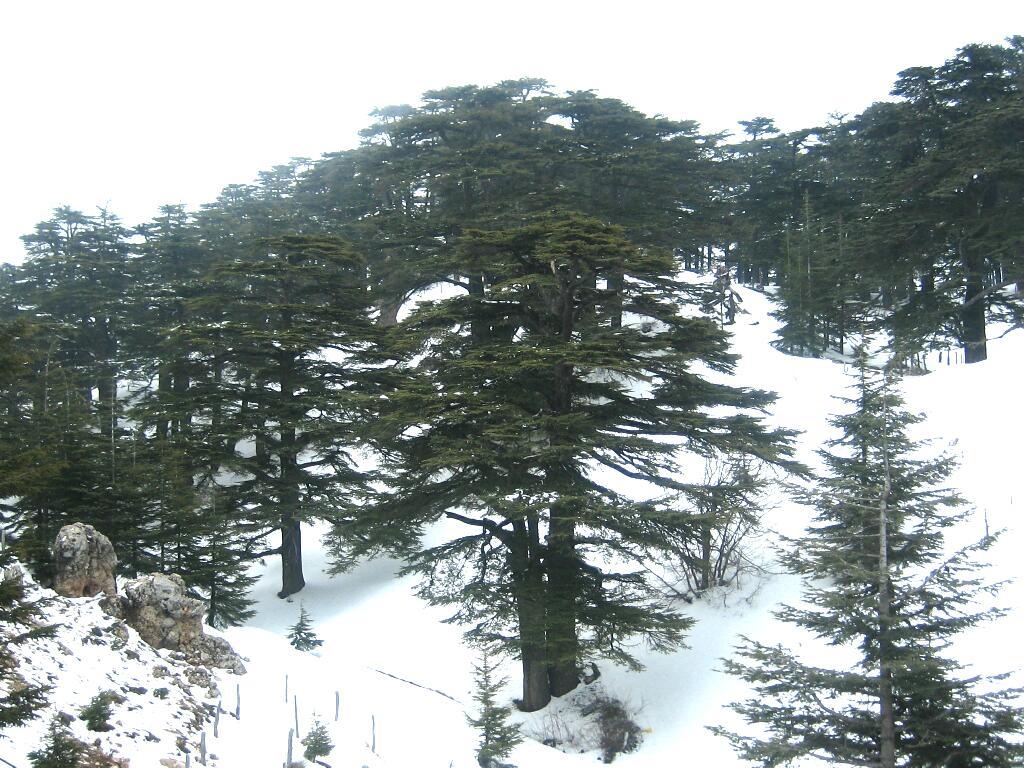
    File:Forest of The cedars of God.jpg - Wikimedia Commons

    More about Koura

    Explore Koura, the olive heartland of Lebanon, where ancient groves, historical landmarks, and stunning natural beauty converge for an unforgettable experience.

    Tell me more about Koura
    Select Currency

    Choose the currency you want prices to display in.
