

Free Koura Travel Guide & Mobile App
Explore Koura with free travel guides. Discover regional history, expert tips, proposed trips, and audio guides on web or mobile app.


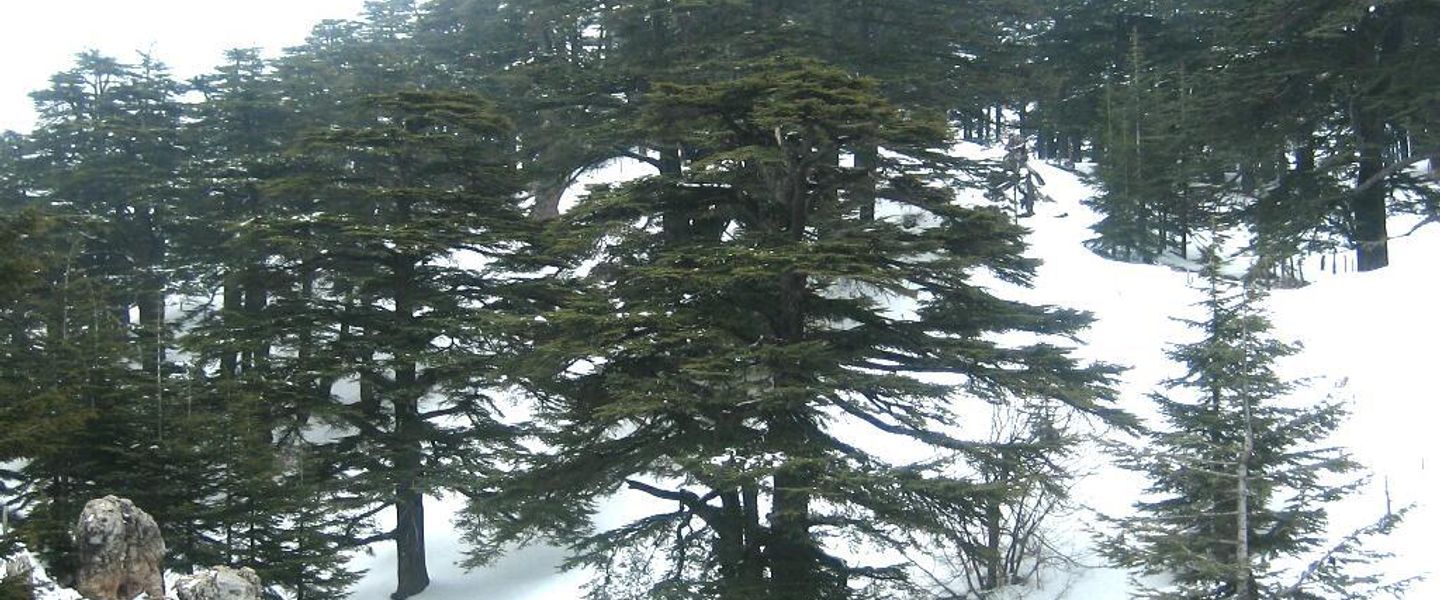


Explore Koura in northern Lebanon for ancient villages, olive groves, Orthodox monasteries, coastal heritage and locally produced olive oil.
Read more about Koura
When is the best time to visit Koura?
Best: May–June, October · 25–29°C| Month | High (°C) | Rainfall (mm) |
|---|---|---|
| January | 14 | 120 |
| February | 14 | 100 |
| March | 17 | 90 |
| April | 21 | 60 |
| May (best) | 25 | 30 |
| June (best) | 29 | 20 |
| July | 32 | 10 |
| August | 32 | 10 |
| September | 30 | 20 |
| October (best) | 26 | 40 |
| November | 20 | 80 |
| December | 15 | 110 |
Getting to and around Koura
How to get there
Transportation
Top city travel guides in Koura
The cities of Koura, and the easiest places to base yourself.

Swipe for more cities
Best attractions in Koura
Koura’s attractions are spread through a landscape of olive terraces, limestone villages and Mediterranean shoreline rather than concentrated in one large visitor complex. The Monastery of Balamand is the district’s most important institutional and architectural destination, combining medieval origins, Orthodox religious heritage and the modern setting of the University of Balamand. Near Kousba, the Monastery of Our Lady of Hamatoura occupies a dramatic valley location reached by a route that rewards careful planning. Amioun offers old churches, village streets and views across the surrounding olive country, while Anfeh brings together coastal scenery, historic religious traces, salt pans and maritime traditions. The district also suits slower activities: tasting olive oil, visiting producers during the harvest season, photographing stone architecture and taking short walks between villages. Koura is not organised around extensive formal park infrastructure or a major museum circuit, so local introductions and advance arrangements can greatly improve visits to smaller heritage sites. Its strongest attraction is the connection between living agricultural practice, Christian monastic culture and settlements that remain part of everyday community life.
-
Tourist attraction
Jeita Grotto
Explore the breathtaking Jeita Grotto: a mesmerizing subterranean world of stalactites, stalagmites, and underground rivers in Lebanon.
-
Nature preserve
Balou3 balaa rest house
Discover the breathtaking beauty of Balou3 Balaa Rest House, a natural wonder in Lebanon's Tannourine region. Perfect for hiking, photography, and serene escapes.
-
Greek Orthodox church
Our Lady of Noorieh Monastery
Discover a historic Lebanese monastery with stunning views, rich Christian heritage, and a serene atmosphere, offering a unique spiritual experience.
-
National reserve
Horsh Ehden
Discover Lebanon's green jewel: Hike through ancient cedar forests and experience the rich biodiversity of Horsh Ehden Nature Reserve.
Best landmarks in Koura
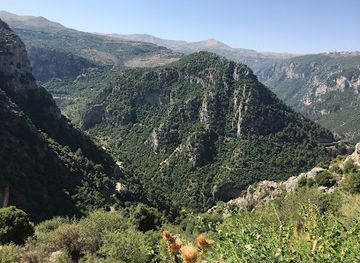
The Monastery of Balamand is Koura’s defining historic landmark, its medieval foundation and later Greek Orthodox role giving the site importance well beyond its handsome stone architecture. On the uplands near Kousba, the Monastery of Our Lady of Hamatoura is notable for its secluded position above a rugged valley and for the way its buildings and religious history are integrated into the mountain landscape. Amioun’s churches and elevated old settlement form another significant landmark group, with stone construction and ecclesiastical architecture reflecting the continuity of Christian communities in northern Lebanon. Anfeh’s coastline provides a different kind of heritage: rocky platforms, salt-making features and historic religious remains reveal a shore shaped by maritime work and long settlement. Across Koura, mature olive groves are themselves a cultural landmark, creating the visual identity of the district and recording generations of cultivation. Rather than monumental urban architecture, Koura’s landmarks are often combinations of sacred buildings, village settings and working landscapes.
-
Tourist attraction
Jeita Grotto
Explore the breathtaking beauty of Jeita Grotto, a stunning limestone cave system in Lebanon's Valley of the Dog River, perfect for nature lovers and adventure seekers.
-
Tourist attraction
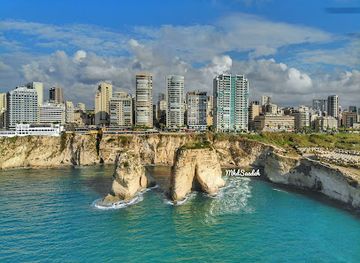
Al Raouche Rocks
Discover the breathtaking Al Raouche Rocks in Beirut, an iconic natural landmark and vibrant hub for relaxation and exploration by the Mediterranean.
-
Nature preserve
Cedars of God Bsharri
Discover the breathtaking beauty and rich heritage of the Cedars of God, a UNESCO World Heritage site in Bsharri, Lebanon, known for its ancient trees and stunning landscapes.
-
Historical landmark
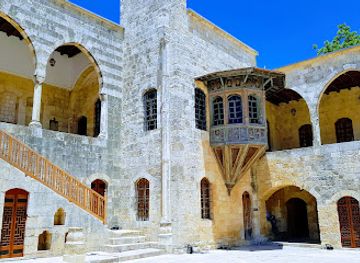
Beiteddine Palace
Experience the majestic Beiteddine Palace, Lebanon's historical gem, with stunning architecture and rich cultural heritage amidst breathtaking mountain views.
Explore Koura on the map
Plan your trip on one map. See where the top cities, national parks and sights are, and book hotels and experiences in a few clicks.
Best hotels in Koura
Best restaurants in Koura
Koura’s dining identity is closely tied to northern Lebanese home cooking and the district’s olive-growing economy. Olive oil is central, appearing in mezze, salads, grilled vegetables, breads and preserved foods, while locally produced olives and seasonal citrus add a distinctly agricultural character. In villages and along the northern coastal approaches, visitors may find family-run restaurants, cafés, bakeries and informal eateries serving staples such as hummus, mutabbal, tabbouleh, kibbeh, grilled meats and manakish, alongside regional variations in seasoning and preparation. Anfeh’s coastal position gives seafood a natural place in local dining, although availability depends on season and supply. Producers and village households may sell olive oil, olives, pickles and soap directly, but quality and labelling vary, so ask about origin and harvest date. Dining is generally more relaxed and locally oriented than destination-led, fine-dining focused; Tripoli and larger nearby towns outside Koura offer a broader restaurant choice when required.
-
Italian
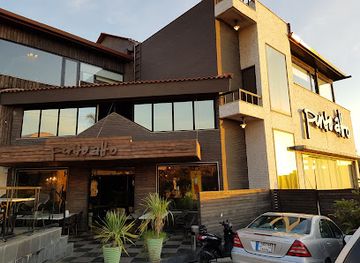
Punto Alto
Experience authentic Italian flavors at Punto Alto in Tripoli, where exquisite cuisine meets charming ambiance for an unforgettable dining adventure.
-
Restaurant
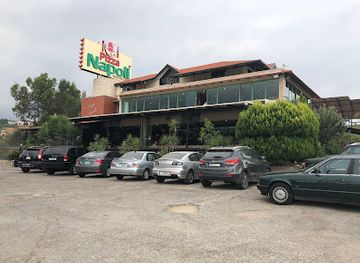
Pizza Napoli - Restaurant
Discover authentic Italian flavors at Pizza Napoli in Kfar Hazir - where every slice tells a story.
-
Restaurant
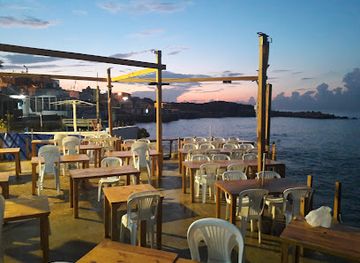
Wassim Aal Baher Anfeh
Experience exquisite Lebanese cuisine at Wassim Aal Baher Anfeh, where stunning sea views meet delightful flavors.
-
Restaurant
Makhlouf-Wakim
Experience authentic Lebanese cuisine at Makhlouf-Wakim near Bnachii Lake - where every meal is a celebration of flavor and hospitality.
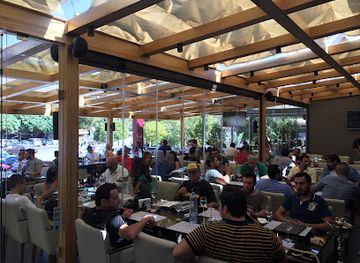
Best bars in Koura
Koura has a modest evening scene shaped more by cafés, restaurants, village gatherings and traditional hospitality than by large nightclubs. Amioun and the larger settlements provide places for coffee, conversation and casual meals, while coastal Anfeh can feel more active in the warmer months, particularly around restaurants and seaside venues. During summer, some establishments extend their evening activity, but opening patterns and entertainment programmes are changeable. Balamand’s university community contributes a younger social presence, although it does not create a single, clearly defined nightlife district. Visitors looking for a broad choice of bars, live music or late-night venues generally travel to Tripoli, outside Koura, where the urban offering is more varied. In the district itself, evenings are best approached as opportunities for food, conversation, village walks and views rather than as a conventional club circuit.
-
Brewpub
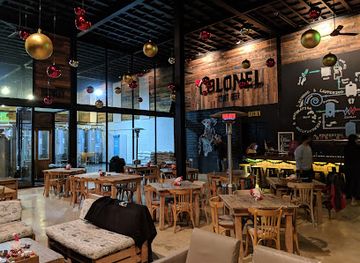
Colonel Brewery And Distillery
Discover the finest craft beers and vibrant atmosphere at Colonel Brewery and Distillery in Batroun, Lebanon's top brewpub.
-
Cocktail bar
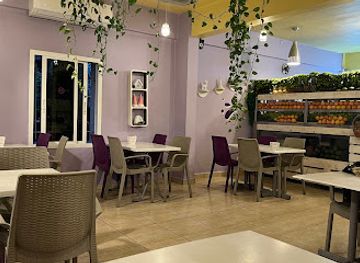
JESSY JUICE
Discover the vibrant atmosphere and expertly crafted cocktails at Jessy Juice, a premier cocktail bar in Amioun, Lebanon.
-
Japanese
مستوصف شكا الخيري
Savor exquisite sushi and live music in Chekka, where culinary artistry meets vibrant entertainment.
-
Restaurant
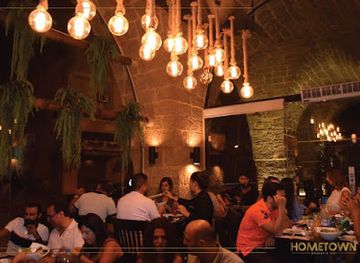
Talle Koura
Experience authentic Lebanese cuisine in a cozy setting at Talle Koura, a culinary gem in the heart of Koura.
Best nightclubs in Koura
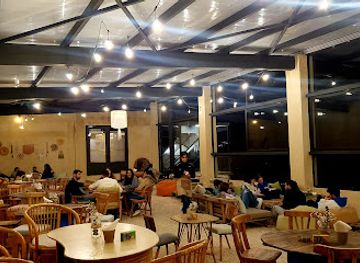
Koura has a modest evening scene shaped more by cafés, restaurants, village gatherings and traditional hospitality than by large nightclubs. Amioun and the larger settlements provide places for coffee, conversation and casual meals, while coastal Anfeh can feel more active in the warmer months, particularly around restaurants and seaside venues. During summer, some establishments extend their evening activity, but opening patterns and entertainment programmes are changeable. Balamand’s university community contributes a younger social presence, although it does not create a single, clearly defined nightlife district. Visitors looking for a broad choice of bars, live music or late-night venues generally travel to Tripoli, outside Koura, where the urban offering is more varied. In the district itself, evenings are best approached as opportunities for food, conversation, village walks and views rather than as a conventional club circuit.
-
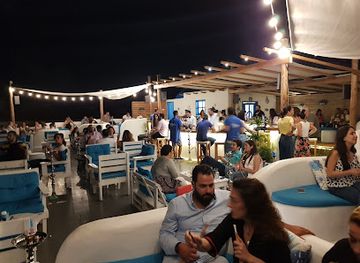
Lounge
Titans Batroun
Experience the vibrant nightlife and elegant ambiance of Titans Batroun, a premier lounge offering exquisite drinks and a stylish setting.
-
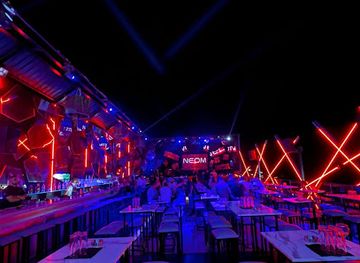
Night club
NEOM Rooftop
Discover the vibrant nightlife of Batroun at NEOM Rooftop, where stunning views meet electrifying beats for an unforgettable experience.
-
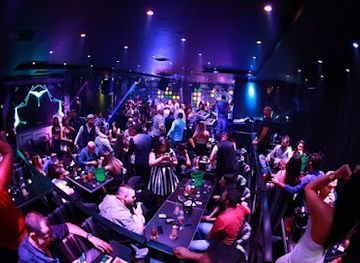
Disco club
Vault Night Club
Dive into the heart of Sarba's nightlife at Vault Night Club, where music, dance, and vibrant energy create unforgettable nights.
-
Disco club
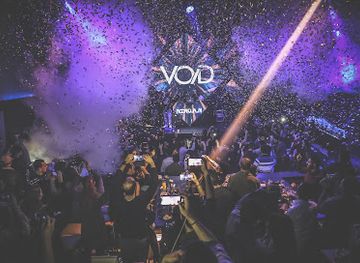
Void nightclub
Discover Batroun's vibrant nightlife at Void Nightclub, where electrifying beats and unforgettable experiences await every night.
Best shops in Koura
Shopping in Koura is primarily local and agricultural rather than centred on large retail complexes. The most characteristic purchases are olive oil, table olives, olive soap and other products made or sold by village producers, particularly around the inland olive-growing communities. Ask about the harvest, pressing and storage conditions, and choose sealed, clearly labelled products when carrying oil home. Bakeries, small food shops and local markets provide Lebanese pantry items, sweets, spices and preserved foods, while independent stores in towns such as Amioun serve everyday needs rather than luxury retail. Anfeh and the coastal villages may offer seafood-related products and small artisanal goods, though availability is seasonal. For antiques, branded fashion, larger bookshops or a more extensive commercial selection, visitors generally need to use Tripoli or another larger Lebanese town outside the district. Shopping here is most rewarding when it supports local agriculture and small-scale craft rather than when approached as a conventional retail itinerary.
-
Coffee shop
Vee American Coffee Shop Amioun
Experience the best of coffee culture at Vee American Coffee Shop in Amioun – a cozy retreat with exquisite brews and delightful bites.
-
Video arcade
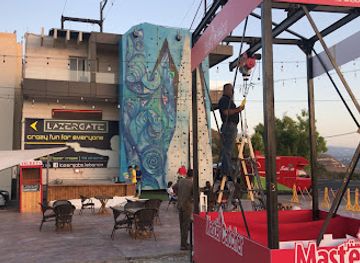
Lazergate
Experience the ultimate gaming adventure at Lazergate, the premier video arcade in Kfarhazir El Koura, offering fun for all ages and skill levels.
-
Outlet mall
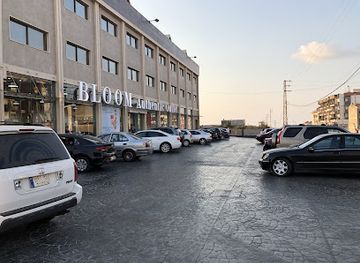
BLOOM Authentic Outlet koura
Experience the joy of shopping at BLOOM Authentic Outlet Koura, where unbeatable prices meet a vibrant atmosphere in the heart of Koura.
-
Perfume store
Silver Corner
Explore the exquisite world of scents at Silver Corner, Kousba's premier perfume store, offering unique fragrances and personalized experiences.
Get your free copy of our complete guide to Koura, delivered straight to you.
Everything on this page, from attractions and restaurants to essentials and local phrases, in one PDF you can read offline, print or share.
Already have an account? Sign in
Your Koura guide is ready.
We'll send it to · Not you? Sign out

Getting your guide ready…
We are putting together a fresh copy of the Koura guide. This can take up to a minute.
This can take a few moments. If your browser asks, choose Allow so the download can start. You'll find the guide in your Downloads folder.
Nothing happened? Download it again
Sorry, the guide is taking longer than usual. Please try again in a minute, or get it by email instead.
Koura essentials
Currency and Payment
Safety
Emergency Situations
Do's and Don'ts
Local Tips
From Eve
Local phrases worth knowing
You don't need to get them perfect. A few words go a long way, and locals appreciate the effort.
Basics
| English | Local | Say it |
|---|---|---|
| Hello | مرحبا | [Marhaba] |
| Goodbye | وداعا | [Wada'an] |
| Yes | نعم | [Na'am] |
| No | لا | [La] |
| Please/You're welcome | من فضلك | [Min fadlik] |
| Thank you | شكرا | [Shukran] |
| Excuse me/Sorry | عفوا | [Afwan] |
| How are you? | كيف حالك؟ | [Kayfa halak?] |
| Fine. And you? | بخير. وأنت؟ | [Bikhayr. Wa anta?] |
| Do you speak English? | هل تتحدث الإنجليزية؟ | [Hal tatahaddath al-ingliziyya?] |
| I don't understand | لا أفهم | [La afham] |
Eating & Drinking
| English | Local | Say it |
|---|---|---|
| I'd like to see the menu, please | أود رؤية القائمة، من فضلك | [Awad ru'yat al-qa'ima, min fadlik] |
| I don't eat meat | لا آكل اللحم | [La akul al-lahm] |
| Cheers! | في صحتك! | [Fi sihatak!] |
| I would like to pay, please | أود أن أدفع، من فضلك | [Awad an adfa'a, min fadlik] |
Emergencies
| English | Local | Say it |
|---|---|---|
| Help! | نجدة! | [Najda!] |
| Go away! | ابتعد! | [Ibt'id!] |
| Call the Police! | اتصل بالشرطة! | [Ittasil bil-shurta!] |
| Call a doctor! | اتصل بطبيب! | [Ittasil bi-tabeeb!] |
| I'm lost | أنا ضائع | [Ana da'i'] |
| I'm ill | أنا مريض | [Ana marid] |
Shopping
| English | Local | Say it |
|---|---|---|
| I'd like to buy... | أود أن أشتري... | [Awad an ashtari...] |
| I'm just looking | أنا فقط أنظر | [Ana faqat anzur] |
| How much is it? | كم سعره؟ | [Kam si'ruh?] |
| That's too expensive | هذا مكلف جدا | [Hatha mukallaf jiddan] |
| Can you lower the price? | هل يمكنك تخفيض السعر؟ | [Hal yumkinuka takhfid al-si'r?] |
Time & Numbers
| English | Local | Say it |
|---|---|---|
| What time is it? | كم الساعة؟ | [Kam al-saa'a?] |
| It's one o'clock | الساعة واحدة | [Al-saa'a wahida] |
| Half past (10) | نصف الساعة (10) | [Nisf al-saa'a (10)] |
| Morning | صباحا | [Sabahan] |
| Afternoon | بعد الظهر | [Ba'd al-zuhur] |
| Evening | مساء | [Masa'a] |
| Yesterday | أمس | [Ams] |
| Today | اليوم | [Al-yawm] |
| Tomorrow | غدا | [Ghadan] |
| 1 | واحد | [Wahid] |
| 2 | اثنان | [Ithnan] |
| 3 | ثلاثة | [Thalatha] |
| 4 | أربعة | [Arba'a] |
| 5 | خمسة | [Khamsa] |
| 6 | ستة | [Sitta] |
| 7 | سبعة | [Sab'a] |
| 8 | ثمانية | [Thamaniya] |
| 9 | تسعة | [Tis'a] |
| 10 | عشرة | [Ashara] |
Transport & Directions
| English | Local | Say it |
|---|---|---|
| Where's a/the...? | أين يوجد ...؟ | [Ayn yujad...?] |
| What's the address? | ما هو العنوان؟ | [Ma huwa al-unwan?] |
| Can you show me (on the map)? | هل يمكنك أن تظهر لي (على الخريطة)؟ | [Hal yumkinuka an tuzhir li (ala al-kharita)?] |
| When's the next (bus)? | متى تكون الحافلة التالية؟ | [Mata takun al-hafila al-taliya?] |
| A ticket (to ....) | تذكرة (إلى ...) | [Tadhkira (ila ...)] |
History of Koura
Ancient Coastal and Inland Settlement
Koura’s position between the Mediterranean and the northern Lebanese highlands made it part of a long corridor of settlement linking coast and interior. Anfeh, on the coast, preserves evidence of maritime activity and a shoreline shaped by successive civilisations, while inland communities grew around springs, valleys and productive agricultural land. The district’s ancient past is visible less through one monumental archaeological complex than through scattered remains, reused stone, old routes and the continuing pattern of villages occupying defensible or elevated sites.
Roman and Byzantine Influences
Under Roman rule and during the Byzantine period, northern Lebanon was integrated into wider systems of administration, trade and Christianity. Roads, agricultural estates and coastal connections helped link Koura with larger centres in northern Phoenicia and the eastern Mediterranean. Early Christian communities established churches and monastic foundations across the region, creating a religious landscape that later generations repeatedly rebuilt. Some of Koura’s surviving churches and village traditions reflect this long continuity, even where the visible buildings are medieval or more recent.
Medieval Monastic Foundations
The medieval period brought major changes to Koura’s religious and political landscape. The monastery at Balamand was founded as a Cistercian abbey in the twelfth century during the era of the Crusader states. After periods of disruption, the site became associated with the Greek Orthodox Church and developed into an important centre of worship, scholarship and ecclesiastical life. The Monastery of Our Lady of Hamatoura, set in a steep valley near Kousba, also reflects the enduring importance of monastic communities in preserving spiritual practices and connecting scattered mountain settlements.
Ottoman-Era Villages and Olive Agriculture
For several centuries Koura formed part of the Ottoman Empire, whose administrative and economic structures shaped village life without erasing established local communities. Olive cultivation became an especially important foundation of the district’s rural economy. Presses, terraces, storage practices and family landholdings helped sustain villages through changing political circumstances. Stone houses, churches and agricultural landscapes dating from the Ottoman and late Ottoman periods remain part of Koura’s built environment, while the district’s strong Greek Orthodox presence continued to influence education, religious organisation and community life.
The Mandate, Independence and Modern Lebanon
The creation of Greater Lebanon under the French Mandate after the First World War changed the administrative framework in which Koura’s communities operated. Roads, schools and new state institutions gradually connected the district more closely with Tripoli, the coast and other parts of Lebanon. After independence in 1943, migration, education and professional employment increasingly transformed village society. Many families maintained strong links with their home villages while living elsewhere in Lebanon or abroad, contributing to the renovation of houses, churches and community institutions.
Balamand as an Educational and Cultural Centre
In the modern period, Balamand developed beyond its monastic role through the establishment of the University of Balamand in the twentieth century. The university added an academic and international dimension to a district already marked by religious scholarship and historic institutions. Its presence has helped make Koura a place where rural landscapes, ecclesiastical heritage and contemporary education coexist. At the same time, olive farming, coastal activity and village networks remain important parts of the district’s identity, despite economic pressures and continuing emigration.
Koura in Photos
Browse through our photo collection highlighting the charm and character of the destination.
Neighbouring regions of Koura
The closest regions to Koura, if you have time for more than one.
-

-

-

-

-


Swipe for more regions
Explore more

Explore more of Lebanon
Discover Lebanon: A land of ancient history, vibrant culture, stunning landscapes, and delicious cuisine, nestled on the Mediterranean coast.
Explore Lebanon