From Eve
Know before you go
Hi, I'm Eve. Here are a few practical things to know before exploring Dabane Palace.
Local know-how to help you travel smarter and make the most of every moment.

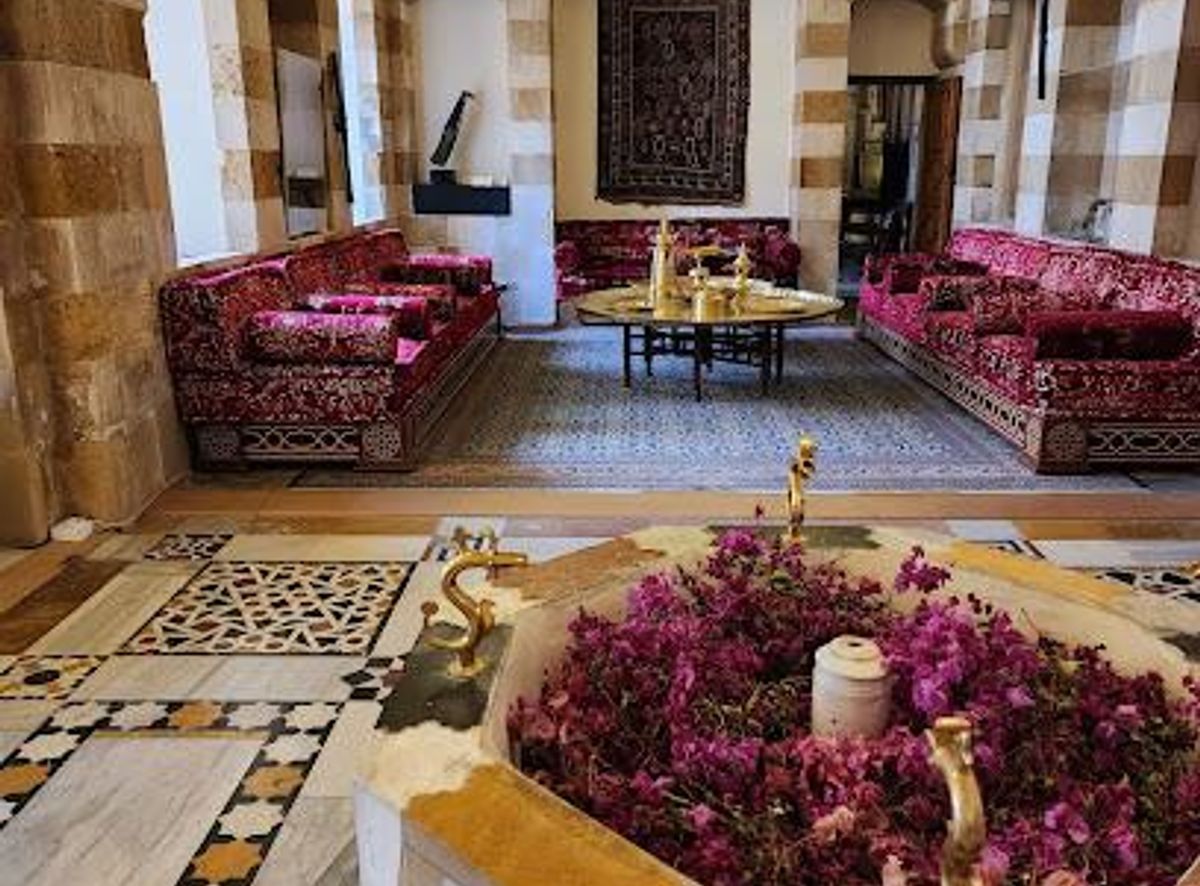
Explore the Debbane Palace in Sidon, a journey through Lebanon's Ottoman-era heritage, showcasing intricate architecture and historical artifacts.
Nestled in the heart of Sidon, Lebanon, the Debbane Palace offers a captivating glimpse into the city's rich history and Ottoman-era architecture. Built in the 18th century, this grand mansion showcases a blend of Arab, Ottoman, and Damascene architectural styles.
Opening times, essentials, and a few local tips gathered into one calmer, easier-to-scan planning section.
Hi, I'm Eve. Here are a few practical things to know before exploring Dabane Palace.
Local know-how to help you travel smarter and make the most of every moment.
Walking
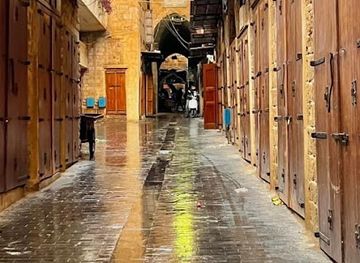
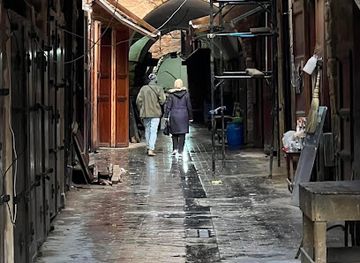
The Dabane Palace is located in the old souks of Sidon, which is a compact city that is easily navigable on foot. From the Sidon Sea Castle, walk east into the old city. The palace is located in the heart of the souks. There is a small entrance fee.
Taxi
From anywhere in Sidon, a taxi to the Dabane Palace is a readily available option. Taxis can be hailed from the street or arranged through a ride-hailing app. A 5km ride in Sidon will cost approximately $4. Ask the driver to take you to the old souks.
Use Tower Bridge as your starting point for nearby food, family ideas, nightlife, and more local discoveries.

Explore expert travel guides, compare and book tours, experiences, hotels, and more—all from the palm of your hand. Download now for seamless trip planning wherever your wanderlust takes you.
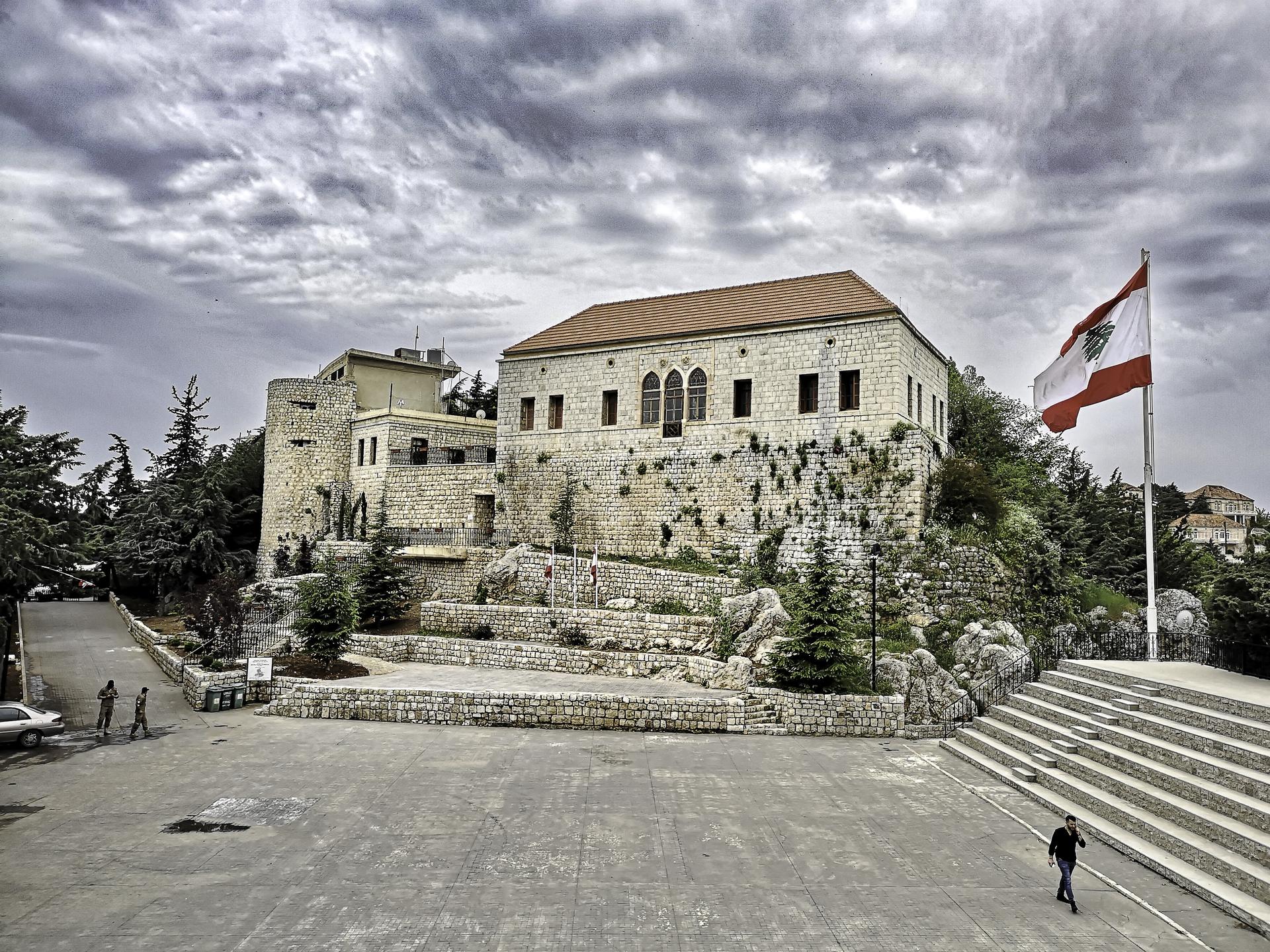
Discover Rashaya, a historic mountain town in Lebanon, where ancient architecture, stunning landscapes, and warm hospitality await every traveler.
Tell me more about Rashaya