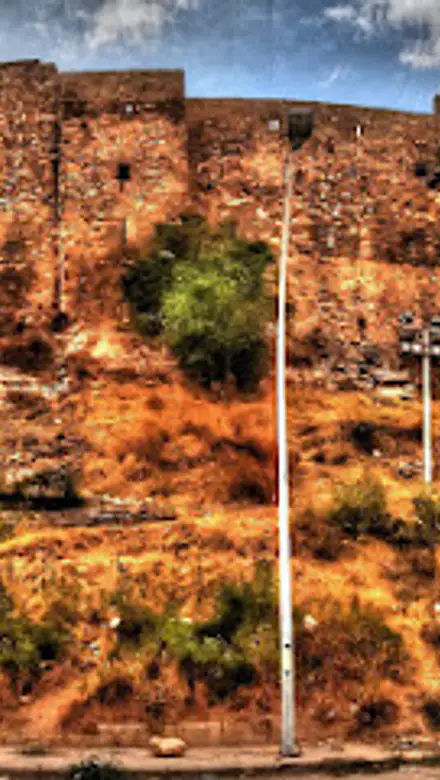
Tripoli Citadel, Tripoli Travel Guide
Free Guide: Explore the historic Tripoli Citadel, a blend of Crusader, Mamluk, and Ottoman architecture with panoramic city views.


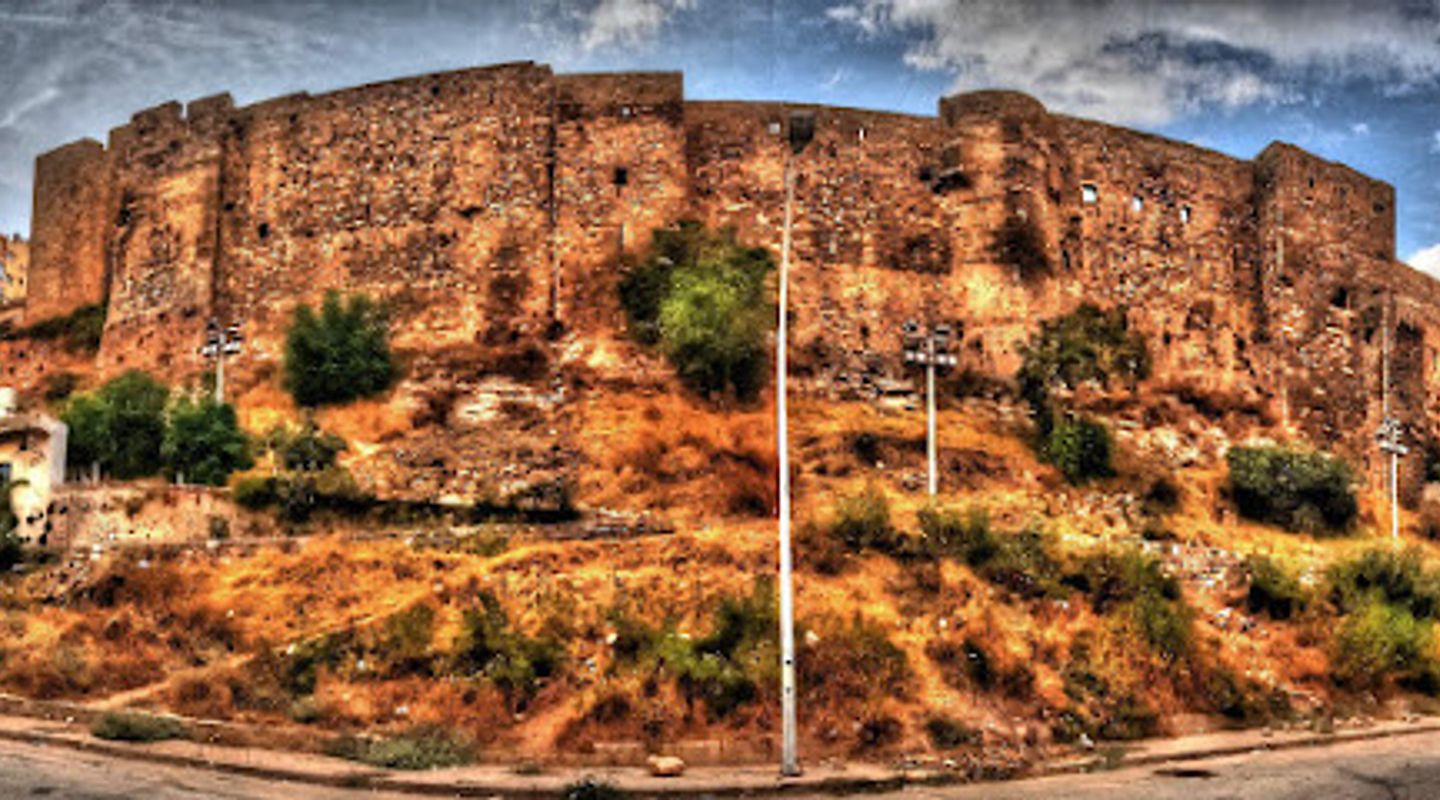
A brief summary of Tripoli Citadel
Explore the historic Tripoli Citadel, a blend of Crusader, Mamluk, and Ottoman architecture with panoramic city views.
The Tripoli Citadel, also known as the Citadel of Raymond de Saint-Gilles, is a historic fortress in Tripoli, Lebanon. Founded in 636 CE, it has been modified and rebuilt by various rulers, including Crusaders, Mamluks, and Ottomans, reflecting the city's diverse past.
Opening hours
- Every day9 am–5 pm
Opening hours as listed on the venue’s Google Business Profile. Hours can change for services and special events, so check with the venue before you go.
- Address
- CRMV+9R6, Tripoli
- Phone
Getting there
Walking
Public Transport
Taxi
Discover more about Tripoli Citadel
Overview
The Tripoli Citadel, a commanding presence overlooking the city, is one of the largest and oldest military fortresses in Lebanon. Its origins trace back to 636 CE when it was founded by the Arab commander Sufyan ben Mujib AlAzdi. Over the centuries, it has been shaped by various empires, each leaving their mark on its architecture and function.In the 11th century, the Fatimids constructed a mosque within the fortress. The Crusader Raymond de Saint-Gilles enlarged the fortress in 1103 CE during the siege of Tripoli, naming it the Castle of Mount Pilgrim. The citadel was damaged by fire in 1289 during the Mamluk era and later restored in the 14th century. The Ottomans, under Sultan Suleiman the Magnificent, further rebuilt the citadel in the 16th century, as commemorated by an inscription over the entrance portal.Today, the citadel comprises four floors, stretching 130 meters in length and 70 meters in width. Visitors can explore its walls, towers, gates, and halls, witnessing the blend of Fatimid, Crusader, Mamluk, and Ottoman architectural elements. The site also houses the North Lebanon & Akkar Museum, displaying artifacts from the Stone Age to the Middle Ages. The citadel offers panoramic views of Tripoli, the Mediterranean Sea, and the surrounding landscape.
Evendo Review Centre
 Google
Guest reviews
Explore Tripoli Citadel on the map
A handpicked selection of must-see spots near Tripoli Citadel, mapped for you.
Get your free copy of our complete guide to Tripoli Citadel, delivered straight to you.
Everything on this page, from opening hours and how to get there to Eve’s tips and the best time to go, in one PDF you can read offline, print or share.
Already have an account? Sign in
Your Tripoli Citadel guide is ready.
We'll send it to · Not you? Sign out

Getting your guide ready…
We are putting together a fresh copy of the Tripoli Citadel guide. This can take up to a minute.
This can take a few moments. If your browser asks, choose Allow so the download can start. You'll find the guide in your Downloads folder.
Nothing happened? Download it again
Sorry, the guide is taking longer than usual. Please try again in a minute, or get it by email instead.
Unlock the best of Tripoli Citadel
Skip-the-line tickets, guided tours with entry, and walking tours of the area, booked in a few clicks.
 Tour with entry
Tripoli & Batroun Small-Group Tour | Lunch & Tickets Included
from $84.55 Tour with entry
Small-Group Tour to Tripoli and Batroun From Beirut with Lunch and Tickets
from $84.55 Tour with entry
Tripoli & Batroun Small-Group Tour | Lunch & Tickets Included
from $84.55 Tour with entry
PRIVATE city Tour of authentic Tripoli and vibrant Batroun
from $190.00


Other nearby places you may find interesting
The closest places of the same kind, if this one is not quite what you had in mind.
-
-
-
-
-


Swipe for more places
More to explore near Tripoli Citadel

 Best experiences near Tripoli Citadel
 Best hotels near Tripoli Citadel
 Best landmarks near Tripoli Citadel
 Best attractions near Tripoli Citadel
 Best shops near Tripoli Citadel
 Best restaurants near Tripoli Citadel
 Best bars near Tripoli Citadel
Do you manage this location?
Take control to get all the benefits, like improved information, better appearance, and stronger visibility across AI-powered discovery.
Explore more

Explore more of Tripoli
Discover Tripoli, Lebanon's hidden gem, where ancient history, vibrant souks, and mouth-watering cuisine create an unforgettable travel experience.
Explore Tripoli
Explore more of Lebanon
Discover Lebanon: A land of ancient history, vibrant culture, stunning landscapes, and delicious cuisine, nestled on the Mediterranean coast.
Explore Lebanon