Al-Omari Grand Mosque: A Testament to Beirut's Enduring Heritage
Explore Beirut's Al-Omari Grand Mosque: a captivating blend of Roman, Byzantine, and Islamic history and architecture in the heart of the city.
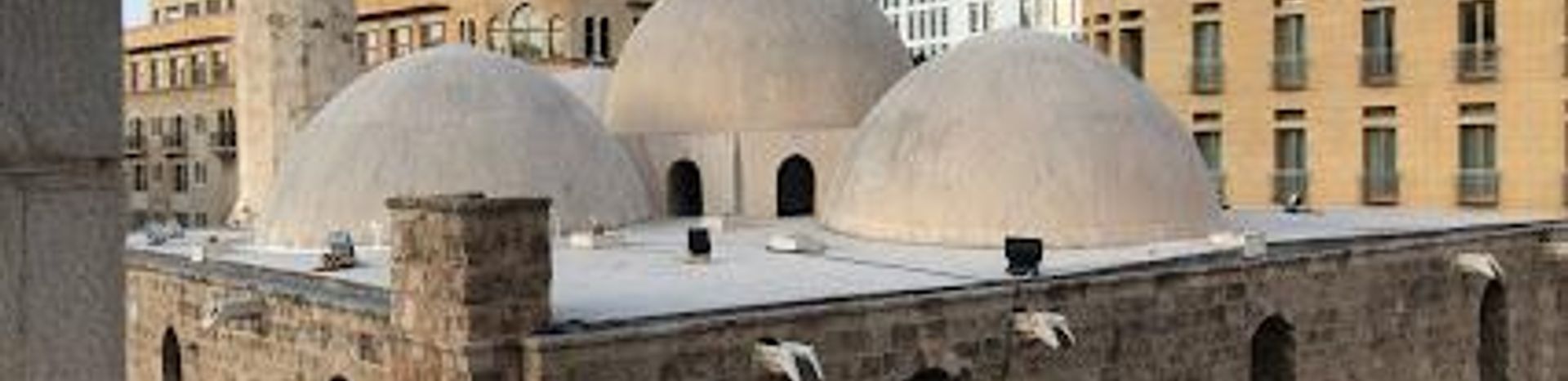
The Al-Omari Grand Mosque in Beirut stands as a powerful symbol of the city's layered history, having been transformed from a Roman temple to a Byzantine basilica, then a Crusader church, and finally a mosque in 1291. Its architecture reflects this rich past, blending Roman, Byzantine, and Islamic styles.
A brief summary to Al-Omari Grand Mosque
- VGX4+42G, Beirut, LB
- +9611985100
Local tips
- Dress modestly when visiting; women may be required to cover their heads.
- Visit during non-prayer times for a quieter experience and better photo opportunities.
- Take a guided tour to fully appreciate the mosque's history, architecture, and cultural significance.

Getting There
-
Walking
The Al-Omari Grand Mosque is located in the heart of Beirut Central District, making it easily accessible on foot from many nearby landmarks and hotels. From Nejmeh Square, head southwest. The mosque will be visible within a few minutes. No costs are associated with this final approach.
-
Public Transport
Beirut has an extensive public transportation system consisting of buses and service taxis. From Charles Helou station or Cola, take a bus or service taxi towards the city center. Ask to be dropped off near Nejmeh Square, which is a short walk from the mosque. Bus fare within Beirut is approximately 75,000 LBP. Service taxis charge around 150,000 LBP for a ride within Beirut.
-
Taxi
Taxis are readily available throughout Beirut. A taxi ride from anywhere in the city center to the Al-Omari Grand Mosque should cost approximately 600,000 LBP. Confirm the fare with the driver before starting your journey.
Discover more about Al-Omari Grand Mosque
Iconic landmarks you can’t miss

Al-Abed Clock Tower
0.1 km
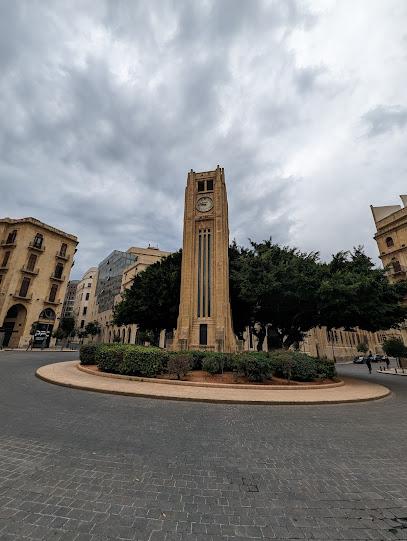
Discover the historic Al-Abed Clock Tower in Beirut's Parliament Square, a stunning emblem of resilience and architectural beauty amidst the city's vibrant life.
Saint George Greek Orthodox Cathedral Crypt Museum
0.1 km
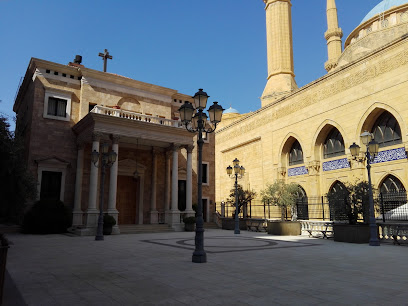
Discover Beirut's hidden history at the Saint George Cathedral Crypt Museum, showcasing artifacts from the Hellenistic to Ottoman periods.
Beirut Souks
0.1 km
Experience Beirut Souks: Where history meets modern shopping, dining, and entertainment in the heart of Beirut Central District.
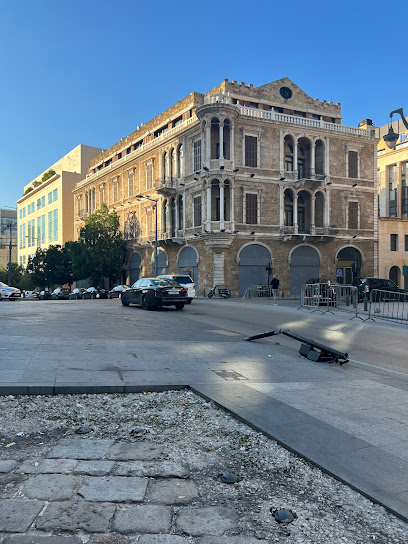
Roman Forum of Beirut
0.2 km
Explore the Roman Forum of Beirut, a captivating historical landmark that reveals the ancient echoes of Lebanon's rich cultural heritage.
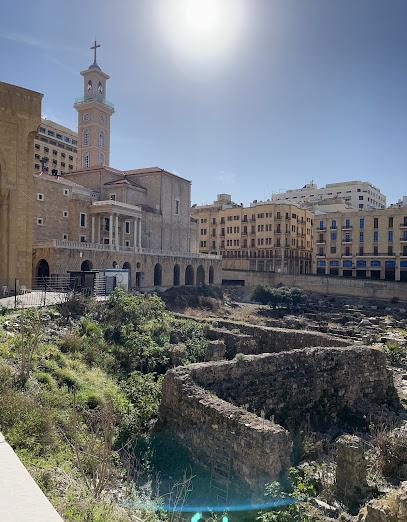
Show Me Lebanon
0.2 km
Explore Beirut like a local with Show Me Lebanon - your gateway to personalized tours and authentic experiences in Lebanon's vibrant capital.
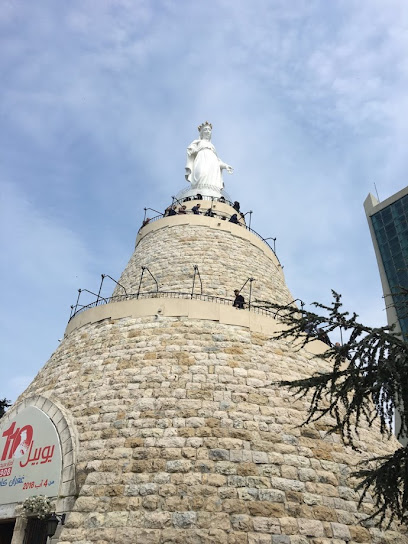
Tour Beirut's Walking Tour
0.2 km
Explore Beirut's rich history and vibrant culture through a captivating walking tour that unveils the city's hidden gems and iconic landmarks.
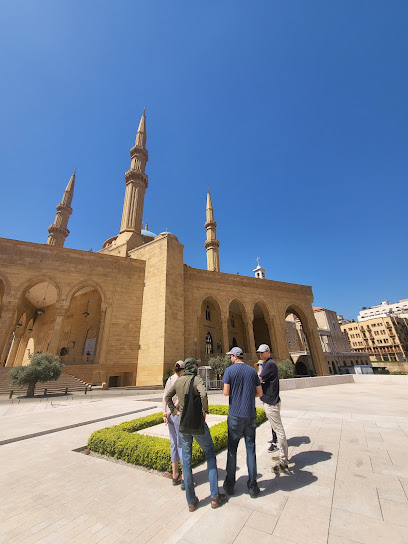
Place Amin El Hafez
0.2 km
Explore Beirut's rich heritage at Place Amin El Hafez, a historic landmark showcasing the city's captivating story and vibrant culture.
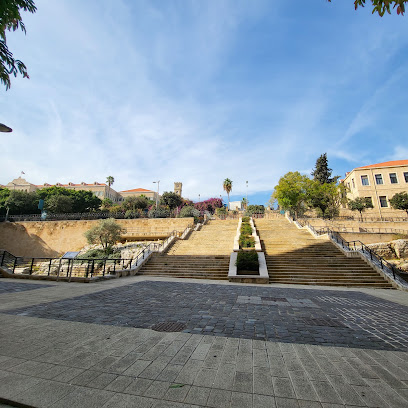
Martyrs' Square
0.3 km
Explore Martyrs' Square, an iconic plaza in Beirut that embodies Lebanese history, culture, and resilience, surrounded by stunning architecture and vibrant life.
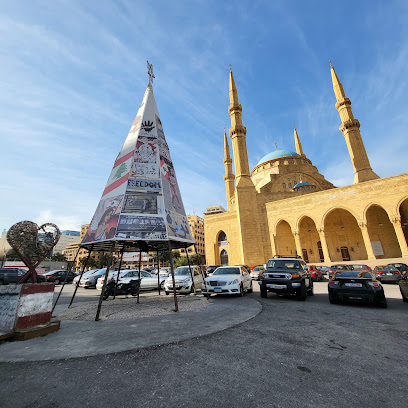
Mausoleum of Rafic Hariri
0.3 km
Visit the Mausoleum of Rafic Hariri in Beirut, a serene monument honoring a leader's legacy and the resilience of Lebanon. A place for reflection and remembrance.
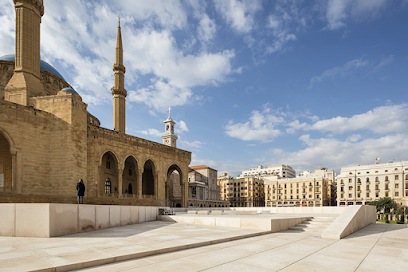
Hamidiye Clock Tower
0.3 km
Explore the Hamidiye Clock Tower in Beirut, a symbol of Ottoman heritage and resilience, standing tall in the heart of the city since 1897.
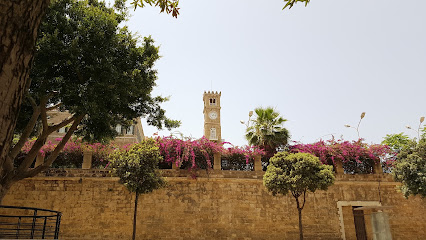
Le Grand Théatre des Milles et Une Nuits
0.4 km
Experience the magic of Le Grand Théâtre des Milles et Une Nuits, a historical landmark in Beirut that showcases the rich cultural heritage of Lebanon.
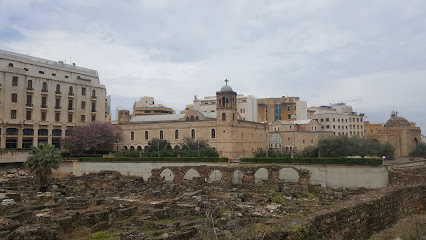
Berytus Saifi Archaeological Park - موقع الصيفي الأثري، بيروت
0.5 km
Uncover Beirut's ancient past amidst the modern cityscape at Berytus Saifi Archaeological Park. Explore Roman ruins and stunning mosaics.
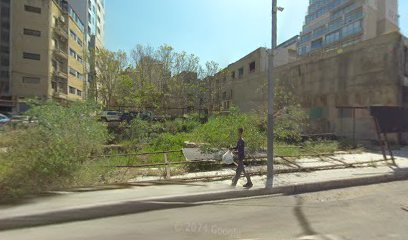
تمثال جبران خليل جبران
0.6 km
A tribute to the Lebanese-American poet and artist, Gibran Khalil Gibran, in the heart of Beirut.

St. Elie - Church
0.6 km
Discover the serene beauty and spiritual significance of St. Elie Church, a cultural landmark in the heart of Beirut.
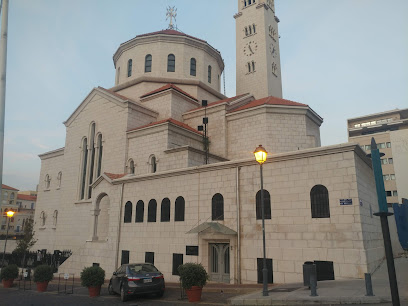
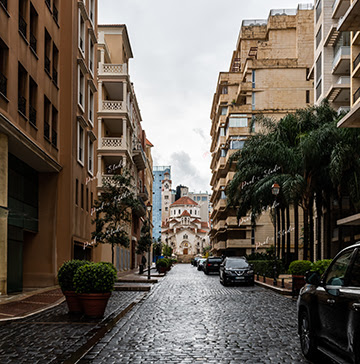
St. Maroun Maronite Catholic Church
0.7 km
A cornerstone of Lebanese culture and spirituality in the heart of Beirut's historic Gemmayzeh district.
Unmissable attractions to see

Beirut Christmas Village
0.0 km
Experience the magic of the holiday season at Beirut Christmas Village, a vibrant celebration of culture, joy, and festive spirit in the heart of the city.
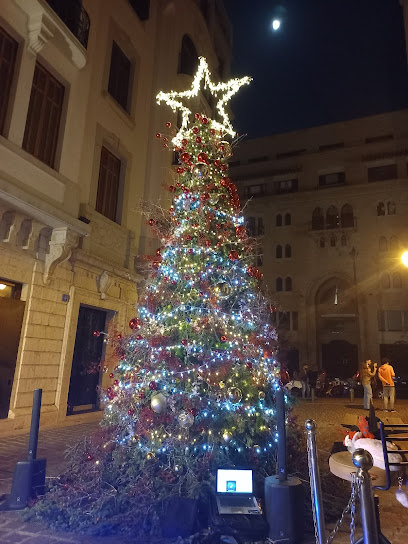
I love Beirut
0.1 km
Experience the vibrant heart of Beirut at I Love Beirut, an iconic tourist attraction that embodies the city's spirit and rich culture.
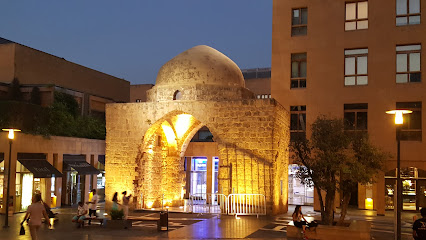
Place de l'Étoile
0.1 km
Discover the charm of Place de l'Étoile, home to the iconic Arc de Triomphe, where history meets the vibrant life of Paris.
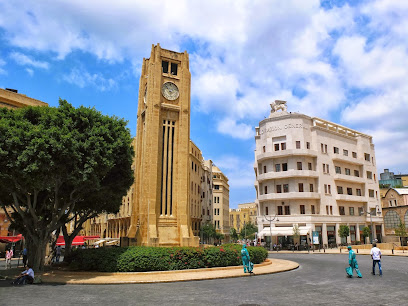
Fosh street
0.1 km
Explore the vibrant culture and history of Fosh Street, a must-visit tourist attraction in the heart of Beirut, where art meets tradition.
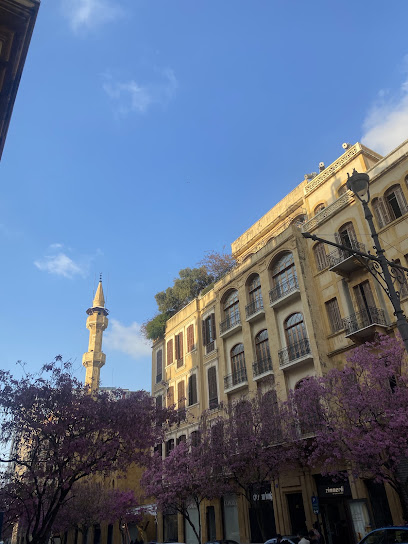
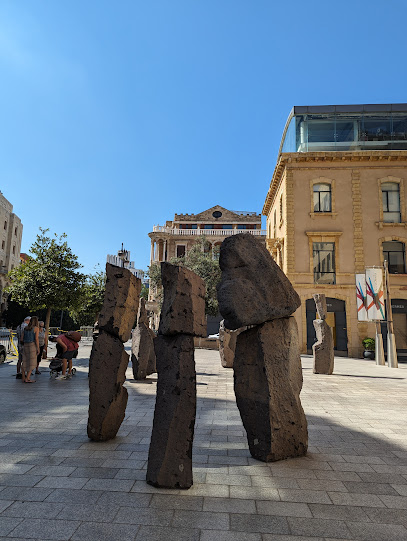
Colonnaded Street
0.2 km
Discover the historical charm of Colonnaded Street in Beirut, where ancient columns meet vibrant local culture in a captivating blend.
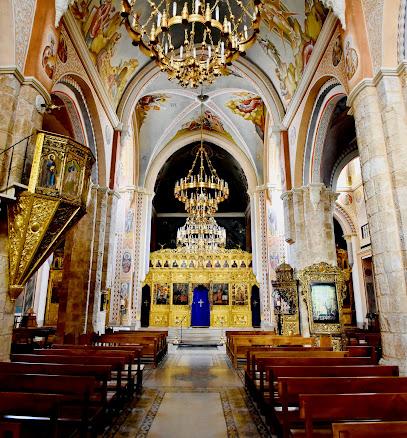
Saint George Greek Orthodox Cathedral
0.2 km
Discover the stunning Saint George Greek Orthodox Cathedral in Beirut, a beautiful blend of history and architecture, reflecting the rich cultural heritage of Lebanon.
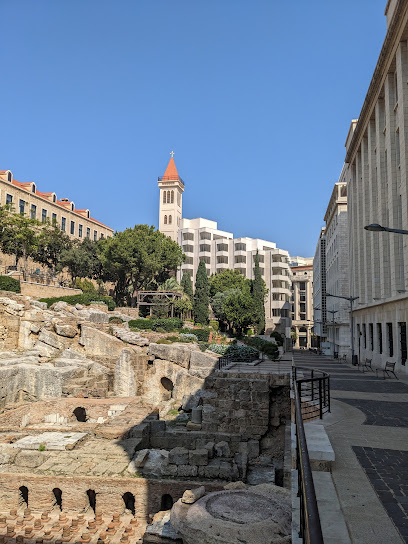
Roman Bath Ruins
0.3 km
Explore the Roman Bath Ruins in Beirut, an ancient marvel showcasing rich Roman history and architecture amid the vibrant culture of modern Lebanon.
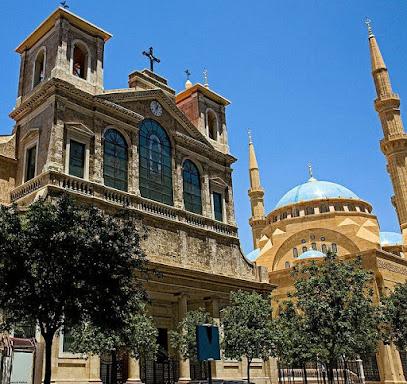
Saint George Maronite Cathedral
0.3 km
Explore the exquisite Saint George Maronite Cathedral in Beirut, a serene haven of architectural beauty and Maronite cultural heritage.
Berytus Cardo & Decumanus Maximus
0.3 km
Discover the captivating ruins of Berytus Cardo & Decumanus Maximus, a historical gem in the heart of Beirut, showcasing the city's ancient Roman heritage.
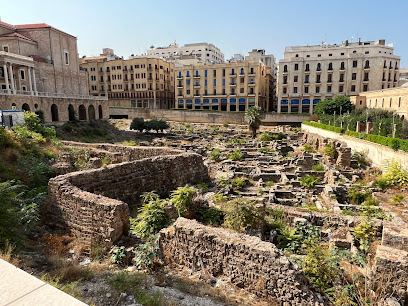
Mohammad Al Amin Mosque
0.3 km
Explore the stunning Mohammad Al Amin Mosque in Beirut, a masterpiece of Islamic architecture and a symbol of the city's rich cultural heritage.
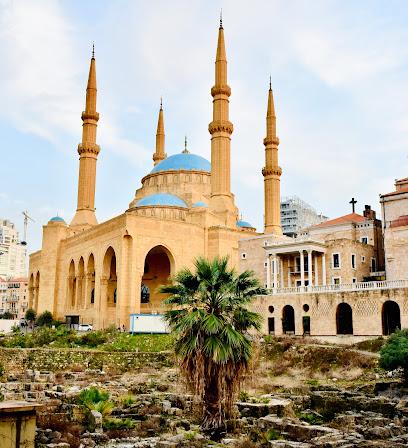
Nexus Tours Lebanon
0.4 km
Experience the vibrant culture and breathtaking landscapes of Beirut with Nexus Tours Lebanon, your gateway to unforgettable adventures.
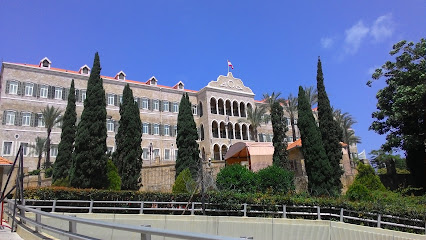
Grand Serail (Government Palace)
0.4 km
Explore the Grand Serail in Beirut, a stunning example of Lebanese architecture and a key symbol of the nation's political heritage.
Downtown Tree
0.4 km
Experience the heart of Beirut at Downtown Tree, a vibrant tourist attraction blending nature, culture, and community in one serene location.
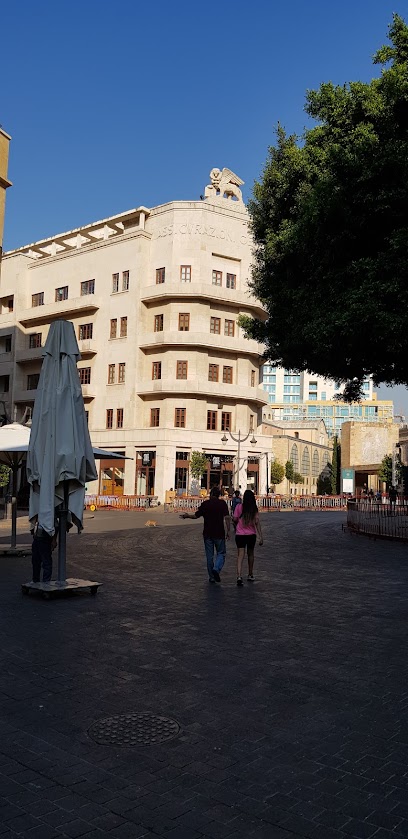
Chc
0.5 km
Experience the vibrant culture and history of Beirut at Chc, a must-visit tourist attraction offering local flavors and stunning surroundings.
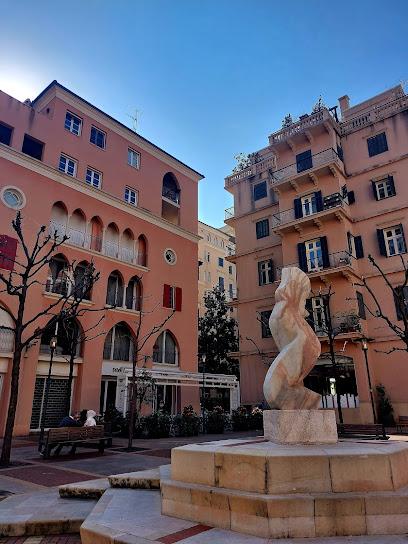
Saifi Village
0.6 km
Discover the vibrant charm of Saifi Village in Beirut, where traditional architecture meets contemporary culture, creating an inviting atmosphere for all.
Essential places to dine

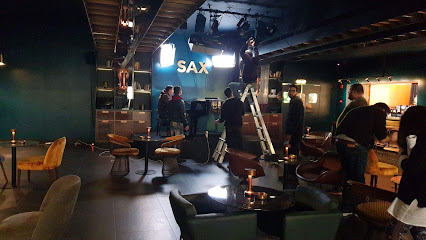
SAX
0.1 km
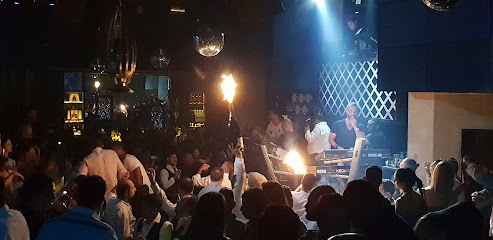
Experience exquisite cuisine and vibrant live music at SAX, one of Beirut's top restaurants for nightlife enthusiasts.
Clap Beirut
0.2 km
Experience exquisite Japanese cuisine with stunning views at Clap Beirut - where tradition meets modernity.
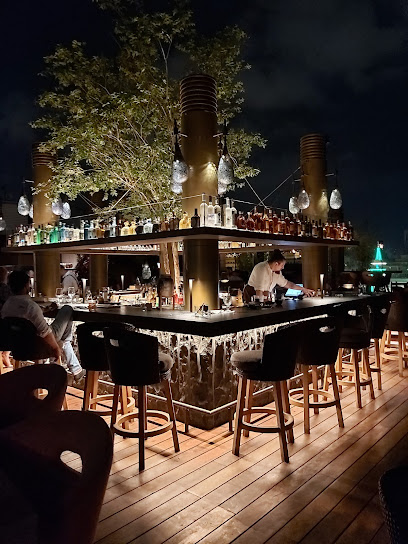
The Met Metropolitan Eatery
0.3 km
Discover the essence of Lebanese cuisine at The Met Metropolitan Eatery in Beirut, where tradition meets modern culinary art.
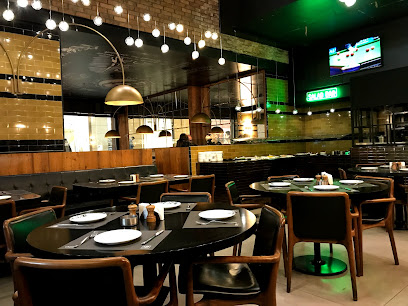
Skirt
0.3 km
Discover Skirt in Beirut – where innovative cuisine meets warm hospitality in a stylish setting.
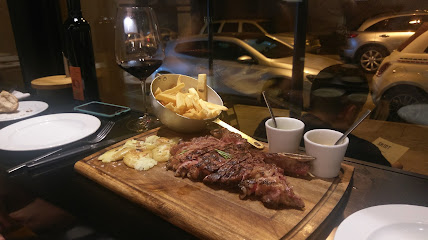
Cocteau Restaurant
0.4 km
Discover the exquisite flavors of Lebanon at Cocteau Restaurant in Beirut – where tradition meets modern culinary artistry.
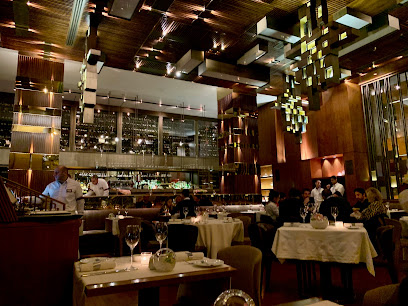
Plume La Brasserie
0.4 km
Discover the exquisite flavors of French cuisine blended with Italian and Japanese influences at Plume La Brasserie in Beirut.
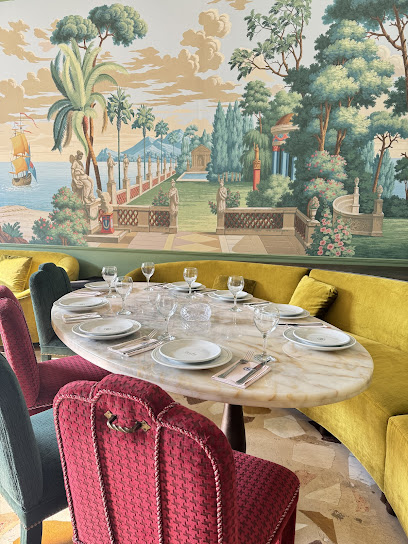
Burgundy Restaurant
0.4 km
Experience the flavors of Lebanon at Burgundy Restaurant in Beirut—where culinary artistry meets warm hospitality.
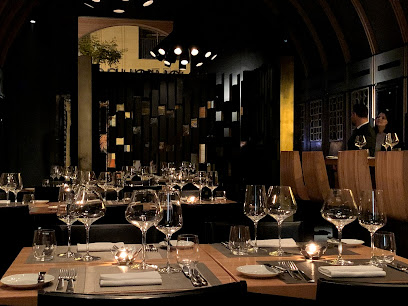
Gavi Restaurant
0.4 km
Experience authentic Italian cuisine at Gavi Restaurant in Beirut, where every dish tells a story of tradition and flavor.
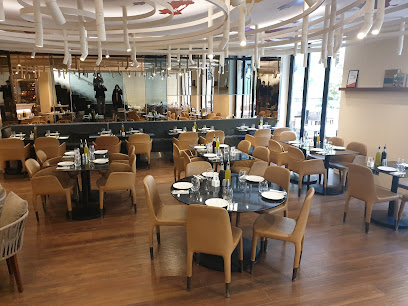
Em Sherif Cafe
0.5 km
Experience authentic Lebanese cuisine at Em Sherif Cafe in Beirut - where tradition meets elegance.
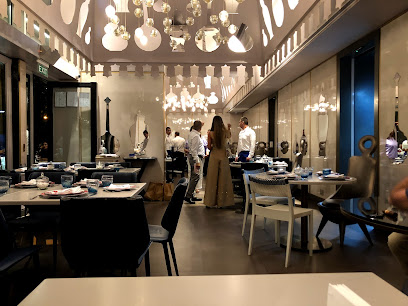
L'Avenue Du Parc
0.5 km
Experience authentic French cuisine in Beirut at L'Avenue Du Parc, where elegance meets exquisite flavors for an unforgettable dining experience.
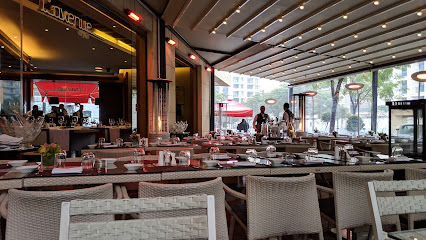
BeBabel
0.6 km
Discover authentic Lebanese flavors at BeBabel in Beirut's Minet El Hosn—where tradition meets modern culinary artistry.
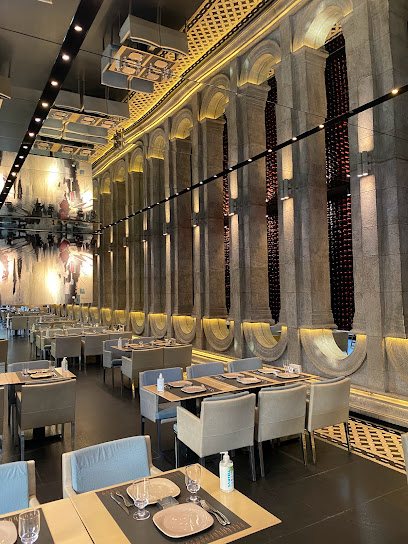
Le Petit Gris
0.6 km
Experience authentic French cuisine at Le Petit Gris in Beirut; where culinary artistry meets warm hospitality.
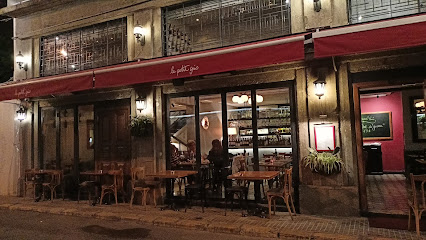
Society
0.6 km
Discover Society Bistro in Beirut: A modern culinary gem blending local flavors with chic ambiance for an unforgettable dining experience.
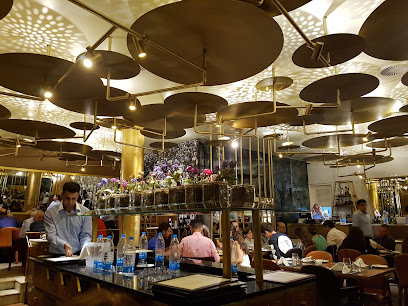
Centrale
0.6 km
Experience authentic French cuisine and vibrant nightlife at Centrale in Beirut's Saifi district.
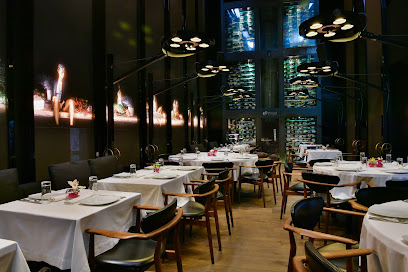
Cupola
0.7 km
Experience authentic Italian cuisine at Cupola in Gouraud, Beirut – where every dish is crafted with passion and tradition.
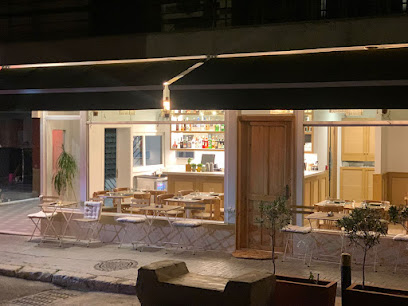
Markets, malls and hidden boutiques

Burberry
0.1 km
Discover Burberry in Beirut, where luxury meets fashion in a vibrant shopping experience filled with elegance and style.
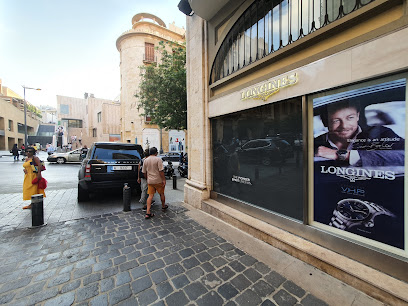
Longines Boutique - Al Lenbi
0.1 km
Explore the elegance of Swiss watchmaking at Longines Boutique - Al Lenbi, a premier destination in Downtown Beirut for luxury timepieces.
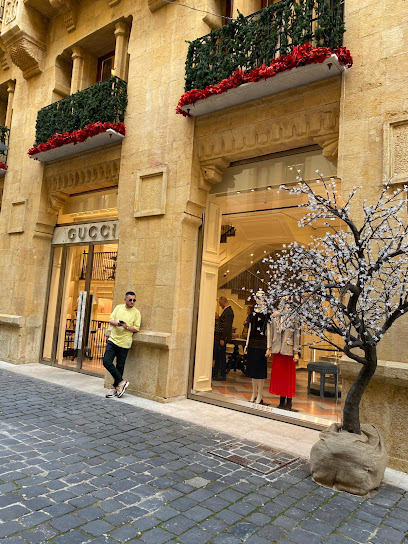
Gucci
0.1 km
Explore the luxurious world of Gucci in Beirut, offering exclusive collections of clothing, accessories, and more in a stunning boutique setting.
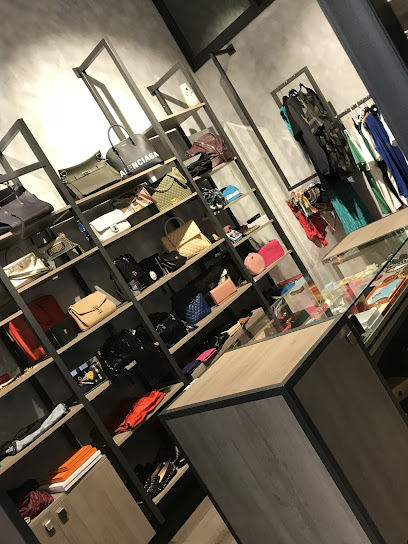
Chic Beirut
0.2 km
Explore Chic Beirut, a vintage clothing haven where unique fashion meets exceptional service in the heart of Lebanon's vibrant capital.
GS Downtown
0.3 km
Explore the chic fashion scene at GS Downtown in Beirut, where modern style meets local craftsmanship in a welcoming atmosphere.
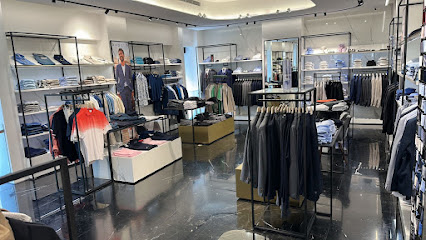
Cookie Dough Boutique
0.4 km
Discover the joy of children's fashion at Cookie Dough Boutique, offering stylish clothing and accessories for your little ones in Beirut.
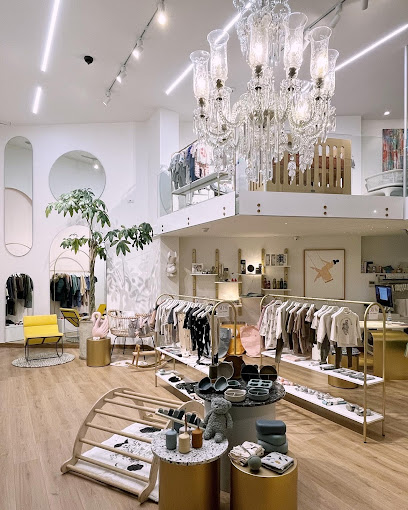
ALIA Boutique - Saifi
0.5 km
Shop unique Lebanese fashion at ALIA Boutique in Saifi, Beirut – a perfect blend of local craftsmanship and contemporary style.
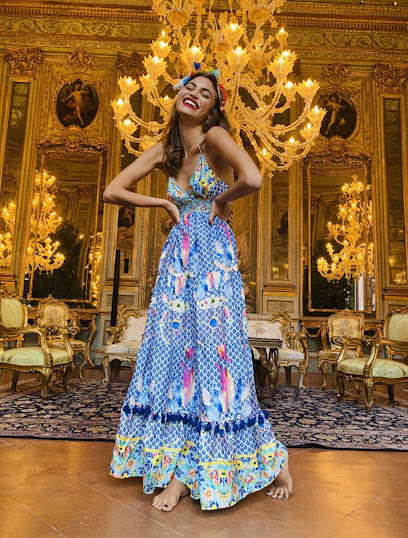
Golden Rock Boutique
0.5 km
Explore the stylish Golden Rock Boutique in Beirut for an unforgettable shopping experience filled with contemporary fashion and local charm.
Chouette boutique
0.5 km
Discover unique fashion at Chouette Boutique in Beirut, where contemporary style meets local craftsmanship in a vibrant shopping experience.
Montblanc Down Town Beirut
0.6 km
Explore the elegance of Montblanc Down Town Beirut, where luxury shopping meets exceptional craftsmanship in the heart of Lebanon.
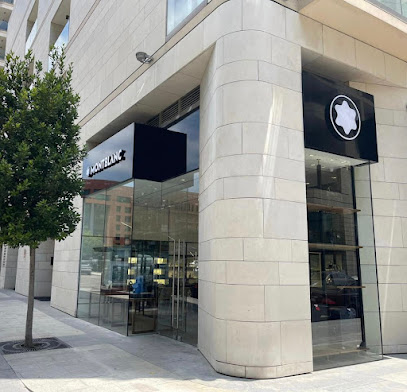
Pop Up Concepts Flagship
0.7 km
Explore the vibrant Pop Up Concepts Flagship in Beirut for unique fashion, art, and collectibles, blending local culture with global trends.
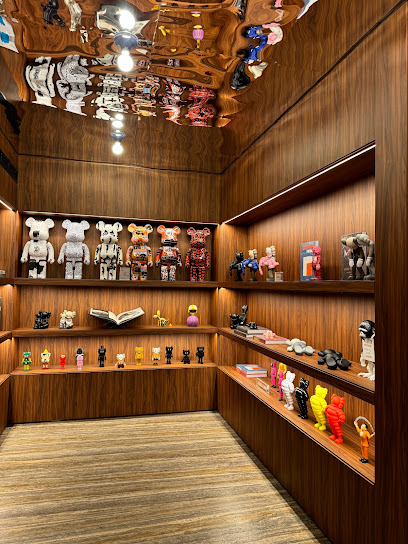
oddfish concept store
0.7 km
Explore Oddfish Concept Store in Beirut for unique gifts, local art, and stylish fashion accessories that embody the creative spirit of Lebanon.
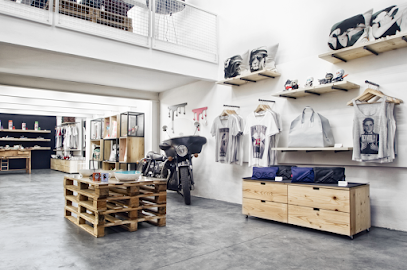
Nouvelle Vague Vintage Store
0.7 km
Explore the finest vintage clothing and accessories at Nouvelle Vague Vintage Store in Beirut for a unique shopping experience.
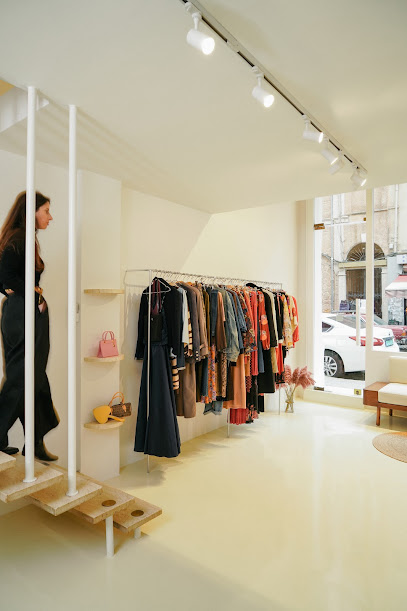
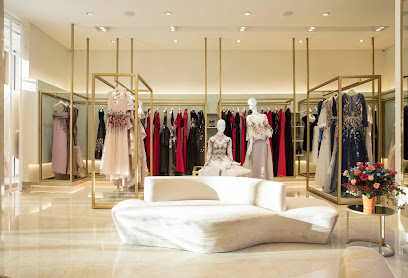
Saiid Kobeisy Fashion House Beirut
0.9 km
Explore the luxurious Saiid Kobeisy Fashion House in Beirut, where haute couture meets contemporary elegance, offering a unique shopping experience for fashion lovers.
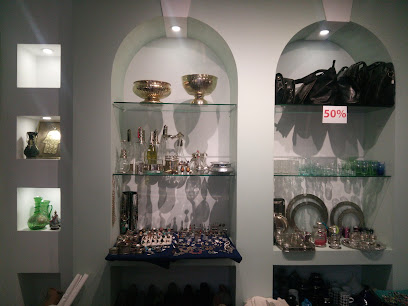
Le Calife
0.9 km
Discover unique antiques and handcrafted gifts at Le Calife, a gem in the heart of Beirut that showcases the rich artistry of Lebanon.
Essential bars & hidden hideouts

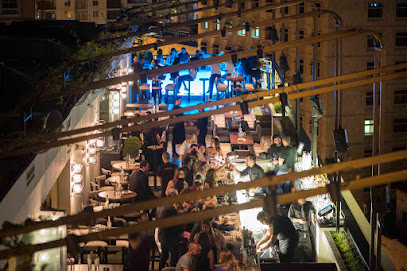
Capitole By Analogue
0.3 km
Discover the vibrant atmosphere at Capitole By Analogue, a rooftop bar in Downtown Beirut offering stunning views, exquisite cocktails, and a chic ambiance.
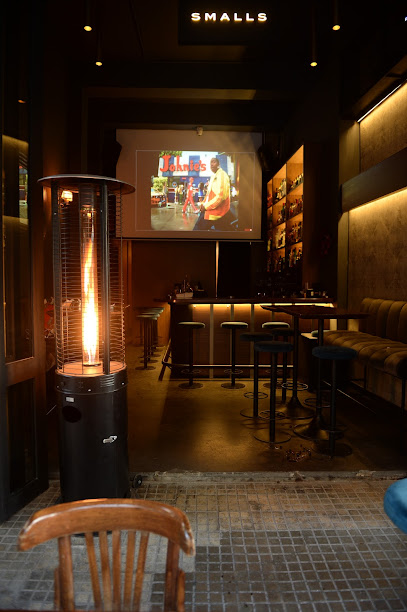
SMALLS
0.5 km
Discover the vibrant nightlife of Beirut at SMALLS, a trendy bar in Gemmayze offering creative cocktails and an eclectic atmosphere.
Wine يو
0.5 km
Explore the vibrant nightlife of Beirut at Wine يو, a lively pub offering an extensive drink selection and a welcoming atmosphere.
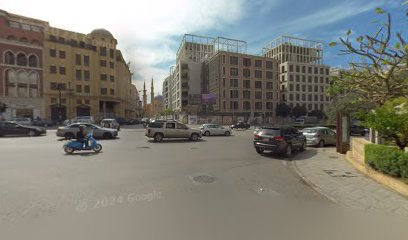
JIVE
0.5 km
Experience the vibrant nightlife of Beirut at JIVE, where funky cocktails and eclectic vibes create unforgettable memories.
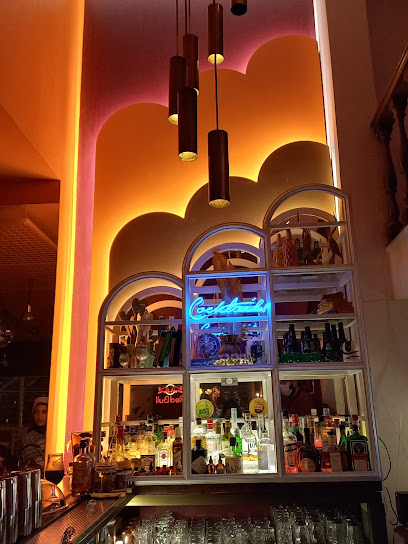
Miiyao
0.6 km
Discover the vibrant nightlife of Beirut at Miiyao, where signature cocktails and a lively atmosphere await every visitor.
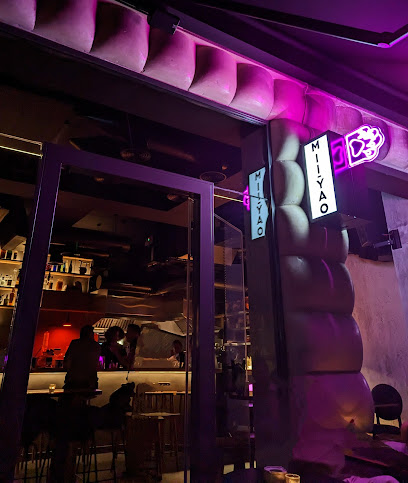
Demo
0.7 km
Experience the lively atmosphere of Gemmayzeh Bar in Beirut, where local flavors and vibrant nightlife come together in perfect harmony.
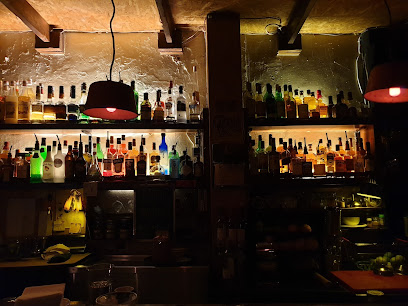
Antika
0.8 km
Experience the vibrant nightlife of Beirut at Antika, a premier waterfront bar known for its creative cocktails and stunning Mediterranean views.
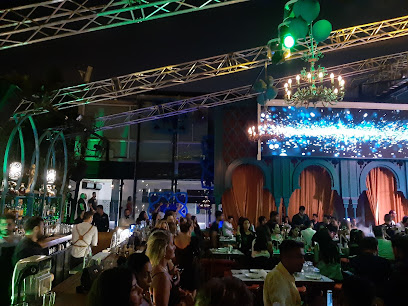
Dragonfly
0.8 km
Discover Dragonfly, a stylish cocktail bar in Beirut's vibrant Gouraud district, known for its innovative drinks and lively atmosphere.
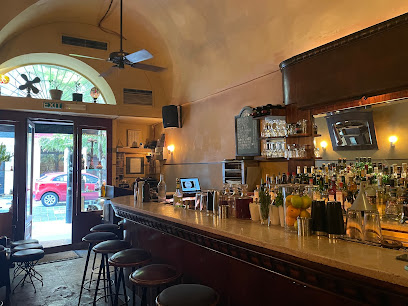
Twenty Two Beirut
0.8 km
Discover the vibrant nightlife of Beirut at Twenty Two Beirut, where local culture meets a lively pub atmosphere for an unforgettable experience.
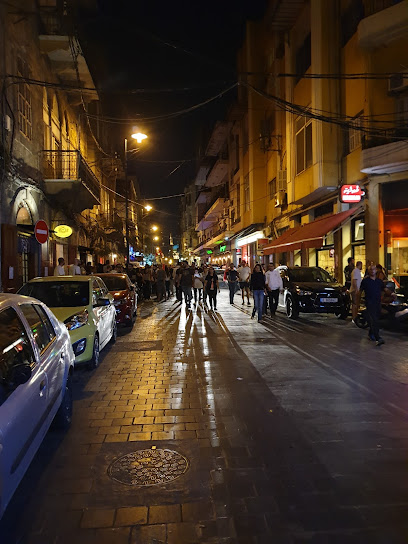
House of Butlers
1.0 km
Experience Beirut's vibrant nightlife at House of Butlers, where expertly crafted cocktails and a lively atmosphere await every visitor.
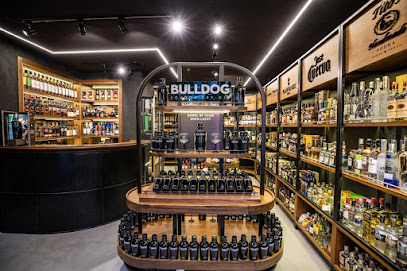
Iris
1.1 km
Experience the vibrant nightlife of Beirut at Iris, where stunning views meet exceptional cocktails in an unforgettable setting.
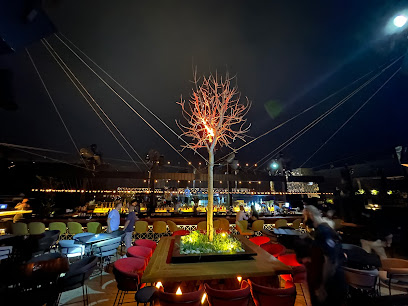
Sayf - صيف
1.2 km
Experience Beirut's nightlife at Sayf, a chic waterfront lounge offering exquisite drinks, delectable bites, and stunning views.
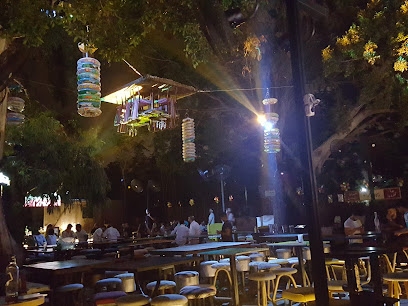
DEAD END PARADISE
1.3 km
Discover the electric ambiance and exquisite cocktails at Dead End Paradise, Beirut's premier cocktail bar for an unforgettable night out.
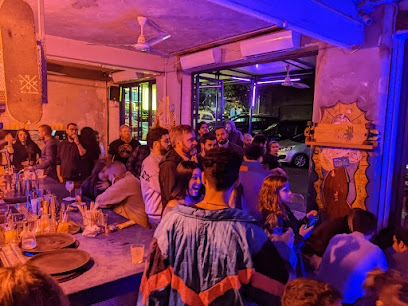
Flav
1.3 km
Experience the vibrant nightlife of Beirut at Flav, where innovative cocktails and a lively atmosphere create unforgettable moments.
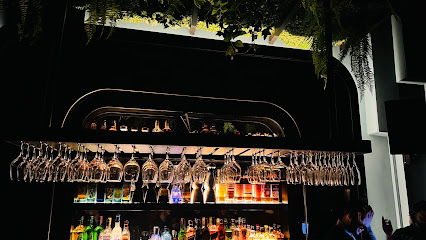
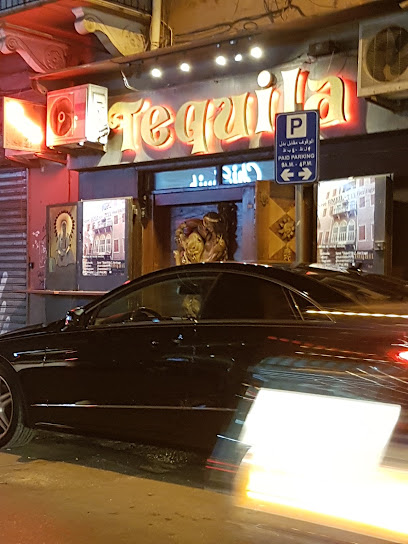
Tequila
1.4 km
Discover the vibrant nightlife of Beirut at Tequila, where cocktails, music, and good vibes come together for an unforgettable experience.
Nightclubs & after hour spots

Black Nightclub
0.2 km
Discover Beirut's vibrant nightlife at Black Nightclub, a premier destination for unforgettable dance parties and electrifying music.
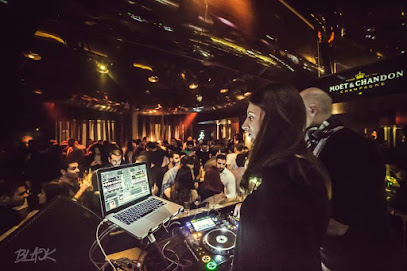
Clique Beirut
0.2 km
Discover the heart of Beirut's nightlife at Clique, where electrifying music, stylish ambiance, and unforgettable memories await.
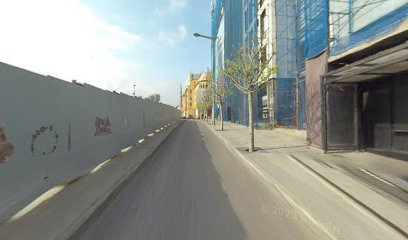
Red Square
0.5 km
Discover the pulse of Beirut's nightlife at Red Square, a premier night club offering electrifying music, vibrant atmosphere, and unforgettable experiences.
MusicHall Starco
0.6 km
Discover the heartbeat of Beirut's nightlife at MusicHall Starco, where every night is a celebration of music and dance.
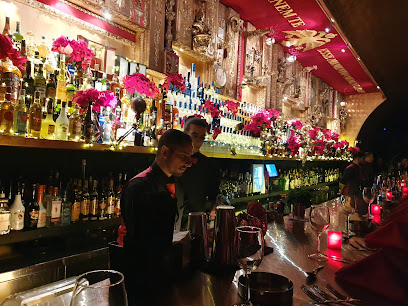
Yukunkun
0.7 km
Discover the energetic nightlife of Beirut at Yukunkun, a premier night club in the heart of Gemayze, perfect for dancing and socializing.
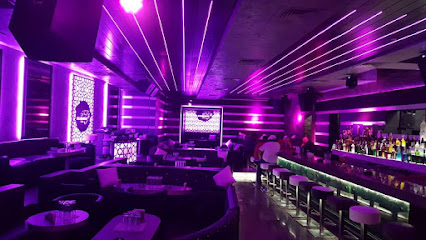
Diamond Club
0.9 km
Discover the best of Beirut's nightlife at Diamond Club, where music, dancing, and culture unite for an unforgettable experience.
CLAN
0.9 km
Discover the exhilarating nightlife of Beirut at CLAN, where vibrant energy meets exquisite cocktails in a stylish atmosphere.
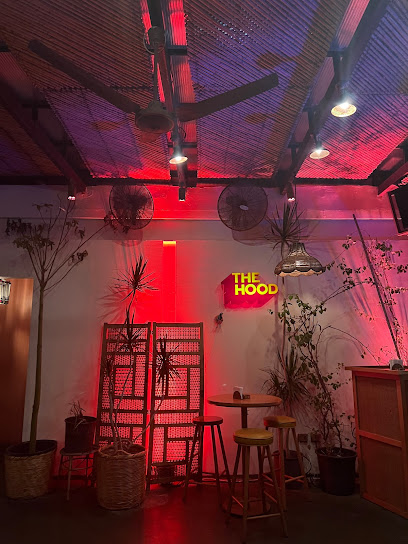
Soul Kitchen
0.9 km
Experience the vibrant nightlife at Soul Kitchen, Beirut's premier disco club, where music and energy come alive in a stunning waterfront setting.
KOAST at Harbor Waterfront
0.9 km
Experience the vibrant nightlife at KOAST, Beirut's premier disco club with stunning waterfront views and electrifying music.
AHM
1.0 km
Experience the exhilarating nightlife of Beirut at AHM, where the music never stops and the party is just beginning.
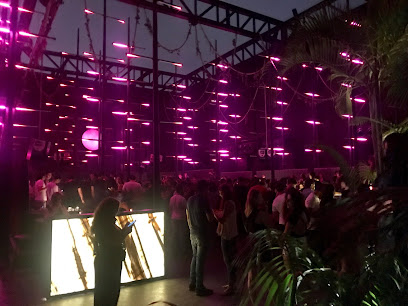
Taiga Beirut
1.1 km
Discover the heart of Beirut's nightlife at Taiga, where vibrant music, stylish ambiance, and unforgettable memories await you.
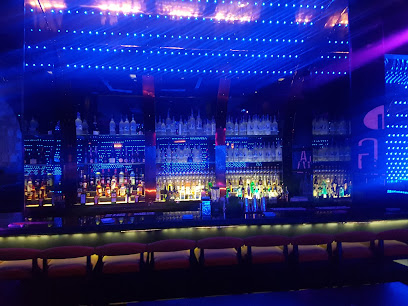
Loge Club
1.1 km
Discover the pulse of Beirut at Loge Club, a premier nightlife destination offering electrifying music, exquisite cocktails, and an unforgettable party atmosphere.
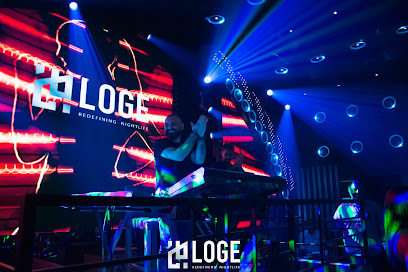
Bar Nouveau
1.1 km
Immerse yourself in the lively atmosphere of Bar Nouveau, Beirut's top night club, where music and exquisite drinks meet unforgettable experiences.
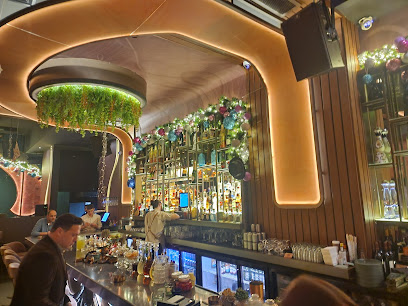
Volume Beirut
1.1 km
Discover the electrifying nightlife at Volume Beirut, where music, dance, and vibrant energy come together for an unforgettable experience.
Cassino Club
1.3 km
Experience the vibrant nightlife at Cassino Club, Beirut's premier destination for dancing and music in a stylish setting.