

Free Zahle Travel Guide & Mobile App
Plan your Zahle trip with Evendo. Get free guides to top attractions, restaurants, hotels, and bars. Web access or download the mobile app.


Zahle, Lebanon's Bekaa Valley city, blends Ottoman-era streets, Christian heritage, Berdawni riverside dining, local wine, mountain views and warm local culture.
A City Above the Bekaa
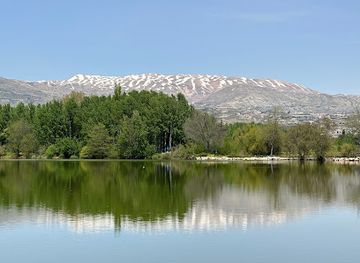
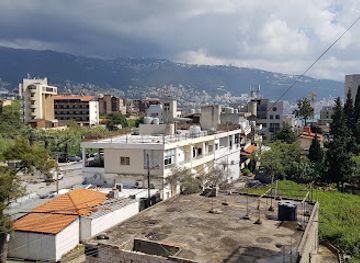
Zahle lies on the eastern foothills of Mount Lebanon, where the Berdawni River descends towards the fertile Bekaa Valley. Known locally as the ‘Bride of the Bekaa’, the city has a distinctive character shaped by mountain air, Christian traditions, agricultural wealth and a long association with food, wine and arak. Its hillside setting gives Zahle broad views across the plain, while the wooded ravine of the Berdawni provides a cooler, more intimate counterpoint to the open valley.Read more about Zahle
Streets, Churches and Local Life
Gateway to the Bekaa
When is the best time to visit Zahle?
Best: April–May, October · 25–30°C| Month | High (°C) | Rainfall (mm) |
|---|---|---|
| January | 15 | 100 |
| February | 16 | 90 |
| March | 19 | 80 |
| April (best) | 25 | 70 |
| May (best) | 30 | 40 |
| June | 35 | 20 |
| July | 38 | 5 |
| August | 38 | 5 |
| September | 35 | 20 |
| October (best) | 30 | 40 |
| November | 22 | 70 |
| December | 17 | 90 |
Getting to and around Zahle
How to get there
Transportation
Best attractions in Zahle
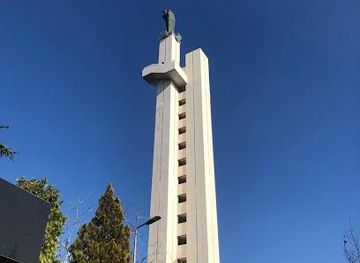
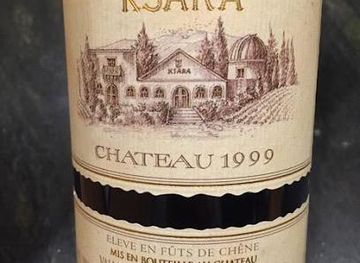
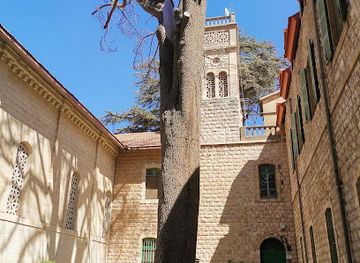
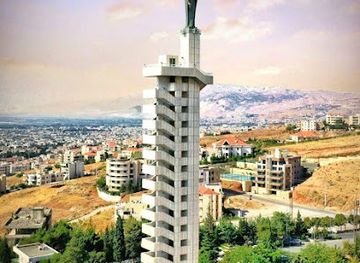
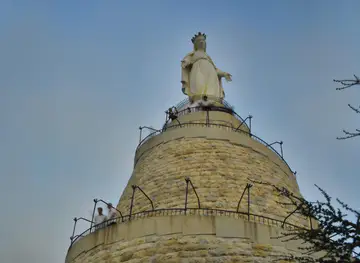
Zahle’s attractions are closely tied to its hillside setting, religious heritage and the Berdawni River. The Our Lady of Zahle and Bekaa statue and lookout, reached above the city, provides one of the clearest perspectives over Zahle and the broad agricultural plain beyond. In the centre, the Cathedral of Our Lady of Deliverance and the Church of Saint Elias reveal the importance of the city’s Greek Catholic community, while older streets and commercial quarters offer glimpses of Zahle’s nineteenth-century urban life. The Berdawni valley is the city’s most sociable landscape, lined in places with restaurants and shaded by trees, with the stream forming a natural thread through the settlement. Visitors interested in Lebanon’s agricultural traditions can use Zahle as a starting point for the Bekaa’s vineyards and arak producers, including the nearby Château Ksara estate, though such properties lie outside the city itself. The surrounding hills and valley also make the area appealing for scenic drives and countryside excursions.
-
Church
Lady Of Zahle
Visit Our Lady of Zahlé for panoramic views of the Bekaa Valley, a serene chapel, and a towering statue of the Virgin Mary.
8 min walk · 0.6 km from city centre
-
Winery
Chateau Ksara
Discover Lebanon's winemaking heritage at Château Ksara, the country's oldest winery with Roman caves and award-winning wines.
7 min drive · 2.4 km from city centre
-
State park
Domaine de Taanayel
Escape to Domaine de Taanayel: Discover nature, enjoy eco-activities, and savor local flavors in Lebanon's beautiful Bekaa Valley.
18 min drive · 6.1 km from city centre
-
National park
Park Joseph Tohme Skaff
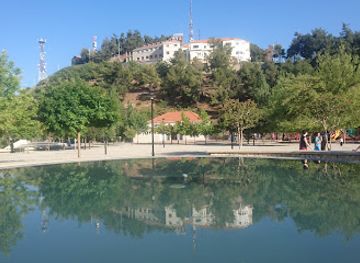
Escape to Zahlé's beautiful national park for serene nature walks, family picnics, and stunning views.
6 min walk · 0.5 km from city centre
Best landmarks in Zahle
The most recognisable landmark in Zahle is the Our Lady of Zahle and Bekaa complex, whose tall statue stands on a hill above the city and has become a visual symbol of the town and its Christian heritage. The Cathedral of Our Lady of Deliverance, associated with Zahle’s Melkite Greek Catholic community, is an important religious building in the urban centre, while the Church of Saint Elias reflects the same longstanding ecclesiastical tradition. The Berdawni River is not a monument in the conventional sense, but its ravine has shaped Zahle’s layout, reputation and social life for generations. Stone houses, older commercial lanes and churches around the centre provide architectural evidence of the city’s nineteenth-century rebuilding and subsequent growth. Together these landmarks connect Zahle’s religious identity with its geography, commercial history and role as the principal urban centre of the central Bekaa.
-
Lebanese
Berdawny - Restaurant
Experience authentic Lebanese cuisine at Berdawny, a top-rated restaurant in Zahlé offering a warm atmosphere and exquisite traditional dishes.
14 min walk · 1.2 km from city centre
-
Church
Deir Taanayel - ND de la Consolation
Discover the serene beauty and spiritual charm of Deir Taanayel, a hidden gem retreat center and church in the heart of Lebanon's lush landscapes.
18 min drive · 6.1 km from city centre
-
Church
Lady Of Zahle
Discover the breathtaking beauty and spiritual essence of the Lady of Zahle, a stunning church and cultural landmark in Lebanon's Beqaa Valley.
8 min walk · 0.6 km from city centre
-
 Hotel
HotelGrand Kadri Hotel By Cristal Lebanon
Experience unparalleled luxury and comfort at the Grand Kadri Hotel in Zahlé, a perfect retreat for travelers exploring Lebanon's beauty.
10 min walk · 0.8 km from city centre
Explore Zahle on the map
Plan your Zahle trip on one map. See where the top attractions, landmarks, restaurants, bars and hotels are, find what's near where you're staying, and book hotels and experiences in a few clicks.
Best hotels in Zahle
Best restaurants in Zahle
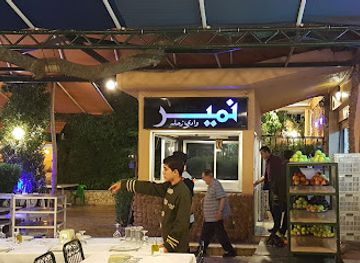
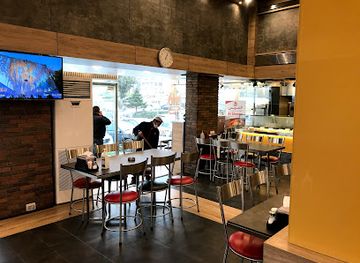
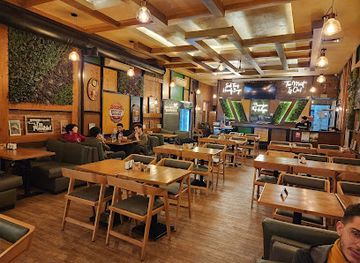
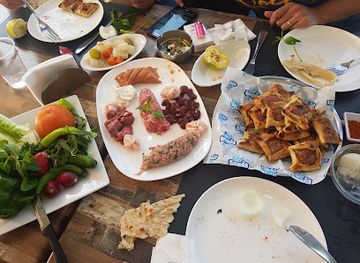
Zahle’s dining identity is inseparable from the Berdawni River, whose valley became associated with Lebanese restaurants serving family groups and visitors from across the country. Menus commonly centre on mezze such as hummus, tabbouleh, kibbeh, stuffed vine leaves and grilled meats, followed by seasonal fruit and sweet dishes. The Bekaa’s farms supply vegetables, dairy products and grapes, while the area’s vineyards and distilleries support a long-standing culture of wine and arak, the anise-flavoured spirit traditionally diluted with water. Alongside riverside establishments, cafés and modest eateries in the city serve familiar Lebanese breakfasts, pastries and coffee. Dining is generally social and leisurely, with shared plates forming the centre of the meal rather than a succession of individual courses. Local specialities and restaurant styles can vary between family businesses, so asking residents about current favourites is often more useful than relying on a fixed list.
-
Lebanese
Berdawny - Restaurant
Experience authentic Lebanese cuisine at Berdawny in Zahlé - where tradition meets flavor in a cozy setting.
14 min walk · 1.2 km from city centre
-
Lebanese
Al Shams Chicken and Sandwiches
Discover authentic Lebanese fast food at Al Shams Chicken and Sandwiches in Zahlé—where flavor meets tradition in every bite.
6 min drive · 1.9 km from city centre
-
Restaurant
Z Burger House
Discover Z Burger House in Zahlé: Where American flavors meet Lebanese hospitality for an unforgettable dining experience.
14 min walk · 1.1 km from city centre
-
Restaurant
Lakkis Farm - Zahleh
Discover authentic Lebanese flavors at Lakkis Farm in Zahleh - where fresh ingredients meet stunning scenery.
6 min drive · 1.9 km from city centre
Best bars in Zahle
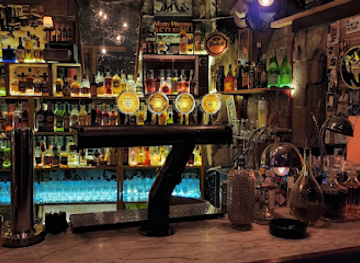
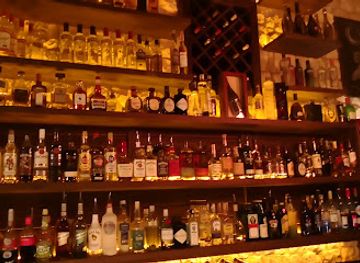
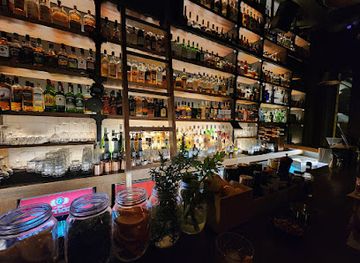
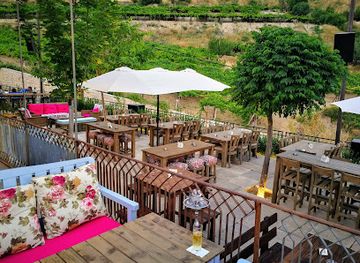
Zahle’s evening life is more strongly associated with restaurants, cafés and family gatherings than with large nightclubs. The Berdawni district becomes a popular setting for long dinners, Lebanese music and conversation, particularly during the warmer months, while cafés in the centre offer coffee, tea and informal socialising. Wine and arak are part of the Bekaa’s cultural identity, and some restaurants or specialist venues may serve locally produced bottles, although the selection and opening arrangements vary. In the wider region, seasonal events, live music and celebrations can add energy to summer evenings, but Zahle should not be presented as a major clubbing destination. Visitors should dress and behave with sensitivity to the venue and neighbourhood, and arrange reliable transport when returning from hillside or riverside areas after dark.
-
Bar
Brut Bar
Experience the vibrant atmosphere and exquisite flavors at Brut Bar, a top destination for craft beer and local wines in Lebanon.
17 min walk · 1.4 km from city centre
-
Pub
Castle Black
Discover the vibrant nightlife at Castle Black in Zahlé, where great drinks and a lively atmosphere create unforgettable experiences.
6 min walk · 0.5 km from city centre
-
Bar
Chapter II
Experience the vibrant nightlife of Wadi El Aarayech at Chapter II, a lively bar offering exquisite drinks and a welcoming atmosphere.
14 min walk · 1.1 km from city centre
-
Bar
Pravda Valley Zahle
Experience the lively nightlife at Pravda Valley Zahle, a premier bar known for its exquisite cocktails, live music, and vibrant atmosphere.
7 min drive · 2.2 km from city centre
Best nightclubs in Zahle
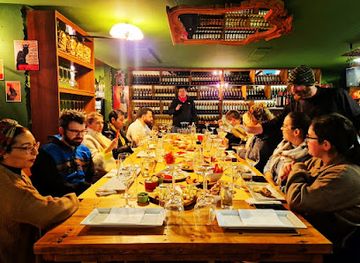
Zahle’s evening life is more strongly associated with restaurants, cafés and family gatherings than with large nightclubs. The Berdawni district becomes a popular setting for long dinners, Lebanese music and conversation, particularly during the warmer months, while cafés in the centre offer coffee, tea and informal socialising. Wine and arak are part of the Bekaa’s cultural identity, and some restaurants or specialist venues may serve locally produced bottles, although the selection and opening arrangements vary. In the wider region, seasonal events, live music and celebrations can add energy to summer evenings, but Zahle should not be presented as a major clubbing destination. Visitors should dress and behave with sensitivity to the venue and neighbourhood, and arrange reliable transport when returning from hillside or riverside areas after dark.
-
Liquor store
Club Social
Experience the best of Lebanese wines in a vibrant atmosphere at Club Social in Zahlé, a must-visit for every wine lover.
17 min walk · 1.4 km from city centre
-
Karaoke bar
New Beaver
Discover the ultimate karaoke experience at New Beaver in Lebanon, where laughter, music, and friendships come alive in a vibrant atmosphere.
5 min drive · 1.7 km from city centre
-
Club
54 Revolution
Experience the vibrant nightlife at 54 Revolution in Zahlé, where music, dance, and unforgettable moments come together.
5 min walk · 0.4 km from city centre
-
Disco club
Phantom Zahleh
Explore the electrifying nightlife at Phantom Zahleh, a premier disco club in Zahlé, where music, dancing, and unforgettable memories await.
5 min drive · 1.7 km from city centre


Best shops in Zahle
Shopping in Zahle is centred on everyday Lebanese commerce rather than a large luxury retail district. The central streets contain small shops, bakeries, cafés and businesses serving local residents, while traditional commercial areas are useful for observing the city’s practical, sociable rhythm. Visitors may look for Bekaa wine, arak, olive oil, preserves, honey, dried produce and Lebanese sweets, although quality, labelling and transport requirements should be considered before buying bottles or food for international travel. Lebanese pastries and seasonal agricultural products make more distinctive gifts than generic souvenirs, and specialist producers around the Bekaa may offer tastings or direct sales outside the city. Zahle’s craft and retail scene is modest, so shopping is best approached as a way to encounter local food culture and family-run businesses rather than as a dedicated department-store experience.
-
Shopping mall
Wonderland online butik
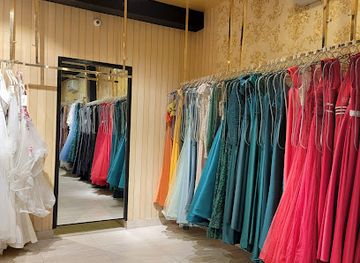
Discover the charm of Wonderland Online Butik in Zahlé, where fashion meets local craftsmanship in a vibrant shopping experience.
9 min walk · 0.7 km from city centre
-
Antique store
Antique Boulevard
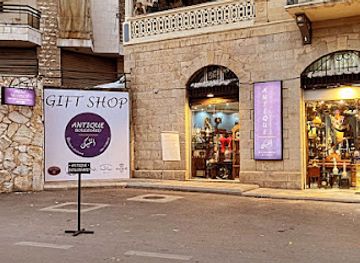
Uncover unique vintage finds and immerse yourself in the rich history at Antique Boulevard in Zahlé, Lebanon.
8 min walk · 0.7 km from city centre
-
Clothing store
John Jacob Boutique
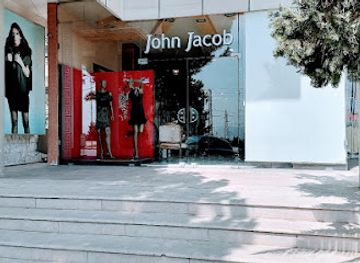
Explore the elegance of Lebanese fashion at John Jacob Boutique in Zahle, offering a unique blend of modern styles and traditional craftsmanship.
6 min drive · 1.8 km from city centre
-
Shopping mall
Akiki's Shop
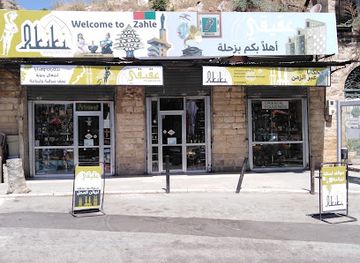
Discover unique Lebanese crafts and souvenirs at Akiki's Shop in Zahlé, where culture meets creativity in every purchase.
14 min walk · 1.2 km from city centre
Get your free copy of our complete guide to Zahle, delivered straight to you.
Everything on this page, from attractions and restaurants to essentials and local phrases, in one PDF you can read offline, print or share.
Already have an account? Sign in
Your Zahle guide is ready.
We'll send it to · Not you? Sign out

Getting your guide ready…
We are putting together a fresh copy of the Zahle guide. This can take up to a minute.
This can take a few moments. If your browser asks, choose Allow so the download can start. You'll find the guide in your Downloads folder.
Nothing happened? Download it again
Sorry, the guide is taking longer than usual. Please try again in a minute, or get it by email instead.
Zahle essentials
Currency and Payment
Safety
Emergency Situations
Do's and Don'ts
Local Tips
From Eve
Local phrases worth knowing
You don't need to get them perfect. A few words go a long way, and locals appreciate the effort.
Basics
| English | Local | Say it |
|---|---|---|
| Hello | مرحبا | [marhaba] |
| Goodbye | وداعا | [wada'an] |
| Yes | نعم | [na'am] |
| No | لا | [la] |
| Please/You're welcome | من فضلك | [min fadlik] |
| Thank you | شكرا | [shukran] |
| Excuse me/Sorry | عذرا | ['udhran] |
| How are you? | كيف حالك؟ | [kayfa halak?] |
| Fine. And you? | بخير. وأنت؟ | [bikhayr. wa'ant?] |
| Do you speak English? | هل تتكلم الإنجليزية؟ | [hal tatakallam al'injlizia?] |
| I don't understand | أنا لا أفهم | [ana la afham] |
Eating & Drinking
| English | Local | Say it |
|---|---|---|
| I'd like to see the menu, please | أريد أن أرى القائمة، من فضلك | [uridu an ara alqaimah, min fadlik] |
| I don't eat meat | أنا لا آكل اللحم | [ana la aakul allahm] |
| Cheers! | صحتين! | [sahatayn] |
| I would like to pay, please | أريد أن أدفع، من فضلك | [uridu an adfa', min fadlik] |
Emergencies
| English | Local | Say it |
|---|---|---|
| Help! | النجدة! | [annajdah!] |
| Go away! | انصرف! | [ansarif!] |
| Call the Police! | اتصل بالشرطة! | [iatisal bialsurata!] |
| Call a doctor! | اتصل بطبيب! | [iatisal bitalib!] |
| I'm lost | لقد ضللت | [laqad dalalt] |
| I'm ill | أنا مريض | [ana mareed] |
Shopping
| English | Local | Say it |
|---|---|---|
| I'd like to buy... | أريد أن أشتري... | [uridu an ashtari...] |
| I'm just looking | أنا فقط أتطلع | [ana faqat atatl'a] |
| How much is it? | كم سعره؟ | [kam si'rh?] |
| That's too expensive | هذا غالي جدا | [hadha ghali jiddan] |
| Can you lower the price? | هل يمكنك خفض السعر؟ | [hal yumkinuka khafd alsiear?] |
Time & Numbers
| English | Local | Say it |
|---|---|---|
| What time is it? | كم الساعة؟ | [kam alsaa'ah?] |
| It's one o'clock | الساعة الواحدة | [alsaa'ah alwahidah] |
| Half past (10) | الساعة العاشرة والنصف | [alsaa'ah al'ashirah walnusf] |
| Morning | الصباح | [alsabah] |
| Afternoon | الظهر | [aldhuhr] |
| Evening | المساء | [almasa'] |
| Yesterday | أمس | [ams] |
| Today | اليوم | [alyawm] |
| Tomorrow | غدا | [ghadan] |
| 1 | واحد | [wahid] |
| 2 | اثنان | [ithnan] |
| 3 | ثلاثة | [thalatha] |
| 4 | أربعة | [arba'a] |
| 5 | خمسة | [khamsa] |
| 6 | ستة | [sitta] |
| 7 | سبعة | [sab'a] |
| 8 | ثمانية | [thamania] |
| 9 | تسعة | [tasia] |
| 10 | عشرة | [asharah] |
Transport & Directions
| English | Local | Say it |
|---|---|---|
| Where's a/the...? | أين ...؟ | [ayn ...?] |
| What's the address? | ما هو العنوان؟ | [ma hu al'ainwan?] |
| Can you show me (on the map)? | هل يمكنك أن تريني (على الخريطة)؟ | [hal yumkinuka an tareeni (ala alkhareeta)?] |
| When's the next (bus)? | متى يأتي الحافلة القادمة؟ | [mata ya'ti alhafilat alqadimah?] |
| A ticket (to ....) | تذكرة (إلى...) | [tazkirat (ila...)] |
History of Zahle
Origins on the Bekaa Slopes
The modern settlement of Zahle developed on the western edge of the Bekaa Valley during the seventeenth century, when families from nearby parts of Mount Lebanon and the northern Bekaa established homes and cultivated the surrounding land. Its position beside the Berdawni gave the growing community access to water, while routes across the valley connected it with mountain villages and inland markets. Zahle expanded as a predominantly Christian settlement with a strong commercial and agricultural role. The city’s early development was therefore shaped less by a single ancient foundation than by migration, farming, trade and the consolidation of neighbourhoods around the river and hillside.
Ottoman Rule and Commercial Growth
Under the Ottoman Empire, Zahle became an important local centre between Mount Lebanon and the Bekaa. Its merchants traded agricultural produce, livestock and manufactured goods, while the city’s position on routes linking Beirut, Damascus and the interior supported the growth of markets and services. Local Christian institutions, churches and community organisations became increasingly prominent during the nineteenth century. Zahle’s urban life also reflected the wider transformations of Ottoman Lebanon, including expanding commerce, new forms of administration and changing relations between religious communities. The older commercial quarters and religious buildings that survive in and around the centre are reminders of this period of consolidation.
The Crisis of 1860
Zahle was deeply affected by the sectarian violence that spread through Mount Lebanon and Damascus in 1860. Fighting between Christian and Druze communities in the wider region created fear and displacement, and Zahle was attacked and largely burned during the crisis. The destruction caused extensive loss of homes and property, but the city was rebuilt by its inhabitants and retained its role as a major Christian centre in the Bekaa. The events also encouraged migration and strengthened communal institutions, leaving a lasting mark on Zahle’s historical memory. Later churches, homes and civic buildings belong to a landscape shaped partly by this process of reconstruction.
Mandate and Modern Lebanon
After the First World War, the dissolution of Ottoman rule placed Zahle within the French Mandate for Lebanon. The city continued to serve as a commercial and administrative centre for the Bekaa, linking agricultural communities with Beirut and Damascus. Roads and modern state institutions altered patterns of movement, while schools, churches, newspapers and political organisations contributed to a more public urban culture. When Greater Lebanon became independent in 1943, Zahle remained one of the country’s principal inland cities. Its economic life continued to depend on farming, trade, small industry and the food and drink traditions associated with the Bekaa.
Conflict and Contemporary Identity
Lebanon’s civil war and the regional conflicts that followed affected Zahle through displacement, insecurity and disruption of trade. In 1981, the city became the centre of a major confrontation between Lebanese Christian forces and Syrian troops during the wider Lebanese conflict; the siege and fighting remain significant in local memory. Since the end of the civil war, Zahle has balanced the pressures of economic uncertainty and national instability with a strong cultural identity. Its religious institutions, riverside restaurants, vineyards, family networks and role as a gateway to the Bekaa continue to define the city’s public character.
Travel experiences inspired by this city
-
 14 Day Trip
Kadisha Valley Family Adventure: 14 Days of Trails, Monasteries, and Cedar Forests
Family escape to Lebanon’s Kadisha Valley with hikes, ancient monasteries, the Cedars of God, local flavors, and restful mountain nights at Le Tournant.
14 Day Trip
Kadisha Valley Family Adventure: 14 Days of Trails, Monasteries, and Cedar Forests
Family escape to Lebanon’s Kadisha Valley with hikes, ancient monasteries, the Cedars of God, local flavors, and restful mountain nights at Le Tournant.
 20 Jul 2026
By Fatima El Khoury -
 13 Day Trip
Solo Journey Through Lebanon's Bsharri District
Explore the rich culture and stunning landscapes of Lebanon's Bsharri District on a solo adventure, embracing history, nature, and authentic local experiences.
13 Day Trip
Solo Journey Through Lebanon's Bsharri District
Explore the rich culture and stunning landscapes of Lebanon's Bsharri District on a solo adventure, embracing history, nature, and authentic local experiences.
 10 Sep 2025
By Fatima Darwish
Swipe for more travel diaries
Zahle in Photos
Browse through our photo collection highlighting the charm and character of the destination.
Cities near Zahle
The closest cities to Zahle, if you have time for more than one stop.
-

-

-

-
-


Swipe for more cities
Explore more

Explore more of Lebanon
Discover Lebanon: A land of ancient history, vibrant culture, stunning landscapes, and delicious cuisine, nestled on the Mediterranean coast.
Explore Lebanon