Explore the Timeless Majesty of Byblos Citadel
Discover the breathtaking Byblos Citadel, a historic fortress revealing the rich tapestry of Lebanon's past amidst stunning Mediterranean views.
Nestled in the historic city of Byblos, the Byblos Citadel stands as a testament to the region's rich heritage. This ancient fortress offers stunning views, archaeological wonders, and a glimpse into the past, making it a must-visit for travelers seeking to experience Lebanon's history and culture.
A brief summary to Byblos Citadel
- 4J9W+WHP, Byblos, LB
- Click to display
- Monday 8 am-4 pm
- Tuesday 8 am-4 pm
- Wednesday 8 am-4 pm
- Thursday 8 am-4 pm
- Friday 8 am-4 pm
- Saturday 8 am-4 pm
- Sunday 8 am-4 pm

Know before you go
Hi, I'm Eve. Here are a few practical things to know before exploring Byblos Citadel.
- Wear comfortable shoes as you will be walking on uneven surfaces.
- Visit early in the morning or late afternoon to avoid crowds and enjoy cooler temperatures.
- Bring a camera to capture the stunning views and ancient architecture.
- Don't forget to explore the nearby old town for local crafts and delicious food.
Do you manage this location?
Take control to get all the benefits, like improved information, better appearance, and stronger visibility across AI-powered discovery. Learn more
Activate your presence

Getting There
-
Bus
To reach Byblos Citadel from Beirut, take the bus from the Charles Helou Bus Station. Look for buses heading to Byblos (Jbeil), which is clearly marked. The journey takes approximately 1 to 1.5 hours depending on traffic. Once you arrive in Byblos, exit the bus station and head towards the old town. The Byblos Citadel is a short 10-minute walk from the bus station. Follow the signs to the Citadel, walking along the waterfront for scenic views.
-
Taxi
If you prefer a more direct route, take a taxi from your location in Beirut to Byblos Citadel. Simply tell the driver 'Byblos Citadel' or show them the address '4J9W+WHP, Byblos'. The trip will take about 40 minutes depending on traffic. Ensure to negotiate the fare before starting your journey or use a ride-hailing app if available.
-
Shared Van
Another option is to take a shared van (service) from the Achrafieh area or Hamra. Look for vans heading to Byblos. They usually leave when full, so you may have to wait a bit. The fare is usually cheaper than a taxi, and the ride takes about an hour. Once dropped off in Byblos, it’s a short 10-minute walk to the Citadel along the main street.
Discover more about Byblos Citadel
Explore the best of what Byblos Citadel has to offer













More about Jbeil
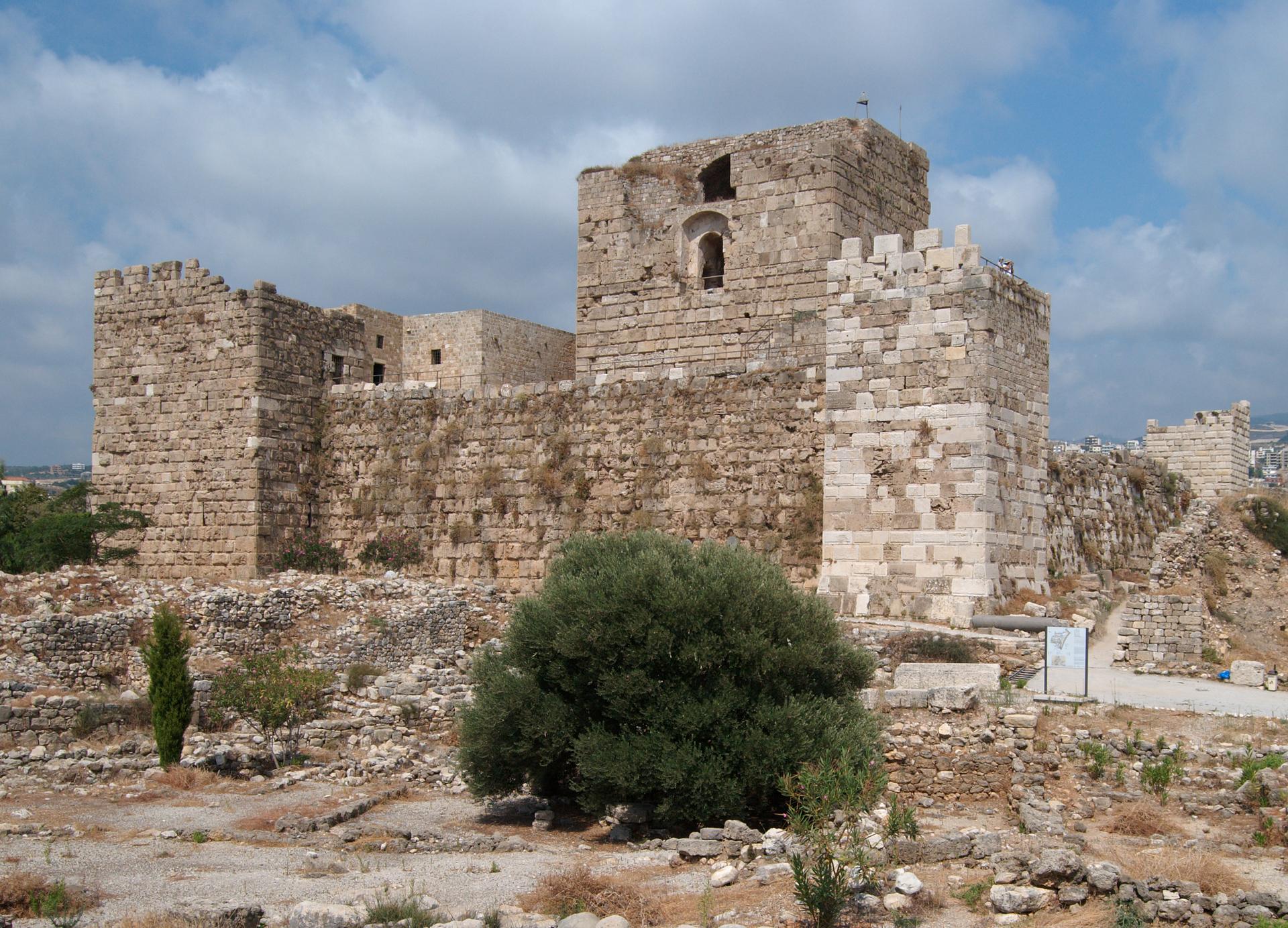
Explore Jbeil, Lebanon's ancient city where history meets modern charm, featuring archaeological wonders, vibrant souks, stunning Mediterranean views, and beautiful beaches.
Tell me more about Jbeil
Explore the tranquil Psosl Garden in Byblos, a lush haven that blends nature's beauty with the rich history of one of the world's oldest cities.
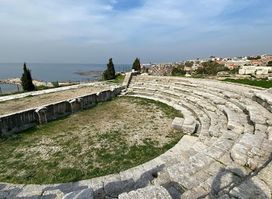
Experience the grandeur of the Teatre Romà in Byblos, an ancient Roman theater that encapsulates the rich history and culture of Lebanon.