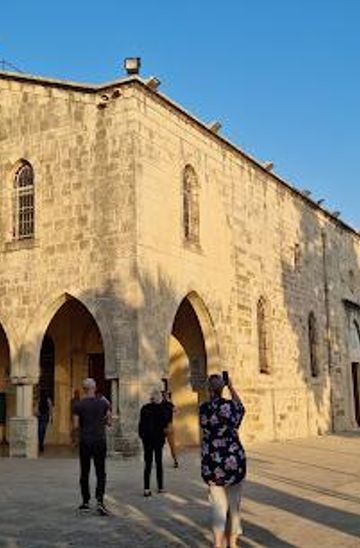
Deir El Qamar: A Journey Through Time in Lebanon
Explore the enchanting village of Deir El Qamar in Lebanon, where history, culture, and breathtaking scenery come together for an unforgettable experience.
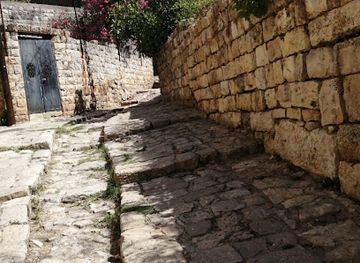
Deir El Qamar, a picturesque village in Lebanon, invites tourists to explore its rich history, stunning architecture, and breathtaking views. Known for its charming streets and vibrant culture, this destination promises an unforgettable experience for every visitor.
A brief summary to Deir El Qamar
- Deir El Qamar, LB

Know before you go
Hi, I'm Eve. Here are a few practical things to know before exploring Deir El Qamar.
- Visit early in the morning or late in the afternoon for the best lighting for photographs.
- Take a guided walking tour to fully appreciate the history and architecture.
- Try the local sweets and pastries at a nearby café for a true taste of Lebanese culture.
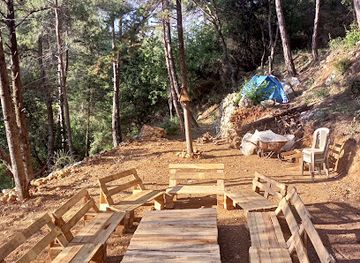
- Explore the nearby hiking trails for stunning views of the mountains and valleys.
- Check local event calendars for festivals and cultural events for an immersive experience.
Do you manage this location?
Take control to get all the benefits, like improved information, better appearance, and stronger visibility across AI-powered discovery. Learn more
Activate your presence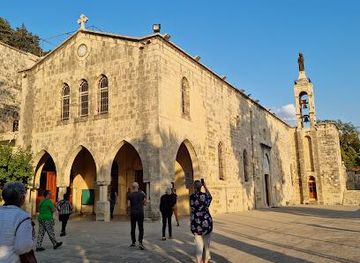
Getting There
-
Bus
From Beirut, head to the Cola bus station (you can take a taxi or walk if you're nearby). From Cola, find the buses heading to 'Deir El Qamar' or 'Chouf'. Once on the bus, it will take you directly to Deir El Qamar. The journey takes about 45 minutes to an hour depending on traffic. Make sure to ask the driver to let you know when you reach Deir El Qamar.
-
Taxi
If you prefer a more direct and comfortable option, you can take a taxi from anywhere in Beirut. Just tell the driver 'Deir El Qamar' and they will know the destination. The trip will take approximately 30-40 minutes, depending on traffic conditions.
-
Shared Services
Look for shared services or 'Service' taxis that operate from various points in Beirut, usually near major shopping areas or markets. These taxis are cheaper and will take multiple passengers. You can ask the driver if they are going to Deir El Qamar. Once you find one, hop in, and enjoy the ride which usually takes about 45 minutes.
Discover more about Deir El Qamar
Explore the best of what Deir El Qamar has to offer













More about Chouf
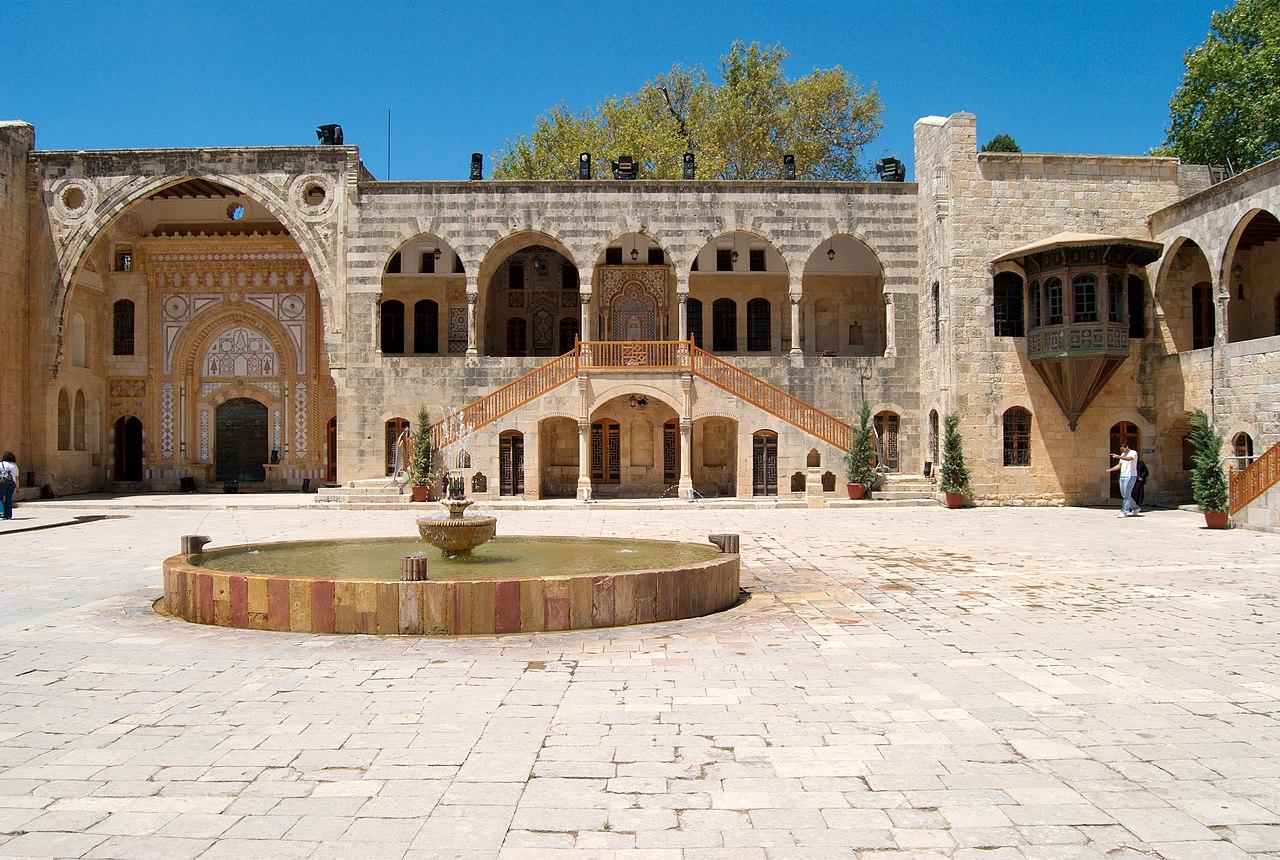
Discover Chouf in Lebanon: A serene escape with lush cedar forests, historic palaces, and charming villages offering a blend of nature, culture, and history.
Tell me more about Chouf
Explore the Public Garden and Park of Al Bayder Area in Baakleen – a serene escape into nature with lush greenery and tranquil pathways.
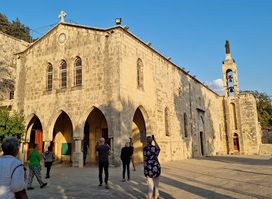
Experience the rich history and stunning architecture of Deir El Qamar, a charming village in Lebanon's breathtaking mountains.