

Free Chouf Travel Guide & Mobile App
Explore Chouf with free travel guides. Discover regional history, expert tips, proposed trips, and audio guides on web or mobile app.


Explore Chouf’s cedar reserves, Ottoman palaces, historic villages and mountain cuisine across Lebanon’s scenic Mount Lebanon highlands.
Read more about Chouf
When is the best time to visit Chouf?
Best: May–June, October · 26–30°C| Month | High (°C) | Rainfall (mm) |
|---|---|---|
| January | 14 | 150 |
| February | 15 | 130 |
| March | 18 | 110 |
| April | 22 | 70 |
| May (best) | 26 | 40 |
| June (best) | 30 | 10 |
| July | 32 | 0 |
| August | 32 | 10 |
| September | 30 | 30 |
| October (best) | 26 | 60 |
| November | 21 | 90 |
| December | 16 | 130 |
Getting to and around Chouf
How to get there
Transportation
Top city travel guides in Chouf
The cities of Chouf, and the easiest places to base yourself.
-

-

-


Swipe for more cities
Destinations in Chouf
Resorts, valleys and scenic spots worth a trip of their own.
-

-
-

-


Swipe for more destinations
Best attractions in Chouf
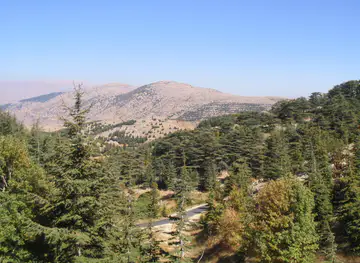
The Chouf’s attractions fall into three closely linked groups: heritage towns, historical residences and protected mountain landscapes. Beiteddine Palace is the region’s major cultural focus, with ceremonial courtyards, decorated interiors and collections that explain the political history of nineteenth-century Mount Lebanon. Deir el Qamar offers a more intimate encounter with historic architecture, including churches, mosques, old houses and public buildings gathered around a walkable centre. The Moussa Castle near Beiteddine provides a more modern, privately created interpretation of Lebanese history and craftsmanship, while the Mir Amin Palace reflects the area’s aristocratic architectural tradition. Above the villages, the Maasser Al Chouf Cedar Nature Reserve protects cedar, oak and juniper habitats along the Barouk range. Its trails are suited to walking, birdwatching and mountain scenery, with differing routes and seasonal conditions. Rural roads reveal terraced agriculture, orchards, springs and small communities rather than a single concentrated attraction zone. The Chouf is therefore best approached through several shorter visits: architecture and history in the lower settlements, followed by a separate nature excursion at higher elevation.
-
Castle
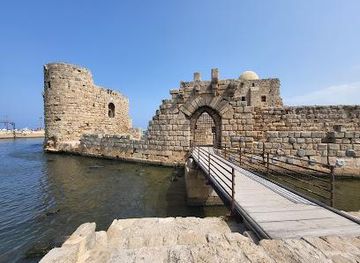
Sidon Sea Castle
Discover the historical grandeur of Sidon Sea Castle, a stunning fortress overlooking the Mediterranean, rich in history and breathtaking views.
-
Tourist attraction
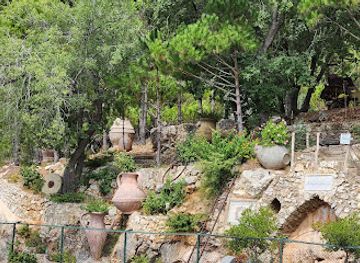
Moussa Castle
Discover Moussa Castle, a stunning architectural gem in Lebanon, where history and culture come alive amidst breathtaking views and rich traditions.
-
National forest
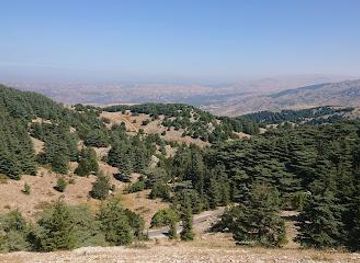
Shouf Biosphere Reserve Barouk Cedar Forest
Discover the enchanting Barouk Cedar Forest in the Shouf Biosphere Reserve, where nature and history intertwine in breathtaking landscapes.
-
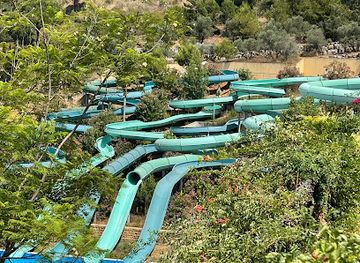
Water park
Waves Aqua Park
Experience a day of excitement at Waves Aqua Park, Lebanon’s ultimate water park destination with thrilling slides and relaxing pools.
Best landmarks in Chouf
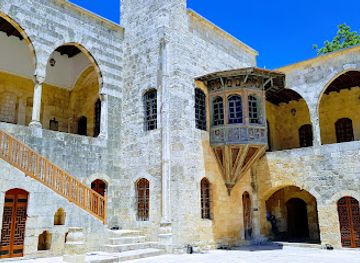
Beiteddine Palace is the Chouf’s most recognisable architectural landmark, its stone façades, arcaded courtyards, fountains and decorative interiors expressing the ambition of Emir Bashir Shihab II’s nineteenth-century court. In Deir el Qamar, the Church of Saidet et Tallé occupies a prominent historic setting, while the town’s Fakhreddine Mosque and other stone buildings demonstrate the coexistence of different religious institutions within a former political centre. The Kayssoun tower and other historic structures around Deir el Qamar are reminders of the town’s strategic and administrative importance, though visitors should follow local access arrangements. High above the settlements, the cedar forests of the Barouk range form a natural landmark with national symbolism as well as ecological value; the protected woodland at Maasser Al Chouf is the most accessible place to experience this landscape. The terraced slopes, village stone houses and ridge roads are less monumental but equally characteristic, showing how settlement and agriculture have adapted to the steep terrain of Mount Lebanon.
-
Tourist attraction
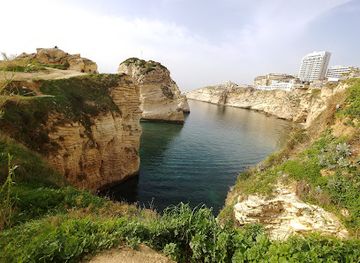
Al Raouche Rocks
Discover the breathtaking Al Raouche Rocks, a natural wonder in Beirut, blending stunning views, rich history, and vibrant coastal charm.
-
Historical landmark
Beiteddine Palace
Explore Beiteddine Palace, a stunning historical landmark in Lebanon showcasing exquisite Ottoman architecture and rich cultural heritage amidst picturesque landscapes.
-
Tourist attraction
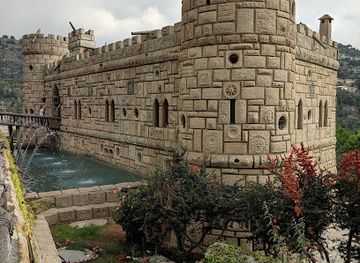
Moussa Castle
Explore the enchanting Moussa Castle in Lebanon, a historical gem showcasing breathtaking architecture and stunning views in a serene setting.
-
National forest
Shouf Biosphere Reserve Barouk Cedar Forest
Discover the enchanting Shouf Biosphere Reserve and Barouk Cedar Forest, home to ancient cedars and breathtaking natural beauty in Lebanon.
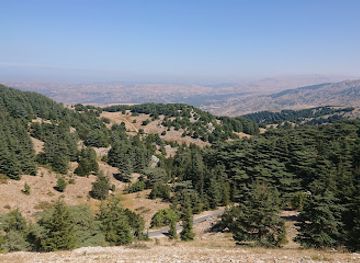
Explore Chouf on the map
Plan your trip on one map. See where the top cities, national parks and sights are, and book hotels and experiences in a few clicks.
Best hotels in Chouf
Best restaurants in Chouf
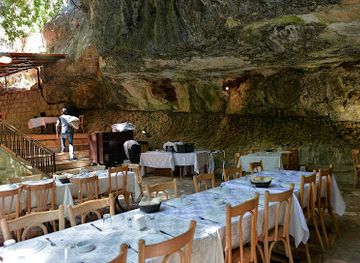
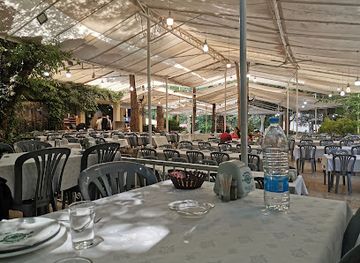
Chouf dining is rooted in the broader cuisine of Mount Lebanon, with village kitchens and mountain restaurants making use of seasonal vegetables, herbs, olives, grains, dairy and preserved foods. Mezze such as hummus, tabbouleh, labneh, stuffed vine leaves and various salads are common, alongside grilled meats, kibbeh, stews and freshly baked flatbreads. In rural areas, family-run restaurants and traditional inns often provide a more substantial meal than cafés, while Beiteddine and Deir el Qamar offer the widest choice for visitors. Local produce may include apples, cherries, grapes, honey, jams, pickles and olive oil, depending on the season and village. Lebanese coffee, tea and arak may accompany meals, although establishments differ in what they serve. Ask about ingredients and payment methods before ordering, particularly outside the principal heritage towns, and avoid assuming that a menu or opening arrangement is fixed year-round.
-
Restaurant
مطعم نبع مرشد - Nabeh Merched Restaurant
Experience authentic Lebanese cuisine with stunning views at Nabeh Merched Restaurant in Moukhtara, Shouf - a true culinary delight.
-
Seafood
Captain Seafood Restaurant
Experience fresh coastal cuisine at Captain Seafood Restaurant – where every meal is a celebration of flavor.
-
 Hotel
HotelDeir al Oumara
Experience authentic Lebanese hospitality at Deir al Oumara, where tradition meets comfort in the heart of Chouf.
-
Lebanese
El Yammine restaurant
Discover the heart of Lebanese cuisine at El Yammine restaurant in Nabaa El Safa - a must-visit for food lovers.

Best bars in Chouf
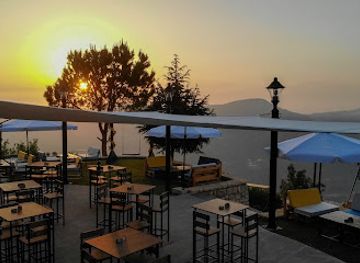
Nightlife in the Chouf is generally quiet and social rather than club-centred. Beiteddine and Deir el Qamar have cafés, restaurants and traditional-style venues where evenings are spent over Lebanese food, coffee or drinks, while village restaurants and guesthouses may stay open later during the summer and festival periods. The region’s historic inns and mountain dining rooms are more important to its evening culture than dedicated nightclubs. Some establishments serve Lebanese wine, arak or locally produced drinks, but availability varies and alcohol is not central to every community. After dark, roads between villages can be poorly lit and difficult to navigate, so arrange transport in advance rather than relying on a late informal connection. Visitors should also remember that the Chouf includes conservative communities and religious sites; discreet behaviour and respect for local surroundings are more appropriate than treating the area as a party destination.
-
Bar
SIGHT - Deir El Qamar
Experience vibrant nightlife at SIGHT in Deir El Qamar, Lebanon, where cocktails and live music create unforgettable moments.
-
Restaurant
Shallalat Al Zarka -شلالات الزرقا
Explore the stunning Shallalat Al Zarka waterfall in Baakleen, Lebanon, a serene escape into nature's beauty, perfect for relaxation and adventure.
-
Restaurant
Shallalat Al Barouk Hotel & Restaurant
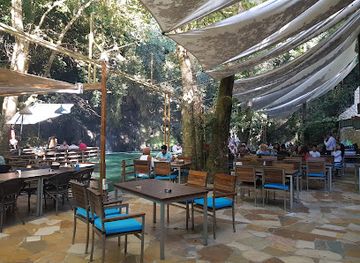
Discover the flavors of Lebanon in a breathtaking setting at Shallalat Al Barouk Hotel & Restaurant, a perfect blend of culinary excellence and serene nature.
-
Restaurant
Le Telegraphe de Belle Vue
Discover the exquisite flavors and breathtaking views at Le Telegraphe de Belle Vue, a top restaurant in Bhamdoun, Lebanon.
Best nightclubs in Chouf
Nightlife in the Chouf is generally quiet and social rather than club-centred. Beiteddine and Deir el Qamar have cafés, restaurants and traditional-style venues where evenings are spent over Lebanese food, coffee or drinks, while village restaurants and guesthouses may stay open later during the summer and festival periods. The region’s historic inns and mountain dining rooms are more important to its evening culture than dedicated nightclubs. Some establishments serve Lebanese wine, arak or locally produced drinks, but availability varies and alcohol is not central to every community. After dark, roads between villages can be poorly lit and difficult to navigate, so arrange transport in advance rather than relying on a late informal connection. Visitors should also remember that the Chouf includes conservative communities and religious sites; discreet behaviour and respect for local surroundings are more appropriate than treating the area as a party destination.
-
Night club
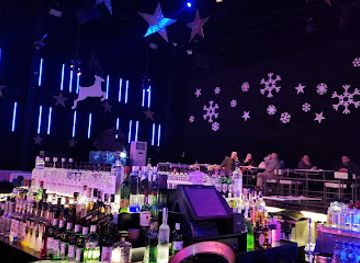
Mine Beirut
Discover the electrifying nightlife at Mine Beirut, where vibrant events and live music create unforgettable memories by the seaside.
-
Disco club
Kult
Experience the electrifying nightlife of Beirut at Kult, a premier disco club that promises unforgettable nights filled with music and dance.
-
Night club
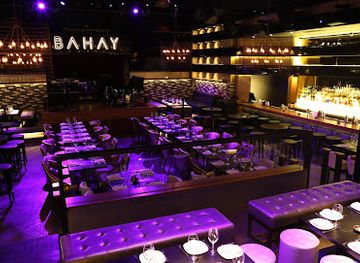
BAHAY
Discover the vibrant nightlife at BAHAY, a premier night club in Baouchriyeh featuring a captivating blend of modern and traditional Lebanese music.
-
Bar
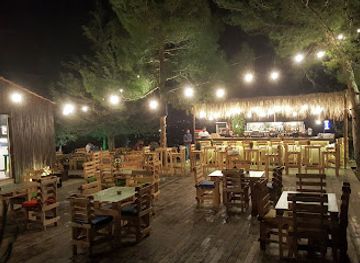
Campobar Baakline
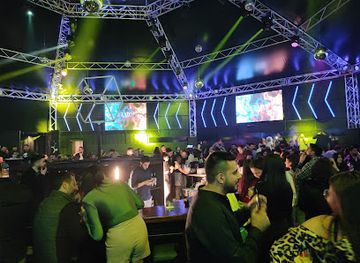
Discover the vibrant atmosphere and stunning riverside views at Campobar Baakline, where great food, live music, and unforgettable experiences await.
Best shops in Chouf
Shopping in the Chouf is strongest in village markets, small food shops and independent craft outlets rather than large retail centres. Deir el Qamar and Beiteddine are the most convenient places to browse traditional household goods, locally made crafts, books, gifts and food products, while larger settlements such as Baakline provide everyday shopping for local communities. Look for honey, olive oil, jams, pickles, dried herbs, seasonal fruit and other mountain produce from reputable sellers, checking labelling and storage where relevant. Cedar-themed products are widely associated with Lebanon, but visitors should ensure that souvenirs are legally produced and do not contain material taken from protected forests. Small workshops and galleries may sell pottery, woodwork, textiles or decorative objects, although stock and opening arrangements can be seasonal. The best purchases are generally compact regional foods or clearly identified handmade items, bought directly and respectfully rather than haggled over aggressively.
-
Shopping mall
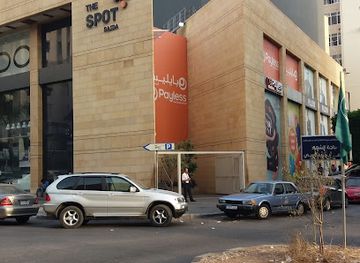
The Spot Choueifat
Experience shopping and dining at The Spot Choueifat, a dynamic mall in Chouaifet El Qoubbeh with something for everyone.
-
Shopping mall
The Spot Saida
Explore The Spot Saida - Sidon's vibrant shopping mall offering diverse stores, delightful dining, and family-friendly entertainment.
-
Shopping mall
Cascada
Explore the vibrant shopping and dining scene at Cascada, Taanayel's premier shopping destination for locals and tourists alike.
-
National forest
Shouf Biosphere Reserve Barouk Cedar Forest
Discover the enchanting beauty of Shouf Biosphere Reserve Barouk Cedar Forest, a natural wonderland in Lebanon with ancient cedars and stunning landscapes.

Get your free copy of our complete guide to Chouf, delivered straight to you.
Everything on this page, from attractions and restaurants to essentials and local phrases, in one PDF you can read offline, print or share.
Already have an account? Sign in
Your Chouf guide is ready.
We'll send it to · Not you? Sign out

Getting your guide ready…
We are putting together a fresh copy of the Chouf guide. This can take up to a minute.
This can take a few moments. If your browser asks, choose Allow so the download can start. You'll find the guide in your Downloads folder.
Nothing happened? Download it again
Sorry, the guide is taking longer than usual. Please try again in a minute, or get it by email instead.
Chouf essentials
Currency and Payment
Safety
Emergency Situations
Do's and Don'ts
Local Tips
From Eve
Local phrases worth knowing
You don't need to get them perfect. A few words go a long way, and locals appreciate the effort.
Basics
| English | Local | Say it |
|---|---|---|
| Hello | مرحبا | [Marhaba] |
| Goodbye | مع السلامة | [Ma'a as-salama] |
| Yes | نعم | [Na'am] |
| No | لا | [La] |
| Please/You're welcome | تفضل/عفوا | [Tafaddal/Afwan] |
| Thank you | شكرا | [Shukran] |
| Excuse me/Sorry | عذرا | [Udhra] |
| How are you? | كيف حالك؟ | [Kayfa halak?] |
| Fine. And you? | بخير. وأنت؟ | [Bikhayr. Wa anta?] |
| Do you speak English? | هل تتحدث الإنجليزية؟ | [Hal tatahaddath al-ingliziyya?] |
| I don't understand | لا أفهم | [La afham] |
Eating & Drinking
| English | Local | Say it |
|---|---|---|
| I'd like to see the menu, please | أود رؤية القائمة، من فضلك | [Awad ru'yat al-qa'ima, min fadlik] |
| I don't eat meat | لا آكل اللحم | [La akul al-lahm] |
| Cheers! | صحة! | [Sihha!] |
| I would like to pay, please | أود الدفع، من فضلك | [Awad ad-daf', min fadlik] |
Emergencies
| English | Local | Say it |
|---|---|---|
| Help! | نجدة! | [Najda!] |
| Go away! | ابتعد! | [Ibt'id!] |
| Call the Police! | اتصل بالشرطة! | [Ittasil bil-shurta!] |
| Call a doctor! | اتصل بطبيب! | [Ittasil bi-tabiib!] |
| I'm lost | أنا ضائع | [Ana da'i'] |
| I'm ill | أنا مريض | [Ana marid] |
Shopping
| English | Local | Say it |
|---|---|---|
| I'd like to buy... | أود شراء... | [Awad shira'] |
| I'm just looking | أنا فقط أنظر | [Ana faqat anzur] |
| How much is it? | كم ثمنه؟ | [Kam thamanuh?] |
| That's too expensive | هذا غالي جدا | [Hatha ghali jidan] |
| Can you lower the price? | هل يمكنك تخفيض السعر؟ | [Hal yumkinuka takhfid as-si'r?] |
Time & Numbers
| English | Local | Say it |
|---|---|---|
| What time is it? | كم الساعة؟ | [Kam as-saa'a?] |
| It's one o'clock | الساعة واحدة | [As-saa'a wahida] |
| Half past (10) | نصف (10) | [Nisf (10)] |
| Morning | صباحا | [Sabaahan] |
| Afternoon | بعد الظهر | [Ba'd al-zuhur] |
| Evening | مساء | [Masa'a] |
| Yesterday | أمس | [Ams] |
| Today | اليوم | [Al-yawm] |
| Tomorrow | غدا | [Ghadan] |
| 1 | 1 | [1] |
| 2 | 2 | [2] |
| 3 | 3 | [3] |
| 4 | 4 | [4] |
| 5 | 5 | [5] |
| 6 | 6 | [6] |
| 7 | 7 | [7] |
| 8 | 8 | [8] |
| 9 | 9 | [9] |
| 10 | 10 | [10] |
Transport & Directions
| English | Local | Say it |
|---|---|---|
| Where's a/the...? | أين...؟ | [Ayn...?] |
| What's the address? | ما هو العنوان؟ | [Ma huwa al-'unwan?] |
| Can you show me (on the map)? | هل يمكنك إظهار لي (على الخريطة)؟ | [Hal yumkinuka izhar li (ala al-kharita)?] |
| When's the next (bus)? | متى يكون (الباص) التالي؟ | [Mata yakun (al-bus) at-tali?] |
| A ticket (to ....) | تذكرة (إلى....) | [Tathkara (ila....)] |
History of Chouf
Ancient Mountain Settlement and the Cedar Landscape
The Chouf forms part of the long-inhabited mountain system of Mount Lebanon, where valleys, springs and terraced slopes supported settlement over many centuries. The cedar forests of the Barouk range belong to the wider natural heritage of Lebanon, whose timber was valued by ancient civilisations for construction and shipbuilding. Although the surviving landscape has been reduced from historic woodland cover, the presence of mature cedars and other mountain species remains an important link with the ecological and cultural history of the Lebanese mountains.
The Maanid Emirs and the Rise of Chouf
During the Ottoman period, the Chouf became a major centre of local political power under the Maanid emirs, whose influence extended across much of Mount Lebanon. Fakhreddine II, the best-known Maanid ruler, is associated with the development of fortified settlements, agriculture, trade and closer connections with Mediterranean powers in the late sixteenth and early seventeenth centuries. Deir el Qamar served as an important political centre, and the town’s historic buildings still convey the status it acquired during this period.
The Shihab Era and Beiteddine Palace
After the Maanids, political authority in Mount Lebanon passed to the Shihab dynasty. Emir Bashir Shihab II, who ruled for much of the first half of the nineteenth century, made Beiteddine his principal seat and transformed it into a major palace complex. Built and embellished over decades, the palace brought together administrative spaces, ceremonial courtyards, residential quarters, gardens and elaborate decorative work. Its scale reflects the importance of the Chouf within the political order of Ottoman Mount Lebanon and makes it one of the region’s defining historical monuments.
Mount Lebanon’s Religious and Social Communities
The Chouf developed as a region in which Druze and Christian communities lived in close geographical proximity, alongside the institutions of Ottoman local government and influential landed families. Villages acquired distinct religious and social identities, yet agriculture, trade, labour and political life also created sustained links between them. Churches, mosques, shrines, traditional houses and village squares preserve parts of this layered history. The region’s communal balance has not always been peaceful, but its cultural legacy is more complex than a simple division between separate communities.
The 1860 Conflict and Its Aftermath
In 1860, violent conflict spread through Mount Lebanon and Damascus, causing extensive loss of life, displacement and destruction in several Chouf communities. The crisis exposed tensions connected with social hierarchy, land, local authority and the changing political order of the Ottoman Empire. European intervention followed, contributing to the establishment in 1861 of the autonomous Mount Lebanon Mutasarrifate, governed under an international framework. The events left a deep memory in the region and influenced later patterns of migration, reconstruction and communal politics.
The Mount Lebanon Mutasarrifate and Economic Change
From 1861 until the end of the First World War, the Chouf formed part of the Mount Lebanon Mutasarrifate, an autonomous Ottoman administration created after the 1860 crisis. The period saw continuing agricultural production, silk-related activity, commerce and migration, especially as villagers sought work and opportunity abroad. New roads and changing trade routes gradually connected mountain settlements more closely with Beirut and the coast. Traditional houses, terraced fields and village institutions today reflect both older local practices and the economic changes of the late Ottoman era.
Modern Lebanon and the Chouf’s Contemporary Identity
Following the First World War, Mount Lebanon became part of the French Mandate and then the independent Lebanese Republic. The Chouf remained a politically significant district, shaped by Druze leadership, Christian communities, rural-to-urban migration and the wider upheavals of modern Lebanese history. The Lebanese Civil War and subsequent political tensions affected the area deeply, while later conservation efforts gave the cedar forests greater protection. Today, heritage tourism, nature conservation, agriculture and village life coexist with the region’s continuing importance in Lebanon’s political and cultural landscape.
Chouf in Photos
Browse through our photo collection highlighting the charm and character of the destination.
Neighbouring regions of Chouf
The closest regions to Chouf, if you have time for more than one.
-

-

-

-

-


Swipe for more regions
Explore more

Explore more of Lebanon
Discover Lebanon: A land of ancient history, vibrant culture, stunning landscapes, and delicious cuisine, nestled on the Mediterranean coast.
Explore Lebanon