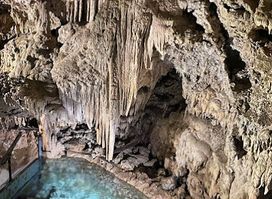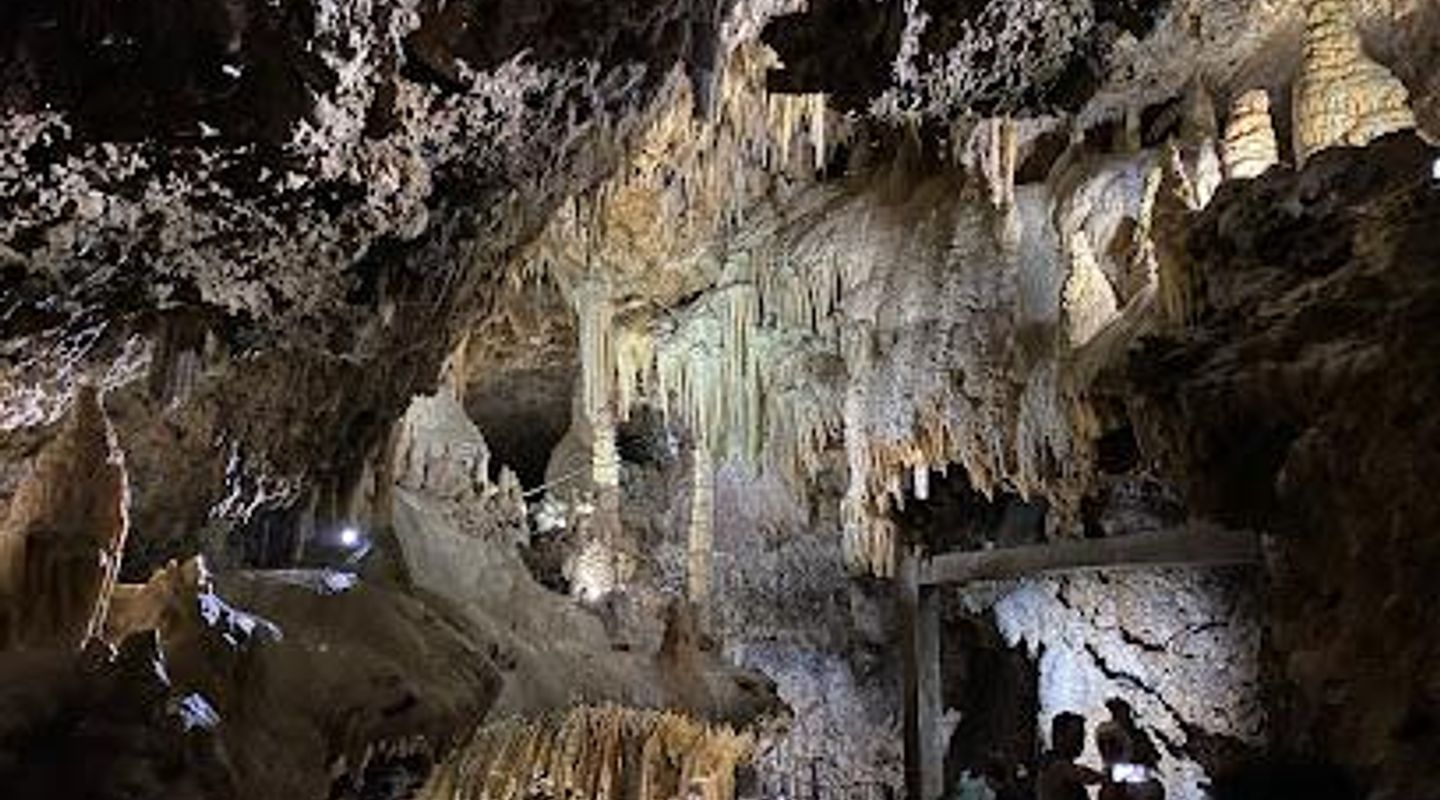
Kadisha cave bcharre, Bsharri Travel Guide
Discover the stunning Kadisha Cave in Bcharre, Lebanon, a geological wonder rich in history and natural beauty, perfect for adventurous travelers.
Nestled in the heart of Lebanon, the Kadisha Cave offers an enchanting experience for tourists with its stunning geological formations and rich historical significance, making it a must-visit destination.
A brief summary to Kadisha cave bcharre
- 62XH+7H3, Ariz, LB
- Click to display
- Monday 10 am-4:30 pm
- Tuesday 9:30 am-4:30 pm
- Wednesday 10 am-4:30 pm
- Thursday 10 am-4:30 pm
- Friday 10 am-4:30 pm
- Saturday 10 am-4:30 pm
- Sunday 10 am-4:30 pm

Know before you go
Hi, I'm Eve. Here are a few practical things to know before exploring Kadisha cave bcharre.
- Wear sturdy shoes for easy navigation through the cave's uneven terrain.
- Visit in the spring or fall for the best weather and scenery.
- Consider joining a guided tour for a deeper understanding of the cave's history and geology.
- Bring a camera to capture the stunning stalactites and stalagmites.
- Plan your visit during operating hours to ensure you can explore the cave.
Do you manage this location?
Take control to get all the benefits, like improved information, better appearance, and stronger visibility across AI-powered discovery. Learn more about listing your business on Evendo
Activate your presenceOther nearby places you may find interesting
The closest places of the same kind, if this one is not quite what you had in mind.
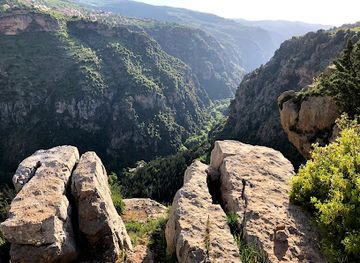
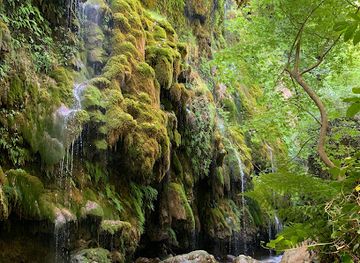
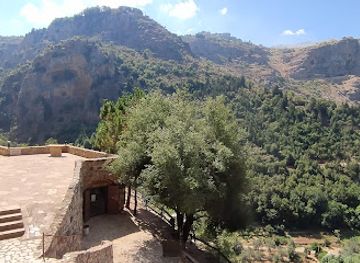
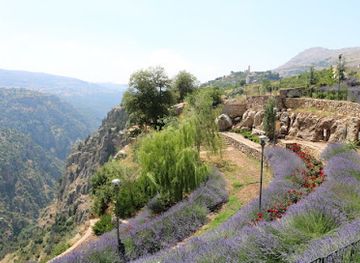

Explore Kadisha cave bcharre on the Map
A handpicked selection of must-see spots near Kadisha cave bcharre, mapped for you.
Unlock the Best of Kadisha cave bcharre
Buy tickets
-
No tickets available
Book tours with entry

Book tours without entry
-
No tours available
Getting There
-
Walking
If you are in the center of Batroun, start by heading east on the main road (Beirut Road). Follow the road for about 2 kilometers until you reach the junction that leads to the Ariz area. Keep an eye out for the signs directing you towards 'Ariz' or 'Kadisha Cave.' Once you turn onto the road towards Ariz, continue straight for another kilometer. The Kadisha Cave is located at 62XH+7H3, and you should look for the entrance marked by signage. It will be on your right.
-
Public Transport
From Batroun city center, walk to the nearest bus station located near the main square. Look for a bus heading towards 'Bcharre' or 'Ariz.' The fare is usually inexpensive, around 2,000 LBP. Once you are on the bus, inform the driver that you want to get off at Ariz. The journey will take about 15-20 minutes. After disembarking in Ariz, walk straight ahead for about 10 minutes, and you will find the Kadisha Cave at 62XH+7H3 on your right.
Discover more about Kadisha cave bcharre













Your all‑in‑one travel companion app
Explore expert travel guides, compare and book tours, experiences, hotels, and more—all from the palm of your hand. Download now for seamless trip planning wherever your wanderlust takes you.


Explore More of Bsharri
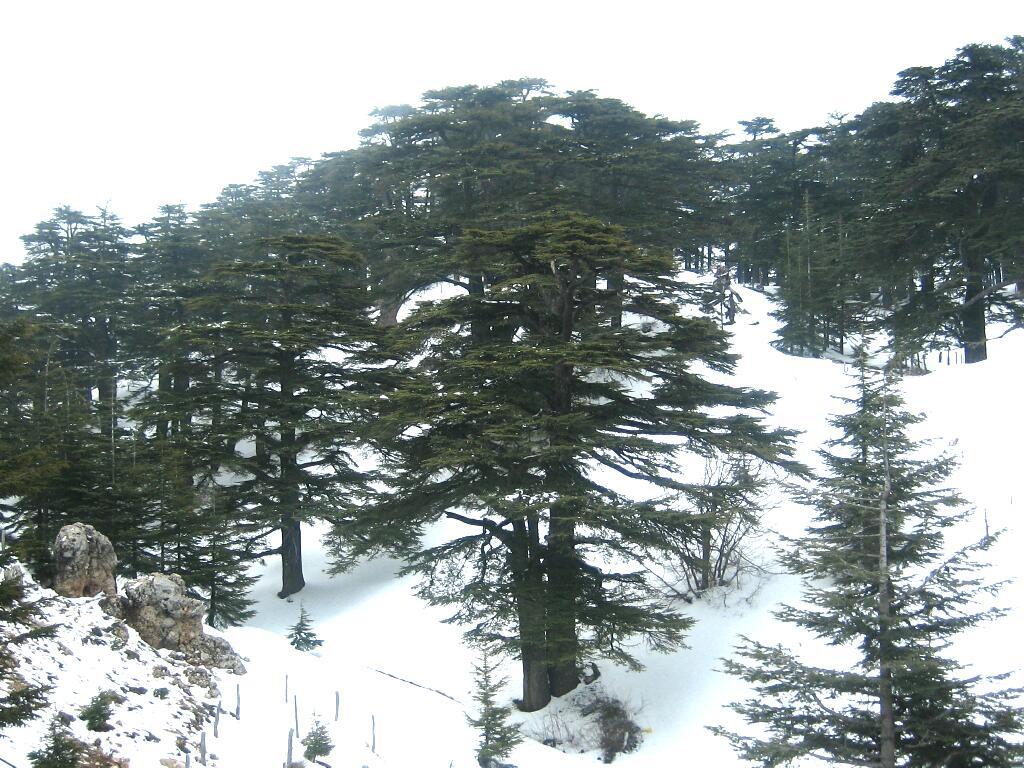
Looking beyond Kadisha cave bcharre? Discover Bsharri for broader travel guides, local hot-spots, and regional highlights.
Explore Bsharri