

Free Bsharri Travel Guide & Mobile App
Explore Bsharri with free travel guides. Discover regional history, expert tips, proposed trips, and audio guides on web or mobile app.


Explore Bsharri in northern Lebanon for ancient cedars, the sacred Qadisha Valley, mountain walks, Maronite heritage and Gibran’s legacy.
Read more about Bsharri
When is the best time to visit Bsharri?
Best: June–August · 21–23°C| Month | High (°C) | Rainfall (mm) |
|---|---|---|
| January | 5 | 250 |
| February | 6 | 200 |
| March | 8 | 150 |
| April | 13 | 100 |
| May | 17 | 50 |
| June (best) | 21 | 30 |
| July (best) | 23 | 10 |
| August (best) | 23 | 10 |
| September | 19 | 30 |
| October | 15 | 100 |
| November | 9 | 150 |
| December | 5 | 200 |
Getting to and around Bsharri
How to get there
Transportation
Top city travel guides in Bsharri
The cities of Bsharri, and the easiest places to base yourself.

Swipe for more cities
Destinations in Bsharri
Resorts, valleys and scenic spots worth a trip of their own.
-

-

-

-
-
-


Swipe for more destinations
Best attractions in Bsharri
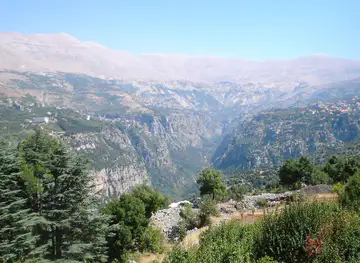
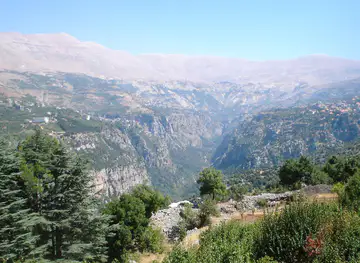
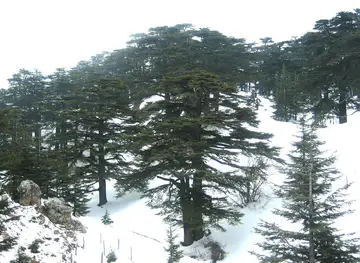
Bsharri’s attractions are concentrated around a powerful combination of natural scenery, religious heritage and literary memory. The Qadisha Valley offers walking routes through ravines where monasteries, chapels, caves and hermitages occupy ledges and sheltered recesses in the rock. Some sites are reached only by foot, making footwear and weather planning important. The Cedars of God, near the upper mountain road, provides a protected encounter with Lebanon’s celebrated cedar trees and is particularly atmospheric when the surrounding peaks carry snow. In Bsharri itself, the Gibran Museum presents the life and work of Gibran Khalil Gibran in a former monastery setting. Mountain villages, churches, terraces and viewpoints add cultural interest between the main sites, while winter brings snow-based recreation around the higher Cedars area. The attraction landscape is not built around a dense collection of urban museums or entertainment venues; its appeal lies in moving between living settlements, protected woodland, steep geological formations and religious places that remain connected to the region’s communities.
-
Nature preserve
Cedars of God Bsharri
Explore the ancient Cedars of God in Bsharri, Lebanon, a UNESCO World Heritage Site and symbol of the country's enduring heritage.
-
Museum
Kahlil Gibran Museum
Discover the Kahlil Gibran Museum in Bsharri, a cultural gem celebrating the life and works of the legendary poet and philosopher.
-
Church
House Of saint Charbel Bkaa Kafra Lebanese Maronite Order
Discover the serene House of Saint Charbel in Bkaa Kafra, a spiritual sanctuary steeped in history and natural beauty, perfect for reflection and exploration.
-
Monastery
Monastery of Mar Lishaa
Discover the Monastery of Mar Lishaa, a spiritual oasis in Bsharri, where stunning views and rich history create an unforgettable experience.


Best landmarks in Bsharri
The Cedars of God is Bsharri’s most recognisable natural landmark, a protected grove of ancient cedar trees whose symbolism reaches from biblical literature to modern Lebanon’s national emblem. Its importance is both ecological and cultural: the surviving woodland represents a remnant of forests that once covered far more of the Lebanon Mountains. The Qadisha Valley forms the region’s other defining landmark, a deeply incised gorge whose cliffs contain monasteries, chapels, hermitages and caves associated with centuries of Christian retreat and settlement. Above the town, the Gibran Museum occupies a former monastery and is a significant cultural landmark because it preserves the memory of Gibran Khalil Gibran, who was born in Bsharri. The town’s steep location, churches and stone buildings create a recognisable mountain silhouette, while viewpoints along the upper roads reveal the relationship between the settlement, the gorge and the cedar-covered slopes. Together these places express Bsharri’s identity more clearly than any single monument.
-
Nature preserve
Cedars of God Bsharri
Explore Lebanon's breathtaking natural heritage at the Cedars of God, a UNESCO World Heritage site filled with ancient trees and stunning landscapes.
-
National reserve
Horsh Ehden
Discover the breathtaking beauty of Horsh Ehden, Lebanon's national reserve, where nature thrives amidst stunning landscapes and rich biodiversity.
-
Museum
Kahlil Gibran Museum
Discover the Kahlil Gibran Museum in Bsharri, Lebanon, where literature, art, and nature converge to celebrate the legacy of a poetic genius.
-
Nature preserve
Tannourine Cedar Reserve محمية أرز تنورين
Discover Tannourine Cedar Reserve, a UNESCO World Heritage site in Lebanon filled with ancient cedar trees and breathtaking landscapes perfect for outdoor adventures.


Explore Bsharri on the map
Plan your trip on one map. See where the top cities, national parks and sights are, and book hotels and experiences in a few clicks.
Best hotels in Bsharri
Best restaurants in Bsharri
Dining in Bsharri follows the broad Lebanese tradition while reflecting the cooler climate and agricultural character of the northern mountains. Restaurants and guesthouses commonly serve mezze, grilled meats, salads, lentil and vegetable dishes, breads, rice preparations and seasonal fruit, with mountain cheeses, yoghurt, olives, preserves and honey especially appropriate local choices. Rural establishments may offer a more substantial, home-style meal than the quick dining found on major roads, although menus and opening arrangements can be seasonal. In the villages and around the Cedars area, cafés and simple restaurants provide useful stops after walks, while Bsharri town has the widest choice within the district. Arak, Lebanon’s anise-flavoured spirit, is a national drink rather than a Bsharri speciality, but it may accompany a traditional meal. Visitors should ask which produce is local and seasonal, and should not assume that every dish labelled Lebanese has originated in the Bsharri area.
-
Restaurant
Al Ferdaws Restaurant
Discover authentic Lebanese flavors at Al Ferdaws Restaurant in Ehden—where delicious cuisine meets breathtaking views.
-
Restaurant
Janet Al Arez
Experience delectable Lebanese cuisine with breathtaking views at Janet Al Arez in Cedars.
-
Restaurant
Al Zaytouni - Bcharre
Discover the flavors of Lebanon at Al Zaytouni - Bcharre, where exquisite cuisine meets stunning mountain vistas.
-
Restaurant
Masa Restaurant
Experience exquisite Lebanese and international cuisine amidst stunning views at Masa Restaurant inside Samar Resort.


Best bars in Bsharri
Bsharri is not a major nightlife destination, and evenings are generally centred on restaurants, cafés, hotel lounges and traditional social spaces rather than large clubs. In the town and around the Cedars area, visitors may find places for a quiet drink, coffee or a late meal, with activity varying considerably by season and visitor numbers. Winter brings a different rhythm around the higher mountain resorts, while summer evenings often suit outdoor terraces and relaxed dining when weather permits. Local arak, Lebanese wine and beer may appear alongside non-alcoholic drinks, but alcohol is not necessary to experience the region’s evening culture. For a livelier urban scene, visitors would need to travel outside Bsharri to larger Lebanese centres; returning after dark requires careful planning because mountain roads are winding and transport options are limited.
-
Restaurant
Janet Al Arez
Discover authentic Lebanese cuisine in the breathtaking Cedars region, where every meal at Janet Al Arez is a culinary journey.
-
Restaurant
Al Zaytouni - Bcharre
Discover the authentic taste of Lebanon at Al Zaytouni in Bcharre, where every dish tells a story of rich flavors and cultural heritage.
-
Restaurant
Masa Restaurant
Experience authentic Lebanese flavors and international delights at Masa Restaurant, nestled within the serene Samar Resort.
-
Restaurant
الشلال
Enjoy authentic Lebanese cuisine with breathtaking views at الشلال in Bsharri, a culinary gem of the region.


Best nightclubs in Bsharri
Bsharri is not a major nightlife destination, and evenings are generally centred on restaurants, cafés, hotel lounges and traditional social spaces rather than large clubs. In the town and around the Cedars area, visitors may find places for a quiet drink, coffee or a late meal, with activity varying considerably by season and visitor numbers. Winter brings a different rhythm around the higher mountain resorts, while summer evenings often suit outdoor terraces and relaxed dining when weather permits. Local arak, Lebanese wine and beer may appear alongside non-alcoholic drinks, but alcohol is not necessary to experience the region’s evening culture. For a livelier urban scene, visitors would need to travel outside Bsharri to larger Lebanese centres; returning after dark requires careful planning because mountain roads are winding and transport options are limited.
-
Night club
White Cedar Hotel & Resort
Experience luxury and vibrant nightlife at White Cedar Hotel & Resort in stunning Cedars, North Lebanon, perfect for relaxation and adventure.
-
Night club
BAHAY
Discover BAHAY, a premier night club in Baouchriyeh, Lebanon, where vibrant music and an electrifying atmosphere await you for unforgettable nights.
-
Disco club
Void nightclub
Discover Batroun's nightlife at Void Nightclub, where music, dance, and vibrant energy collide for an unforgettable experience.
-
Bar
Haze Sunset Bar
Experience breathtaking sunsets at Haze Sunset Bar in Ehden, where spectacular views and a relaxing atmosphere await every visitor.


Best shops in Bsharri
Shopping in Bsharri is modest in scale and closely connected with local food, mountain life and cultural tourism. Small shops and market-style outlets in the town and along routes towards the Cedars may sell Lebanese pantry products such as honey, olive oil, preserves, herbs, sweets and mountain cheeses, although availability depends on season and producer. Visitors may also find cedar-themed crafts, carved wooden objects, religious items, books about Lebanon and editions or reproductions associated with Gibran. These products vary considerably in quality, so ask about materials and provenance rather than assuming that every cedar item is made from locally sourced wood. Bsharri is not a destination for large shopping centres or luxury retail; its appeal lies in purchasing edible regional produce and small, practical mementoes from independent sellers. For a broader range of general retail, travellers usually need to shop in larger towns outside the district before or after their mountain journey.
-
Nature preserve
Cedars of God Bsharri
Explore the ancient Cedars of God in Bsharri, a UNESCO World Heritage site, and immerse yourself in Lebanon's natural beauty and rich history.
-
Restaurant
Janet Al Arez
Experience the essence of Lebanese cuisine at Janet Al Arez in Cedars, where every dish tells a story of tradition and flavor.
-
Ravine
Kadisha Valley
Discover the breathtaking beauty and rich history of Kadisha Valley, a serene ravine in Lebanon renowned for its stunning landscapes and ancient monasteries.
-
Historical landmark
Youssef Beik Karam Statue
Explore the Youssef Beik Karam Statue in Ehden, a majestic tribute to Lebanese heritage surrounded by stunning landscapes and rich history.


Get your free copy of our complete guide to Bsharri, delivered straight to you.
Everything on this page, from attractions and restaurants to essentials and local phrases, in one PDF you can read offline, print or share.
Already have an account? Sign in
Your Bsharri guide is ready.
We'll send it to · Not you? Sign out

Getting your guide ready…
We are putting together a fresh copy of the Bsharri guide. This can take up to a minute.
This can take a few moments. If your browser asks, choose Allow so the download can start. You'll find the guide in your Downloads folder.
Nothing happened? Download it again
Sorry, the guide is taking longer than usual. Please try again in a minute, or get it by email instead.
Bsharri essentials
Currency and Payment
Safety
Emergency Situations
Do's and Don'ts
Local Tips
From Eve
Local phrases worth knowing
You don't need to get them perfect. A few words go a long way, and locals appreciate the effort.
Basics
| English | Local | Say it |
|---|---|---|
| Hello | مرحبا | [Marhaba] |
| Goodbye | وداعا | [Wada'an] |
| Yes | نعم | [Na'am] |
| No | لا | [La] |
| Please/You're welcome | من فضلك | [Min fadlik] |
| Thank you | شكرا | [Shukran] |
| Excuse me/Sorry | عفوا | [Afwan] |
| How are you? | كيف حالك؟ | [Kayfa halak?] |
| Fine. And you? | أنا بخير. وأنت؟ | [Ana bekhair. Wa anta?] |
| Do you speak English? | هل تتحدث الإنجليزية؟ | [Hal tatahaddath al-ingliziyya?] |
| I don't understand | أنا لا أفهم | [Ana la afham] |
Eating & Drinking
| English | Local | Say it |
|---|---|---|
| I'd like to see the menu, please | أود رؤية القائمة، من فضلك | [Awad ru'ya al-qa'ima, min fadlik] |
| I don't eat meat | أنا لا آكل اللحم | [Ana la akul al-lahm] |
| Cheers! | في صحتك! | [Fi sihtak!] |
| I would like to pay, please | أود الدفع، من فضلك | [Awad al-daf', min fadlik] |
Emergencies
| English | Local | Say it |
|---|---|---|
| Help! | نجدة! | [Najda!] |
| Go away! | ابتعد! | [Ibt'id!] |
| Call the Police! | اتصل بالشرطة! | [Ittasil bil-shurta!] |
| Call a doctor! | اتصل بطبيب! | [Ittasil bi-tabeeb!] |
| I'm lost | أنا ضائع | [Ana da'i'] |
| I'm ill | أنا مريض | [Ana marid] |
Shopping
| English | Local | Say it |
|---|---|---|
| I'd like to buy... | أود شراء... | [Awad shira'] |
| I'm just looking | أنا فقط أنظر | [Ana faqat anthur] |
| How much is it? | كم سعره؟ | [Kam si'ru?] |
| That's too expensive | هذا مكلف جدا | [Hatha mukalif jidan] |
| Can you lower the price? | هل يمكنك تخفيض السعر؟ | [Hal yumkinuka takhfidh al-si'r?] |
Time & Numbers
| English | Local | Say it |
|---|---|---|
| What time is it? | كم الساعة؟ | [Kam al-sa'a?] |
| It's one o'clock | الساعة الواحدة | [Al-sa'a al-wahidah] |
| Half past (10) | نصف الساعة (10) | [Nisf al-sa'a (10)] |
| Morning | صباحا | [Sabahan] |
| Afternoon | بعد الظهر | [Ba'ad al-zuhur] |
| Evening | مساءا | [Masa'an] |
| Yesterday | أمس | [Ams] |
| Today | اليوم | [Al-yawm] |
| Tomorrow | غدا | [Ghadan] |
| 1 | ١ | [Wahid] |
| 2 | ٢ | [Ithnain] |
| 3 | ٣ | [Thalathah] |
| 4 | ٤ | [Arba'a] |
| 5 | ٥ | [Khamsah] |
| 6 | ٦ | [Sittah] |
| 7 | ٧ | [Sab'ah] |
| 8 | ٨ | [Thamaniyah] |
| 9 | ٩ | [Tis'ah] |
| 10 | ١٠ | [Asharah] |
Transport & Directions
| English | Local | Say it |
|---|---|---|
| Where's a/the...? | أين هو/هي...؟ | [Ayn huwa/hiya...?] |
| What's the address? | ما هو العنوان؟ | [Ma huwa al-'unwan?] |
| Can you show me (on the map)? | هل يمكنك أن تظهر لي (على الخريطة)؟ | [Hal yumkinuka an tuzhir li (ala al-kharita)?] |
| When's the next (bus)? | متى يأتي (الباص) التالي؟ | [Mata ya'ti (al-bus) al-tali?] |
| A ticket (to ....) | تذكرة (إلى ....) | [Tadhkira (ila ....)] |
History of Bsharri
The Ancient Cedar Landscape
Cedars of Lebanon once covered much larger areas of the mountain range than they do today. Their durable, fragrant timber was valued by successive civilisations, including the ancient states of the eastern Mediterranean, and cedar references appear in the Bible and other early texts. In the Bsharri highlands, surviving groves such as the Cedars of God preserve a small part of that historic landscape. Centuries of cutting, construction, agriculture and changing climate reduced the forests, while local protection and replanting efforts helped conserve the remaining trees and reinforce the cedar’s place as a symbol of Lebanon.
The Sacred Qadisha Valley
The Qadisha Valley developed as a refuge for Christian communities seeking seclusion in the difficult terrain of the Lebanon Mountains. From late antiquity and through the medieval period, caves, terraces and cliff shelters were adapted for worship, residence and agriculture. Monasteries and hermitages became closely associated with the Maronite Church, whose history is deeply connected with northern Lebanon. The valley’s physical isolation helped preserve a religious landscape in which paths, cultivated plots, rock shelters and buildings remain closely interwoven.
Maronite Communities and Mountain Settlement
The communities around Bsharri were shaped by mountain agriculture, religious institutions and strong village networks. Terraces supported crops and orchards where the terrain allowed, while monasteries played important spiritual and social roles. The region’s churches and hillside settlements reflect repeated rebuilding and adaptation rather than a single architectural period. The Maronite presence is particularly visible in the Qadisha landscape, although Bsharri’s history also belongs to the wider political and economic story of Mount Lebanon and northern Lebanon.
Ottoman and Modern Mountain Lebanon
Under Ottoman rule, the Bsharri area remained a predominantly rural mountain district connected to larger market centres by difficult routes. Local administration, landholding, religious institutions and seasonal agriculture shaped everyday life. During the nineteenth and early twentieth centuries, migration increased as inhabitants sought education, employment and trade opportunities abroad, especially in the Americas. Remittances and returning families influenced houses, churches and village life, while the mountain’s relative isolation preserved distinctive local traditions.
Gibran Khalil Gibran and Bsharri
Gibran Khalil Gibran was born in Bsharri in 1883 and later became an internationally known writer and artist after emigrating to the United States. His work often drew on Lebanese landscapes, spiritual ideas and memories of village life, although his career developed within a wider Arab-American literary world. The museum in Bsharri occupies a former monastery and holds works and material associated with him. His legacy has made the town an important literary destination as well as a gateway to the Qadisha landscape.
Conservation and Heritage Recognition
During the modern period, the cedars and the Qadisha Valley increasingly became subjects of organised conservation rather than simply resources for local use. The Cedars of God and the Qadisha Valley were inscribed together as a UNESCO World Heritage site in 1998, recognising both the natural remnants of the cedar forest and the valley’s religious and cultural landscape. This status reflects the need to protect trees, archaeological remains, monasteries, paths and traditional land use while accommodating carefully managed visitation.
Bsharri in Photos
Browse through our photo collection highlighting the charm and character of the destination.
Neighbouring regions of Bsharri
The closest regions to Bsharri, if you have time for more than one.
-

-

-
-

-


Swipe for more regions
Explore more

Explore more of Lebanon
Discover Lebanon: A land of ancient history, vibrant culture, stunning landscapes, and delicious cuisine, nestled on the Mediterranean coast.
Explore Lebanon