From Eve
Know before you go
Hi, I'm Eve. Here are a few practical things to know before exploring Afqa.
Local know-how to help you travel smarter and make the most of every moment.

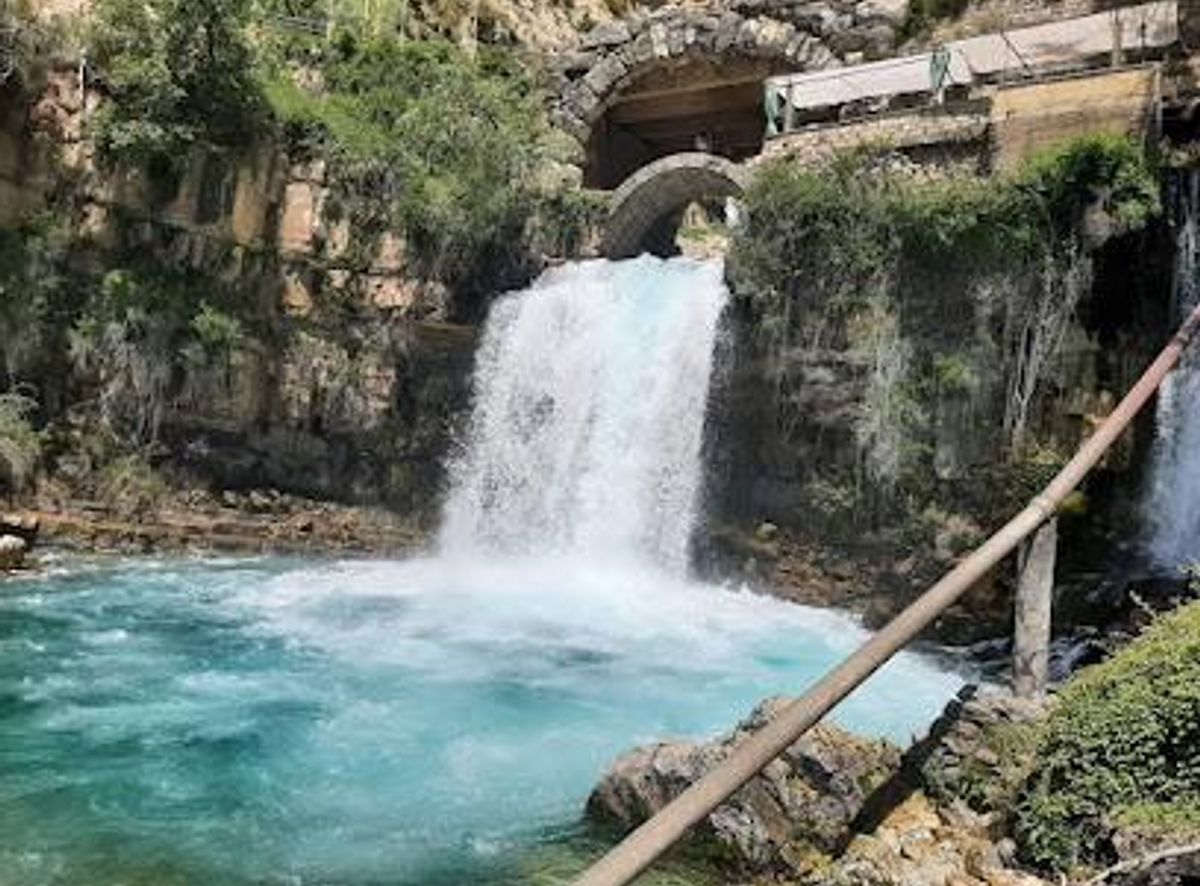
Discover Afqa's majestic waterfall, ancient grotto, and the legendary birthplace of Adonis in the heart of Lebanon's mountains.
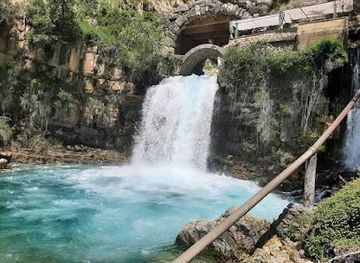
Afqa is home to a dramatic waterfall emerging from a colossal grotto in a 200-meter-high cliff, the source of the Adonis River (Nahr Ibrahim). Steeped in ancient mythology as the site of Adonis's death and a temple dedicated to Aphrodite, it offers a blend of natural beauty and historical intrigue.
Opening times, essentials, and a few local tips gathered into one calmer, easier-to-scan planning section.
Hi, I'm Eve. Here are a few practical things to know before exploring Afqa.
Local know-how to help you travel smarter and make the most of every moment.
Taxi
From Baalbek, taxis are available but can be costly. A taxi ride to Afqa, approximately 44km, can cost around $57.2 USD, calculated at a rate of $1.3 USD per kilometer plus a base fee of $6 USD. Ensure to negotiate the fare before starting the journey.
Use Tower Bridge as your starting point for nearby food, family ideas, nightlife, and more local discoveries.

Explore expert travel guides, compare and book tours, experiences, hotels, and more—all from the palm of your hand. Download now for seamless trip planning wherever your wanderlust takes you.
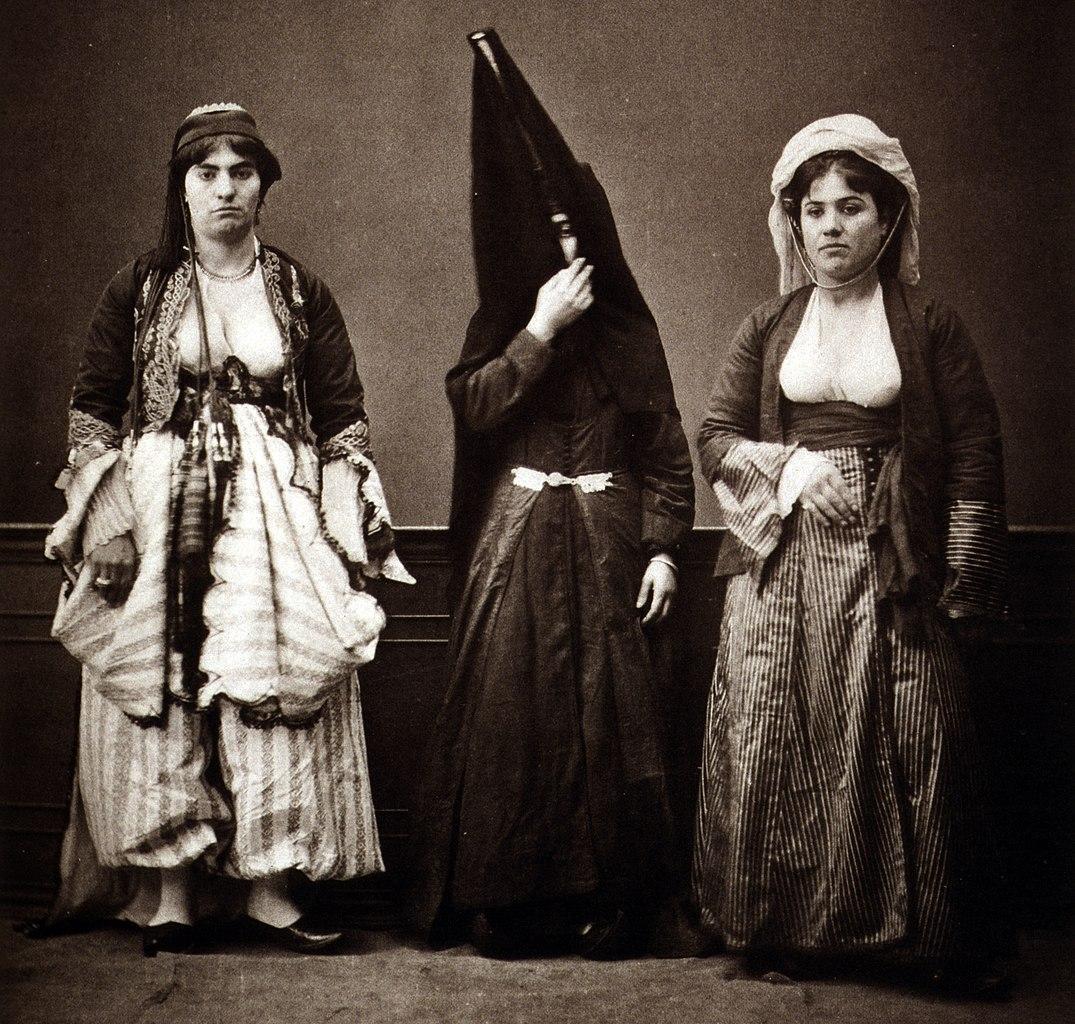
Discover the lush landscapes, historic sites, and culinary delights of Zgharta, Lebanon's hidden gem in the heart of nature.
Tell me more about Zgharta