

Free Zgharta Travel Guide & Mobile App
Explore Zgharta with free travel guides. Discover regional history, expert tips, proposed trips, and audio guides on web or mobile app.


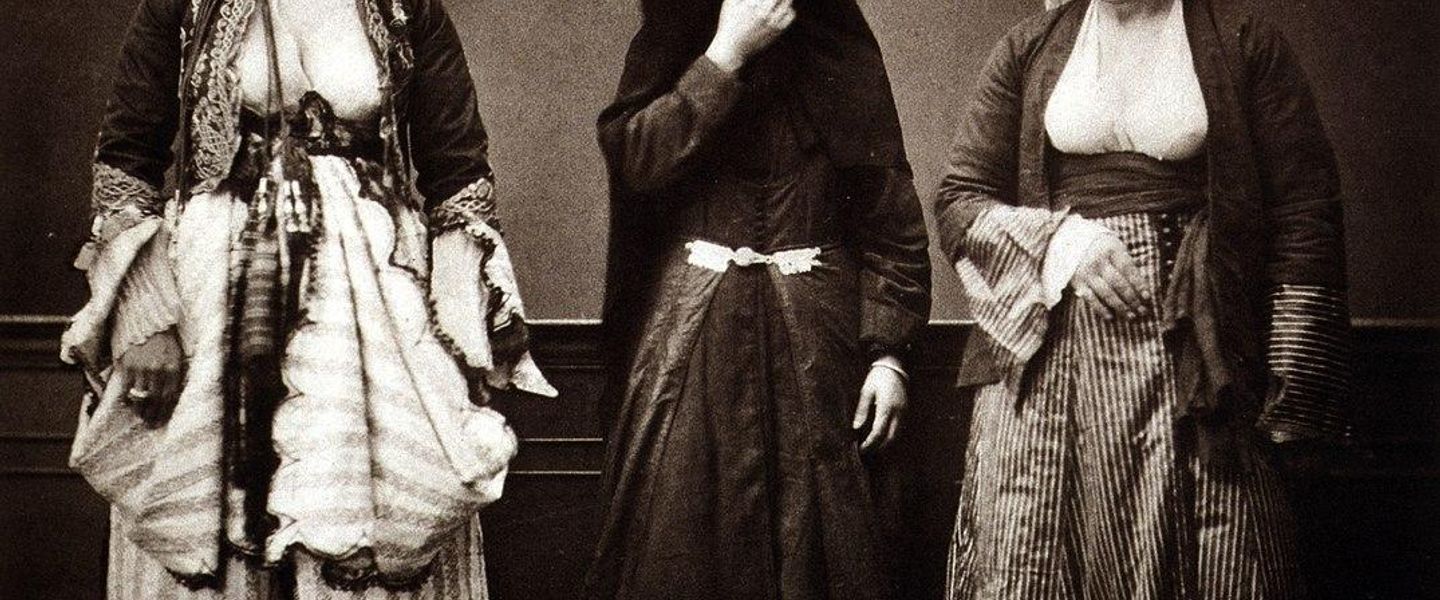


Explore Zgharta’s churches, village traditions, Bnachii Lake and the cedar-rich mountain landscapes of Ehden in northern Lebanon.
Read more about Zgharta
When is the best time to visit Zgharta?
Best: May, September–October · 26–31°C| Month | High (°C) | Rainfall (mm) |
|---|---|---|
| January | 14 | 150 |
| February | 15 | 120 |
| March | 18 | 110 |
| April | 22 | 70 |
| May (best) | 27 | 40 |
| June | 31 | 20 |
| July | 34 | 10 |
| August | 34 | 10 |
| September (best) | 31 | 20 |
| October (best) | 26 | 50 |
| November | 20 | 80 |
| December | 16 | 120 |
Getting to and around Zgharta
How to get there
Transportation
Top city travel guides in Zgharta
The cities of Zgharta, and the easiest places to base yourself.

Swipe for more cities
Destinations in Zgharta
Resorts, valleys and scenic spots worth a trip of their own.
-

-


Swipe for more destinations
Best attractions in Zgharta
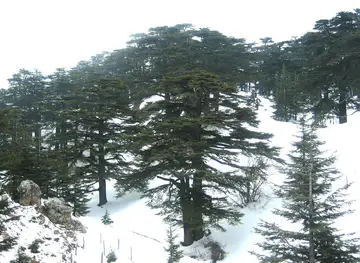
Zgharta’s attractions combine mountain nature, village heritage and seasonal leisure rather than a large concentration of formal museums. Horsh Ehden Nature Reserve is the region’s leading outdoor destination, protecting a varied highland forest with cedar, fir, juniper and broad-leaved trees, together with opportunities for walking, birdwatching and nature study. Ehden itself offers a mountain setting, traditional churches, stone houses, cafés and restaurants, while Zgharta provides a more urban introduction to local life, religion and history. Bnachii Lake is suited to a relaxed outing amid water, trees and nearby dining, although visitors should check current access and facilities. The villages around the district contain churches, shrines, old houses and agricultural landscapes that are best explored slowly and respectfully. Seasonal mountain weather creates different experiences throughout the year: summer supports walking and outdoor meals, spring brings greener slopes and flowering plants, and winter can transform Ehden’s higher surroundings with snow. Visitors interested in Lebanese culture can also observe the region’s distinctive pattern of movement between lowland Zgharta and highland Ehden, a social tradition as important as any single monument.
-
Castle
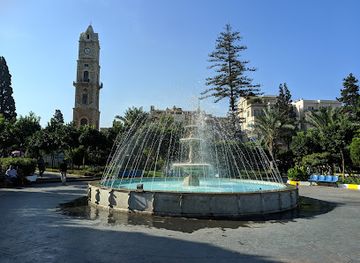
Tripoli Citadel
Explore the historic Tripoli Citadel: a Crusader fortress with panoramic views and layers of Mamluk and Ottoman history.
-
City park
Al Manchieh Park
Escape to Al Manchieh Park in Tripoli: A serene urban oasis with lush greenery, walking paths, and a tranquil atmosphere for all ages.
-
Exhibition and trade centre
Rachid Karami International Fair by Oscar Niemeyer
Explore the Rachid Karami International Fair in Tripoli, a stunning architectural jewel by Oscar Niemeyer, showcasing Lebanon's vibrant culture and art.
-
Mosque
Taynal Mosque
Explore the stunning Taynal Mosque in Tripoli, a historical gem showcasing exquisite Islamic architecture and a rich cultural heritage.



Best landmarks in Zgharta
The most recognisable natural landmark in the region is the forested mountain landscape of Horsh Ehden, whose high ridges and native trees represent an important remnant of Lebanon’s ecological heritage. In Ehden, the town’s churches and old stone buildings provide a strong architectural focus, with Maronite religious foundations and village houses reflecting the area’s long history of settlement. Zgharta’s churches, shrines and traditional urban fabric are less monumental than Lebanon’s major ancient sites, but they are significant to the region’s social and religious identity. Bnachii Lake is a prominent modern landscape feature, contrasting with the dry valleys and densely settled lower hills. The mountain road between Zgharta and Ehden is itself a defining geographical route, tracing the historic relationship between a lowland town and its summer settlement. Across the district, roadside crosses, small chapels, stone walls and terraced slopes create a dispersed heritage landscape rather than a single monumental centre. These places are best understood in connection with local communities, religious practice and seasonal movement.
-
Tourist attraction
Jeita Grotto
Explore the breathtaking Jeita Grotto, a UNESCO World Heritage site in Lebanon, featuring stunning limestone caves and serene underground rivers.
-
Tourist attraction
Al Raouche Rocks
Experience the breathtaking beauty of Al Raouche Rocks, a natural icon of Beirut, rich in history and stunning coastal views.
-
Nature preserve
Cedars of God Bsharri
Discover the breathtaking beauty and ancient history of the Cedars of God in Bsharri, a UNESCO World Heritage Site and natural wonder of Lebanon.
-
Historical landmark
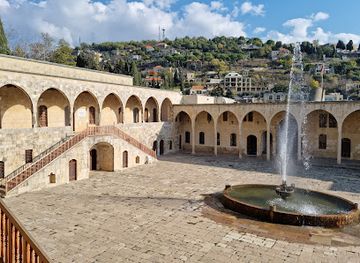
Beiteddine Palace
Explore Beiteddine Palace, a stunning historical landmark in Lebanon, showcasing exquisite architecture and rich cultural heritage amidst beautiful gardens.


Explore Zgharta on the map
Plan your trip on one map. See where the top cities, national parks and sights are, and book hotels and experiences in a few clicks.
Best hotels in Zgharta
Best restaurants in Zgharta
Dining in Zgharta and Ehden reflects the wider culinary traditions of northern Lebanon while making strong use of mountain produce and seasonal hospitality. Restaurants and family-run establishments commonly serve mezze, grilled meats, kibbeh, tabbouleh, stuffed vegetables, yoghurt, olives, bread and fruit, with menus varying according to the season and the character of the village. Ehden is the principal destination for eating after a day in the mountains, offering Lebanese restaurants, cafés and informal summer dining in a cooler setting. Around Zgharta and Bnachii, meals can be combined with local sightseeing and relaxed gatherings near the lower valleys. Look for seasonal vegetables, cherries and other fruit from northern farms, local dairy products, pickles, herbs and pastries. Arak, Lebanon’s anise-flavoured spirit, may accompany a traditional meal, while coffee and tea are served throughout the day. In smaller establishments, payment methods and menu prices should be clarified before ordering, particularly when prices are quoted in different currencies.
-
Restaurant
Bnachii Lake Restaurant
Experience exquisite Lebanese cuisine at Bnachii Lake Restaurant, where stunning views meet delicious flavors in an inviting atmosphere.
-
Asian
Bamboo Asian Cuisine
Discover exquisite Asian flavors at Bamboo Asian Cuisine in Kfar Hatta—where every meal is a celebration of culinary artistry.
-
Lebanese
Jisr Rachiine Restaurant
Discover authentic Lebanese cuisine at Jisr Rachiine Restaurant in Zgharta - a must-visit destination for culinary enthusiasts.
-
Restaurant
Makhlouf-Wakim
Experience authentic Lebanese cuisine with stunning views at Makhlouf-Wakim by Bnachii Lake in Aarjes.


Best bars in Zgharta
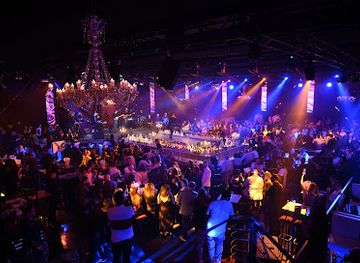
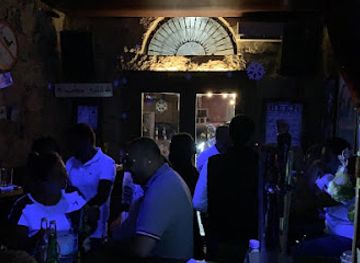
Nightlife in Zgharta is generally social and restaurant-led rather than centred on a large club district. Ehden becomes livelier during the summer, when cafés, restaurants and outdoor terraces attract residents, visitors and families staying in the mountains. Evenings may include long meals, coffee, music and conversation rather than a fixed programme of entertainment. Zgharta has a more local, year-round rhythm, with cafés and restaurants serving as meeting places, while Bnachii is chiefly associated with daytime and early-evening leisure. Some venues may offer live music or a bar-style atmosphere, but availability changes with the season and wider economic conditions. Visitors should not expect the all-night scene associated with Beirut; the appeal lies in mountain evenings, dining and hospitality. Taxis or a designated driver are advisable after drinking, particularly on steep roads between Ehden and lower settlements.
-
Lebanese
Jisr Rachiine Restaurant
Discover the authentic flavors of Lebanon at Jisr Rachiine Restaurant, where every dish tells a story of tradition and culinary artistry.
-
Bar
Brut Bar
Experience the vibrant atmosphere of Brut Bar, where exceptional wines and craft beers meet friendly service in the heart of Zahlé.
-
Restaurant
Beit Al Chaykha-Riviera Merdachieh
Discover the heart of Lebanese flavors at Beit Al Chaykha-Riviera Merdachieh, a must-visit restaurant for an authentic culinary experience.
-
Restaurant
Aleco's Cafe - Resto
Discover the rich flavors of Lebanese cuisine at Aleco's Cafe - Resto, Tripoli's culinary treasure offering a delightful dining experience.


Best nightclubs in Zgharta
Nightlife in Zgharta is generally social and restaurant-led rather than centred on a large club district. Ehden becomes livelier during the summer, when cafés, restaurants and outdoor terraces attract residents, visitors and families staying in the mountains. Evenings may include long meals, coffee, music and conversation rather than a fixed programme of entertainment. Zgharta has a more local, year-round rhythm, with cafés and restaurants serving as meeting places, while Bnachii is chiefly associated with daytime and early-evening leisure. Some venues may offer live music or a bar-style atmosphere, but availability changes with the season and wider economic conditions. Visitors should not expect the all-night scene associated with Beirut; the appeal lies in mountain evenings, dining and hospitality. Taxis or a designated driver are advisable after drinking, particularly on steep roads between Ehden and lower settlements.
-
Disco club
Void nightclub
Dive into the vibrant nightlife of Batroun at Void Nightclub, where electrifying beats and stunning visuals create unforgettable moments.
-
Disco club
X Lounge Batroun
Experience the vibrant nightlife at X Lounge Batroun, the ultimate disco club with stunning sea views and electrifying music in Lebanon.
-
Bar
Minus Pub
Minus Pub in Ehden: Experience the best of Lebanese nightlife with a vibrant atmosphere, exceptional drinks, and friendly locals.
-
Night club
club7 night club
Unleash your inner party spirit at Club7 Night Club in Ghazir, where vibrant music and electrifying dances create an unforgettable nightlife experience.

Best shops in Zgharta
Shopping in Zgharta is oriented towards daily life, food and local connections rather than large-scale destination retail. The town offers practical shops, bakeries, cafés and small businesses, while Ehden’s summer economy includes boutiques, souvenir outlets, craft items and shops selling Lebanese food products. Visitors can look for jars of pickles, preserves, olive oil, herbs, sweets, coffee and other regional provisions, although availability depends on the season and individual producers. Village bakeries and food shops may provide more useful souvenirs than generic tourist merchandise. Independent craft and gift shops in Ehden can include religious objects, decorative pieces and locally themed products, while markets and small traders may appear more actively during the summer period. Prices and payment methods should be checked before purchase, especially for handmade goods and products sold by weight. For a broader selection of books, specialist goods or modern retail, visitors generally travel to larger urban centres outside the region, particularly Tripoli.
-
Supermarket
Kadisha
Explore local flavors and essentials at Kadisha, the premier supermarket in Bohssas, Lebanon, perfect for tourists looking for authentic products.
-
Furniture store
Derjani Home Center
Explore Derjani Home Center in Zgharta, Lebanon, for unique furniture designs and exceptional home decor that reflect quality and style.
-
Coffee shop
Vee Coffee Shop Zgharta
Experience the essence of Zgharta at Vee Coffee Shop, where every cup is crafted to perfection in a warm and inviting atmosphere.
-
Hypermarket
Kadisha Hypermarket - Qobeh
Discover the vibrant shopping experience at Kadisha Hypermarket in Tripoli, where local culture meets convenience and variety.


Get your free copy of our complete guide to Zgharta, delivered straight to you.
Everything on this page, from attractions and restaurants to essentials and local phrases, in one PDF you can read offline, print or share.
Already have an account? Sign in
Your Zgharta guide is ready.
We'll send it to · Not you? Sign out

Getting your guide ready…
We are putting together a fresh copy of the Zgharta guide. This can take up to a minute.
This can take a few moments. If your browser asks, choose Allow so the download can start. You'll find the guide in your Downloads folder.
Nothing happened? Download it again
Sorry, the guide is taking longer than usual. Please try again in a minute, or get it by email instead.
Zgharta essentials
Currency and Payment
Safety
Emergency Situations
Do's and Don'ts
Local Tips
From Eve
Local phrases worth knowing
You don't need to get them perfect. A few words go a long way, and locals appreciate the effort.
Basics
| English | Local | Say it |
|---|---|---|
| Hello | مرحبا | [Marhaba] |
| Goodbye | مع السلامة | [Ma'a as-salama] |
| Yes | نعم | [Na'am] |
| No | لا | [La] |
| Please/You're welcome | من فضلك | [Min fadlik] |
| Thank you | شكرا | [Shukran] |
| Excuse me/Sorry | عفوا | [Afwan] |
| How are you? | كيف حالك؟ | [Kayfa halak?] |
| Fine. And you? | بخير. وأنت؟ | [Bikhair. Wa anta?] |
| Do you speak English? | هل تتكلم الإنجليزية؟ | [Hal tatakallam al-ingliziyya?] |
| I don't understand | لا أفهم | [La afham] |
Eating & Drinking
| English | Local | Say it |
|---|---|---|
| I'd like to see the menu, please | أود رؤية القائمة، من فضلك | [Awad ru'yat al-qa'ima, min fadlik] |
| I don't eat meat | لا أأكل اللحم | [La akul al-lahm] |
| Cheers! | في صحتك! | [Fi sihtak!] |
| I would like to pay, please | أود الدفع، من فضلك | [Awad ad-daf', min fadlik] |
Emergencies
| English | Local | Say it |
|---|---|---|
| Help! | ساعدني! | [Sa'idni!] |
| Go away! | ابتعد! | [Ibt'id!] |
| Call the Police! | اتصل بالشرطة! | [Ittasil bil-shurta!] |
| Call a doctor! | اتصل بطبيب! | [Ittasil bi-tabeeb!] |
| I'm lost | أنا ضائع | [Ana da'i'] |
| I'm ill | أنا مريض | [Ana marid] |
Shopping
| English | Local | Say it |
|---|---|---|
| I'd like to buy... | أود شراء... | [Awad shira'] |
| I'm just looking | أنا فقط أنظر | [Ana faqat anzur] |
| How much is it? | كم ثمنه؟ | [Kam thamanuh?] |
| That's too expensive | هذا غالي جدا | [Hatha ghali jidan] |
| Can you lower the price? | هل يمكنك تخفيض السعر؟ | [Hal yumkinuk takhfid as-si'r?] |
Time & Numbers
| English | Local | Say it |
|---|---|---|
| What time is it? | كم الساعة؟ | [Kam as-saa'a?] |
| It's one o'clock | الساعة واحدة | [As-saa'a wahida] |
| Half past (10) | نصف (10) | [Nisf (10)] |
| Morning | صباحا | [Sabahan] |
| Afternoon | بعد الظهر | [Ba'd az-zuhur] |
| Evening | مساء | [Masa'] |
| Yesterday | أمس | [Ams] |
| Today | اليوم | [Al-yawm] |
| Tomorrow | غدا | [Ghadan] |
| 1 | واحد | [Wahid] |
| 2 | اثنان | [Ithnan] |
| 3 | ثلاثة | [Thalatha] |
| 4 | أربعة | [Arba'a] |
| 5 | خمسة | [Khamsa] |
| 6 | ستة | [Sitta] |
| 7 | سبعة | [Sab'a] |
| 8 | ثمانية | [Thamaniya] |
| 9 | تسعة | [Tis'a] |
| 10 | عشرة | [Ashara] |
Transport & Directions
| English | Local | Say it |
|---|---|---|
| Where's a/the...? | أين...؟ | [Ayn...?] |
| What's the address? | ما هو العنوان؟ | [Ma huwa al-'unwan?] |
| Can you show me (on the map)? | هل يمكنك أن تريني (على الخريطة)؟ | [Hal yumkinuk an turini (ala al-kharita)?] |
| When's the next (bus)? | متى يأتي (الباص) التالي؟ | [Mata ya'ti (al-bas) at-tali?] |
| A ticket (to ....) | تذكرة (إلى...) | [Tadhkira (ila...)] |
History of Zgharta
Early Settlement and the Northern Mountain Landscape
The mountains and valleys around present-day Zgharta have been inhabited since antiquity, although the surviving evidence is uneven and often incorporated into later settlement. The region’s position between the northern coastal plain and the interior highlands encouraged movement, agriculture and interaction between communities. Terraced slopes, village sites and old routes reflect a long relationship between people and difficult mountain terrain. Much of the visible built heritage belongs to later periods, but it rests on a landscape that has supported farming and settlement for centuries.
Maronite Communities in Northern Lebanon
From the medieval period onwards, northern Lebanon’s valleys and mountains became important centres of Maronite Christian life. Communities established villages, churches and monastic institutions in landscapes that offered both protection and agricultural opportunities. Zgharta and Ehden developed within this wider northern Maronite world, maintaining links with neighbouring settlements through family, religious and seasonal networks. Churches and shrines across the region remain the clearest visible expression of this history, while local traditions preserve memories of migration, community defence and religious leadership.
Medieval and Ottoman-Era Village Development
The region changed under successive Islamic empires, including the Mamluks and Ottomans, while local Christian communities continued to manage village affairs, cultivate mountain land and maintain religious institutions. The Ottoman period brought the area into wider administrative and commercial systems connecting the northern mountains with Tripoli and the coast. Traditional houses, churches, agricultural terraces and old village layouts offer partial reminders of this period. The economy depended on farming, livestock, seasonal movement and exchange between upland villages and lower markets.
Ehden and the Seasonal Mountain Economy
Ehden’s high elevation gave it a particular role in the seasonal life of northern Lebanon. Families from lower settlements traditionally moved towards the mountains during the warmer months, seeking cooler conditions and access to summer grazing and cultivation. Over time, Ehden also became known as a summer residence and leisure destination, with villas, restaurants and improved roads complementing its older village fabric. This seasonal pattern remains an important part of the relationship between Zgharta town and the surrounding highland communities.
The Mandate Period and the Creation of Modern Lebanon
After the First World War, the territory that became the Lebanese Republic was reorganised under the French Mandate before independence in 1943. Northern Lebanon’s towns and villages were drawn into new administrative, educational and transport structures, while older religious and family networks remained influential. Zgharta’s position near Tripoli and the mountain routes gave it continuing regional importance. Modern roads, schools, public institutions and migration gradually changed local life without erasing the authority of village communities or the importance of seasonal residence.
Political Influence and the Frangieh Family
Zgharta has been closely associated with the Frangieh family, one of Lebanon’s prominent political families. Suleiman Frangieh served as President of Lebanon from 1970 to 1976, and the family has remained influential in national and northern Lebanese politics. This prominence became especially significant during the Lebanese Civil War, when political and sectarian alliances shaped life across the country. The region should not be understood only through political history, but that history helps explain Zgharta’s public profile and the importance of family networks in local affairs.
Civil War, Reconstruction and Contemporary Change
Lebanon’s Civil War, lasting from 1975 to 1990, affected northern communities through political tension, displacement, economic disruption and changing security conditions. The Zgharta area experienced these national pressures while retaining strong local institutions and family ties. Since the war, roads, tourism, communications and outward migration have reshaped the region. Ehden has developed as a seasonal mountain centre, while Zgharta remains an important local town. Economic uncertainty, infrastructure pressures and environmental protection now sit alongside the region’s historic religious and village identity.
Zgharta in Photos
Browse through our photo collection highlighting the charm and character of the destination.
Neighbouring regions of Zgharta
The closest regions to Zgharta, if you have time for more than one.
-

-
-

-
-


Swipe for more regions
Explore more

Explore more of Lebanon
Discover Lebanon: A land of ancient history, vibrant culture, stunning landscapes, and delicious cuisine, nestled on the Mediterranean coast.
Explore Lebanon