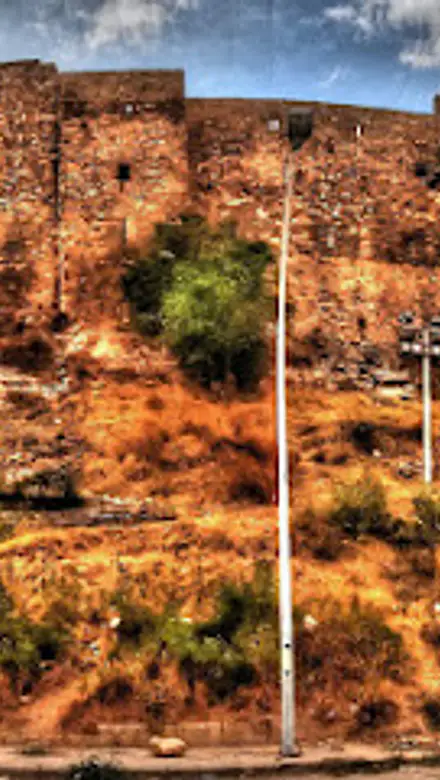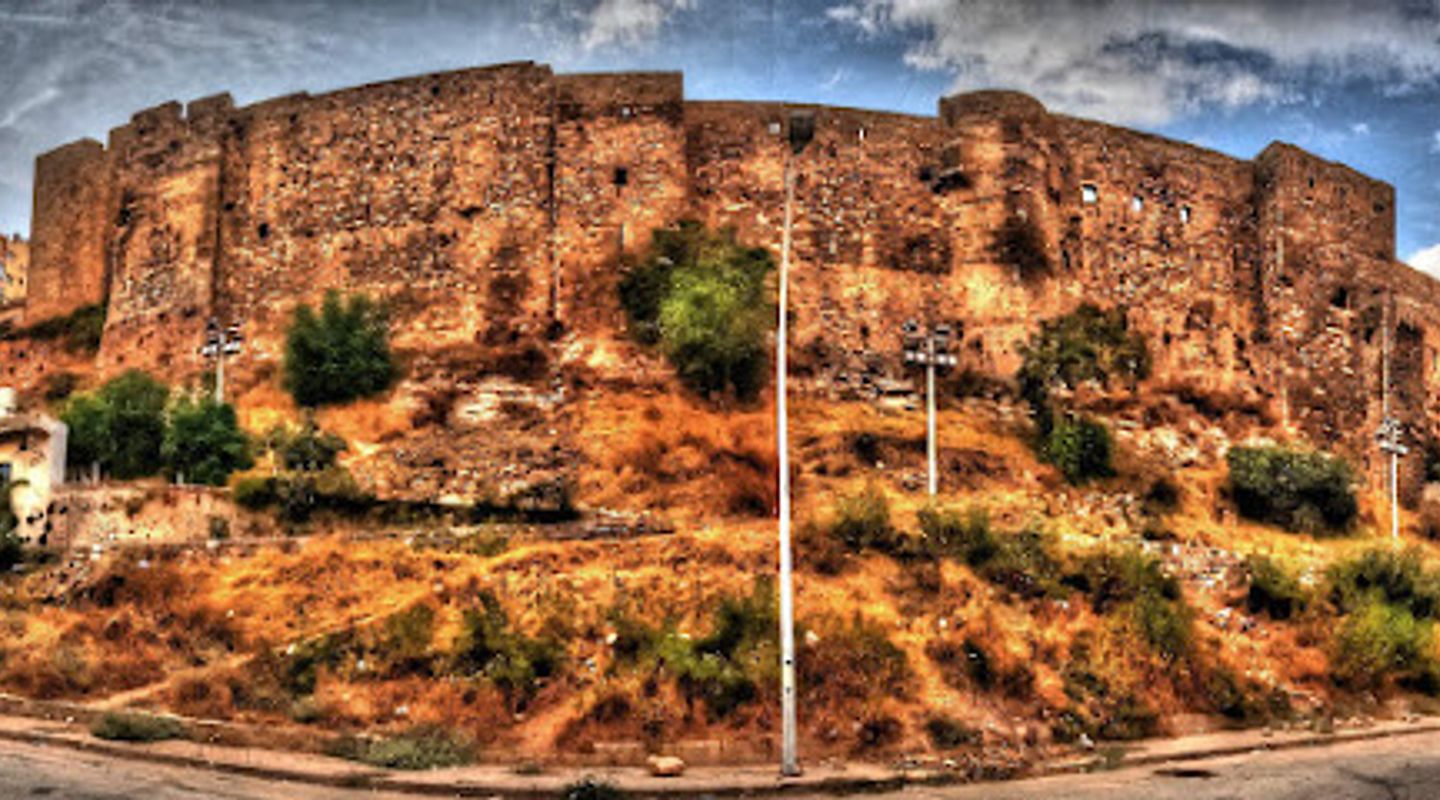
Tripoli Citadel, Zgharta Travel Guide
Explore the historic Tripoli Citadel: a Crusader fortress with panoramic views and layers of Mamluk and Ottoman history.
The Tripoli Citadel, also known as the Citadel of Raymond de Saint-Gilles, is a historic fortress in Tripoli, Lebanon, showcasing a blend of Crusader, Mamluk, and Ottoman influences. Overlooking the city, it offers panoramic views and a glimpse into Tripoli's rich past.
A brief summary to Tripoli Citadel
- CRMV+9R6, Tripoli, LB
- Click to display
- Monday 9 am-5 pm
- Tuesday 9 am-5 pm
- Wednesday 9 am-5 pm
- Thursday 9 am-5 pm
- Friday 9 am-5 pm
- Saturday 9 am-5 pm
- Sunday 9 am-5 pm

Know before you go
Hi, I'm Eve. Here are a few practical things to know before exploring Tripoli Citadel.
- Wear comfortable shoes, as exploring the citadel involves walking on uneven terrain.
- Visit in the morning or late afternoon to avoid the midday heat.
- Check local event calendars for festivals or exhibitions that may be taking place at the citadel.
- Allocate at least 1-2 hours to fully explore the citadel.
Do you manage this location?
Take control to get all the benefits, like improved information, better appearance, and stronger visibility across AI-powered discovery. Learn more about listing your business on Evendo
Activate your presenceOther nearby places you may find interesting
The closest places of the same kind, if this one is not quite what you had in mind.
Explore Tripoli Citadel on the Map
A handpicked selection of must-see spots near Tripoli Citadel, mapped for you.
Unlock the Best of Tripoli Citadel
Buy tickets
-
No tickets available
Book tours with entry


Getting There
-
Walking
From the Tripoli city center, the Citadel is a short climb. Head towards the Abou Ali River, keeping the Citadel in view atop the hill. The walk involves navigating some slopes and possibly stairs. Local shops and landmarks can guide you. No costs involved.
-
Taxi
Taxis are readily available throughout Tripoli. A short taxi ride from the city center or major hotels to the Citadel should cost approximately 50,000-75,000 LBP, depending on traffic and distance. Confirm the fare before starting your journey. Ride-sharing services may also be available.
Discover more about Tripoli Citadel













Your all‑in‑one travel companion app
Explore expert travel guides, compare and book tours, experiences, hotels, and more—all from the palm of your hand. Download now for seamless trip planning wherever your wanderlust takes you.


Explore More of Zgharta
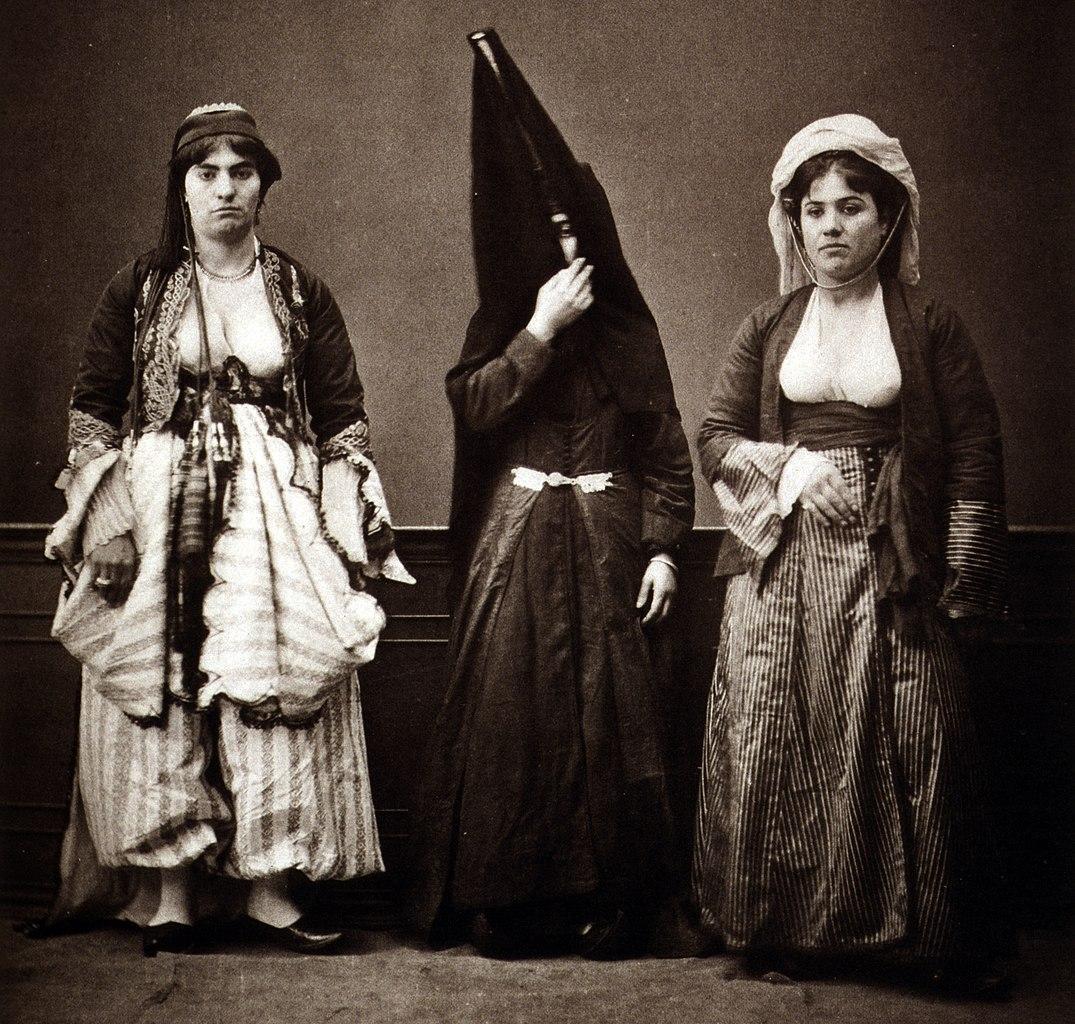
Looking beyond Tripoli Citadel? Discover Zgharta for broader travel guides, local hot-spots, and regional highlights.
Explore Zgharta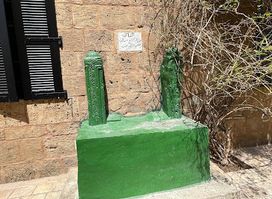
Explore Burj Al-Sheikh Affan in Mina, Lebanon: A historical landmark offering a glimpse into the city's vibrant past and trading heritage.
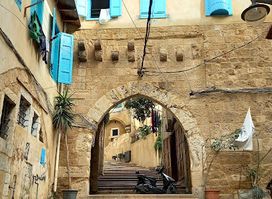
Discover Talat al-Muhatir in Tripoli, Lebanon, for breathtaking panoramic views, a tranquil escape, and a glimpse into the region's rich history.