

Free Ghat Travel Guide & Mobile App
Explore Ghat with free travel guides. Discover regional history, expert tips, proposed trips, and audio guides on web or mobile app.


Explore Ghat in Libya’s Fezzan, a Tuareg oasis town beside the Acacus Mountains, prehistoric rock art and vast Saharan landscapes.
Read more about Ghat
When is the best time to visit Ghat?
Best: February–March, November · 20–25°C| Month | High (°C) | Rainfall (mm) |
|---|---|---|
| January | 17 | 1 |
| February (best) | 20 | 1 |
| March (best) | 25 | 1 |
| April | 30 | 1 |
| May | 36 | 1 |
| June | 41 | 1 |
| July | 43 | 1 |
| August | 42 | 1 |
| September | 38 | 1 |
| October | 31 | 1 |
| November (best) | 24 | 1 |
| December | 18 | 1 |
Getting to and around Ghat
How to get there
Transportation
Destinations in Ghat
Resorts, valleys and scenic spots worth a trip of their own.

Swipe for more destinations
Best attractions in Ghat
Ghat’s attractions combine oasis history, Tuareg culture and one of the Sahara’s most important archaeological landscapes. The old town, with its compact mud-brick streets and courtyard houses, offers a direct impression of how communities adapted architecture to desert heat and limited resources. Local cultural interpretation, where available, helps place the town within the history of caravan movement and the wider Fezzan. Beyond the settlement, the Tadrart Acacus presents sandstone valleys, eroded towers, rock shelters and prehistoric paintings and engravings depicting animals, herding and human activity from wetter phases of Saharan history. The landscape is as important as the individual images, with geology and archaeology closely intertwined. Desert excursions may also reveal broad gravel plains, isolated rock formations and changing light across the escarpments, but they require experienced guides, capable vehicles and careful conservation practices. Ghat is not a destination for mass tourism or casual sightseeing: its appeal lies in the scale, remoteness and cultural depth of its surroundings, with access and security conditions determining what can responsibly be visited.
-
Tourist attraction
Martyr's Square
Explore Tripoli's Martyr's Square: a historic landmark, cultural hub, and symbol of Libyan resilience in the heart of the city.
-
Tourist attraction
Benghazi Zoo
Explore the captivating Benghazi Zoo, a family-friendly attraction showcasing diverse wildlife and beautiful park landscapes in the heart of Libya.
-
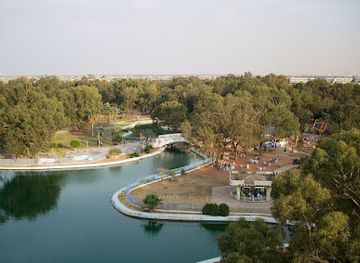
Al Nasr Forest
Escape to nature in the heart of Tripoli at Al Nasr Forest, a tranquil oasis for relaxation and recreation.
-
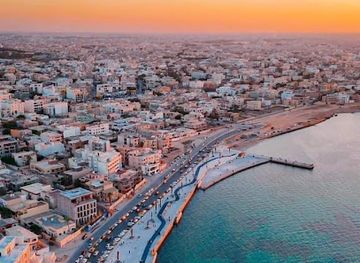
Hay Al-Andalus Corniche
Experience the serene beauty of Hay Al-Andalus Corniche in Tripoli, a perfect blend of nature, relaxation, and stunning Mediterranean views.

Best landmarks in Ghat
The old settlement of Ghat is the region’s principal built landmark, its mud-brick walls, narrow lanes and traditional domestic architecture reflecting centuries of oasis life and caravan exchange. Its importance lies less in a single monumental building than in the survival of an urban form shaped by climate, community and desert commerce. The Acacus Mountains provide the area’s defining natural landmark: weathered sandstone ridges, ravines and rock shelters rise from the surrounding Sahara in forms created by erosion over immense periods. Within this landscape, prehistoric paintings and engravings constitute landmarks of global archaeological importance, preserving evidence of animals, herders and changing human societies. The Tadrart Acacus is also a protected World Heritage landscape, so its significance is inseparable from the obligation to conserve it. Around Ghat, the contrast between the oasis settlement and the open desert is itself visually and historically meaningful, marking the meeting point of water, habitation, caravan routes and an immense geological environment.
-
Historical landmark
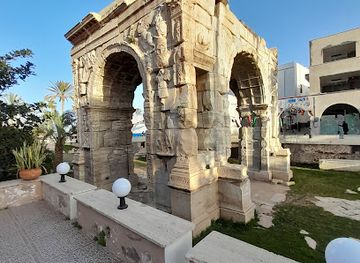
Arc of Marcus Aurelius
Discover the Arc of Marcus Aurelius in Tripoli, a stunning historical landmark that showcases the city's rich Roman heritage and vibrant culture.
-
Zoo
Benghazi Zoo
Explore Benghazi Zoo: A captivating family-friendly destination showcasing diverse wildlife and lush landscapes in Northern Al Fwayhat.
-
Archaeological museum
Saraya Museum
Discover the fascinating history of Libya at Saraya Museum, an archaeological gem in the heart of Tripoli's Old City, perfect for culture and history lovers.
-
City park
Hay Al-Andalus Corniche
Experience the enchanting beauty of Hay Al-Andalus Corniche, Tripoli’s serene city park, offering stunning Mediterranean views and a perfect retreat for tourists.
Explore Ghat on the map
Plan your trip on one map. See where the top cities, national parks and sights are, and book hotels and experiences in a few clicks.
Best hotels in Ghat
Best restaurants in Ghat
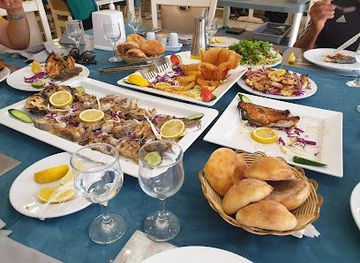
Dining in Ghat is modest and closely connected with local hospitality rather than a developed restaurant industry. Visitors are most likely to encounter simple cafés, small eateries and meals arranged through accommodation providers or desert operators. Common foods in the wider Fezzan include couscous, rice, soups, flatbreads and stews prepared with vegetables, dates or meat, while tea is an important part of social hospitality. Dates and other shelf-stable provisions are especially practical in an oasis environment, and meals taken during desert journeys are often prepared around a camp or supplied in advance. Menus, opening arrangements and food supplies can be limited, so organised visitors should discuss dietary needs before arrival and carry suitable supplementary provisions for remote excursions. Ghat’s food culture is best approached as part of everyday Saharan life: shared meals, sweet tea and practical desert cooking matter more than formal dining rooms or an extensive choice of international cuisine.
-
Lebanese
Fattoush Lebanese Restaurant
Experience authentic Lebanese flavors at Fattoush Restaurant in Tripoli - where every dish tells a story.
-
Seafood
Rubian Restuarant
Experience authentic Libyan seafood at Rubian Restaurant - a culinary gem in Tripoli offering fresh flavors and vibrant ambiance.
-
Restaurant
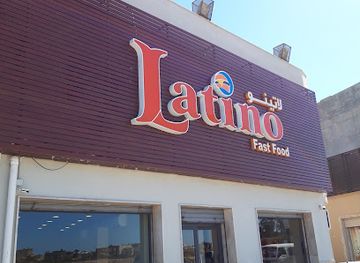
Latino
Discover authentic Libyan cuisine at Latino in Tripoli – where every dish tells a story of rich flavors and cultural heritage.
-
Restaurant
Aldyafa Restaurant
Experience the flavors of Libya at Aldyafa Restaurant in Tripoli, where local cuisine meets international flair.
Best bars in Ghat
Ghat does not have a conventional bar or nightclub scene. Evening social life is more likely to centre on family gatherings, cafés, tea, local conversation and hospitality arranged through accommodation or tour groups. Alcohol should not be expected and may be restricted under Libyan law and local practice. After dark, the desert itself becomes a major part of the experience, with exceptionally dark skies away from the town, although visitors should remain with their group and follow guidance about lighting, movement and security. Small-scale cultural gatherings or music may occur, but these are not dependable scheduled attractions and should never be assumed to operate at a particular time. Respectful, low-key behaviour is appropriate, especially in residential areas and during religious or family occasions.
-
Lebanese
Fattoush Lebanese Restaurant
Experience authentic Lebanese cuisine at Fattoush Restaurant in Tripoli, where every dish tells a story and every meal is a celebration.
-
Shopping mall
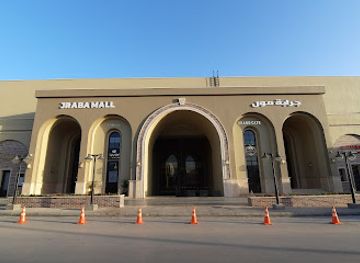
Al-Jaraba Mall
Discover Al-Jaraba Mall in Tripoli: A modern shopping experience with diverse brands, delightful dining, and family-friendly entertainment.
-
Restaurant
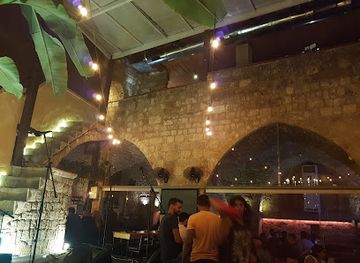
Timmy's
Discover the flavors of Lebanon at Timmy's, a must-visit restaurant in Mina offering a delightful Mediterranean dining experience.
-
Hotel
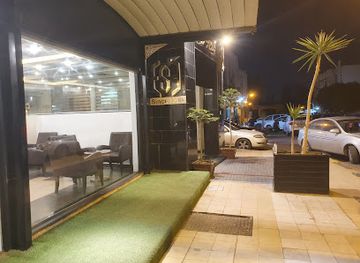
Hotel Al-Safwa
Discover the unique charm of Hotel Al-Safwa in Tripoli, where comfort meets Libyan hospitality in a tranquil atmosphere.
Best nightclubs in Ghat
Ghat does not have a conventional bar or nightclub scene. Evening social life is more likely to centre on family gatherings, cafés, tea, local conversation and hospitality arranged through accommodation or tour groups. Alcohol should not be expected and may be restricted under Libyan law and local practice. After dark, the desert itself becomes a major part of the experience, with exceptionally dark skies away from the town, although visitors should remain with their group and follow guidance about lighting, movement and security. Small-scale cultural gatherings or music may occur, but these are not dependable scheduled attractions and should never be assumed to operate at a particular time. Respectful, low-key behaviour is appropriate, especially in residential areas and during religious or family occasions.
-
Gym
Fitness Time
Discover Fitness Time in Tripoli, a vibrant gym for all fitness levels, offering modern equipment, group classes, and personal training to keep you active.
-
Clothing store
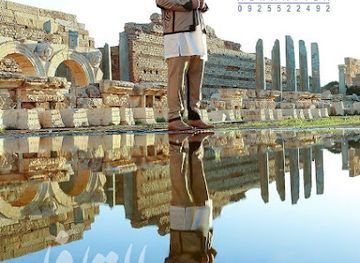
القافلة للزي العربي
Explore Khoms' vibrant heritage through traditional attire at Al-Qafila for Arab Clothing, where culture meets fashion.
-
Lounge
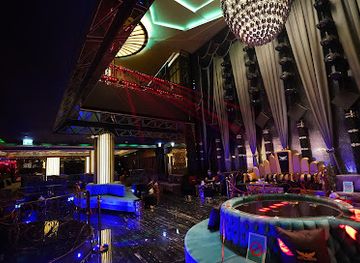
Casa Dunia Club
Experience the vibrant nightlife at Casa Dunia Club, Abu Dhabi's top lounge for cocktails, dancing, and unforgettable evenings.
-
Gym
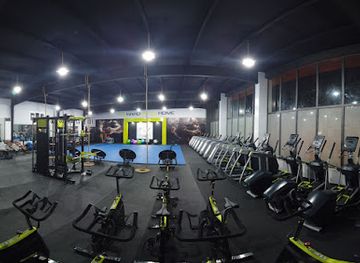
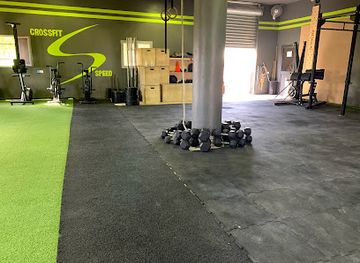
CROSSFIT SPEED Fitness centre
Discover the vibrant community and cutting-edge facilities at CROSSFIT SPEED, Tripoli's leading fitness destination for all levels.
Best shops in Ghat
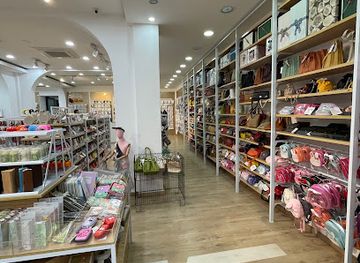
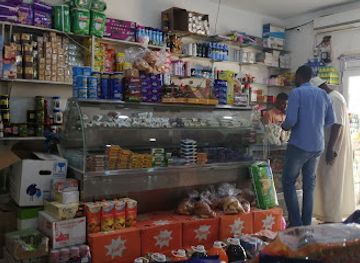
Shopping in Ghat is practical and local rather than centred on large retail districts. Small shops and market stalls may provide food, household goods, clothing and supplies, while visitors may find locally made items associated with Tuareg culture, including leatherwork, textiles, jewellery and metal or wooden craft. Availability, authenticity and prices vary, so purchases should be made respectfully and without removing archaeological material or buying objects whose provenance is unclear. Dates and other oasis products can make appropriate regional gifts when legally and hygienically packaged for travel. There is no guarantee of a permanent tourist market or a broad selection of souvenirs, and retail hours and stock can change. Ask a trusted guide or host about reputable artisans and avoid purchasing antiquities, fossils or rock-art fragments, which may have been removed unlawfully from the desert and whose trade damages the region’s heritage.
-
Shopping mall
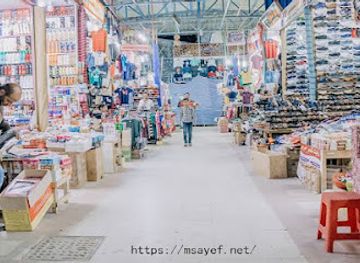
سوق ليبيا مرسى مطروح - Marsa Matrouh
Experience the lively Marsa Matrouh Market, a shopper's paradise with local crafts, delicious street food, and a vibrant atmosphere on Egypt's stunning coast.
-
Fashion accessories store
SOOMRAN SHOP
Explore the vibrant fashion scene at Soomran Shop in Tripoli, offering unique accessories that celebrate Libyan culture and style.
-
Supermarket
Alsrif market الشريف ماركيت
Experience the vibrant atmosphere of Alsrif Market in Ghat, where local flavors and culture come together in a unique shopping adventure.
-
 Gift shop
Turquoise store - متجر تركواز
Explore the vibrant culture of Libya with unique gifts and crafts at the Turquoise Store in Tripoli, a treasure trove for every traveler.
Get your free copy of our complete guide to Ghat, delivered straight to you.
Everything on this page, from attractions and restaurants to essentials and local phrases, in one PDF you can read offline, print or share.
Already have an account? Sign in
Your Ghat guide is ready.
We'll send it to · Not you? Sign out

Getting your guide ready…
We are putting together a fresh copy of the Ghat guide. This can take up to a minute.
This can take a few moments. If your browser asks, choose Allow so the download can start. You'll find the guide in your Downloads folder.
Nothing happened? Download it again
Sorry, the guide is taking longer than usual. Please try again in a minute, or get it by email instead.
Ghat essentials
Currency and Payment
Safety
Emergency Situations
Do's and Don'ts
Local Tips
From Eve
Local phrases worth knowing
You don't need to get them perfect. A few words go a long way, and locals appreciate the effort.
Basics
| English | Local | Say it |
|---|---|---|
| Hello | مرحبا | [Marhaban] |
| Goodbye | وداعا | [Wadā'an] |
| Yes | نعم | [Na'am] |
| No | لا | [Lā] |
| Please/You're welcome | من فضلك | [Min faḍlik] |
| Thank you | شكرا | [Shukran] |
| Excuse me/Sorry | عذرا | [ʿUḏran] |
| How are you? | كيف حالك؟ | [Kayfa ḥālak?] |
| Fine. And you? | بخير. وأنت؟ | [Bi-khayr. Wa anta?] |
| Do you speak English? | هل تتحدث الإنجليزية؟ | [Hal tataḥaddath al-inglīziyyah?] |
| I don't understand | لا أفهم | [Lā afham] |
Eating & Drinking
| English | Local | Say it |
|---|---|---|
| I'd like to see the menu, please | أود رؤية القائمة، من فضلك | [Awad rū'yat al-qā'imah, min faḍlik] |
| I don't eat meat | لا آكل اللحم | [Lā ākul al-laḥm] |
| Cheers! | في صحتك! | [Fī ṣiḥḥatik!] |
| I would like to pay, please | أود الدفع، من فضلك | [Awad al-dafʿ, min faḍlik] |
Emergencies
| English | Local | Say it |
|---|---|---|
| Help! | نجدة! | [Najdah!] |
| Go away! | ابتعد! | [Ibtʿid!] |
| Call the Police! | اتصل بالشرطة! | [Ittiṣil bil-shurṭah!] |
| Call a doctor! | اتصل بالطبيب! | [Ittiṣil bil-ṭabīb!] |
| I'm lost | أنا ضائع | [Anā ḍā'iʿ] |
| I'm ill | أنا مريض | [Anā marīḍ] |
Shopping
| English | Local | Say it |
|---|---|---|
| I'd like to buy... | أود شراء... | [Awad shirā'] |
| I'm just looking | أنا فقط أنظر | [Anā faqaṭ anẓur] |
| How much is it? | كم ثمنه؟ | [Kam thamanuh?] |
| That's too expensive | هذا مكلف جدا | [Hādhā mukallaf jiddan] |
| Can you lower the price? | هل يمكنك خفض السعر؟ | [Hal yumkinuka khafḍ al-siʿr?] |
Time & Numbers
| English | Local | Say it |
|---|---|---|
| What time is it? | كم الساعة؟ | [Kam al-sāʿah?] |
| It's one o'clock | الساعة الواحدة | [Al-sāʿah al-wāḥidah] |
| Half past (10) | نصف الساعة (10) | [Niṣf al-sāʿah (10)] |
| Morning | صباح | [Ṣabāḥ] |
| Afternoon | بعد الظهر | [Baʿd al-ẓuhr] |
| Evening | مساء | [Masā'] |
| Yesterday | أمس | [Ams] |
| Today | اليوم | [Al-yawm] |
| Tomorrow | غدا | [Ghadā] |
| 1 | 1 | [1] |
| 2 | 2 | [2] |
| 3 | 3 | [3] |
| 4 | 4 | [4] |
| 5 | 5 | [5] |
| 6 | 6 | [6] |
| 7 | 7 | [7] |
| 8 | 8 | [8] |
| 9 | 9 | [9] |
| 10 | 10 | [10] |
Transport & Directions
| English | Local | Say it |
|---|---|---|
| Where's a/the...? | أين...؟ | [Ayn...?] |
| What's the address? | ما هو العنوان؟ | [Mā huwa al-ʿunwān?] |
| Can you show me (on the map)? | هل يمكنك إرشادي (على الخريطة)؟ | [Hal yumkinuka irshādī (ʿalā al-kharīṭah)?] |
| When's the next (bus)? | متى يأتي (الباص) التالي؟ | [Matā ya'tī (al-bāṣ) al-tālī?] |
| A ticket (to ....) | تذكرة (إلى ....) | [Tadhkirah (ilā ....)] |
History of Ghat
Saharan Hunter-Gatherers and Pastoralists
The Acacus and nearby desert valleys preserve evidence of human activity extending back thousands of years. Rock paintings and engravings record changing environments and ways of life, including hunting, herding and the keeping of cattle during wetter phases of Saharan prehistory. Images of animals now absent from the region demonstrate how dramatically climate and vegetation changed. These sites are not simply works of art; they form an archaeological record of movement, subsistence and adaptation across the central Sahara.
The Garamantian World
From roughly the first millennium BC into late antiquity, the Garamantes developed an influential society in the Fezzan. Their principal centres lay farther east around the Wadi al-Hayat, but their political and economic world extended across caravan routes and desert settlements connected with the Ghat area. Underground water channels, oasis agriculture and long-distance exchange allowed communities to prosper in an environment that appears barren today. Garamantian influence forms an important part of the wider historical landscape in which Ghat later emerged as a caravan town.
Trans-Saharan Trade and Tuareg Networks
For centuries, Ghat benefited from routes crossing the Sahara between North Africa and regions farther south. Caravans carried goods, people and information, while oasis settlements supplied water, food and guides. Tuareg communities played a major role in desert mobility and regional commerce. Ghat’s architecture and cultural traditions reflect this history of movement, with the town functioning not only as a place of residence but also as a point of contact between different Saharan societies.
Ottoman and Local Rule in the Fezzan
Ottoman authority in Libya developed unevenly, and the remote Fezzan retained considerable importance for local rulers, religious figures and desert communities. Ghat’s position near routes towards the central Sahara gave it strategic value, though effective control depended on alliances and the ability to secure water points and caravan movement. The period helped connect local political life with wider Ottoman administration while leaving substantial authority in the hands of regional communities.
Italian Colonial Expansion
Italy invaded Ottoman Libya in 1911 and gradually extended its control over parts of the interior, although resistance and the difficulties of desert administration made the Fezzan particularly challenging. Ghat became involved in the political and military contest surrounding colonial rule, borders and caravan routes. Italian activities altered administrative structures and communications, but did not erase local Tuareg identities or the practical importance of oasis knowledge and regional alliances.
The Fezzan Kingdom and Libyan Independence
After the Second World War, the Fezzan was one of the territories that formed the independent Kingdom of Libya in 1951. The new state inherited a region with limited infrastructure, small dispersed settlements and strong local identities. Ghat’s place within independent Libya increasingly depended on roads, air links and state administration rather than solely on caravan commerce. The political integration of the Fezzan remains essential to understanding the region’s modern history.
Heritage Recognition and Contemporary Challenges
The rock-art landscapes of the Tadrart Acacus were inscribed on the UNESCO World Heritage List in 1985, recognising their exceptional archaeological value. The heritage area has since faced threats including vandalism, illicit removal of material, environmental pressures and instability. For Ghat, the challenge is to protect a globally important desert legacy while supporting local communities and managing access responsibly. Contemporary visits therefore depend as much on conservation and security arrangements as on the attractions themselves.
Ghat in Photos
Browse through our photo collection highlighting the charm and character of the destination.
Neighbouring regions of Ghat
The closest regions to Ghat, if you have time for more than one.
-

-

-

-

-


Swipe for more regions
Explore more

Explore more of Libya
Discover Libya: Ancient ruins, vast deserts, and Mediterranean charm await in this North African gem.
Explore Libya