Tripoli Martyrs Square Travel Guide
Free Guide: Discover the rich historical significance and vibrant atmosphere of Tripoli Martyrs Square, a tribute to freedom and resilience in Libya's capital.


A brief summary of Tripoli Martyrs Square
Discover the rich historical significance and vibrant atmosphere of Tripoli Martyrs Square, a tribute to freedom and resilience in Libya's capital.
Tripoli Martyrs Square, a poignant space of remembrance, captures the spirit of resilience in Libya's capital. The square is a bustling hub, surrounded by historical architecture and vibrant local life.
- Address
- Tripoli Castle, Tripoli
Getting there
Car
Public Transportation
Walking from Nearby Locations
Discover more about Tripoli Martyrs Square
Overview
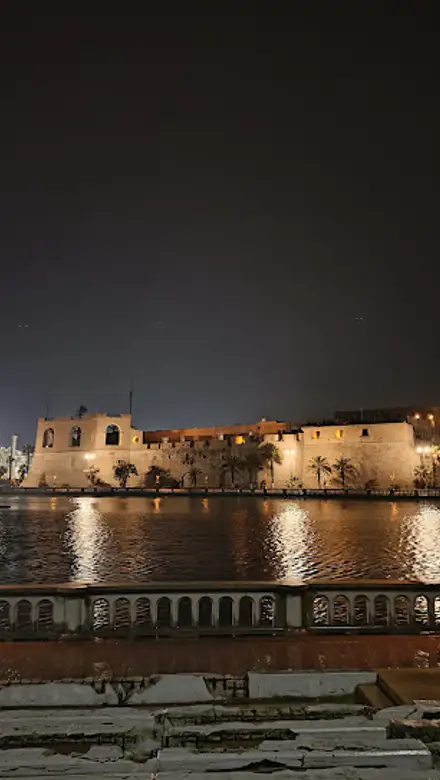
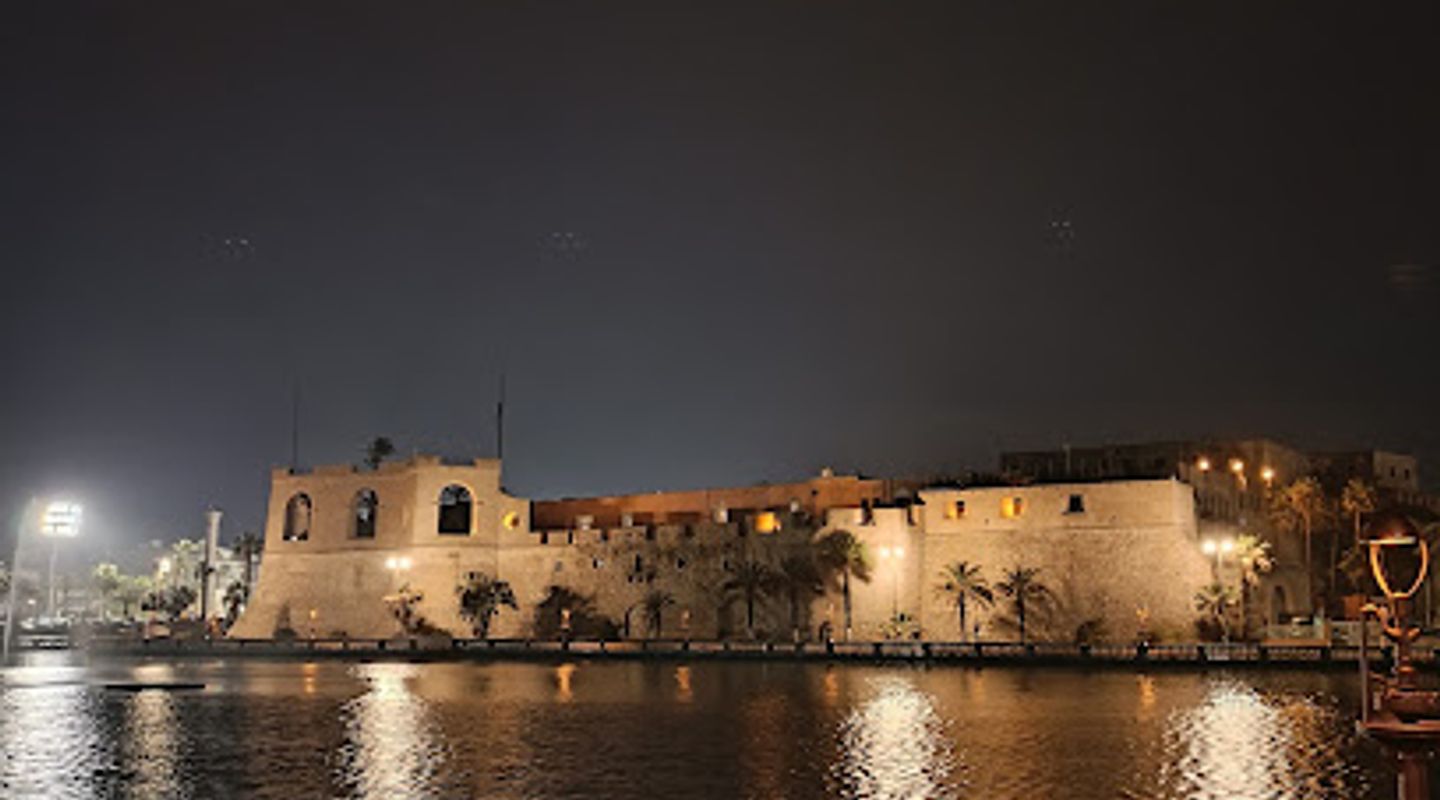
Tripoli Martyrs Square stands as a significant symbol of Libyan history and resilience, located in the heart of the Old City. This renowned space of remembrance honors those who sacrificed their lives for the freedom and dignity of the Libyan people. The square is adorned with stunning architecture that echoes the historical grandeur of the city, making it a delightful spot for tourists to explore. As you stroll through the square, you’ll encounter the majestic Tripoli Castle, which looms nearby, adding to the historical backdrop. The square is often vibrant with local activities, especially during national celebrations, where you can witness the cultural pride of the Libyan people. It serves as a gathering point for both locals and visitors, making it a great place to experience the city's pulse. Aside from its historical significance, Tripoli Martyrs Square is a perfect spot for photography enthusiasts, offering picturesque views and a chance to capture the essence of Libyan architecture and daily life. The surrounding streets are filled with local vendors and cafes, where you can indulge in traditional Libyan delicacies and immerse yourself in the local culture. For those interested in history and politics, engaging with local guides can provide deeper insight into the events that led to the establishment of this square. Whether you're reflecting on its somber past or enjoying the lively atmosphere, Tripoli Martyrs Square is a must-visit for anyone exploring Tripoli.
Evendo Review Centre
 Google
Guest reviews
Explore Tripoli Martyrs Square on the map
A handpicked selection of must-see spots near Tripoli Martyrs Square, mapped for you.
Get your free copy of our complete guide to Tripoli Martyrs Square, delivered straight to you.
Everything on this page, from opening hours and how to get there to Eve’s tips and the best time to go, in one PDF you can read offline, print or share.
Already have an account? Sign in
Your Tripoli Martyrs Square guide is ready.
We'll send it to · Not you? Sign out

Getting your guide ready…
We are putting together a fresh copy of the Tripoli Martyrs Square guide. This can take up to a minute.
This can take a few moments. If your browser asks, choose Allow so the download can start. You'll find the guide in your Downloads folder.
Nothing happened? Download it again
Sorry, the guide is taking longer than usual. Please try again in a minute, or get it by email instead.
Other nearby places you may find interesting
The closest places of the same kind, if this one is not quite what you had in mind.
-
-
-
-
-


Swipe for more places
More to explore near Tripoli Martyrs Square

 Best experiences near Tripoli Martyrs Square
 Best hotels near Tripoli Martyrs Square
 Best landmarks near Tripoli Martyrs Square
 Best attractions near Tripoli Martyrs Square
 Best shops near Tripoli Martyrs Square
 Best restaurants near Tripoli Martyrs Square
 Best bars near Tripoli Martyrs Square
Do you manage this location?
Take control to get all the benefits, like improved information, better appearance, and stronger visibility across AI-powered discovery.
Explore more

Explore more of Tripolitania
Tripolitania in Libya: Discover ancient ruins, vibrant cities, and stunning coastlines in this historical and culturally rich region of North Africa.
Explore Tripolitania
Explore more of Libya
Discover Libya: Ancient ruins, vast deserts, and Mediterranean charm await in this North African gem.
Explore Libya