

Free Tripolitania Travel Guide & Mobile App
Explore Tripolitania with free travel guides. Discover regional history, expert tips, proposed trips, and audio guides on web or mobile app.


Tripolitania combines Tripoli’s Ottoman streets, Mediterranean coast, Roman cities and Nafusa Mountain heritage within Libya’s historic west.
Read more about Tripolitania
When is the best time to visit Tripolitania?
Best: April–May, October · 23–27°C| Month | High (°C) | Rainfall (mm) |
|---|---|---|
| January | 16 | 40 |
| February | 17 | 30 |
| March | 19 | 20 |
| April (best) | 23 | 10 |
| May (best) | 27 | 5 |
| June | 31 | 1 |
| July | 33 | 1 |
| August | 33 | 2 |
| September | 31 | 10 |
| October (best) | 27 | 20 |
| November | 22 | 30 |
| December | 17 | 40 |
Getting to and around Tripolitania
How to get there
Transportation
Top city travel guides in Tripolitania
The cities of Tripolitania, and the easiest places to base yourself.
-

-

-

-

-


Swipe for more cities
Destinations in Tripolitania
Resorts, valleys and scenic spots worth a trip of their own.

Swipe for more destinations
Best attractions in Tripolitania
Tripolitania’s attractions are primarily archaeological, architectural and environmental rather than built around a conventional tourism infrastructure. Tripoli’s old city offers Ottoman-era mosques, traditional commercial streets, historic houses and the Red Castle overlooking the harbour, although access to museums and monuments may vary. West of the capital, Sabratha presents a remarkable Roman urban landscape centred on its theatre and seafront ruins. Leptis Magna near Khoms is still more extensive, with monumental streets, forums, basilicas, markets, baths and harbour remains spread across a large site. The Nafusa Mountains provide a contrasting inland setting of escarpments, valleys, fortified granaries and historic Amazigh settlements around towns such as Nalut and Yefren. Along the coast, beaches, fishing communities and agricultural areas offer a quieter geographical counterpoint to the cities, but facilities are limited and conditions can change rapidly. Visits to ruins, mountain tracks and isolated landscapes require local permissions, security assessment and careful attention to unexploded-ordnance warnings.
-
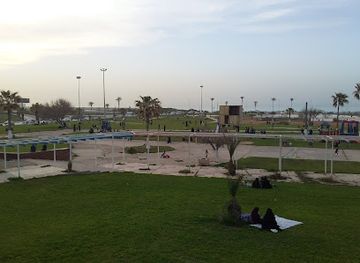
Grand Park Tuesday Market
Experience Tripoli's vibrant culture at Grand Park Tuesday Market: crafts, food, and community spirit converge every week.
-
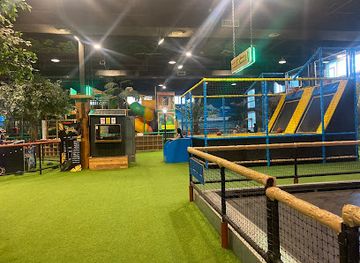
Jungle Land
Experience thrilling rides, family fun, and delightful entertainment at Jungle Land, Tajoura's premier amusement park for all ages!
-
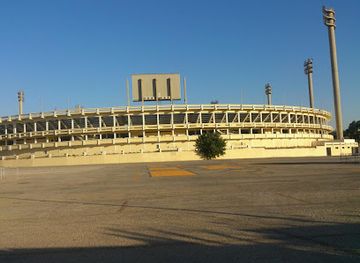
Tripoli International Stadium
Experience the heart of Libyan sports at Tripoli International Stadium, a historic venue hosting thrilling football matches and cultural events.
-
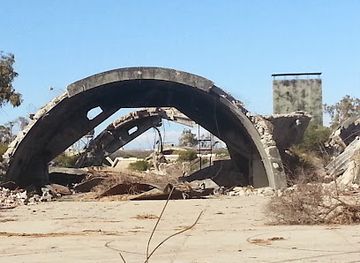
Al Nasr Forest
Escape the city bustle in Tripoli's green heart: Stroll, relax, and enjoy nature's beauty at Al Nasr Forest.
Best landmarks in Tripolitania
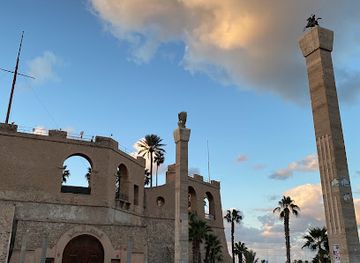
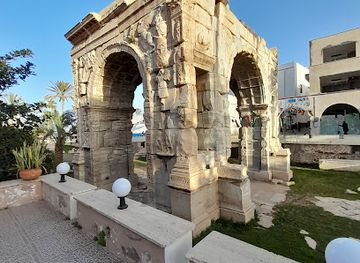
The Red Castle, or Assaraya al-Hamra, is Tripoli’s most recognisable historic structure, occupying a prominent position beside the old harbour and embodying layers of Roman, Spanish, Ottoman and modern Libyan history. Nearby, the Arch of Marcus Aurelius is a surviving Roman monument from ancient Oea and a visible reminder that the modern capital stands on an older Mediterranean city. Tripoli’s old city also contains important Ottoman-era landmarks, including the Gurgi Mosque and the Karamanli House, whose architecture reflects the commercial and political importance of the former regency. At Sabratha, the Roman theatre is the defining landmark, distinguished by its columns, stage architecture and setting close to the sea. Leptis Magna’s Severan Basilica, colonnaded streets, market and monumental harbour works form one of the most powerful historic landscapes in the region. Inland, the fortified granaries and ksour of the Nafusa Mountains express a different architectural tradition, shaped by mountain agriculture, storage and defence.
-
Historical landmark
Martyr's Square
Explore the historical significance and vibrant culture of Martyr's Square, a must-visit landmark in Tripoli, Libya.
-
Historical landmark
Arc of Marcus Aurelius
Discover the Arc of Marcus Aurelius in Tripoli, a stunning historical landmark that embodies the rich cultural heritage of ancient Rome and modern Libya.
-
Hotel
Corinthia Hotel Tripoli
Discover unparalleled luxury and rich cultural heritage at Corinthia Hotel Tripoli, your ultimate destination for an unforgettable stay in Libya.
-
 Park
ParkGrand Park Tuesday Market
Explore the Grand Park Tuesday Market in Tripoli: a vibrant cultural hub filled with local flavors, crafts, and community spirit.
Explore Tripolitania on the map
Plan your trip on one map. See where the top cities, national parks and sights are, and book hotels and experiences in a few clicks.
Best hotels in Tripolitania
Best restaurants in Tripolitania
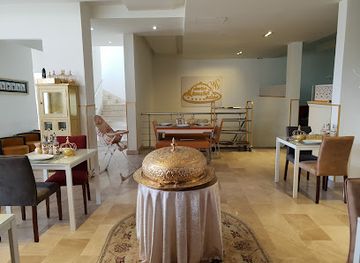
Dining in Tripolitania reflects Libya’s position between the Mediterranean, North Africa and the Sahara. In Tripoli and other sizeable towns, meals may include couscous, bazin, soups, grilled meats, rice, stuffed vegetables, dates and breads, with fish and seafood more readily associated with the coastal belt. Olive oil, dates, grains and seasonal vegetables are important regional products, while strong coffee and sweet tea accompany social occasions. Traditional family cooking remains more significant than a clearly defined restaurant circuit, and cafés and informal eateries provide much of the accessible public dining. Larger urban areas offer a mixture of Libyan, Arab, Turkish, Italian-influenced and broader Mediterranean dishes, though availability and opening arrangements are changeable. Travellers should choose busy, reputable establishments recommended by trusted local contacts, take care with water and food hygiene, and remember that alcohol is not part of ordinary public dining culture in Libya.
-
Restaurant
Al Nebras Restaurant
Experience authentic Libyan cuisine at Al Nebras Restaurant in Tripoli - a delightful culinary destination brimming with local flavors.
-
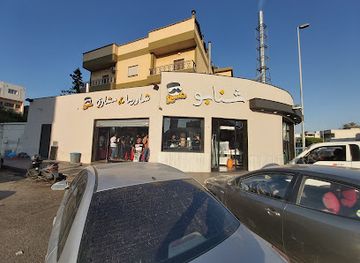
Hamburger
Shenabu Zawiya Dahmani restaurant
Discover the best hamburgers in Tripoli at Shenabu Zawiya Dahmani – where Libyan flavors meet culinary delight.
-
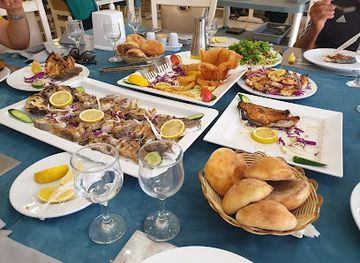
Seafood
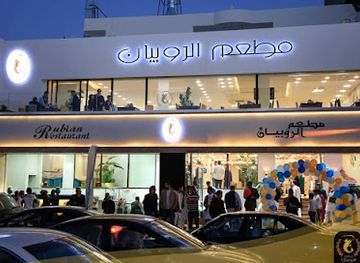
Rubian Restuarant
Discover Rubian Restaurant in Tripoli - A Seafood Delight Offering Fresh Flavors and Stunning Views.
-
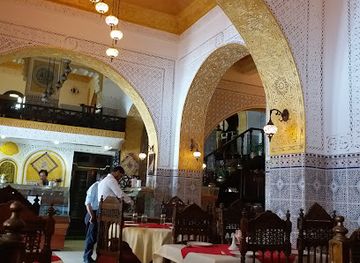
Restaurant
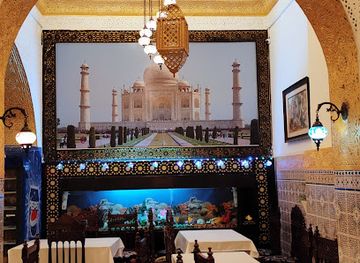
As-Safir Restaurant (Indian restaurant)
Discover authentic Indian cuisine at As-Safir Restaurant in Tripoli—where every dish tells a story of flavor and tradition.
Best bars in Tripolitania
Tripolitania does not have a conventional bar and nightclub scene. Alcohol is prohibited under Libyan law, and evening social life is more commonly centred on family visits, cafés, restaurants, tea and coffee houses, private gatherings and occasional cultural programming. Tripoli has the broadest selection of cafés and restaurants, while smaller coastal and mountain communities generally become quiet earlier. Some hotels or private venues may provide distinct evening settings, but services, access and security arrangements cannot be assumed. Live music, arts events and public cultural programmes may occur intermittently rather than as a dependable entertainment calendar. Visitors should avoid loud or conspicuous behaviour, respect local religious and social customs, and follow the advice of their hosts about where and when it is appropriate to spend evenings.
-
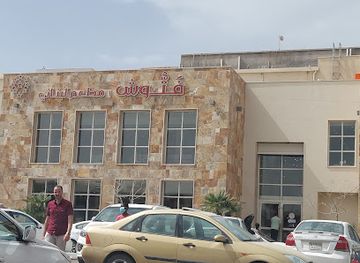
Lebanese
Fattoush Lebanese Restaurant
Discover the rich and vibrant flavors of Lebanese cuisine at Fattoush Restaurant in Tripoli, a culinary gem that delights every palate.
-
Seafood
Rubian Restuarant
Experience the best of Mediterranean seafood at Rubian Restaurant in Tripoli, where every dish tells a story of flavor and tradition.
-
Restaurant
As-Safir Restaurant (Indian restaurant)
Experience authentic Indian flavors at As-Safir Restaurant in Tripoli, where every dish is a celebration of spice and tradition.
-
Cafe
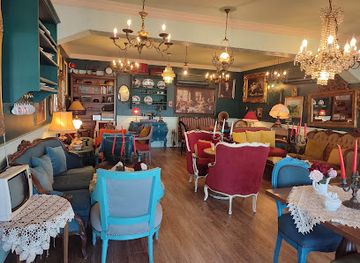
At Home Cafe
Experience the comforting ambiance and delightful breakfast menu at At Home Cafe in Tripoli, a must-visit for food lovers and coffee enthusiasts.
Best nightclubs in Tripolitania
Tripolitania does not have a conventional bar and nightclub scene. Alcohol is prohibited under Libyan law, and evening social life is more commonly centred on family visits, cafés, restaurants, tea and coffee houses, private gatherings and occasional cultural programming. Tripoli has the broadest selection of cafés and restaurants, while smaller coastal and mountain communities generally become quiet earlier. Some hotels or private venues may provide distinct evening settings, but services, access and security arrangements cannot be assumed. Live music, arts events and public cultural programmes may occur intermittently rather than as a dependable entertainment calendar. Visitors should avoid loud or conspicuous behaviour, respect local religious and social customs, and follow the advice of their hosts about where and when it is appropriate to spend evenings.
-
Soccer club
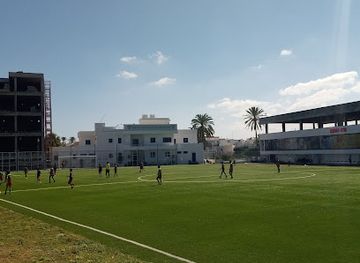
Alshat Football Club
Experience the vibrant soccer culture at Alshat Football Club in Tripoli, where community passion meets thrilling matches.
-
Lounge
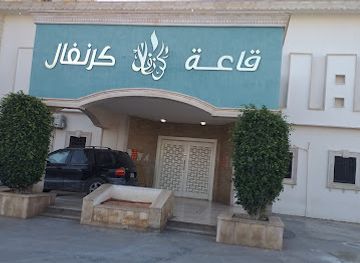
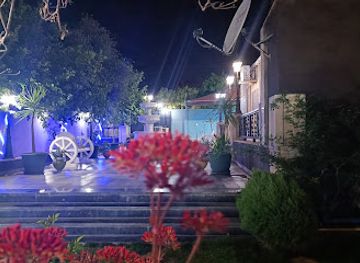
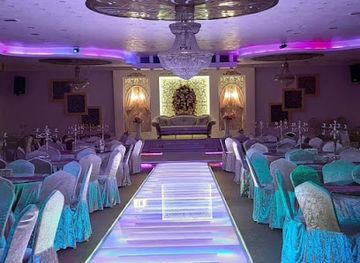
صالة كرنفال للمناسبات الأجتماعية
Discover the elegance of صالة كرنفال للمناسبات الأجتماعية in Tripoli, where luxury meets comfort for your special events.
-
Club
Diplomatic Club
Discover the heart of Tripoli's nightlife at the Diplomatic Club – a vibrant venue for dancing, music, and unforgettable experiences.
-
Banquet hall
Loving joys Hall
Experience unforgettable moments at Loving Joys Hall in Tripoli, the ideal banquet hall for all your celebrations.
Best shops in Tripolitania
Shopping in Tripolitania is concentrated in Tripoli’s old commercial quarter, neighbourhood markets and the main shopping streets of larger towns rather than in a large modern retail sector aimed specifically at visitors. Souqs may offer clothing, household goods, spices, dates, perfumes, leather items, jewellery and imported products, while smaller shops are useful for bottled water, snacks and basic travel supplies. Regional food products such as olive oil, dates and preserved goods can be purchased through trusted local contacts, subject to customs rules for taking food abroad. In the Nafusa Mountains, visitors may encounter locally made textiles, woven goods or craft objects, but availability varies and purchases should be made directly and respectfully rather than treating cultural items as generic souvenirs. Bargaining may occur in informal markets, although a polite approach is more important than pursuing a minimal price. Retail hours, stock and payment methods can change, so keep cash available and avoid displaying valuables.
-
Shopping mall
Tripoli Mall
Discover the vibrant shopping and dining experience at Tripoli Mall in Tajoura, where local charm meets modern convenience.
-
Market
4 LIBYA SHOP
Explore the colorful 4 Libya Shop in Hai Alandalus, a market filled with local clothing, accessories, and the vibrant spirit of Libyan culture.
-
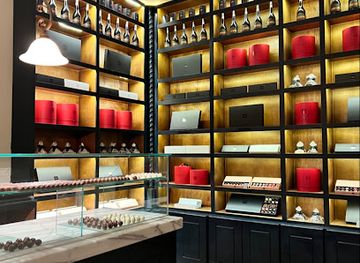
Chocolate shop
GOULZ
Experience the rich and delightful world of handcrafted chocolates at Goulz, Tripoli's premier chocolate shop, perfect for sweet indulgences.
-
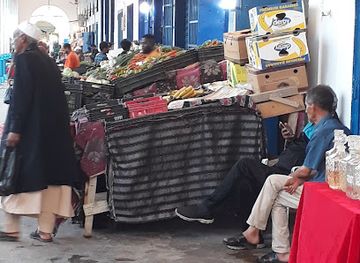
Grocery store
fish market _ sooq alhoot
Explore Sooq Alhoot, Tripoli's bustling fish market brimming with fresh seafood and local culture, a must-visit for any culinary enthusiast.
Get your free copy of our complete guide to Tripolitania, delivered straight to you.
Everything on this page, from attractions and restaurants to essentials and local phrases, in one PDF you can read offline, print or share.
Already have an account? Sign in
Your Tripolitania guide is ready.
We'll send it to · Not you? Sign out

Getting your guide ready…
We are putting together a fresh copy of the Tripolitania guide. This can take up to a minute.
This can take a few moments. If your browser asks, choose Allow so the download can start. You'll find the guide in your Downloads folder.
Nothing happened? Download it again
Sorry, the guide is taking longer than usual. Please try again in a minute, or get it by email instead.
Tripolitania essentials
Currency and Payment
Safety
Emergency Situations
Do's and Don'ts
Local Tips
From Eve
Local phrases worth knowing
You don't need to get them perfect. A few words go a long way, and locals appreciate the effort.
Basics
| English | Local | Say it |
|---|---|---|
| Hello | مرحبا | [Marhaban] |
| Goodbye | وداعا | [Wadaa'an] |
| Yes | نعم | [Na'am] |
| No | لا | [La] |
| Please/You're welcome | من فضلك | [Min fadlik] |
| Thank you | شكرا | [Shukran] |
| Excuse me/Sorry | عذرا | [Udhren] |
| How are you? | كيف حالك؟ | [Kayfa halak?] |
| Fine. And you? | بخير. وأنت؟ | [Bikhayr. Wa anta?] |
| Do you speak English? | هل تتحدث الإنجليزية؟ | [Hal tatahadath al-inglizia?] |
| I don't understand | لا أفهم | [La afham] |
Eating & Drinking
| English | Local | Say it |
|---|---|---|
| I'd like to see the menu, please | أود أن أرى القائمة، من فضلك | [Awad an ara al-qa'ima, min fadlik] |
| I don't eat meat | أنا لا آكل اللحم | [Ana la akul al-lahm] |
| Cheers! | في صحتك! | [Fi sihtak!] |
| I would like to pay, please | أود أن أدفع، من فضلك | [Awad an adfa', min fadlik] |
Emergencies
| English | Local | Say it |
|---|---|---|
| Help! | مساعدة! | [Musaa'ada!] |
| Go away! | ابتعد! | [Ibt'id!] |
| Call the Police! | اتصل بالشرطة! | [Ittasil bil-shurta!] |
| Call a doctor! | اتصل بالطبيب! | [Ittasil bil-tabeeb!] |
| I'm lost | أنا ضائع | [Ana da'i'] |
| I'm ill | أنا مريض | [Ana marid] |
Shopping
| English | Local | Say it |
|---|---|---|
| I'd like to buy... | أود أن أشتري... | [Awad an ashtari...] |
| I'm just looking | أنا فقط أنظر | [Ana faqat anzur] |
| How much is it? | كم ثمنه؟ | [Kam thamanuh?] |
| That's too expensive | هذا غالي جدا | [Hatha ghali jidan] |
| Can you lower the price? | هل يمكنك تخفيض السعر؟ | [Hal yumkinuka takhfid al-si'r?] |
Time & Numbers
| English | Local | Say it |
|---|---|---|
| What time is it? | كم الساعة؟ | [Kam al-sa'ah?] |
| It's one o'clock | إنها الساعة الواحدة | [Innaha al-sa'ah al-wahidah] |
| Half past (10) | نصف الساعة (10) | [Nisf al-sa'ah (10)] |
| Morning | صباحا | [Sabahan] |
| Afternoon | بعد الظهر | [Ba'd al-zuhur] |
| Evening | مساءا | [Masa'an] |
| Yesterday | أمس | [Ams] |
| Today | اليوم | [Al-yawm] |
| Tomorrow | غدا | [Ghadan] |
| 1 | واحد | [Wahid] |
| 2 | اثنان | [Ithnan] |
| 3 | ثلاثة | [Thalatha] |
| 4 | أربعة | [Arba'a] |
| 5 | خمسة | [Khamsa] |
| 6 | ستة | [Sitta] |
| 7 | سبعة | [Sab'a] |
| 8 | ثمانية | [Thamaniya] |
| 9 | تسعة | [Tis'a] |
| 10 | عشرة | [Ashara] |
Transport & Directions
| English | Local | Say it |
|---|---|---|
| Where's a/the...? | أين...؟ | [Ayn...?] |
| What's the address? | ما هو العنوان؟ | [Ma huwa al-'unwan?] |
| Can you show me (on the map)? | هل يمكنك أن تريني (على الخريطة)؟ | [Hal yumkinuka an turini (ala al-kharita)?] |
| When's the next (bus)? | متى يأتي (الحافلة) التالية؟ | [Mata ya'ti (al-hafila) al-taliya?] |
| A ticket (to ....) | تذكرة (إلى....) | [Tathkara (ila....)] |
History of Tripolitania
Prehistoric Settlement and the Garamantian World
The western Libyan landscape has supported human settlement since prehistoric times, with evidence of pastoral activity, farming and changing climates across the coastal plain, escarpments and desert margins. Rock art and archaeological remains in the wider Tripolitanian hinterland record ancient movement through environments that were once wetter than today. Inland societies, including the Garamantes of the Fezzan, maintained contacts with Mediterranean communities through long-distance exchange. Although the Garamantian heartland lay farther south, its networks formed part of the wider historical setting in which Tripolitania developed.
Phoenician and Roman Tripolitania
Phoenician settlers established the coastal cities of Oea, Sabratha and Lepcis, which later became known collectively as Tripolitania. Under Roman rule, especially from the first century BCE onwards, the cities flourished through maritime trade, olive cultivation and connections with the interior. Lepcis Magna expanded dramatically under the emperor Septimius Severus, who was born there, while Sabratha developed monumental public buildings beside its harbour. The surviving theatres, basilicas, forums, temples and roads reveal a prosperous urban culture shaped by African, Punic, Roman and wider Mediterranean influences.
The Vandal, Byzantine and Early Islamic Periods
After the weakening of Roman authority, Tripolitania passed through Vandal and then Byzantine control. Byzantine restoration is particularly visible at several coastal sites, where defensive works and Christian buildings reflected the region’s strategic importance. Arab-Muslim forces incorporated the area in the seventh century, and Islam became the dominant religious and cultural framework. The region’s towns and agricultural settlements continued to depend on coastal commerce, while links with North Africa and the interior helped shape the subsequent political and linguistic landscape.
Medieval Trade, Islamic Rule and Amazigh Mountain Communities
During the medieval period, Tripolitania was governed successively within wider North African states, including the Fatimid, Zirid, Almohad and Hafsid spheres. Tripoli served as a port and commercial centre, while the Nafusa Mountains developed communities with distinctive Amazigh cultural traditions and fortified agricultural settlements. Mountain granaries and ksour, or fortified storage structures, reflected the need to protect harvests and manage scarce resources. Caravan routes linked the coast with the Sahara, making the region a meeting point between maritime and trans-desert trade.
Ottoman Tripoli and the Karamanli Regency
The Ottoman Empire incorporated Tripoli in the sixteenth century, and the city became the centre of an Ottoman regency whose authority extended unevenly across the region. The Karamanli dynasty ruled from 1711 to 1835 and encouraged maritime commerce while maintaining relations, and at times conflict, with European powers. Tripoli’s mosques, houses, souqs and administrative buildings preserve elements of this period. The city’s position on Mediterranean trade routes brought prosperity to some elites but also exposed the coast to piracy, diplomatic pressure and military intervention.
Italian Colonial Rule and the Second World War
Italy invaded Ottoman Libya in 1911 and established colonial rule over Tripolitania after prolonged resistance. Italian policies reshaped landholding, settlement, town planning and infrastructure, while armed opposition continued in different parts of the region. During the Second World War, Tripolitania became a major theatre in the North African campaign as British and Commonwealth forces, Axis armies and local populations were drawn into repeated military movements. The period left military sites, cemeteries and political memories, as well as demographic and economic changes that continued after the war.
Independence, Revolution and Contemporary Tripolitania
Libya became independent as a kingdom in 1951, and Tripolitania remained the country’s main political and commercial centre. Muammar Gaddafi’s 1969 coup transformed the state, while oil revenues financed urban growth and public construction. The 2011 uprising ended Gaddafi’s rule but was followed by institutional division, armed-group competition and repeated political crises. Tripoli and western Libya have since remained central to competing governments and security networks. This recent history explains why modern travel conditions can change rapidly and why local political context is essential to any visit.
Tripolitania in Photos
Browse through our photo collection highlighting the charm and character of the destination.
Neighbouring regions of Tripolitania
The closest regions to Tripolitania, if you have time for more than one.
-

-

-

-

-


Swipe for more regions
Explore more

Explore more of Libya
Discover Libya: Ancient ruins, vast deserts, and Mediterranean charm await in this North African gem.
Explore Libya