

Užupis (Vilnius) Travel Guide - Free
Explore Užupis in Vilnius with Evendo's free guide. Find the best shops, historic streets, restaurants, and gems on web or mobile.


Užupis in Vilnius blends riverside lanes, an artists’ republic, the Angel of Užupis, cafés, galleries and Lithuania’s most distinctive local atmosphere.
Across the Vilnelė
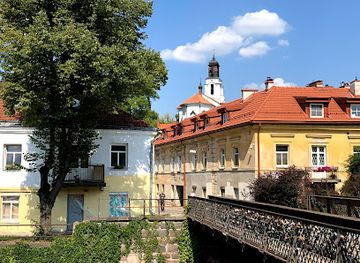
Užupis occupies a compact bend of the Vilnelė River immediately east of Vilnius’s Old Town. Its name means ‘on the other side of the river’, a simple description that captures the district’s physical separation and its long-standing sense of independence. Bridges lead into a landscape of steep lanes, wooden houses, former industrial buildings, studios, cafés and riverbank paths, while the city centre remains close on foot.Read more about Užupis
An Unofficial Republic
Studios, Courtyards and River Paths
Best attractions in Užupis
Užupis is best experienced as a sequence of small discoveries rather than a checklist of large institutions. The Angel of Užupis, standing on its column near the main square, is the natural starting point and a familiar meeting place. From there, Paupio Street follows the Vilnelė past the multilingual Constitution of Užupis, whose humorous articles have become one of the district’s defining cultural attractions. The riverside paths, bridges and old lanes provide changing views of timber houses, studios, murals and converted industrial buildings, while the Užupis Art Incubator offers a window onto the neighbourhood’s creative life when exhibitions and events are taking place. Quiet corners around Polocko Street contrast with the cafés and galleries nearer the Old Town. The nearby Bernardine Cemetery, on the district’s edge, adds a more contemplative dimension through its historic graves, trees and relationship with Vilnius’s older urban landscape.
-
Tourist attraction
Constitution of the Republic of Užupis
Explore the artistic spirit of Užupis, a unique district in Vilnius celebrated for its creativity, quirky charm, and vibrant community.
3 min walk · 0.3 km from neighbourhood centre
-
Tourist attraction
Angel of Užupis
Experience the spirit of freedom and creativity at the Angel of Užupis, a unique sculpture in Vilnius's charming bohemian district.
3 min walk · 0.3 km from neighbourhood centre
-
Sculpture
Užupis Cat
Explore the enchanting Užupis Cat, a whimsical sculpture that embodies the artistic spirit of Vilnius's charming Užupis district.
1 min walk · 0.1 km from neighbourhood centre
-
Tourist attraction
Užupis Bridge Swing
Experience the charm of Užupis with the exhilarating swing over the Vilnia River, surrounded by vibrant art and a bohemian atmosphere.
6 min walk · 0.5 km from neighbourhood centre


Best landmarks in Užupis
The Angel of Užupis is the neighbourhood’s principal symbolic landmark, a trumpet-bearing sculpture unveiled in 2002 on a column at the district’s central gathering place. Nearby, the Constitution of Užupis is displayed along Paupio Street on a set of mirrored plaques, turning an ordinary wall into a civic and artistic statement translated into numerous languages. The Vilnelė and its bridges are equally important to the neighbourhood’s identity, defining the district’s name and separating it from the Old Town while providing its most characteristic views. The Užupis Art Incubator occupies a former industrial complex associated with the area’s creative scene, and the Bernardine Cemetery near the neighbourhood’s edge preserves a historic landscape of graves, mature trees and Vilnius memory. Together these places show how Užupis joins physical heritage with deliberately created symbols.
-
Tourist attraction
Constitution of the Republic of Užupis
Explore Užupis, the Republic of Artists in Vilnius, where creativity, culture, and quirky charm come together for an unforgettable experience.
3 min walk · 0.3 km from neighbourhood centre
-
Tourist attraction
Angel of Užupis
Explore the Angel of Užupis, a symbol of freedom and artistic spirit in Vilnius' bohemian district, where creativity and culture thrive.
3 min walk · 0.3 km from neighbourhood centre
-
Art gallery
Uzupis Art Incubator
Discover the vibrant art scene at Užupis Art Incubator, a creative hub in Vilnius known for its dynamic exhibitions and community-driven events.
5 min walk · 0.4 km from neighbourhood centre
-
Bridge
Bridge of Užupis
Discover the charming Bridge of Užupis, a unique landmark that connects you to the artistic heart of Vilnius and its vibrant Užupis district.
6 min walk · 0.5 km from neighbourhood centre


Explore Užupis on the map
A handpicked selection of must-see spots in Užupis, mapped for you.
Best hotels in Užupis
Best restaurants in Užupis
Dining in Užupis reflects the district’s mixture of residential life, creative businesses and visitor culture. Cafés and restaurants cluster around Užupio and Paupio streets, where terraces and riverside settings encourage slow meals rather than hurried sightseeing. Užupio Kavinė is a long-established local reference point beside the Vilnelė, while the wider neighbourhood includes contemporary European cooking, vegetarian-friendly options, coffee, pastries and informal daytime food. Menus and businesses change, so the district is better understood through its range of small independent venues than through a fixed list of restaurants. The setting is part of the appeal: meals unfold beside bridges, old walls and converted premises, with the river often close by. Visitors seeking a broader selection can easily walk back across the river into the Old Town, but should not overlook Užupis’s cafés as places to observe the neighbourhood’s everyday rhythm.
-
Pizza
Užupio Picerija
Discover authentic Italian flavors at Užupio Picerija in Vilnius' artistic district - where every pizza tells a story.
4 min walk · 0.3 km from neighbourhood centre
-
Restaurant
Užupio kavinė
Discover authentic Lithuanian flavors at Užupio Kavinė in Vilnius's artistic district – a culinary haven where creativity meets tradition.
5 min walk · 0.4 km from neighbourhood centre
-
Restaurant
Amandus
Experience exquisite Lithuanian cuisine at Amandus in Vilnius – where every dish tells a story of flavor and artistry.
2 min walk · 0.2 km from neighbourhood centre
-
Restaurant
One for All
Discover the vibrant culinary scene at One for All in Vilnius - where local flavors meet international cuisine in a welcoming atmosphere.
4 min walk · 0.3 km from neighbourhood centre


Best bars in Užupis
Užupis has an evening scene built around intimate bars, cafés, restaurant terraces and cultural gatherings rather than a dense concentration of nightclubs. The streets near Užupio and Paupio attract visitors for drinks and conversation, while creative venues and occasional performances contribute to the district’s artistic identity. Evenings can feel sociable around the river and the Angel, but a short walk away the neighbourhood quickly becomes residential and quiet. This contrast is important: Užupis is not a late-night entertainment quarter on the scale of Vilnius’s busier central streets. Check current information for exhibitions, concerts and special events, as programming changes, and keep noise under control when leaving venues. For larger club nights, the centre of Vilnius offers a wider choice within walking distance, while Užupis is better suited to a relaxed drink, a cultural event or an unhurried riverside evening.
-
Restaurant
Užupio kavinė
Discover the heart of Lithuanian cuisine at Užupio Kavinė, a charming restaurant in Vilnius' artistic district of Užupis, perfect for culinary exploration.
5 min walk · 0.4 km from neighbourhood centre
-
Bar
7 Fridays bar
Discover the lively atmosphere and diverse menu at 7 Fridays Bar, a must-visit destination for tourists in Vilnius.
9 min walk · 0.7 km from neighbourhood centre
-
Bar
Špunka
Discover Špunka, a cozy bar and beer store in Vilnius' artistic Užupis district, offering a delightful selection of local craft beers.
3 min walk · 0.3 km from neighbourhood centre
-
Pub
Devinkė
Explore the vibrant atmosphere of Devinkė, a cozy pub in Vilnius, serving local craft beers and traditional Lithuanian snacks in a welcoming environment.
5 min walk · 0.4 km from neighbourhood centre


Best nightclubs in Užupis
Užupis has an evening scene built around intimate bars, cafés, restaurant terraces and cultural gatherings rather than a dense concentration of nightclubs. The streets near Užupio and Paupio attract visitors for drinks and conversation, while creative venues and occasional performances contribute to the district’s artistic identity. Evenings can feel sociable around the river and the Angel, but a short walk away the neighbourhood quickly becomes residential and quiet. This contrast is important: Užupis is not a late-night entertainment quarter on the scale of Vilnius’s busier central streets. Check current information for exhibitions, concerts and special events, as programming changes, and keep noise under control when leaving venues. For larger club nights, the centre of Vilnius offers a wider choice within walking distance, while Užupis is better suited to a relaxed drink, a cultural event or an unhurried riverside evening.
-
Night club
Tamsta Club
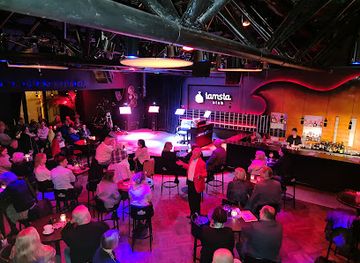
Discover Vilnius' vibrant nightlife at Tamsta Club, a premier destination for live music and unforgettable party experiences.
10 min walk · 0.8 km from neighbourhood centre
-
Night club
Eros Club
Experience the vibrant nightlife at Eros Club, Vilnius's premier destination for unforgettable entertainment and energetic dance.
11 min walk · 0.8 km from neighbourhood centre
-
Jazz
Užupio džiazo klubas
Experience the vibrant jazz scene at Užupio Džiazo Klubas, where music and creativity unite in the heart of Vilnius's artistic district.
5 min walk · 0.4 km from neighbourhood centre


Best shops in Užupis
Shopping in Užupis is small-scale and characterful rather than concentrated in a conventional retail district. The streets around Užupio and Paupio offer independent galleries, artist studios, design-led spaces, craft objects, books, artworks and occasional pop-up sales, although the exact mix changes over time. The most distinctive purchases are likely to be locally made prints, ceramics, jewellery or other creative work rather than mass-market souvenirs. The Constitution of Užupis and the neighbourhood’s visual symbols also influence the selection of postcards and small gifts found in visitor-oriented shops. Side streets and courtyards may contain studios that open irregularly, so do not assume every creative space is a public shop. For a larger choice of Lithuanian design and traditional goods, the Old Town is immediately nearby, while Užupis is most rewarding for browsing independent creative premises in their local setting.
-
Store
Užupio shop
Explore Užupio Shop for a unique blend of local foods, artisan crafts, and the creative spirit of Vilnius's Užupis district.
1 min walk · 0.1 km from neighbourhood centre
-
Souvenir store
Užupio 1 postas - Border Control
Discover the artistic spirit of Vilnius at Užupio 1 Postas, your go-to destination for unique souvenirs and local craftsmanship.
5 min walk · 0.4 km from neighbourhood centre
-
Clothing store
PeuPeu PeuShop
Explore the vibrant world of fashion and handcrafted jewelry at PeuPeu PeuShop in Vilnius' artistic Užupis district.
3 min walk · 0.2 km from neighbourhood centre
-
Gift shop
Kolekcija
Discover unique gifts and local artisanal crafts at Kolekcija, a charming gift shop in the heart of Vilnius, showcasing the best of Lithuanian creativity.
5 min walk · 0.4 km from neighbourhood centre


Užupis essentials
Getting There
Getting Around
Safety
Emergency Situations
Do's and Don'ts
Local Tips

From Eve
Local phrases worth knowing
You don't need to get them perfect. A few words go a long way, and locals appreciate the effort.
Basics
| English | Local | Say it |
|---|---|---|
| Hello | Labas | [lah-bas] |
| Goodbye | Viso gero | [vee-soh geh-roh] |
| Yes | Taip | [taip] |
| No | Ne | [neh] |
| Please/You're welcome | Prašau | [prah-sau] |
| Thank you | Ačiū | [ah-choo] |
| Excuse me/Sorry | Atsiprašau | [aht-see-prah-sau] |
| How are you? | Kaip tau sekasi? | [kaip tau se-kah-see] |
| Fine. And you? | Gerai. O tu? | [geh-ry. oh too] |
| Do you speak English? | Ar kalbate anglų kalba? | [ar kal-bah-teh ahng-loo kahl-bah] |
| I don't understand | Aš nesuprantu | [ahsh neh-soo-prahn-too] |
Eating & Drinking
| English | Local | Say it |
|---|---|---|
| I'd like to see the menu, please | Norėčiau pamatyti meniu, prašau | [noh-reh-chiau pah-mah-ti-ti meh-nyoo, prah-sau] |
| I don't eat meat | Aš nevalgau mėsos | [ahsh neh-vahl-gau meh-sohs] |
| Cheers! | Į sveikatą! | [ee svee-kah-tah] |
| I would like to pay, please | Norėčiau sumokėti, prašau | [noh-reh-chiau soo-moh-keh-ti, prah-sau] |
Emergencies
| English | Local | Say it |
|---|---|---|
| Help! | Pagalba! | [pah-gahl-bah] |
| Go away! | Išeik! | [ee-sheh-eek] |
| Call the Police! | Paskambinkite policijai! | [pah-skahm-been-kee-teh poh-lee-tsee-yah-ee] |
| Call a doctor! | Paskambinkite gydytojui! | [pah-skahm-been-kee-teh gih-dih-toh-yoo-ee] |
| I'm lost | Aš pasiklydau | [ahsh pah-seek-luh-dow] |
| I'm ill | Aš sergu | [ahsh sehr-goo] |
Shopping
| English | Local | Say it |
|---|---|---|
| I'd like to buy... | Norėčiau nusipirkti... | [noh-reh-chiau noo-see-peerk-tee] |
| I'm just looking | Aš tik žiūriu | [ahsh teek zhoo-rioo] |
| How much is it? | Kiek tai kainuoja? | [kyek tai kai-noo-yah] |
| That's too expensive | Tai per brangu | [tai pehr brahn-goo] |
| Can you lower the price? | Ar galite sumažinti kainą? | [ar gah-lee-teh soo-mah-zin-tee kai-nah] |
Time & Numbers
| English | Local | Say it |
|---|---|---|
| What time is it? | Kiek laiko? | [kyek lai-koh] |
| It's one o'clock | Yra viena valanda | [ee-rah vee-nah vah-lahn-dah] |
| Half past (10) | Dešimt pusė | [deh-shimt pu-seh] |
| Morning | Rytas | [rih-tahs] |
| Afternoon | Popietė | [poh-pie-teh] |
| Evening | Vakaras | [vah-kah-rahs] |
| Yesterday | Vakar | [vah-kahr] |
| Today | Šiandien | [shian-diehn] |
| Tomorrow | Rytoj | [rih-toy] |
| 1 | Vienas | [vyeh-nahs] |
| 2 | Du | [doo] |
| 3 | Trys | [treese] |
| 4 | Keturi | [keh-too-ree] |
| 5 | Penki | [pehn-kee] |
| 6 | Šeši | [sheh-shi] |
| 7 | Septyni | [sehp-tee-nee] |
| 8 | Aštuoni | [ahs-too-oh-nee] |
| 9 | Devyni | [deh-vee-nee] |
| 10 | Dešimt | [deh-shimt] |
Transport & Directions
| English | Local | Say it |
|---|---|---|
| Where's a/the...? | Kur yra...? | [koor ira] |
| What's the address? | Koks adresas? | [kohks ah-dreh-sahs] |
| Can you show me (on the map)? | Ar galite man parodyti (žemėlapyje)? | [ar gah-lee-teh mahn pah-roh-dee-tee zhe-meh-lah-pi-yeh] |
| When's the next (bus)? | Kada kitas (autobusas)? | [kah-dah kee-tahs ow-toh-boo-sahs] |
| A ticket (to ....) | Bilietas (į ....) | [bee-lyeh-tahs (ee)] |
History of Užupis
A Riverside Settlement Beyond the Old Town
Užupis developed on the eastern side of the Vilnelė, outside the compact medieval core of Vilnius. Its name, derived from Lithuanian words meaning ‘on the other side of the river’, reflects this geography. The district’s river crossings connected it with the old city, while its slopes and waterways gave it a more peripheral character than the streets within the historic centre. Over time, Užupis combined modest homes, workshops, religious institutions and small-scale commerce rather than following the grand urban pattern associated with the principal streets of the Old Town.
Workshops, Homes and Changing Communities
As Vilnius expanded, Užupis became a mixed residential and working district, with wooden houses standing alongside masonry buildings, workshops and premises connected to the river and nearby enterprises. Its location close to the Old Town made it accessible but did not give it the same formal prestige. The neighbourhood’s population and appearance changed during the twentieth century as political upheavals, war and post-war urban policy reshaped Vilnius. Many buildings remained comparatively modest, preserving the irregular streets and varied architectural grain that visitors notice today.
The Artists’ Republic, 1997
The defining modern chapter began on 1 April 1997, when artists and residents symbolically declared the Republic of Užupis. The initiative transformed an informal local identity into a public cultural project with a flag, symbols, an annual celebration and a constitution. Its articles, now displayed on Paupio Street in several languages, combine humour with ideas about personal freedom, responsibility and coexistence. The declaration did not create a legally independent state; instead, it gave Užupis a distinctive civic mythology and helped establish the district as a recognised centre of artistic and alternative culture in Vilnius.
Public Art and Urban Renewal
The Angel of Užupis, unveiled in 2002, became the neighbourhood’s best-known emblem, standing where the former temporary Egg sculpture had attracted attention. Around the same period, former industrial and residential premises began to accommodate studios, galleries, creative businesses, restaurants and renovated homes. Investment improved parts of the built environment while also altering the social and commercial balance of the district. Contemporary Užupis therefore combines the traces of a working neighbourhood with an internationally recognisable artistic brand, a tension visible in its courtyards, housing, riverside developments and visitor-focused venues.
Užupis in Photos
Browse through our photo collection highlighting the charm and character of the destination.
Neighbourhoods near Užupis
The closest neighbourhoods to Užupis, if you have time for more than one stop.
-

-

-


Swipe for more neighbourhoods
Explore more

Explore more of Vilnius
Vilnius highlights include a UNESCO-listed Old Town, Baroque churches, hilltop views, creative Užupis, museums, cafés and Lithuanian cultural experiences.
Explore Vilnius