

False River Travel Guide - Free Web & App
Your ultimate guide to False River. Discover top landmarks, proposed trips, and local tips. Free on the web or via the Evendo companion app.


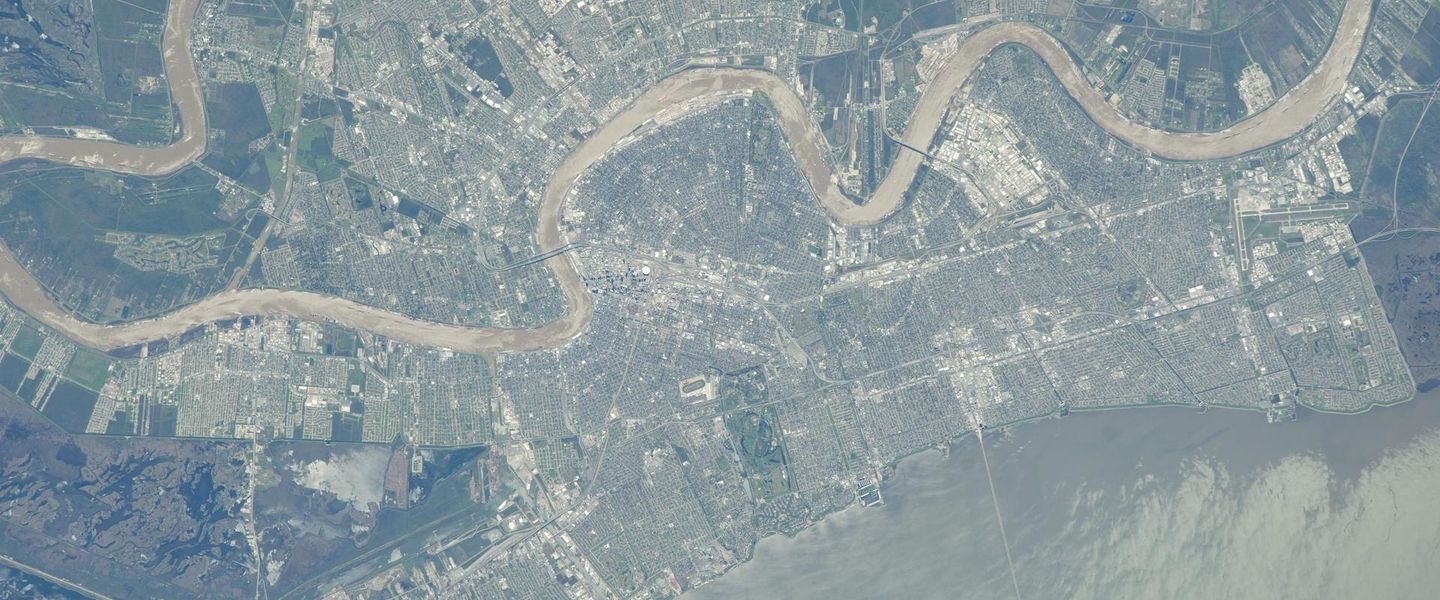


Discover the tranquil beauty and rich heritage of False River, Louisiana – a perfect blend of relaxation and adventure in the heart of the South.
Read more about False River
When is the best time to visit False River?
Best: March–April, October · 23–27°C| Month | High (°C) | Rainfall (mm) |
|---|---|---|
| January | 16 | 104 |
| February | 18 | 104 |
| March (best) | 23 | 132 |
| April (best) | 27 | 132 |
| May | 30 | 137 |
| June | 34 | 147 |
| July | 34 | 152 |
| August | 34 | 152 |
| September | 32 | 137 |
| October (best) | 27 | 107 |
| November | 20 | 107 |
| December | 17 | 112 |
Getting to and around False River
How to get there
Transportation
Best attractions in False River
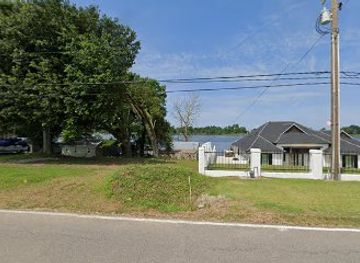
False River in Louisiana offers visitors a unique blend of history, nature, and relaxation. From exploring the historic plantation homes along the riverbanks to enjoying water sports like boating and fishing on the calm waters, there is something for everyone to enjoy. The charming small towns surrounding False River provide a glimpse into Louisiana's rich cultural heritage, with delicious local cuisine and friendly hospitality. Visitors can also take a leisurely stroll along the scenic riverfront, admiring the picturesque views and soaking in the peaceful atmosphere. Whether you're a history buff, nature lover, or just looking for a relaxing getaway, False River has something special to offer.
Explore False River on the map
Plan your trip on one map. See where the top attractions, landmarks, restaurants and hotels are, and book hotels and experiences in a few clicks.
Best hotels in False River
Best restaurants in False River
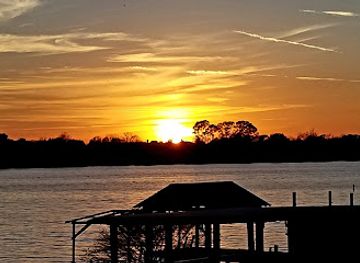
The dining scene of False River offers a unique blend of Cajun and Creole cuisine, with waterfront restaurants providing stunning views of the river. Visitors can enjoy fresh seafood dishes, traditional gumbo, and spicy jambalaya, all while soaking in the relaxed atmosphere of this charming Louisiana town. From upscale dining options to casual eateries serving up comfort food favorites, there is something to satisfy every craving along the banks of False River.
-
Mexican
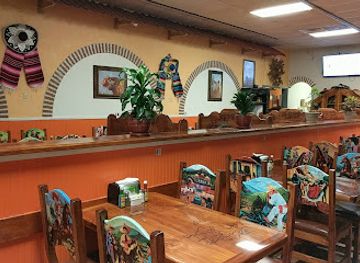
EL PATIO MEXICAN RESTAURANT BAR & GRILL
Experience the vibrant flavors of Mexico at El Patio Mexican Restaurant Bar & Grill - where every meal is a celebration!
-
Grill
Bueche's Bar & Grill
Experience Southern hospitality at Bueche's Bar & Grill - where delicious food meets live music and sports excitement in Jarreau.
-
Sandwich
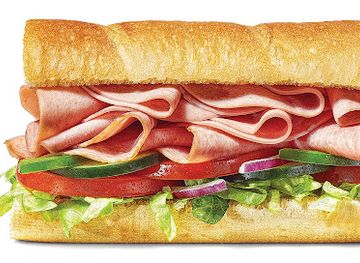
Subway
Discover delicious custom sandwiches at Subway in New Roads - perfect for travelers seeking quick bites on their journey.
Best bars in False River
Experience the vibrant nightlife of False River with a variety of bars and nightclubs offering live music, delicious cocktails, and a lively atmosphere. From waterfront bars with stunning views to cozy pubs with local charm, visitors can enjoy a night out in this historic area. Dance the night away to live bands or relax with a drink while taking in the unique culture and entertainment that False River has to offer.
-
Mexican
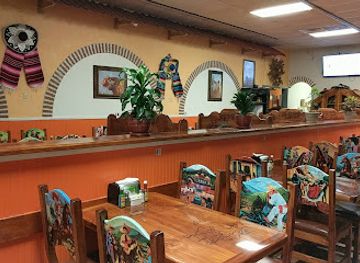
EL PATIO MEXICAN RESTAURANT BAR & GRILL
Experience authentic Mexican and Latin American flavors in a vibrant atmosphere at El Patio Mexican Restaurant Bar & Grill.
-
Hamburger
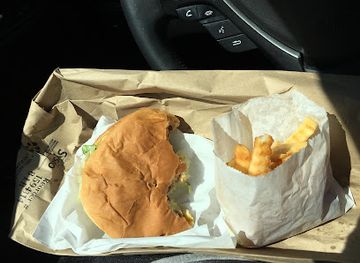
Big Boy's
Discover Big Boy's in New Roads, Louisiana – a fast food paradise renowned for its delicious hamburgers and friendly service, perfect for a quick meal.
-
Grill
Bueche's Bar & Grill
Bueche's Bar & Grill: A lively grill in Jarreau, LA, where delicious food, live music, and sports come together for an unforgettable experience.
-
Grill
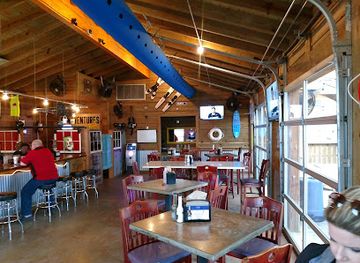
Sand Bar
Experience the vibrant flavors of Louisiana at Sand Bar, a grill by False River offering delicious food and stunning river views.

Best shops in False River
Shopping in False River offers a unique experience for visitors, with a variety of charming boutiques, art galleries, and antique shops lining the streets. From handcrafted jewelry to local artwork and vintage finds, there is something for every shopper to discover. Visitors can also explore the local farmers' markets for fresh produce and unique crafts, immersing themselves in the vibrant culture of the area. Don't miss the chance to pick up a one-of-a-kind souvenir to remember your trip to False River.
-
Animal feed store
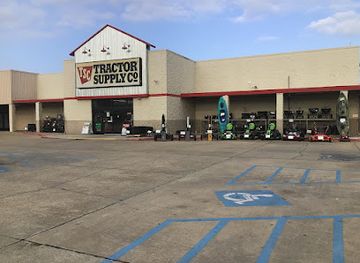
Tractor Supply Co.
Discover Tractor Supply Co. in New Roads, LA for all your farming, gardening, and pet supply needs, showcasing the charm of rural living.
-
Grocery store
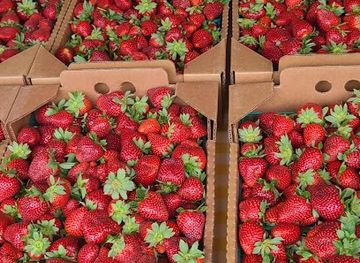
Glaser’s Produce Farm
Explore Glaser’s Produce Farm in New Roads, LA, for an authentic taste of fresh, local produce and the charm of Louisiana agriculture.
-
Antique store
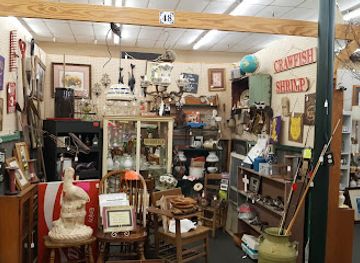
False River Anique Mall
Explore the eclectic charm of False River Antique Mall in New Roads, Louisiana, where unique vintage finds and collectibles await every treasure hunter.
-
Tobacco shop
New Roads Tobacco
Explore New Roads Tobacco, your ultimate destination for premium tobacco products and personalized service in New Roads, Louisiana.
Get your free copy of our complete guide to False River, delivered straight to you.
Everything on this page, from attractions and restaurants to essentials and local phrases, in one PDF you can read offline, print or share.
Already have an account? Sign in
Your False River guide is ready.
We'll send it to · Not you? Sign out

Getting your guide ready…
We are putting together a fresh copy of the False River guide. This can take up to a minute.
This can take a few moments. If your browser asks, choose Allow so the download can start. You'll find the guide in your Downloads folder.
Nothing happened? Download it again
Sorry, the guide is taking longer than usual. Please try again in a minute, or get it by email instead.
False River essentials
Currency and Payment
Safety
Emergency Situations
Do's and Don'ts
Local Tips
From Eve
Local phrases worth knowing
You don't need to get them perfect. A few words go a long way, and locals appreciate the effort.
Basics
| English | Local | Say it |
|---|---|---|
| Hello | Howdy | [haw-dee] |
| Goodbye | See ya later | [see ya lay-tur] |
| Yes | Yeah | [yeh] |
| No | Nah | [na] |
| Please/You're welcome | Please/You're welcome | [Please/You're welcome] |
| Thank you | Thanks | [thaynks] |
| Excuse me/Sorry | Pardon me | [par-dun me] |
| How are you? | How y'all doin'? | [how y'all doin'] |
| Fine. And you? | Fine. And you? | [Fine. And you?] |
| Do you speak English? | Ya'll speak English? | [yawl speak Ing-glish?] |
| I don't understand | I don't get it | [I don't get it] |
Eating & Drinking
| English | Local | Say it |
|---|---|---|
| I'd like to see the menu, please | Can I see the menu, please | [Can I see the menu, please] |
| I don't eat meat | I don't eat meat | [I don't eat meat] |
| Cheers! | Cheers! | [Cheers!] |
| I would like to pay, please | I need to settle up, please | [I need to settle up, please] |
Emergencies
| English | Local | Say it |
|---|---|---|
| Help! | Help! | [Help!] |
| Go away! | Git! | [Git!] |
| Call the Police! | Call the Sheriff! | [Call the Sheriff!] |
| Call a doctor! | Get the doc! | [Get the doc!] |
| I'm lost | I'm turned around | [I'm turned around] |
| I'm ill | I'm feelin' poorly | [I'm feelin' poorly] |
Shopping
| English | Local | Say it |
|---|---|---|
| I'd like to buy... | I'm lookin' to purchase... | [I'm lookin' to purchase...] |
| I'm just looking | Just browsin' | [Just browsin'] |
| How much is it? | How much does it run? | [How much does it run?] |
| That's too expensive | That's a bit steep | [That's a bit steep] |
| Can you lower the price? | Can ya knock somethin' off? | [Can ya knock somethin' off?] |
Time & Numbers
| English | Local | Say it |
|---|---|---|
| What time is it? | What's the time? | [What's the time?] |
| It's one o'clock | It's one | [It's one] |
| Half past (10) | Ten-thirty | [Ten-thirty] |
| Morning | Mornin' | [Mornin'] |
| Afternoon | Afternoon | [Afternoon] |
| Evening | Evenin' | [Evenin'] |
| Yesterday | Yest'day | [Yest'day] |
| Today | Today | [Today] |
| Tomorrow | Tomorrow | [Tomorrow] |
| 1 | One | [One] |
| 2 | Two | [Two] |
| 3 | Three | [Three] |
| 4 | Four | [Four] |
| 5 | Five | [Five] |
| 6 | Six | [Six] |
| 7 | Seven | [Seven] |
| 8 | Eight | [Eight] |
| 9 | Nine | [Nine] |
| 10 | Ten | [Ten] |
Transport & Directions
| English | Local | Say it |
|---|---|---|
| Where's a/the...? | Where's the...? | [Where's the...?] |
| What's the address? | What's the address? | [What's the address?] |
| Can you show me (on the map)? | Can you show me (on the map)? | [Can you show me (on the map)?] |
| When's the next (bus)? | When's the next (bus)? | [When's the next (bus)?] |
| A ticket (to ....) | A ticket (to ....) | [A ticket (to ....)] |
History of False River
The Formation of False River
False River, a picturesque oxbow lake in Pointe Coupee Parish, Louisiana, was formed from a meander of the Mississippi River. This natural event occurred several centuries ago when the river carved a new, shorter course, leaving behind a crescent-shaped lake. Originally a part of the main river's flow, False River has a rich geological history that traces back to the dynamic changes in the Mississippi's path.
Native American Heritage
Long before European settlers arrived, the area around False River was inhabited by Native American tribes, including the Houma and the Tunica. These indigenous people utilized the rich resources of the river and surrounding lands for fishing, hunting, and agriculture. Artifacts and burial mounds discovered in the vicinity provide a glimpse into their sophisticated societies and their deep connection to the land and water.
French Colonization and the Birth of New Roads
In the early 18th century, French explorers and settlers began to colonize the area around False River. The town of New Roads, established in 1720, became a pivotal settlement due to its strategic location along the river. The French influence is still evident in the architecture, culture, and traditions of the region. New Roads served as a key trading post and community center for the surrounding plantations.
Plantation Era and Antebellum South
During the 19th century, the False River region thrived as part of the Antebellum South's plantation economy. Vast plantations, such as Parlange Plantation and Alma Plantation, were established, cultivating crops like cotton and sugarcane. These plantations relied heavily on enslaved labor, and their grand mansions and buildings still stand today as historical landmarks, offering a window into the region's complex and often painful past.
Civil War Impact
False River and its surrounding areas were significantly affected by the American Civil War. The region saw its share of skirmishes and military activity, resulting in economic disruptions and the eventual emancipation of enslaved people. Post-war reconstruction brought significant changes, reshaping the social and economic landscape of the area.
20th Century Development
The 20th century saw False River transform into a popular recreational destination. The construction of camps, resorts, and vacation homes along the lake's shores turned it into a haven for fishing, boating, and water sports enthusiasts. The establishment of public parks and amenities further enhanced its appeal, making it a beloved spot for both locals and tourists.
Cultural Festivities and Traditions
False River is not just a natural wonder but also a cultural hub. The region hosts numerous festivals and events that celebrate its rich heritage. The New Roads Lions Carnival Parade, one of the oldest Mardi Gras parades outside New Orleans, is a highlight, showcasing vibrant floats, music, and community spirit. Other events, such as the False River Harvest Festival, celebrate the local agricultural traditions and offer a taste of the region's culinary delights.
False River in Photos
Browse through our photo collection highlighting the charm and character of the destination.
Neighbouring destination travel guides
The closest destinations to False River, if you have time for more than one.
-
 Atchafalaya Basin
Discover the Atchafalaya Basin: America's largest river swamp, where lush landscapes, diverse wildlife, and rich Cajun culture converge in the heart of Louisiana.
Atchafalaya Basin
Discover the Atchafalaya Basin: America's largest river swamp, where lush landscapes, diverse wildlife, and rich Cajun culture converge in the heart of Louisiana.
-
 Atchafalaya National Heritage Area
Discover the Atchafalaya National Heritage Area: A blend of natural beauty, wildlife, and rich cultural heritage in Louisiana's largest river swamp.
Atchafalaya National Heritage Area
Discover the Atchafalaya National Heritage Area: A blend of natural beauty, wildlife, and rich cultural heritage in Louisiana's largest river swamp.
-
 Bayou Teche
Discover the serene beauty and rich cultural heritage of Bayou Teche, a captivating waterway in Louisiana that offers history, nature, and delectable cuisine.
Bayou Teche
Discover the serene beauty and rich cultural heritage of Bayou Teche, a captivating waterway in Louisiana that offers history, nature, and delectable cuisine.
-
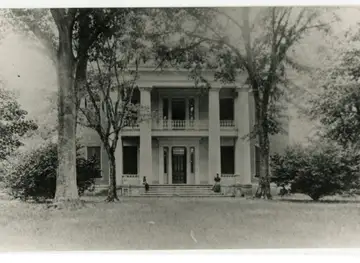 Natchez National Historical Park
Explore Natchez National Historical Park: A Journey Through Antebellum Estates, African American Heritage, and Colonial History in Mississippi.
Natchez National Historical Park
Explore Natchez National Historical Park: A Journey Through Antebellum Estates, African American Heritage, and Colonial History in Mississippi.
-
 Lake Maurepas
Discover the tranquil beauty of Lake Maurepas in Louisiana, a serene escape with abundant wildlife, fishing, and scenic kayaking opportunities.
Lake Maurepas
Discover the tranquil beauty of Lake Maurepas in Louisiana, a serene escape with abundant wildlife, fishing, and scenic kayaking opportunities.
Swipe for more destinations
Explore more

Explore more of Atchafalaya Basin
Explore the Atchafalaya Basin, America's largest wetland, and immerse yourself in its rich wildlife, stunning landscapes, and vibrant Cajun culture.
Explore Atchafalaya Basin
Explore more of Louisiana
Discover Louisiana: A melting pot of cultures, flavors, and music in the heart of the American South. Experience the vibrant heritage and natural beauty of the Bayou State.
Explore Louisiana