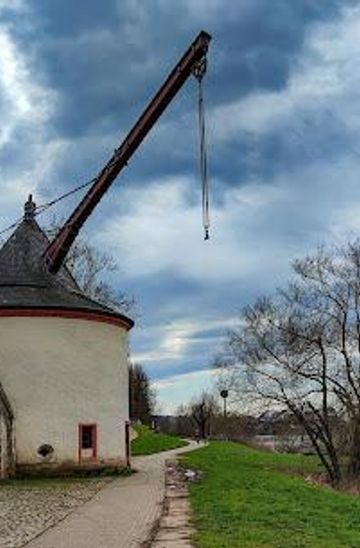
Alter Kran: Trier’s Mighty Historic Wharf Crane
Discover Trier’s Alter Kran, the iconic 18th-century riverfront crane that powered wine trading and now stands as a striking monument on the vibrant Moselle quay.
Dominating the Moselle riverbank, the Alter Kran is a testament to Trier's industrious past. This 18th-century stone-and-wood crane once powered the city’s bustling wine trade, operating without electricity and beckoning visitors to imagine the roar of activity that once surrounded it. Now silent, it stands as a symbol of urban ingenuity and waterfront history—a favorite stop for travelers exploring the medieval heart of Trier.
A brief summary to Alter Kran
- Trier, 54290, DE

Know before you go
Hi, I'm Eve. Here are a few practical things to know before exploring Alter Kran.
- Visit in the early morning or near sunset for fewer crowds and beautiful river views with golden light.
- Bring a camera—the crane’s age-blackened wood and massive stone base make for dramatic photos, especially with passing boats.
- Interpretive signs nearby explain the crane’s operation and history; a quick German or English translation app may enhance your visit.
- Combine your visit with a stroll along the river promenade, which is lined with casual cafés, benches, and access to the famed Römerbrücke.
Do you manage this location?
Take control to get all the benefits, like improved information, better appearance, and stronger visibility across AI-powered discovery. Learn more
Activate your presence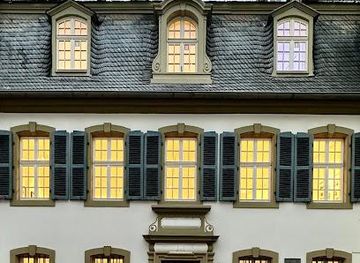
Getting There
-
Riverfront Landmark
Situated along the Moselle embankment, the Alter Kran is easily found by following the river’s promenade west from Trier’s historic city center. The crane is near the Römerbrücke and stands prominently beside the open quayside—a public space with water views, benches, and excellent vantage points for photography. Access is free and always open to visitors.
-
Nearby Sights
Within a broad stroll, visitors can reach the ancient Römerbrücke, offering views of the crane and the Moselle. The waterfront is busy, especially in summer, and lends itself to spontaneous exploration among riverboats, musicians, and market stalls. Budget 1–2 hours for the area at no cost.
Discover more about Alter Kran
Explore the best of what Alter Kran has to offer













More about Gutland
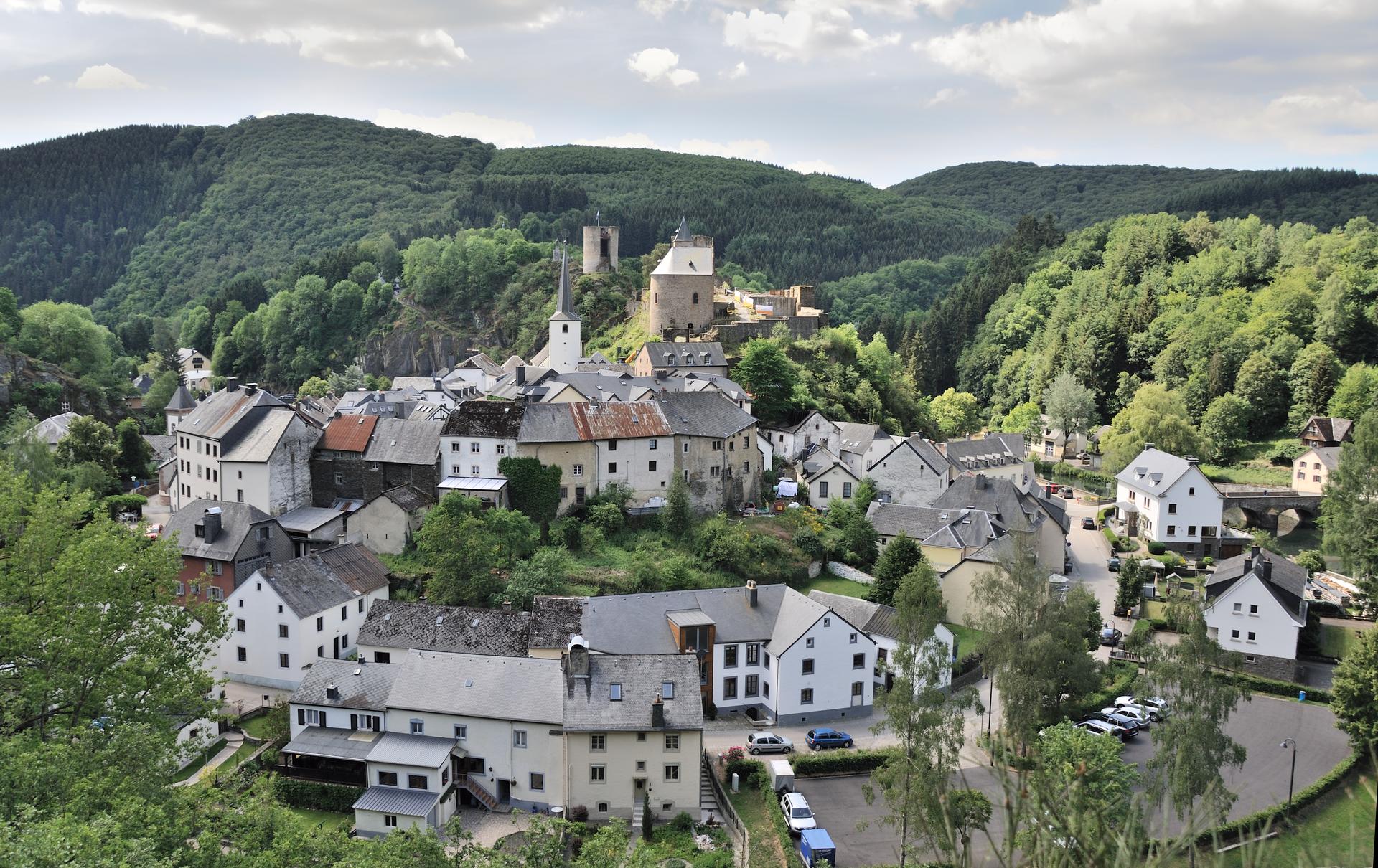
Discover the tranquil beauty of Gutland, Luxembourg, with its rolling hills, charming villages, and rich history - a perfect retreat for nature lovers and history enthusiasts.
Tell me more about Gutland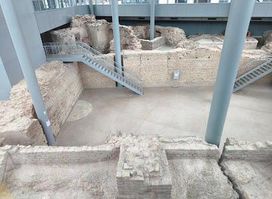
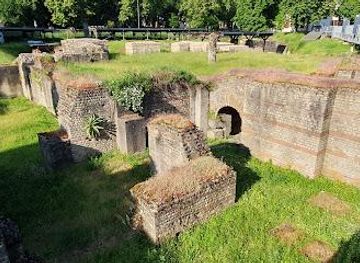
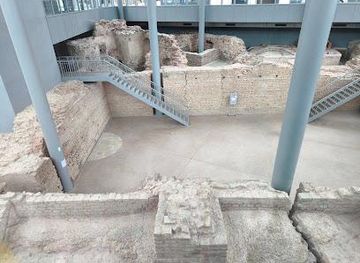
Journey beneath Trier's bustling Viehmarkt to explore Roman bath ruins, preserved under glass, and connect with 2,000 years of history in Germany’s oldest city.

Discover the birthplace of Karl Marx in Trier, Germany—a museum revealing the life, writings, and enduring influence of the revolutionary philosopher and economist.