

Gutland, Luxembourg Travel Guide
Discover the tranquil beauty of Gutland, Luxembourg, with its rolling hills, charming villages, and rich history - a perfect retreat for nature lovers and history enthusiasts.
Nestled in the southern part of Luxembourg, Gutland is a picturesque destination waiting to be explored. Known for its rolling hills, lush forests, and charming villages, Gutland offers a peaceful retreat from the hustle and bustle of city life. The region is perfect for nature lovers, hikers, and those looking to experience the authentic Luxembourgish countryside. Gutland is home to numerous walking and cycling trails that wind through its scenic landscapes. Visitors can enjoy leisurely strolls or more challenging hikes, all while soaking in the beauty of the surrounding nature. The area is also dotted with historical sites, including medieval castles and ancient ruins, providing a glimpse into Luxembourg's rich history. In addition to its natural and historical attractions, Gutland is known for its local produce and cuisine. Visitors can indulge in fresh, locally-sourced foods at charming eateries and markets. The region's wineries offer delightful tastings of Luxembourgish wines, making for a perfect end to a day of exploration. Whether you're looking to relax in nature, delve into history, or savor local flavors, Gutland has something to offer every traveler. Its tranquil atmosphere and stunning landscapes make it a must-visit destination in Luxembourg.

Know before you go
Hi, I'm Eve. Here are a few practical things to know before exploring Gutland.
- Visit in spring or autumn for the best weather and stunning natural scenery.
- Rent a bike to explore the numerous cycling trails that crisscross the region.
- Don't miss the local markets for fresh produce and unique souvenirs.
- Take a guided tour of the medieval castles to learn about the region's history.
- Try the local wines at one of the many vineyards in the area.
Top City Travel Guides in Gutland
The cities of Gutland, and the easiest places to base yourself.


Destinations in Gutland
Resorts, valleys and scenic spots worth a trip of their own.


Explore Gutland: Things to Do, Places to Eat, Hotels & More
Handpicked recommendations for top attractions, local dining, accommodations, and more

Top Attractions & Sightseeing in Gutland
Top-rated picks
Best Attractions

Porta Nigra
Porta Nigra is Trier’s iconic UNESCO World Heritage Roman city gate, renowned for its imposing stone architecture, panoramic city views, and rich layered history.

William Square
Place Guillaume II, or William Square, is Luxembourg City's iconic public plaza, home to lively markets, a striking equestrian statue, and vibrant city life in historic Ville Haute.

Bd de la Pétrusse
Discover Ville Haute, Luxembourg’s historic quarter renowned for its medieval ramparts, elegant plazas, boutique shopping, and sweeping city panoramas.

Casemates du Bock
Luxembourg’s legendary Casemates du Bock invites you to explore labyrinthine tunnels carved into ancient cliffs—a UNESCO gem blending history, engineering, and panoramic views.

Best landmarks in Gutland
Top-rated picks
Best Landmarks

Bd de la Pétrusse
Ville Haute is Luxembourg City’s enchanting hilltop old town, offering sweeping valley views, grand palaces, lively squares, and a captivating blend of history and café culture.

Chem. de la Corniche
Stroll Luxembourg’s Chemin de la Corniche, the city’s legendary balcony, offering sweeping vistas of river valleys, historic quarters, and storied ramparts above Ville Haute.

Kaiserthermen
Step into history at the Kaiserthermen, Trier’s magnificent Imperial Baths—a sprawling Roman ruin where ancient engineering and imperial luxury come to life.

Konstantin-Basilika (Evangelische Kirche zum Erlöser)- Evangelische Kirchengemeinde Trier
Experience the monumental power of Konstantin-Basilika in Trier: a UNESCO-listed Roman imperial throne room, now a soaring, light-filled Protestant church.

Best restaurants in Gutland
Top-rated picks
Best Restaurants

Batucada
Savor the authentic flavors of Brazil at Batucada, Luxembourg's premier South American dining destination.

Grand Café
Experience luxurious grill dining at Grand Café in Place d'Armes, where exceptional cuisine meets vibrant city life in Luxembourg.

Bazaar Bar and Restaurant
Discover authentic Lebanese cuisine fused with Mediterranean flair at Bazaar Bar & Restaurant in Luxembourg's vibrant nightlife scene.

ELA Greek Cuisine
Experience authentic Greek cuisine at ELA in Kirchberg - where tradition meets flavor in every dish.

Best bars in Gutland
Top-rated picks
Best Bars

Scott's Pub
Experience the lively atmosphere and delicious cuisine at Scott's Pub, a top gastropub in Luxembourg's scenic Grund district.

Urban Bar & Restaurant
Experience the vibrant culinary scene at Urban Bar & Restaurant in Ville Haute, Luxembourg, where local flavors meet international flair.

The Game Sportsbar & Steakhouse
Experience the thrill of sports and savor delicious steaks at The Game Sportsbar & Steakhouse in Kirchberg, Luxembourg.

Tube
Discover the vibrant Tube Bar in Luxembourg – a cozy spot offering delicious food, extensive drinks, and friendly vibes for an unforgettable night out.

Best nightclubs in Gutland
Top-rated picks
Best Nightclubs

Restaurant Bar Ikki - Sushi - Cocktails - Lounge - Rives de clausen
Experience Ikki: A chic fusion of sushi, cocktails, and nightlife in Luxembourg's Rives de Clausen, perfect for culinary and party enthusiasts.

De Gudde Wëllen
Experience the vibrant nightlife at De Gudde Wëllen, Luxembourg's stylish bar offering exquisite drinks and a lively atmosphere.

Musikpark A1 Trier
Discover the vibrant nightlife of Trier at Musikpark A1, the ultimate disco club featuring electrifying music, dancing, and unforgettable parties.

Restaurant Bar Zulu Blanc
Discover the electrifying nightlife at Restaurant Bar Zulu Blanc, a premier night club and bar in Luxembourg, perfect for dancing and socializing.

Best shops in Gutland
Top-rated picks
Best Shops

Belle Etoile Shopping Center
Discover the ultimate shopping experience at Belle Etoile Shopping Center, where style, taste, and entertainment come together in Luxembourg.

Knauf Shopping Center Pommerloch
Experience the best of shopping and dining at Knauf Shopping Center Pommerloch, where variety meets comfort in a picturesque setting.

Auchan Kirchberg
Explore Auchan Kirchberg for an unforgettable shopping experience in Luxembourg, featuring local delicacies and a vast selection of products.

Knauf Shopping Schmiede
Discover a world of shopping at Knauf Shopping Schmiede, where style meets convenience in the heart of Luxembourg.

Explore Gutland on the Map
A handpicked selection of must-see spots in Gutland, mapped for you.
Gutland Essentials
-
Gutland is situated in the southern and central regions of Luxembourg. The main entry point for international travelers is Luxembourg Airport (LUX), located about 25 kilometers from the heart of Gutland. From the airport, you can take a taxi, bus, or rent a car to reach your destination. Luxembourg is also well-connected by train and road to neighboring countries, making it accessible from major European cities like Brussels, Paris, and Frankfurt.
-
Gutland is well-served by Luxembourg's efficient public transportation system, which includes buses and trains. The Mobilitéit network operates frequent bus services that connect towns and villages within Gutland. Trains operated by the CFL (Chemins de Fer Luxembourgeois) offer a convenient way to travel between larger towns. For more flexibility, renting a car is a good option, as it allows you to explore the picturesque countryside at your own pace.
-
The official currency in Luxembourg is the Euro (EUR). Credit and debit cards are widely accepted in hotels, restaurants, and shops. ATMs are readily available in towns and cities throughout Gutland. It is advisable to carry some cash, especially when visiting smaller villages or markets where card payments may not be accepted.
-
Gutland is considered a very safe destination for tourists. Violent crime is rare, but standard precautions should be taken. Avoid leaving valuables unattended and be vigilant in crowded areas to prevent pickpocketing. There are no specific areas with high crime rates targeting tourists, but it is always wise to stay aware of your surroundings.
-
In case of emergency, dial 112, the European emergency number, for police, fire, or medical assistance. Luxembourg has a well-developed healthcare system with hospitals and clinics in major towns. Pharmacies are also widely available for minor health issues. It is recommended to have travel insurance that covers medical emergencies.
-
Fashion: Do dress smartly, as Luxembourgers appreciate neat and stylish attire. Avoid overly casual or revealing clothing, especially when visiting religious sites. Religion: Do respect the customs and sacredness of churches and monasteries. Ensure your behavior is courteous and subdued. Public Transport: Do be respectful and considerate on public transport. Offer your seat to elderly passengers and avoid loud conversations. Greetings: Do greet people with a handshake and a friendly smile. Luxembourgers appreciate politeness and formal greetings. Eating & Drinking: Do try the local cuisine and specialties. It's polite to accept food and drink offerings. Don't rush meals; dining is often a leisurely and social activity.
-
To experience Gutland like a local, visit the weekly markets held in various towns where you can buy fresh produce and local specialties. Engage with locals, who are known for their hospitality and willingness to share insights about the region's history and culture. Don't miss the opportunity to explore the Mullerthal Trail, known as Luxembourg's Little Switzerland, for its stunning landscapes and hiking routes. Additionally, consider visiting some of the lesser-known castles and historical sites scattered throughout the region for a more intimate and authentic experience.
When is the best time to visit Gutland?
Useful Local Phrases for Gutland
You don't need to speak the language perfectly. Even learning a few simple words can make conversations warmer—and locals usually appreciate the effort.
— Eve

Here are the phrases I use most often in Gutland. Try a few—you'll be surprised how far they go! 😊
❤️
-
- HelloMoien
[moy-en] - GoodbyeÄddi
[add-ee] - YesJo
[yo] - NoNee
[nay] - Please/You're welcomeEch wéilt, merci
[esh vilt, mehr-see] - Thank youMerci
[mehr-see] - Excuse me/SorryEntschëllegt
[ent-shel-legt] - How are you?Wéi geet et dir?
[vay gate et deer] - Fine. And you?Gutt. A dir?
[gutt. ah deer] - Do you speak English?Sproochs de Englesch?
[sprohks deh eng-lesh] - I don't understandEch verstin net
[esh fer-steen net]
- HelloMoien
-
- I'd like to see the menu, pleaseEch géif gär d'Menü gesin, w.e.g.
[esh gayf gar d'men-oo ge-sin, veh-geh] - I don't eat meatEch iessen keen Fleesch
[esh ee-sen keen flesh] - Cheers!Prost!
[prohst] - I would like to pay, pleaseEch géif gär bezuelen, w.e.g.
[esh gayf gar beh-zoy-len, veh-geh]
- I'd like to see the menu, pleaseEch géif gär d'Menü gesin, w.e.g.
-
- Help!Hëllef!
[hel-lef] - Go away!Géi fort!
[gay fort] - Call the Police!Ruff d'Police an!
[roof deh po-leece an] - Call a doctor!Ruff e Dokter!
[roof eh dock-ter] - I'm lostEch sinn verluer
[esh sinn fer-loor] - I'm illEch sinn krank
[esh sinn krank]
- Help!Hëllef!
-
- I'd like to buy...Ech géif gär kafen...
[esh gayf gar kaf-en] - I'm just lookingEch kucken just
[esh koo-ken yoost] - How much is it?Wéi vill kascht et?
[vay feel kasht et] - That's too expensiveDat ass ze deier
[daht ass ze dye-er] - Can you lower the price?Kanns de de Präis erofsetzen?
[kans deh deh prys er-off-set-sen]
- I'd like to buy...Ech géif gär kafen...
-
- What time is it?Wéi vill Auer ass et?
[vay feel ohr ass et] - It's one o'clockEt ass een Auer
[et ass een ohr] - Half past (10)Hallwer (10)
[hal-ver (10)] - MorningMëdet
[med-it] - AfternoonNomëden
[no-may-den] - EveningOwend
[ow-end] - YesterdayGéint
[ge-int] - TodayHaut
[howt] - TomorrowMëi
[may] - 1Eent
[eent] - 2Zwee
[zway] - 3Dräi
[dry] - 4Viir
[veer] - 5Fënnef
[fuh-nef] - 6Sechs
[zex] - 7Siwen
[see-ven] - 8Acht
[acht] - 9Neun
[noyn] - 10Zéng
[zeng]
- What time is it?Wéi vill Auer ass et?
-
- Where's a/the...?Wou ass e/d'...?
[voo ass eh/d'...?] - What's the address?Wéi ass d'Adress?
[vay ass deh ah-dress] - Can you show me (on the map)?Kanns de mir weisen (op der Kaart)?
[kans deh meer vie-zen (op der kart)] - When's the next (bus)?Wann ass déi nächst (Bus)?
[van ass day nehkst (boos)] - A ticket (to ....)E Ticket (an ....)
[eh tik-et (an ....)]
- Where's a/the...?Wou ass e/d'...?
History of Gutland
-
Gutland, like much of Luxembourg, was significantly influenced by the Romans. The area was part of the Roman province of Gallia Belgica. Archaeological findings, including remnants of Roman villas, roads, and artifacts, suggest that Gutland was an important agricultural and strategic area during this period.
-
In the medieval period, Gutland saw the construction of numerous castles and fortresses. These structures were built to protect the region from invasions. Notable examples include the castles in Mersch and Hesperange, which stand as testaments to the area's strategic importance in medieval times.
-
The 16th and 17th centuries were marked by Spanish and then French control over Luxembourg. Gutland, as part of Luxembourg, experienced the turbulence of these periods, including military occupations and administrative changes. The fortifications in the towns of the region were strengthened during these times.
-
The 19th century brought the Industrial Revolution to Gutland. The region saw the development of industries, especially in iron and steel production. This period marked a shift from a predominantly agricultural society to an industrialized one, bringing economic growth and demographic changes.
-
Gutland, like the rest of Luxembourg, was affected by both World War I and World War II. During World War II, the region was occupied by Nazi Germany. The Battle of the Bulge, one of the last major German offensives on the Western Front, had significant impacts on the area, with many towns experiencing destruction and hardship.
-
In the post-war era, Gutland has seen significant development while also focusing on preserving its cultural heritage. Modern infrastructure coexists with historical landmarks, and there are numerous cultural festivals and events that celebrate the rich history and traditions of the region.
Neighbouring Regions of Gutland
The closest regions to Gutland, if you have time for more than one.



Your all‑in‑one travel companion app
Explore expert travel guides, compare and book tours, experiences, hotels, and more—all from the palm of your hand. Download now for seamless trip planning wherever your wanderlust takes you.


Explore More of Luxembourg

Looking beyond Gutland? Discover Luxembourg for broader travel guides, local hot-spots, and regional highlights.
Explore LuxembourgGutland in Photos
Browse through our photo collection highlighting the charm and character of the destination.



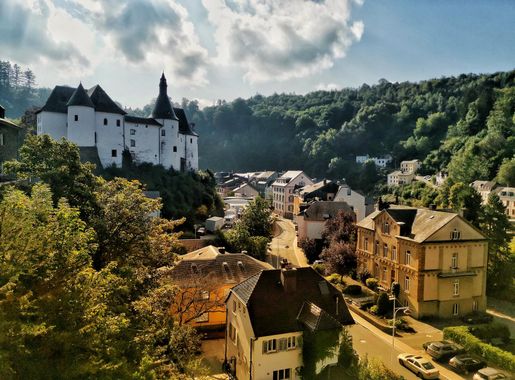


The Enchanting Landscapes of Gutland
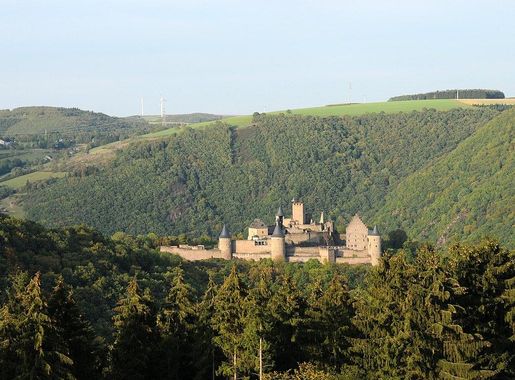
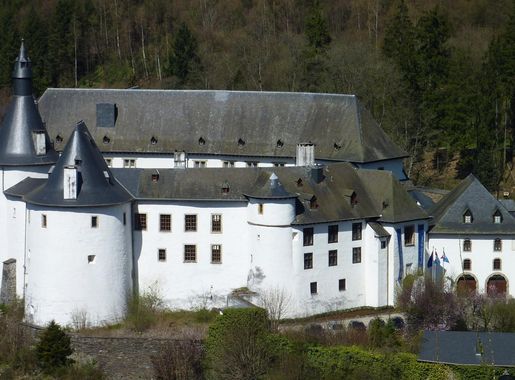
Nestled in the southern part of Luxembourg, Gutland is a picturesque destination waiting to be explored. Known for its rolling hills, lush forests, and charming villages, Gutland offers a peaceful retreat from the hustle and bustle of city life. The region is perfect for nature lovers, hikers, and those looking to experience the authentic Luxembourgish countryside. Gutland is home to numerous walking and cycling trails that wind through its scenic landscapes. Visitors can enjoy leisurely strolls or more challenging hikes, all while soaking in the beauty of the surrounding nature. The area is also dotted with historical sites, including medieval castles and ancient ruins, providing a glimpse into Luxembourg's rich history. In addition to its natural and historical attractions, Gutland is known for its local produce and cuisine. Visitors can indulge in fresh, locally-sourced foods at charming eateries and markets. The region's wineries offer delightful tastings of Luxembourgish wines, making for a perfect end to a day of exploration. Whether you're looking to relax in nature, delve into history, or savor local flavors, Gutland has something to offer every traveler. Its tranquil atmosphere and stunning landscapes make it a must-visit destination in Luxembourg.