

Karl Marx House, Gutland Travel Guide
Discover the birthplace of Karl Marx in Trier, Germany—a museum revealing the life, writings, and enduring influence of the revolutionary philosopher and economist.
Located in the heart of Trier, the Karl Marx House museum invites visitors into the very home where the world-changing philosopher and economist was born in 1818. Housed in a charming Baroque townhouse not far from the lively city center, this thoughtfully curated museum weaves together the personal and political threads of Marx's legacy, showcasing original manuscripts, rare artifacts, and interactive exhibitions across its restored interiors. It serves as both a sanctuary for history enthusiasts and a beacon for those interested in understanding pivotal moments of modern political theory.
A brief summary to Karl Marx House
- Brückenstraße 10, Trier, 54290, DE
- Click to display
- Click to display
- Monday 10 am-1 pm
- Tuesday 10 am-1 pm
- Wednesday 10 am-1 pm
- Thursday 10 am-1 pm
- Friday 10 am-1 pm
- Saturday 10 am-1 pm
- Sunday 10 am-1 pm

Know before you go
Hi, I'm Eve. Here are a few practical things to know before exploring Karl Marx House.
- Arrive early, especially on weekends, to enjoy quieter galleries and thoughtful exploration before group tours arrive.
- Audio guides are available in multiple languages and offer helpful context for both Marx’s theories and his personal life.
- Allow time to visit the tranquil garden, perfect for unwinding or discussing the exhibits with fellow visitors.
- The museum shop stocks unique publications, replicas, and Marx-themed souvenirs not found elsewhere in Trier.
Do you manage this location?
Take control to get all the benefits, like improved information, better appearance, and stronger visibility across AI-powered discovery. Learn more about listing your business on Evendo
Activate your presenceOther nearby places you may find interesting
The closest places of the same kind, if this one is not quite what you had in mind.


Explore Karl Marx House on the Map
A handpicked selection of must-see spots near Karl Marx House, mapped for you.
Unlock the Best of Karl Marx House
Buy tickets
-
No tickets available
Book tours with entry


Getting There
-
Orientation Entry
The Karl Marx House is located a short walk south of Trier’s Main Market, just beyond the Romanesque old quarter and close to the Moselle riverbank. Look for the pale yellow façade with classic Baroque features. Entrance fees are generally under €7 per adult.
-
Accessibility & Services
Wheelchair users will find accessible entry at the rear of the building, with elevator service to principal exhibition floors. Audio guides and brochures in several languages can be hired for a small additional charge.
-
Local Highlights
After visiting, explore Trier’s vibrant old town or stroll toward the Porta Nigra and local cafés, all within ten minutes on foot from the museum.
Discover more about Karl Marx House













Your all‑in‑one travel companion app
Explore expert travel guides, compare and book tours, experiences, hotels, and more—all from the palm of your hand. Download now for seamless trip planning wherever your wanderlust takes you.


Explore More of Gutland
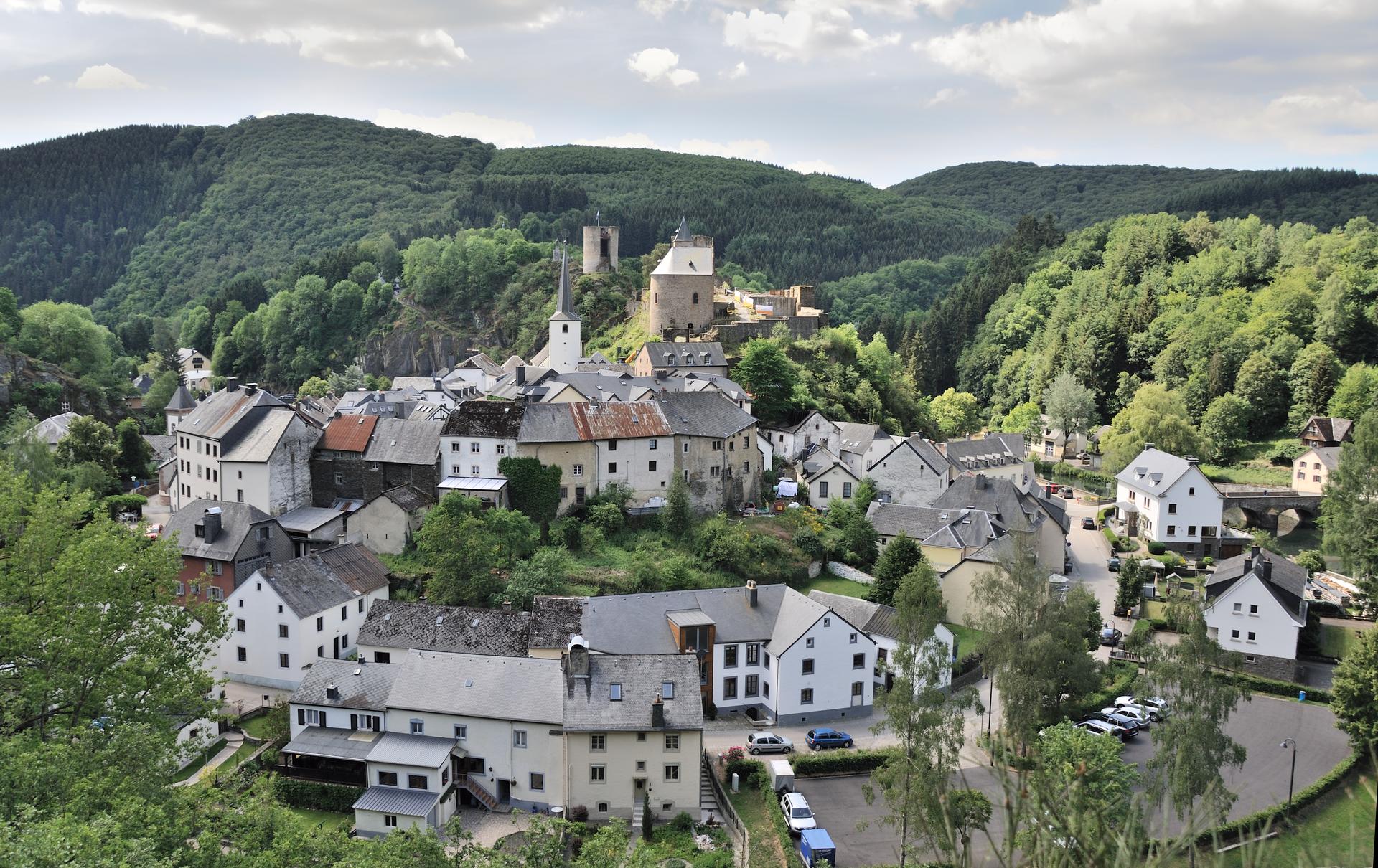
Looking beyond Karl Marx House? Discover Gutland for broader travel guides, local hot-spots, and regional highlights.
Explore Gutland
Step into the refined world of a Roman noble at the Villa Urbana Longuich, where ancient mosaics, heated floors, and vineyard views evoke centuries of Moselle Valley history.
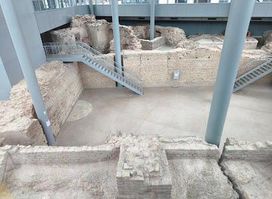
Journey beneath Trier's bustling Viehmarkt to explore Roman bath ruins, preserved under glass, and connect with 2,000 years of history in Germany’s oldest city.
