Raschpëtzer Qanat, Gutland Travel Guide
Discover Europe’s best-preserved Roman qanat near Walferdange—an underground marvel of ancient water engineering set beneath lush Luxembourgish fields.
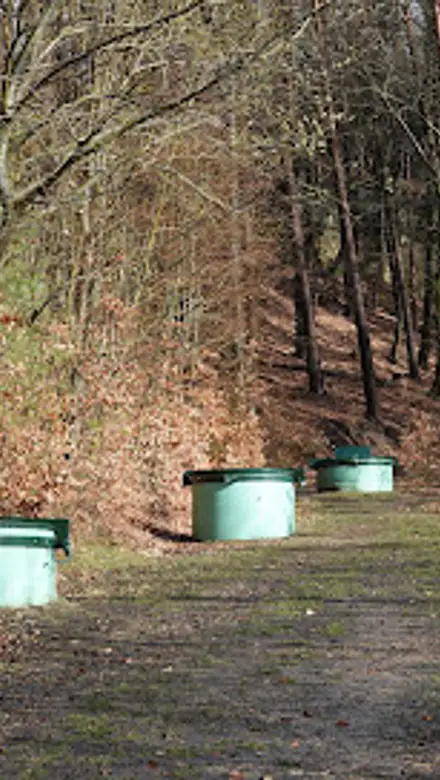
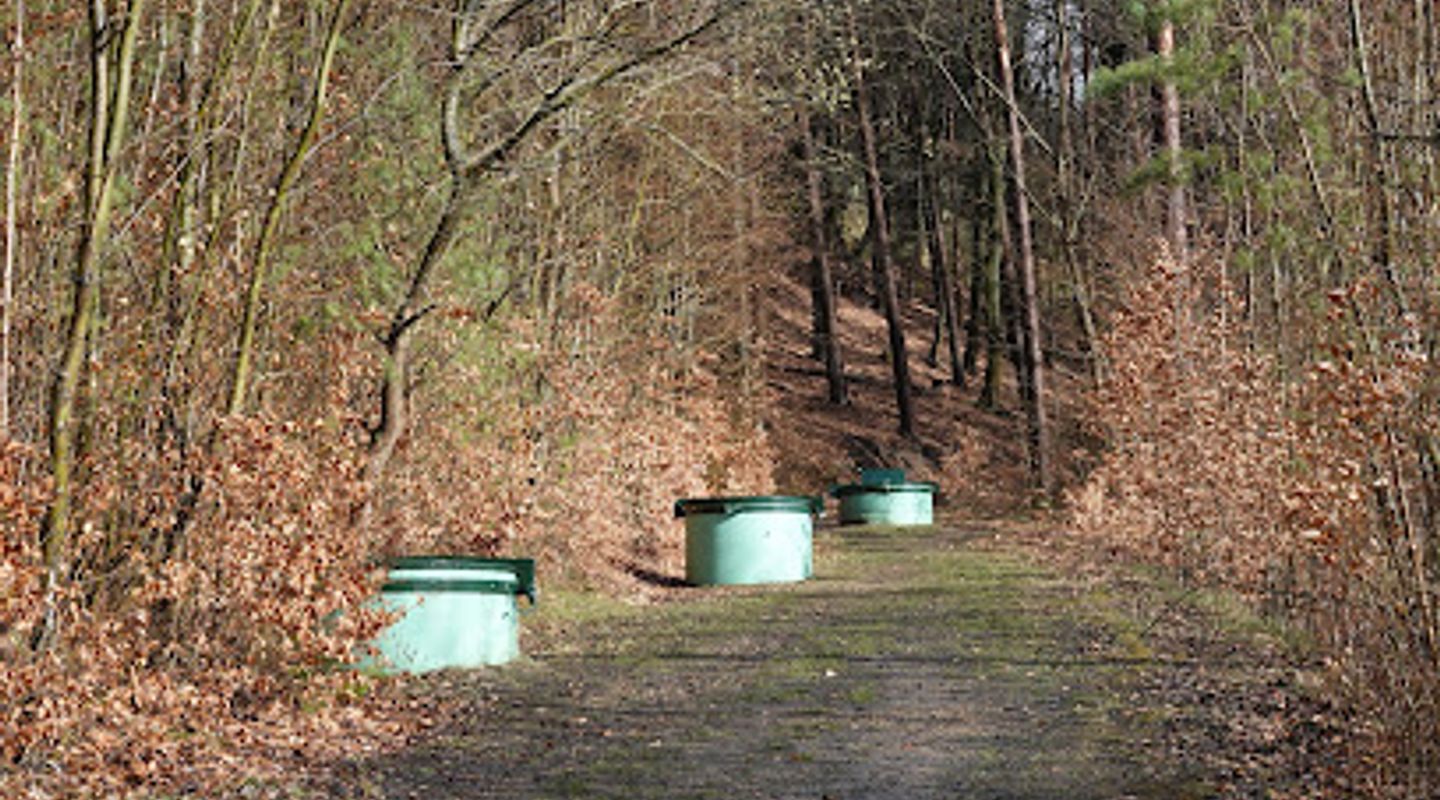
Hidden under fields near Walferdange, the Raschpëtzer Qanat is one of Europe’s best-preserved underground aqueducts. Dating back to Roman times, this subterranean marvel was ingeniously engineered to bring fresh spring water to ancient settlements. Today, guided tours offer visitors a chance to step into the cool, echoing tunnels and discover feats of ancient hydraulic engineering set amid the tranquil Luxembourgish countryside.
A brief summary to Raschpëtzer Qanat
- Walferdange, LU

Know before you go
Hi, I'm Eve. Here are a few practical things to know before exploring Raschpëtzer Qanat.
- Check seasonal schedules and book a guided tour in advance, as access to the underground tunnel system is by appointment only.
- Bring a light jacket; temperatures inside the qanat remain cool year-round, even in summer.
- Wear sturdy, non-slip footwear—the tunnels can be damp and uneven underfoot.
- Combine your visit with a hike through the nearby Walferdange countryside for bucolic views and local picnic spots.
- Photography is allowed in most areas; bring a torch if you want to illuminate details for close-up shots.
Do you manage this location?
Take control to get all the benefits, like improved information, better appearance, and stronger visibility across AI-powered discovery. Learn more about listing your business on Evendo
Activate your presenceOther nearby places you may find interesting
The closest places of the same kind, if this one is not quite what you had in mind.

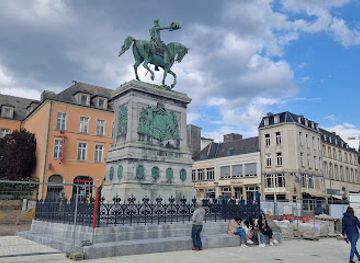

Explore Raschpëtzer Qanat on the Map
A handpicked selection of must-see spots near Raschpëtzer Qanat, mapped for you.
Getting There
-
Landmark Orientation
The entrance to the qanat lies just beyond Walferdange’s northern edge, close to nature trails and areas popular with local hikers. Look for interpretive signage indicating the historic site, set amid a gentle rise in open countryside.
-
Public Transport Access
Walferdange’s central train station is within walking distance of the site, making it accessible from Luxembourg City in about 15 minutes. Signs toward the qanat are located at main village intersections; onward access may include a stroll through fields.
-
Admission and Hours
Visits are guided only and usually free or for a nominal fee. Tours last approximately one hour and are often arranged in advance, especially for groups.
Discover more about Raschpëtzer Qanat













Your all‑in‑one travel companion app
Explore expert travel guides, compare and book tours, experiences, hotels, and more—all from the palm of your hand. Download now for seamless trip planning wherever your wanderlust takes you.


Explore More of Gutland
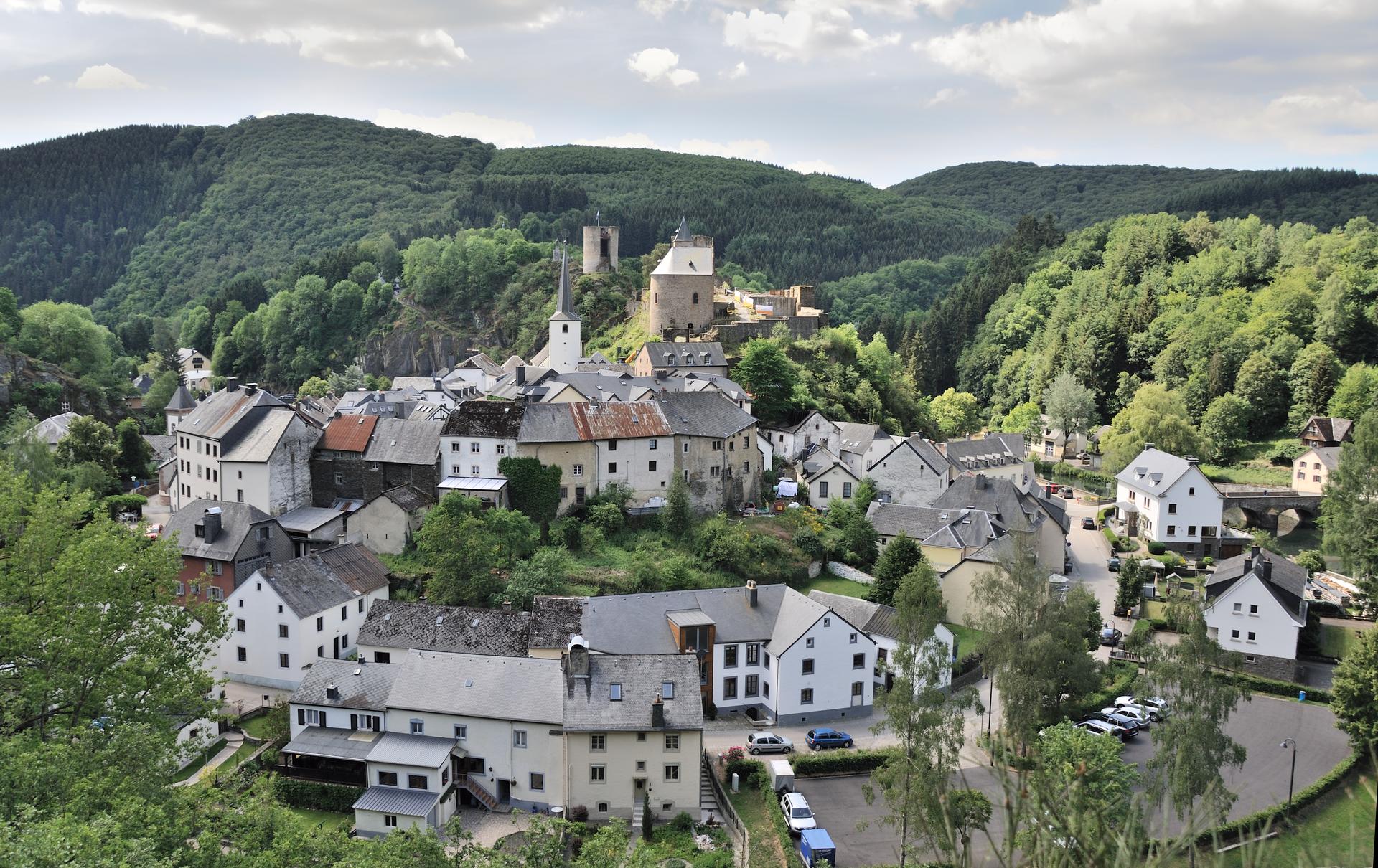
Looking beyond Raschpëtzer Qanat? Discover Gutland for broader travel guides, local hot-spots, and regional highlights.
Explore Gutland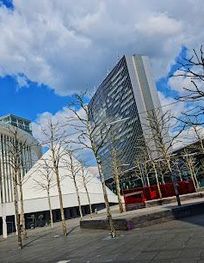
Discover Place de l’Europe, where contemporary design, cultural icons, and panoramic vistas intersect in cosmopolitan Kirchberg, Luxembourg City’s vibrant urban showcase.
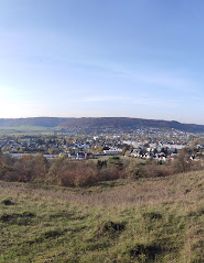
Escape to Sonnebierg Nature Preserve near Walferdange for immersive trails, native wildlife, wildflower meadows, and tranquil woodland just outside Luxembourg City.