

Kirchberg (Luxembourg City) Travel Guide - Free
Explore Kirchberg in Luxembourg City with Evendo's free guide. Find the best shops, historic streets, restaurants, and gems on web or mobile.


Kirchberg in Luxembourg City blends European institutions, bold architecture, Mudam, Philharmonie, parks, museums and tram-connected urban walks.
A Modern Plateau Above the City
Kirchberg occupies a broad plateau north-east of Luxembourg City’s historic centre, a district shaped less by medieval streets than by European institutions, contemporary architecture, landscaped public spaces and ambitious urban planning. Its wide avenues and separated pedestrian routes create a different rhythm from the compact Old Town below, while the Alzette valley and Grünewald provide a dramatic geographical backdrop. The district is primarily associated with the European quarter, but its identity extends well beyond offices and administrative buildings.Read more about Kirchberg
Architecture, Art and Public Life
Parks, Leisure and Everyday Kirchberg
Best attractions in Kirchberg
Kirchberg’s strongest attractions form a deliberate cultural and architectural sequence rather than a traditional sightseeing street. The Grand Duke Jean Museum of Modern Art, or Mudam, presents modern and contemporary art in I. M. Pei’s angular building, while the neighbouring Musée Dräi Eechelen occupies Fort Thüngen and interprets Luxembourg’s fortress and national history. The Philharmonie Luxembourg is both a major concert venue and one of the plateau’s most recognisable buildings, celebrated for its ring of slender columns. Around Place de l’Europe and the European Convention Centre, visitors can see the contrasting architecture of European institutions and civic spaces. The National Library offers another significant contemporary building, although access and exhibitions follow its own arrangements. Green corridors, fountains and long pedestrian approaches make the area rewarding for an architectural walk, while Coque provides a major sports and leisure presence on the eastern side of the district.
-
Tourist attraction
Palais Grand-Ducal
Discover the majestic Palais Grand-Ducal, a historical landmark in Luxembourg City that showcases exquisite architecture and royal heritage.
6 min drive · 1.9 km from neighbourhood centre
-
Tourist attraction
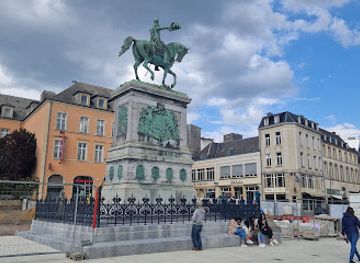
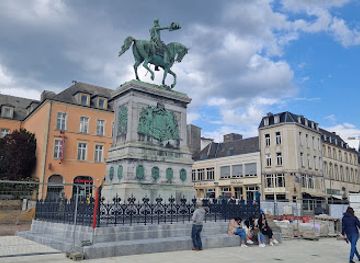
William Square
Explore the historical charm of William Square in Luxembourg City, where culture, architecture, and vibrant local life come together.
6 min drive · 2.0 km from neighbourhood centre
-
 Tourist attraction
Mudam Museum of Modern Art
Explore contemporary creativity at Mudam Museum of Modern Art in Luxembourg, featuring innovative exhibitions in a stunning architectural setting.
14 min walk · 1.1 km from neighbourhood centre
-
Tourist attraction
Musée Dräi Eechelen
Discover the rich history and vibrant art of Luxembourg at Musée Dräi Eechelen, a national museum in the heart of Clausen.
15 min walk · 1.2 km from neighbourhood centre
Best landmarks in Kirchberg
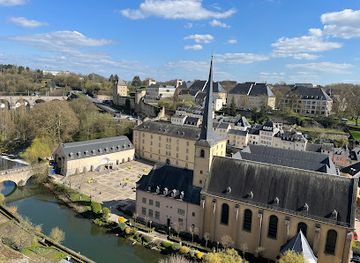
Kirchberg’s landmarks express the district’s unusual combination of European administration, military heritage and contemporary culture. The Philharmonie’s columned exterior is its clearest architectural emblem, while Mudam’s pale stone and glass forms create a deliberate dialogue with the restored Fort Thüngen, commonly known as the Three Acorns. The fort is a surviving element of Luxembourg’s former defensive system and gives historical depth to a plateau otherwise associated with recent construction. Place de l’Europe and the surrounding institutional buildings, including the European Court of Justice and European Investment Bank, represent Luxembourg’s post-war international role, although public access varies. The National Library’s modern structure and the Coque National Sports and Culture Centre broaden the district’s civic landmarks. Together these buildings show how Kirchberg evolved from an outer plateau into a planned European and cultural quarter.
-
Historical landmark
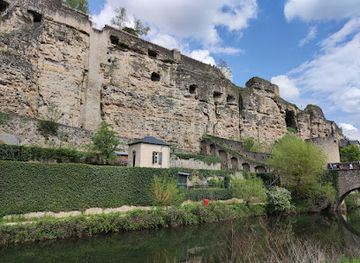
Bock Casemates
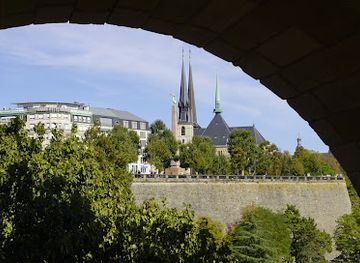
Discover the Bock Casemates, a historic fortress in Luxembourg City, blending stunning views with rich military history for an unforgettable experience.
5 min drive · 1.6 km from neighbourhood centre
-
Historical landmark
Palais Grand-Ducal
Discover the majestic Palais Grand-Ducal, a historical landmark showcasing Luxembourg's royal heritage and captivating architecture in Ville Haute.
6 min drive · 1.9 km from neighbourhood centre
-
Tourist attraction
William Square
Explore the vibrant historical charm of William Square, Luxembourg City’s cultural hub, adorned with stunning architecture and lively local markets.
6 min drive · 2.0 km from neighbourhood centre
-
Monument
Monument of Remembrance
Experience the somber beauty of the Monument of Remembrance in Luxembourg City, a must-see tribute to the heroes of the past amidst stunning architecture.
7 min drive · 2.2 km from neighbourhood centre
Explore Kirchberg on the map
A handpicked selection of must-see spots in Kirchberg, mapped for you.
Best hotels in Kirchberg
Best restaurants in Kirchberg
Kirchberg’s dining scene reflects its working and international population, with restaurants, cafés and quick-service venues concentrated around office buildings, shopping areas, cultural institutions and the European quarter rather than along one historic restaurant street. Visitors can find varied international cooking alongside bakeries, coffee shops and practical weekday lunch options, while the area around the Philharmonie and Mudam is convenient for pre-concert or post-exhibition meals. The Auchan shopping centre adds food counters and everyday provisions, and larger office developments bring further casual choices. Dining patterns change with the calendar: weekday lunches are shaped by the institutions and businesses, while cultural venues create a more evening-oriented flow. Kirchberg is less suited to an old-fashioned tavern crawl than the central quarters, but its restaurants mirror Luxembourg City’s multilingual, cross-border and European character without requiring visitors to leave the plateau.
-
Portuguese
Piri Piri Portuguese Restaurant & Bar - Luxembourg Kirchberg
Discover authentic Portuguese cuisine at Piri Piri Restaurant & Bar in Kirchberg - a flavorful journey awaits you!
11 min walk · 0.9 km from neighbourhood centre
-
Spanish
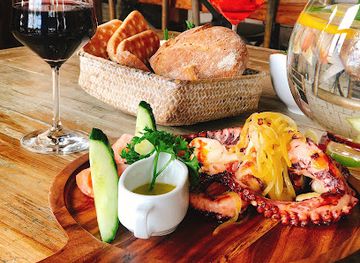
El Barrio Restaurante y Tapas Bar
Experience authentic Spanish cuisine at El Barrio Restaurante y Tapas Bar in Luxembourg's Kirchberg district - where every dish tells a story.
4 min walk · 0.3 km from neighbourhood centre
-
Greek
ELA Greek Cuisine
Indulge in authentic Greek cuisine at ELA in Kirchberg – where every dish is crafted with love and tradition.
15 min walk · 1.2 km from neighbourhood centre
-
Restaurant
Restaurant The JFK
Experience exquisite modern cuisine at Restaurant The JFK in Kirchberg, Luxembourg's culinary hotspot offering vibrant flavors and inviting ambiance.
15 min walk · 1.2 km from neighbourhood centre


Best bars in Kirchberg
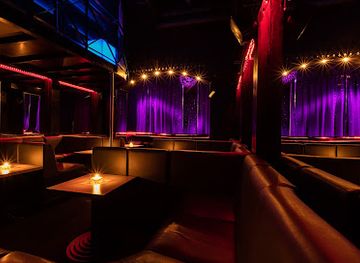
Kirchberg is not one of Luxembourg City’s principal nightclub districts, and its evening life is more closely tied to culture, cinema and restaurants than to a dense concentration of late bars. The Philharmonie brings internationally programmed concerts, while Kinepolis provides a major cinema destination; around these venues, cafés and restaurants offer places to meet before or after events. Office-area bars and hotel or restaurant lounges serve a largely professional crowd, with the atmosphere becoming quieter in sections dominated by institutional buildings once the working day ends. Visitors seeking a traditional pub circuit or late-night clubbing will find a broader choice in the Old Town, Grund and other central districts, which are nearby by tram or taxi. Kirchberg’s appeal after dark lies in its illuminated architecture, concert audiences and spacious public areas rather than a continuous nightlife strip.
-
Sports bar
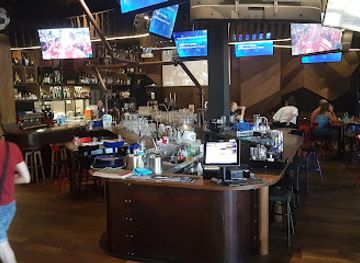
The Game Sportsbar & Steakhouse
Experience the thrill of live sports and savor exquisite steaks at The Game Sportsbar & Steakhouse in Kirchberg, Luxembourg.
6 min drive · 1.9 km from neighbourhood centre
-
Bar
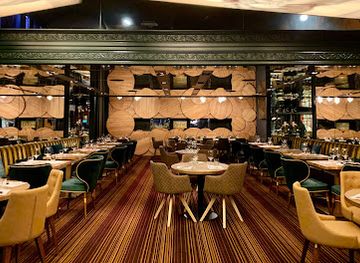
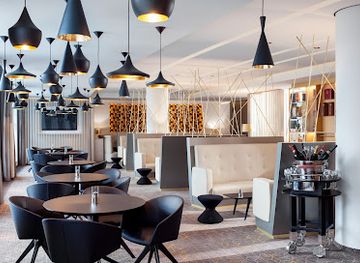
LOUNGE ACT ONE
Experience the essence of Luxembourg's culinary scene at Lounge Act One, where exquisite dining meets a vibrant bar atmosphere in Kirchberg.
11 min walk · 0.9 km from neighbourhood centre
-
Bar
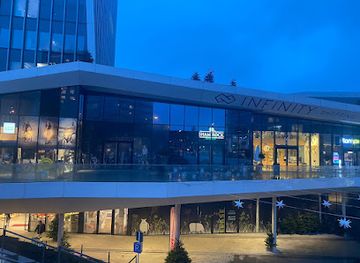
Shamrock Kirchberg
Shamrock Kirchberg: Where Luxembourg's nightlife comes alive with signature drinks and a welcoming atmosphere.
12 min walk · 0.9 km from neighbourhood centre
-
Cocktail bar
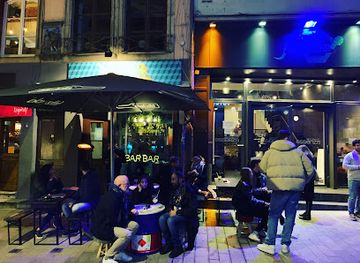
SixtyFour° Bar
Discover the exquisite cocktail culture at SixtyFour° Bar in Kirchberg, Luxembourg - a chic spot for unforgettable nights filled with taste and style.
9 min walk · 0.8 km from neighbourhood centre

Best nightclubs in Kirchberg
Kirchberg is not one of Luxembourg City’s principal nightclub districts, and its evening life is more closely tied to culture, cinema and restaurants than to a dense concentration of late bars. The Philharmonie brings internationally programmed concerts, while Kinepolis provides a major cinema destination; around these venues, cafés and restaurants offer places to meet before or after events. Office-area bars and hotel or restaurant lounges serve a largely professional crowd, with the atmosphere becoming quieter in sections dominated by institutional buildings once the working day ends. Visitors seeking a traditional pub circuit or late-night clubbing will find a broader choice in the Old Town, Grund and other central districts, which are nearby by tram or taxi. Kirchberg’s appeal after dark lies in its illuminated architecture, concert audiences and spacious public areas rather than a continuous nightlife strip.
-
Disco club
Apoteca
Experience the vibrant nightlife at Apoteca, a disco club and Italian restaurant in the heart of Luxembourg's Ville Haute, where food and fun collide.
6 min drive · 1.9 km from neighbourhood centre
-
Disco club
Lenox Club
Discover the electrifying nightlife at Lenox Club, Luxembourg's premier disco destination, where the dance floor comes alive with energy and excitement.
8 min drive · 2.5 km from neighbourhood centre
-
Night club
Saumur Crystal Club
Experience the vibrant nightlife of Luxembourg at Saumur Crystal Club, where dining meets entertainment in a lively atmosphere.
8 min drive · 2.5 km from neighbourhood centre
-
Night club
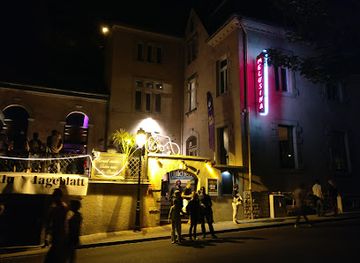
Melusina
Discover Melusina, Luxembourg's vibrant night club, where music, energy, and unforgettable experiences await in the heart of the city.
17 min walk · 1.4 km from neighbourhood centre

Best shops in Kirchberg
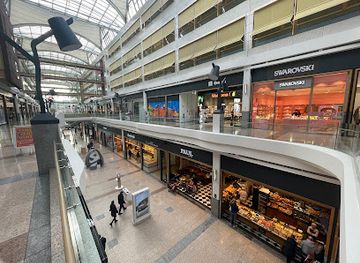
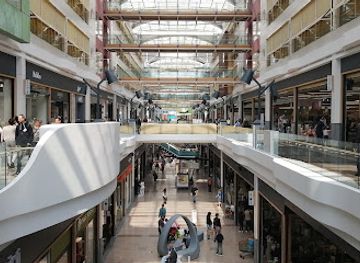
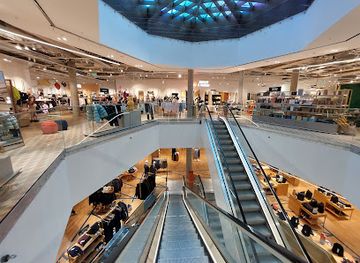
Shopping in Kirchberg is practical and contemporary rather than based on small historic lanes. The Auchan Kirchberg shopping centre on Rue Alphonse Weicker provides a substantial range of everyday retail, food shopping and services, making it useful for visitors staying in the district as well as local workers and residents. Around the business quarter and transport stops, smaller cafés, convenience outlets and service businesses support the office population, while the cultural institutions have design-led museum shops and book selections associated with their exhibitions and programmes. Kirchberg is not Luxembourg City’s main destination for antiques, independent boutiques or traditional craft shopping; those experiences are more characteristic of central districts and specialist streets elsewhere in the city. Its retail landscape is instead closely tied to modern urban development, international workplaces, residential growth and the practical needs of a large mixed-use plateau.
-
Supermarket
Auchan Kirchberg
Discover Auchan Kirchberg, Luxembourg's premier hypermarket for an extensive selection of local delicacies and international products.
6 min drive · 1.8 km from neighbourhood centre
-
Shopping mall
Kirchberg Shopping Center
Explore Kirchberg Shopping Center, Luxembourg's vibrant retail hub featuring diverse shops, delightful dining, and family-friendly entertainment.
6 min drive · 1.8 km from neighbourhood centre
-
Gift shop
Galeries Lafayette Luxembourg
Experience a luxurious shopping adventure at Galeries Lafayette Luxembourg, where fashion meets elegance in the heart of the city.
7 min drive · 2.2 km from neighbourhood centre
-
Shopping mall
Infinity Shopping
Explore luxury and leisure at Infinity Shopping in Kirchberg, Luxembourg - a premier destination for shopping and entertainment.
12 min walk · 1.0 km from neighbourhood centre

Kirchberg essentials
Getting There
Getting Around
Safety
Emergency Situations
Do's and Don'ts
Local Tips

From Eve
Local phrases worth knowing
You don't need to get them perfect. A few words go a long way, and locals appreciate the effort.
Basics
| English | Local | Say it |
|---|---|---|
| Hello | Moien | [Moo-yen] |
| Goodbye | Äddi | [A-dee] |
| Yes | Jo | [Yo] |
| No | Nee | [Nay] |
| Please/You're welcome | W.e.g | [Veg] |
| Thank you | Merci | [Mehr-see] |
| Excuse me/Sorry | Entschëllegt | [Ent-shell-egt] |
| How are you? | Wéi geet et dir? | [Way geet et deer] |
| Fine. And you? | Gutt. A dir? | [Goot. Ah deer] |
| Do you speak English? | Schwätzt dir Englesch? | [Shvets deer Eng-lesh] |
| I don't understand | Ech verstan net | [Esh verstahn net] |
Eating & Drinking
| English | Local | Say it |
|---|---|---|
| I'd like to see the menu, please | Ech géif gäre d'Menü gesinn, w.e.g | [Esh gayf geh-ra de Muh-noo geh-seen veg] |
| I don't eat meat | Ech iess keng Fleesch | [Esh eess keng Flaysh] |
| Cheers! | Prost! | [Prost] |
| I would like to pay, please | Ech géif gäre bezuelen, w.e.g | [Esh gayf geh-ra bezoo-len veg] |
Emergencies
| English | Local | Say it |
|---|---|---|
| Help! | Hëllef! | [Hell-eff] |
| Go away! | Gitt ewech! | [Gitt eh-vehk] |
| Call the Police! | Rufft d'Polizei! | [Roof de Poli-tsay] |
| Call a doctor! | Rufft en Dokter! | [Roof en Dock-ter] |
| I'm lost | Ech hunn mech verluer | [Esh hunn meh ver-loo-er] |
| I'm ill | Ech sinn krank | [Esh seen krunk] |
Shopping
| English | Local | Say it |
|---|---|---|
| I'd like to buy... | Ech géif ... kafen | [Esh gayf ... kah-fen] |
| I'm just looking | Ech kuck just | [Esh kook yoost] |
| How much is it? | Wéi vill kascht et? | [Way feel kahsht et] |
| That's too expensive | Dëst ass ze dreift | [Dest ass tse drayft] |
| Can you lower the price? | Kënnt dir de Präis reduzéieren? | [Kunt deer deh Preis reh-doo-zay-ren] |
Time & Numbers
| English | Local | Say it |
|---|---|---|
| What time is it? | Wéi spéit ass et? | [Way shpite ass et] |
| It's one o'clock | Et ass e puer | [Et ass e poor] |
| Half past (10) | Hallef (10) virun | [Hal-eff (10) vee-roon] |
| Morning | Muer | [Mur] |
| Afternoon | Nomëtten | [No-me-ten] |
| Evening | Owend | [Ov-end] |
| Yesterday | Gëschter | [Gesh-ter] |
| Today | Haut | [Ow-t] |
| Tomorrow | Muer | [Mur] |
| 1 | Eng | [Eng] |
| 2 | Zwee | [Zvee] |
| 3 | Dräi | [Dry] |
| 4 | Veer | [Fair] |
| 5 | Fënnef | [Fenn-ef] |
| 6 | Sechs | [Zex] |
| 7 | Siwen | [Zee-ven] |
| 8 | Aacht | [Aa-cht] |
| 9 | Nein | [Nayn] |
| 10 | Zéng | [Tzeng] |
Transport & Directions
| English | Local | Say it |
|---|---|---|
| Where's a/the...? | Wou ass e(n)...? | [Woo ass en] |
| What's the address? | Wat ass d'Adress? | [Vat ass dad-ress] |
| Can you show me (on the map)? | Kënnt dir mir (op der Kaart) weisen? | [Kunt deer meer (op der Kart) vise-en] |
| When's the next (bus)? | Wéini ass de nächste(n) (Bus)? | [Way-nee ass de nekst-en bus] |
| A ticket (to ....) | E Billett (no ...) | [Ee Bil-lett no] |
History of Kirchberg
From Rural Plateau to Urban Fringe
Before its modern development, Kirchberg was an upland area beyond Luxembourg City’s built-up core, associated with fields, woodland and routes towards the Grünewald. Its name is linked to a church or chapel on elevated ground, although the modern district bears little visual resemblance to a traditional village quarter. The plateau’s position above the Alzette valley gave it strategic and transport significance, but for much of the city’s history it remained peripheral to the dense settlement concentrated around the historic fortifications and lower city.
European Institutions Arrive
Kirchberg’s decisive transformation began after the Second World War, when Luxembourg’s role in the developing European Communities created demand for offices and institutional premises. From the 1960s onwards, the plateau was planned as a spacious European quarter, allowing large buildings and controlled road layouts that could not easily be accommodated in the old centre. The arrival of institutions including the European Court of Justice and the European Investment Bank gave Kirchberg an international function and established the district as one of Luxembourg’s principal administrative landscapes.
Planning a New City District
Successive development programmes turned Kirchberg into more than an office zone, introducing housing, shopping, education, leisure facilities and public transport alongside the institutions. Wide boulevards, planted areas and separated pedestrian routes reflected modernist planning ideals, while later projects placed greater emphasis on mixed uses and high-quality public space. The plateau became a testing ground for major architectural commissions, with buildings by internationally recognised architects standing beside institutional complexes and carefully landscaped civic spaces.
Culture and Connectivity Rebalance the Plateau
The opening of cultural institutions such as the Philharmonie Luxembourg in 2005 and Mudam in 2006 strengthened Kirchberg’s public identity, while the Musée Dräi Eechelen connected its contemporary setting with the city’s fortress history. The National Library’s move to Kirchberg in the late 2010s added another civic and educational anchor. Tram construction, with the Kirchberg section entering service in 2017, improved connections with the city centre and railway station; subsequent extensions reinforced the plateau’s role as an integrated urban district rather than a self-contained business quarter.
Kirchberg in Photos
Browse through our photo collection highlighting the charm and character of the destination.
Neighbourhoods near Kirchberg
The closest neighbourhoods to Kirchberg, if you have time for more than one stop.
-
-


Swipe for more neighbourhoods
Explore more

Explore more of Luxembourg City
Luxembourg City explores fortress heritage, old-town streets, museums, valleys and European culture for memorable sightseeing and local experiences year-round.
Explore Luxembourg City