Background

Trier: Germany’s Oldest City at the Crossroads of Cultures

Germany’s oldest city, Trier charms visitors with its Roman monuments, vibrant markets, and riverside beauty—an unforgettable blend of history and culture.

Trier, nestled in the scenic Moselle Valley, is Germany’s most ancient city and a living museum of European history. Renowned for its Roman monuments, medieval churches, and relaxed riverside atmosphere, Trier offers a unique blend of heritage, culture, and modern life among ancient ruins and vibrant markets. Visitors wander timeworn streets, discover the echoes of emperors and saints, and savor culinary delights in lively squares, all within a city that bridges Germany and France in both spirit and landscape.

Plan your visit

A brief summary to Trier

Opening times, essentials, and a few local tips gathered into one calmer, easier-to-scan planning section.

Plan your visit

📍
Trier, DE

Explore places near Trier

    See all →

    Unlock the Best of Trier

    Find tickets, tours with entry, and experiences available for this location.

    Buy tickets

    No tickets available

    Book tours with entry

    No tours with entry available

    Book tours without entry

    No tours without entry available

    Getting There

    Orientation

    The Roman sites—Porta Nigra, baths, and amphitheater—are clustered in and around the city center, typically a 5–15 minute walk apart, making exploration on foot straightforward.

    Landmark

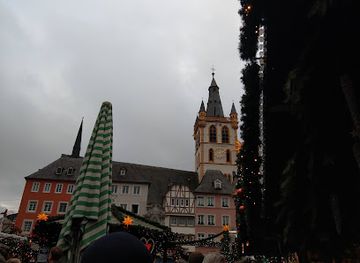
    The Hauptmarkt serves as the central meeting point, surrounded by lively markets, historic facades, and quick access to local cafés and souvenir shops.

    Cost

    Entry to most main sites, such as the Porta Nigra and Imperial Baths, ranges from €4–€8, with free access to the city's iconic squares and churches.

    Travel Base

    Trier’s main train station is under 1km from the old town, providing convenient links to Luxembourg, Koblenz, and the scenic Moselle Valley.

    Local tips

    Many Roman sites, including the Porta Nigra, offer combination tickets—ideal for exploring multiple attractions at a discount.
    The Hauptmarkt is best experienced in the morning, when local vendors and cafés create a bustling yet relaxed ambiance.
    Regional Moselle wine is a must-try—visit a local wine bar or take a short trip to nearby vineyards for tasting tours.
    Public transport connects well to outlying sites like the Amphitheater and Imperial Baths, and day passes are economical for adventurers.
    Look for evening guided walks, often focusing on Roman heritage or local legends, to experience Trier’s history in a new light.

    Discover more about Trier

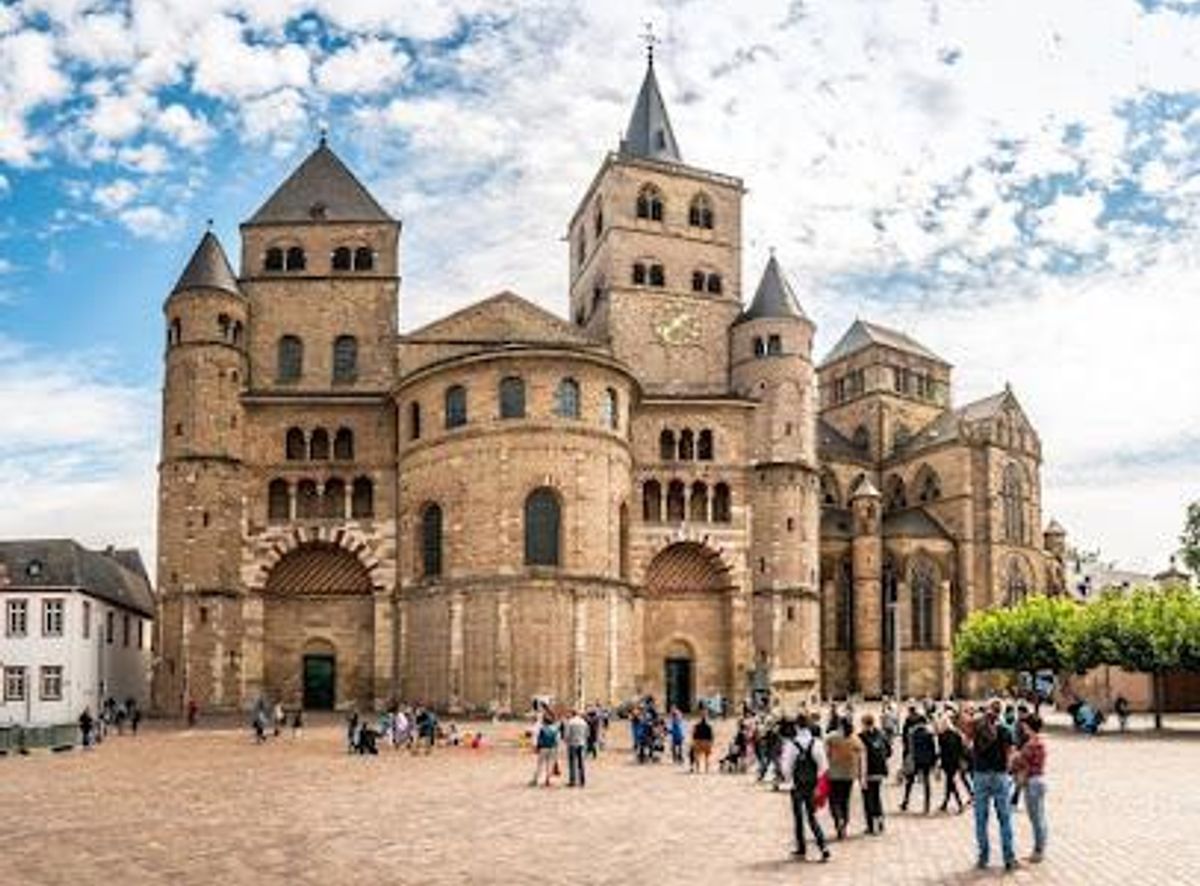
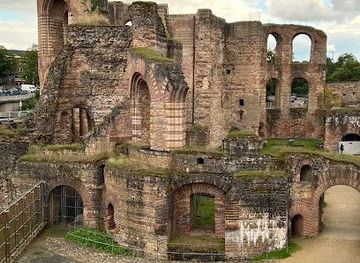
    Trier is a place where history’s footsteps echo from cobbled squares to dramatic riverbanks. Founded by the Romans in 16 BCE as Augusta Treverorum, this city claims the title of Germany’s oldest, with a treasure trove of UNESCO-listed sites seamlessly woven into daily life. Here, the immense Porta Nigra—Europe’s best-preserved Roman city gate—greets visitors with imposing grandeur, offering a hint of the imperial might that once dominated these lands. Just a short walk away, the Cathedral of St. Peter and the exquisite Liebfrauenkirche display architectural triumphs from the Middle Ages, each telling stories of emperors, bishops, and pilgrims.The cityscape unfolds along the winding Moselle River, inviting leisurely strolls and riverside picnics. Trier’s lively Hauptmarkt thrums with market stalls, street musicians, and open-air cafés where local Rieslings flow freely. In every direction, centuries-old buildings house modern boutiques and eateries, while Baroque palaces and neoclassical facades line leafy promenades.Trier’s storied past is everywhere—in the Roman Imperial Baths, where once elite citizens sought relaxation, and in the Kaiserthermen and vast Amphitheater, which hosted gladiatorial spectacles and large gatherings. Even underground, labyrinths of ancient cellars and crypts whisper tales of a city at the cultural crossroads of Europe. Beyond monuments, Triers’s allure lies in its accessible pace: visitors can explore on foot, with iconic sites clustered within a short distance. The city’s dynamic university population and frequent festivals infuse it with youthful energy, balancing historic gravitas with lively modernity.Nearby, rolling vineyards climb sun-soaked hills, inviting excursions for wine tasting or scenic cycling. Trier’s proximity to Luxembourg and France makes it a cosmopolitan base for further adventures, yet the city itself offers enough charm and atmosphere to fill days with memorable moments. Whether marveling at Roman relics, savoring regional cuisine, or simply watching the sunset over the Moselle, Trier enchants with a sense of timelessness, welcoming all who seek to wander between ages.

    A brief summary to Trier

    Use Trier as your starting point for nearby food, family ideas, nightlife, and more local discoveries.

    Mobile App
    Get the app

    Your all‑in‑one travel companion app

    Explore expert travel guides, compare and book tours, experiences, hotels, and more—all from the palm of your hand. Download now for seamless trip planning wherever your wanderlust takes you.
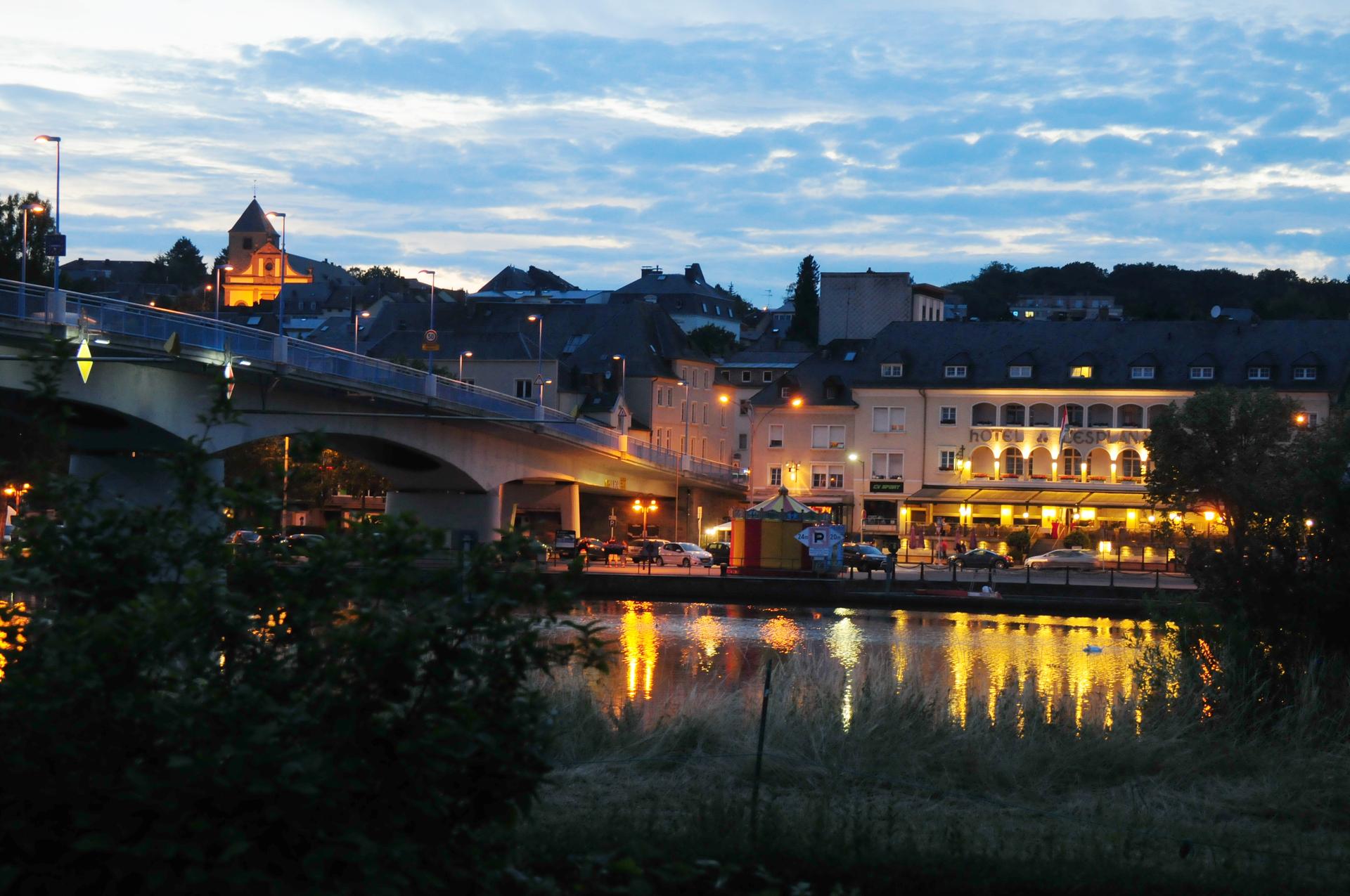
    File:Mosel river bridge at Remich Luxemburg by night, as seen from the  German side - panoramio.jpg - Wikimedia Commons

    More about Remich

    Discover Remich, the Pearl of the Moselle Valley, where scenic river views, lush vineyards, and rich cultural heritage create an enchanting travel experience.

    Tell me more about Remich
    Select Currency

    Choose the currency you want prices to display in.