

Free Remich Travel Guide & Mobile App
Plan your Remich trip with Evendo. Get free guides to top attractions, restaurants, hotels, and bars. Web access or download the mobile app.


Remich, Luxembourg’s Moselle wine town, pairs riverside walks, vineyard views, Roman heritage, local wines and gentle cycling routes for relaxed sightseeing.
On the Moselle
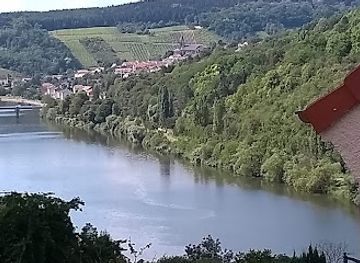
Remich occupies a graceful bend in south-eastern Luxembourg, where the Moselle forms the country’s border with Germany and vineyard-covered slopes rise behind a long riverside promenade. Often associated with Luxembourg’s wine industry, the town has an easy-going character shaped by water, agriculture and cross-border exchange. Its compact centre is simple to explore on foot, with cafés, restaurants and small shops gathered close to the river.Read more about Remich
Wine, River and Heritage
A Compact Cultural Base
When is the best time to visit Remich?
Best: June–August · 23–24°C| Month | High (°C) | Rainfall (mm) |
|---|---|---|
| January | 6 | 60 |
| February | 7 | 50 |
| March | 11 | 50 |
| April | 16 | 40 |
| May | 21 | 50 |
| June (best) | 23 | 60 |
| July (best) | 24 | 60 |
| August (best) | 24 | 60 |
| September | 21 | 50 |
| October | 17 | 40 |
| November | 11 | 50 |
| December | 8 | 60 |
Getting to and around Remich
How to get there
Transportation
Best attractions in Remich
Remich’s principal attraction is the Moselle waterfront, where a broad promenade, planted spaces and river views create an easy starting point for exploring the town. The riverside also leads towards boat activity and viewpoints across the border into Germany. In the centre, the parish church of Saint-Étienne provides a quieter architectural stop, while fountains and public sculptures reflect the town’s wine-growing identity. The Musée de la Vigne et du Vin introduces the traditions, tools and social history of Luxembourg’s Moselle vineyards, and local wine cellars offer a more sensory perspective on the same landscape. Marked walking routes climb from the built-up centre into the surrounding vine rows, revealing changing views over the valley. Cyclists can follow the Moselle corridor towards neighbouring villages, while the town’s cafés and small squares reward slower exploration between scheduled excursions.
-
Park
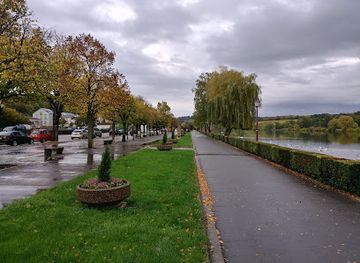
Esplanade Remich
A serene riverside promenade in Remich, Luxembourg, lined with gardens, trees, and river views, offering relaxation and local culture along the Moselle.
6 min walk · 0.5 km from city centre
-
Tourist attraction
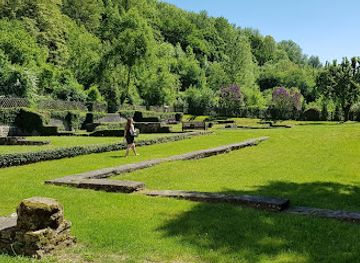
Roman Villa Nennig
Step into ancient luxury at Roman Villa Nennig, home to one of Europe’s finest preserved Roman mosaics, and explore the artistry and daily life of a grand provincial estate.
7 min drive · 2.4 km from city centre
-
Miniature golf course
Minigolf Remich
Enjoy 18 holes of relaxed riverside miniature golf amid Remich’s charming Esplanade, with Moselle views, friendly ambience, and plenty of options for families and groups.
6 min walk · 0.5 km from city centre
-
Winery
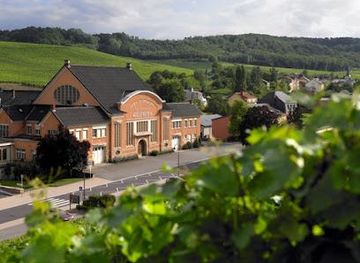
Domaines Vinsmoselle - Caves des Vignerons Wellenstein
Discover Luxembourg’s premier winery in Wellenstein with expertly guided tastings, panoramic vineyard views, and the prestigious Crémant de Luxembourg in the Moselle Valley.
7 min drive · 2.3 km from city centre

Best landmarks in Remich
The parish church of Saint-Étienne is Remich’s principal historic religious landmark, anchoring the town centre and reflecting the long-established Christian community of the Moselle settlement. Along the river, the promenade’s fountains and sculptures give physical form to Remich’s modern wine-town identity, while the quays provide a civic edge rather than a single monumental structure. The Moselle itself is a landmark in geographical and cultural terms: it has shaped trade, settlement, vineyards and the town’s relationship with Germany on the opposite bank. Wine-related buildings and cellars are equally significant, even when their architecture is understated, because they embody the production system that made the surrounding slopes important. Together these sites illustrate a place whose identity rests on landscape, border history and working viticulture more than on grand palaces or fortified monuments.
-
Park
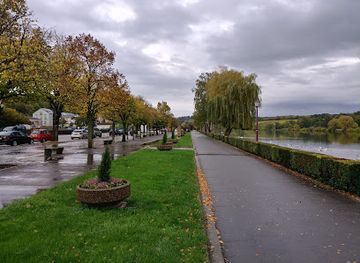
Esplanade Remich
Palm-studded promenades, riverside cafés, and sweeping Moselle vistas define Esplanade Remich, Luxembourg’s vibrant gateway to relaxation and outdoor leisure.
6 min walk · 0.5 km from city centre
-
Hotel
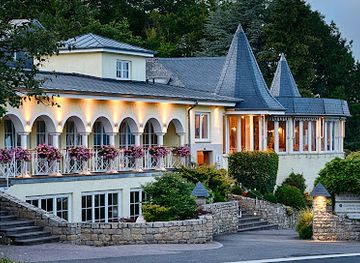
Domaine La Forêt
Enjoy a blend of modern wellness, local gastronomy, and peaceful natural scenery at Domaine La Forêt, a premier spa hotel retreat in Luxembourg’s picturesque Remich.
6 min walk · 0.5 km from city centre
-
Hotel
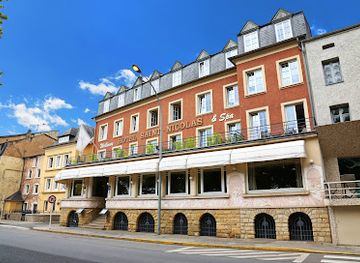
Hôtel Saint Nicolas & Spa
Experience refined relaxation and riverside charm at Hôtel Saint Nicolas & Spa in Remich, an inviting wellness retreat in the heart of Luxembourg’s Moselle Valley.
6 min walk · 0.5 km from city centre
-
Restaurant
Croisière à Remich - Bateaux RoudeLéiw, RiverDiva & MuselSchëff de Navitours
Set sail along Luxembourg’s Moselle River with Navitours for vibrant panoramic cruises, gourmet local dining, and immersive riverbank vistas from Remich’s charming quay.
5 min walk · 0.4 km from city centre
Explore Remich on the map
Plan your Remich trip on one map. See where the top attractions, landmarks, restaurants, bars and hotels are, find what's near where you're staying, and book hotels and experiences in a few clicks.
Best hotels in Remich
Best restaurants in Remich
Remich’s dining scene is closely connected to the Luxembourg Moselle, combining Luxembourgish and French-influenced cooking with ingredients and techniques familiar across the border region. Menus may feature freshwater fish from the river, seasonal game, pork, potatoes and locally sourced produce, while regional specialities such as Gromperekichelcher, a crisp potato cake, appear in informal settings and events. The town’s restaurants and cafés concentrate around the centre and waterfront, where terraces make the river part of the meal in warmer months. Wine is central rather than incidental: Riesling, Pinot varieties, Elbling and Crémant de Luxembourg are natural accompaniments, and local producers may be encountered through cellar tastings rather than conventional restaurants. Bakeries and casual cafés provide simpler daytime choices, while the wider Moselle villages offer additional traditional dining in a rural setting.
-
Pizza
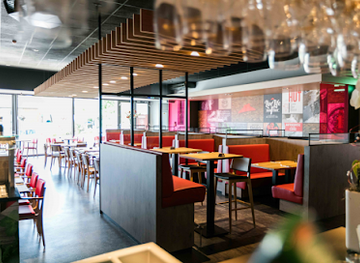
Pizza Hut - Remich
Discover delightful pizza at Pizza Hut - Remich, where fast food meets authentic flavors amidst scenic surroundings.
2 min walk · 0.1 km from city centre
-
Italian
Pizzeria um Moart
Experience authentic Italian cuisine at Pizzeria um Moart in Remich – where delicious wood-fired pizzas meet charming ambiance.
4 min walk · 0.4 km from city centre
-
Chinese
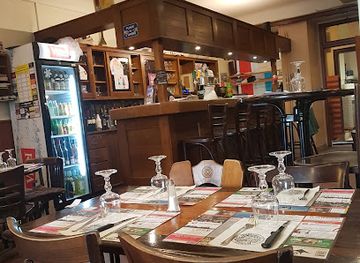
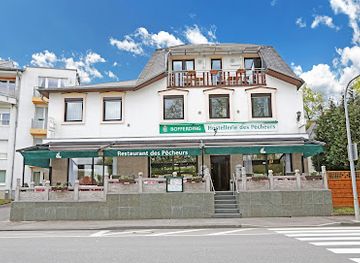
Hostellerie des Pêcheurs - Auberge
Discover exquisite Chinese and Japanese dishes at Hostellerie des Pêcheurs - Auberge in Remich – a culinary gem for all food lovers.
15 min walk · 1.2 km from city centre
-
Restaurant
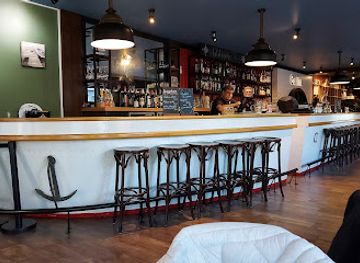
Um Scheff
Discover the taste of Luxembourg at Um Scheff - where delicious cuisine meets stunning views along the Moselle River.
5 min walk · 0.4 km from city centre
Best bars in Remich
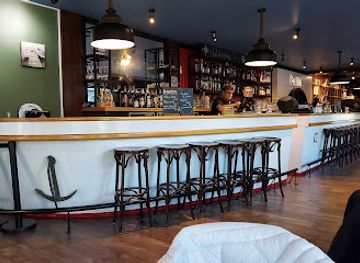
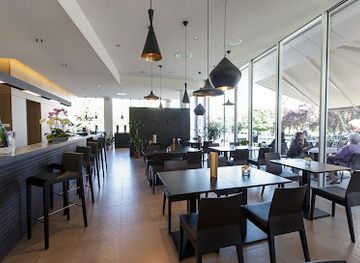
Remich’s evening life is modest and sociable rather than club-oriented. Riverside terraces, hotel bars, cafés and wine-focused venues provide places to linger over a glass of Luxembourg Moselle wine, with the greatest activity generally concentrated in the warmer months and around local events. The town is better suited to an unhurried evening of conversation, regional tasting and views across the water than to late-night dancing; large nightclub culture is not a defining feature. Seasonal festivals and wine-related gatherings can bring music and extended social activity to the centre, while nearby Luxembourg City offers a broader selection of live music, theatre and clubs for those seeking a fuller night out. Visitors should distinguish Remich’s quiet hospitality scene from the more extensive entertainment options found in the capital.
-
Chinese
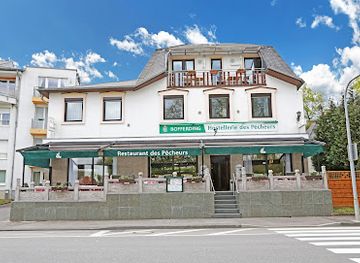
Hostellerie des Pêcheurs - Auberge
Experience a culinary fusion of exquisite Chinese and Japanese cuisine at Hostellerie des Pêcheurs - Auberge in Remich, a true gastronomic delight.
15 min walk · 1.2 km from city centre
-
Restaurant
Um Scheff
Discover Um Scheff in Remich, where exquisite local cuisine meets stunning riverside views in a cozy atmosphere.
5 min walk · 0.4 km from city centre
-
Fine Dining
Pavillon Desom
Experience the elegance of French fine dining at Pavillon Desom, a must-visit culinary destination in Remich with stunning river views.
10 min walk · 0.8 km from city centre
-
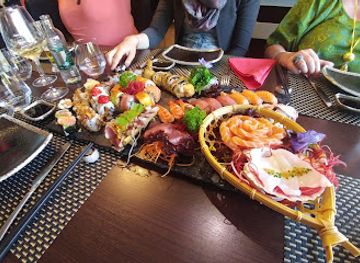
Sushi
Ichiban Sushi
Experience authentic Japanese cuisine at Ichiban Sushi, a top-rated sushi restaurant in Remich, renowned for its freshness and quality.
5 min walk · 0.4 km from city centre
Best nightclubs in Remich
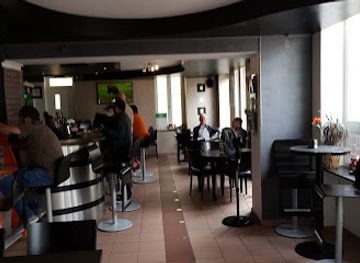
Remich’s evening life is modest and sociable rather than club-oriented. Riverside terraces, hotel bars, cafés and wine-focused venues provide places to linger over a glass of Luxembourg Moselle wine, with the greatest activity generally concentrated in the warmer months and around local events. The town is better suited to an unhurried evening of conversation, regional tasting and views across the water than to late-night dancing; large nightclub culture is not a defining feature. Seasonal festivals and wine-related gatherings can bring music and extended social activity to the centre, while nearby Luxembourg City offers a broader selection of live music, theatre and clubs for those seeking a fuller night out. Visitors should distinguish Remich’s quiet hospitality scene from the more extensive entertainment options found in the capital.
-
Bar
Café du Pont (beim Tania)
Experience the vibrant atmosphere and stunning views at Café du Pont, a must-visit bar in picturesque Remich, Luxembourg.
5 min walk · 0.4 km from city centre
-
Bar
Seven Remich
Discover the vibrant nightlife and culinary delights at Seven Remich, the ultimate bar and restaurant in the heart of Remich.
4 min walk · 0.4 km from city centre
-
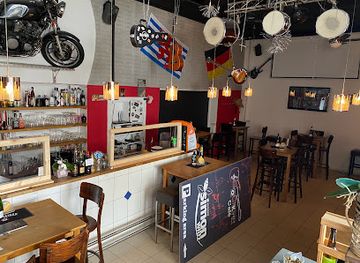
Live music bar
Rock Cafe
Experience the vibrant nightlife at Rock Cafe, Remich's top live music bar, where every night is filled with unforgettable performances and great vibes.
2 min walk · 0.2 km from city centre
-
Cocktail bar
Medusa Remich
Discover the energetic nightlife at Medusa Remich, where cocktails meet live music in a stylish setting.
6 min walk · 0.4 km from city centre
Best shops in Remich
Shopping in Remich is small-scale and practical, with local shops, cafés and specialist wine sellers concentrated around the centre and the riverfront rather than a large retail district. The most distinctive purchases are Luxembourg Moselle wines, including Riesling, Pinot wines, Elbling and Crémant, bought directly from producers, cooperatives or specialist outlets when available. Wine-related gifts, regional foods and seasonal products make more meaningful souvenirs than generic imports, while nearby markets and village producers can broaden the choice depending on the day and season. Visitors should remember that many vineyards are working businesses, so opening arrangements differ and cellar sales may not operate like conventional shops. For fashion, department stores and a wider range of international brands, Luxembourg City provides a substantially larger retail environment than Remich.
-
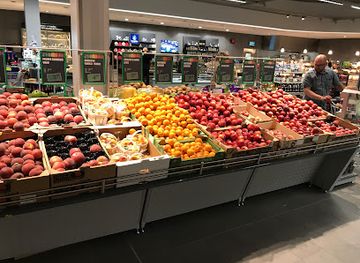
Supermarket
Cactus Remich
Explore local flavors and international delights at Cactus Remich, the ultimate shopping destination in Luxembourg's picturesque Remich.
4 min walk · 0.4 km from city centre
-
Ice Cream
Gelateria Valentino
Experience the finest artisanal ice cream at Gelateria Valentino in Remich, where every scoop is a delightful taste of local flavors.
5 min walk · 0.4 km from city centre
-
Garden furniture shop
Moes Frères
Discover the finest selection of garden furniture, gas cylinders, and paint supplies at Moes Frères in Remich, a true paradise for outdoor enthusiasts.
7 min walk · 0.6 km from city centre
-
Tobacco shop
DFS Shop
Discover the DFS Shop in Remich for a unique blend of tobacco, liquor, and coffee in a friendly atmosphere, perfect for tourists seeking local flavors.
5 min walk · 0.4 km from city centre

Get your free copy of our complete guide to Remich, delivered straight to you.
Everything on this page, from attractions and restaurants to essentials and local phrases, in one PDF you can read offline, print or share.
Already have an account? Sign in
Your Remich guide is ready.
We'll send it to · Not you? Sign out

Getting your guide ready…
We are putting together a fresh copy of the Remich guide. This can take up to a minute.
This can take a few moments. If your browser asks, choose Allow so the download can start. You'll find the guide in your Downloads folder.
Nothing happened? Download it again
Sorry, the guide is taking longer than usual. Please try again in a minute, or get it by email instead.
Remich essentials
Currency and Payment
Safety
Emergency Situations
Do's and Don'ts
Local Tips
From Eve
Local phrases worth knowing
You don't need to get them perfect. A few words go a long way, and locals appreciate the effort.
Basics
| English | Local | Say it |
|---|---|---|
| Hello | Moien | [Moi-en] |
| Goodbye | Äddi | [Addi] |
| Yes | Jo | [Yo] |
| No | Nee | [Nay] |
| Please/You're welcome | Bidden/Äddi | [Bidden/Addi] |
| Thank you | Merci | [Mehr-see] |
| Excuse me/Sorry | Entschëllegt | [Ent-shellegt] |
| How are you? | Wéi geet et dir? | [Way geet et deer] |
| Fine. And you? | Gutt. A wéi mat dir? | [Goot. Ah way maat deer] |
| Do you speak English? | Schwätzt dir Englesch? | [Shvats deer Eng-lesh] |
| I don't understand | Ech verstinn net | [Esh verstinn net] |
Eating & Drinking
| English | Local | Say it |
|---|---|---|
| I'd like to see the menu, please | Ech géif gären d'Menü gesinn, w.e.g. | [Esh gayf geh-ren d-Meh-noo geh-seen, v.e.g.] |
| I don't eat meat | Ech iess keng Fleesch | [Esh eess kang Flay-sh] |
| Cheers! | Prost! | [Prost] |
| I would like to pay, please | Ech géif gären bezuelen, w.e.g. | [Esh gayf geh-ren bez-oo-len, v.e.g.] |
Emergencies
| English | Local | Say it |
|---|---|---|
| Help! | Hëllef! | [Hell-ef] |
| Go away! | Gutt fort! | [Goot fort] |
| Call the Police! | Rufft d'Police! | [Rooft d-Po-leece] |
| Call a doctor! | Rufft en Dokter! | [Rooft en Dock-ter] |
| I'm lost | Ech hunn mech verluer | [Esh hunn mekh fair-loo-er] |
| I'm ill | Ech sinn krank | [Esh seen krank] |
Shopping
| English | Local | Say it |
|---|---|---|
| I'd like to buy... | Ech géif ... kafen | [Esh gayf ... kaf-en] |
| I'm just looking | Ech kuck just | [Esh kook yust] |
| How much is it? | Wéi vill kascht et? | [Way vill kash et] |
| That's too expensive | Dat ass ze dier | [Dat ass tse deer] |
| Can you lower the price? | Kënnt dir de Präis erof setzen? | [Kunt deer de Pray-es er-off zet-zen] |
Time & Numbers
| English | Local | Say it |
|---|---|---|
| What time is it? | Wéi vill Auer ass et? | [Way vill Oo-er ass et] |
| It's one o'clock | Et ass eng Auer | [Et ass eng Oo-er] |
| Half past (10) | Hallef (10) | [Hallef (10)] |
| Morning | Muer | [Mur] |
| Afternoon | Nomëtteg | [No-met-teg] |
| Evening | Owend | [Ovend] |
| Yesterday | Gëschter | [Gesh-ter] |
| Today | Haut | [Howt] |
| Tomorrow | Muer | [Mur] |
| 1 | Een | [Een] |
| 2 | Zwei | [Tz-vey] |
| 3 | Dräi | [Dray] |
| 4 | Véier | [Veer] |
| 5 | Fënnef | [Fenn-ef] |
| 6 | Sechs | [Zex] |
| 7 | Siwen | [Zi-wen] |
| 8 | Aacht | [Aacht] |
| 9 | Néng | [Nang] |
| 10 | Zéng | [Tz-eng] |
Transport & Directions
| English | Local | Say it |
|---|---|---|
| Where's a/the...? | Wou ass e(n) ...? | [Woo ass e(n) ...?] |
| What's the address? | Wat ass d'Adress? | [Vat ass d-Adress] |
| Can you show me (on the map)? | Kënnt dir mir (op der Kaart) weisen? | [Kunt deer meer (op der Kart) vye-sen] |
| When's the next (bus)? | Wann ass de(n) nächste(n) (Bus)? | [Vann ass de(n) naechs-te(n) (Bus)] |
| A ticket (to ....) | Ee Billett (no ....) | [Ee Bil-let (no ....)] |
History of Remich
Roman Origins on the Moselle
Remich developed in a region already connected to the Roman road network and is associated with the Roman settlement known as Remacum. Its position beside the Moselle gave it practical importance as a crossing and riverside stopping place, linking communities on both sides of the valley. Archaeological evidence from the wider area reflects the Romanisation of the southern Luxembourg landscape, where roads, farming estates and river traffic supported settlement. Although little of the Roman town survives above ground in modern Remich, the ancient name helps explain the continuity of habitation and the importance of the site’s geographical position.
Medieval Church and River Community
During the medieval period, Remich became part of the political and ecclesiastical structures that shaped Luxembourg and the Moselle valley. The settlement’s church and riverside location provided a focus for local religious, agricultural and commercial life, while the river continued to connect communities with markets farther along the valley. Its historic identity was influenced by proximity to the German bank as much as by links into the Luxembourg interior. The present parish church of Saint-Étienne, though substantially shaped by later rebuilding, belongs to this longer tradition of a settled Christian community beside the Moselle.
The Growth of Moselle Viticulture
Wine-growing gradually became one of the defining activities of the Luxembourg Moselle. The sunny slopes around Remich, protected in places by the valley’s geography, proved suitable for vines, and cultivation shaped both the landscape and the local economy. Vineyards supplied household and regional markets, while wine merchants, cellars and cooperage formed part of the town’s working life. Over time, viticulture became more organised and quality-focused, creating the wine identity associated with Remich today. The town’s promenade, cellars and surrounding slopes still reveal how closely its development has been tied to the river and the vineyards above it.
Borderland Change in the Nineteenth Century
The political upheavals that followed the French Revolution and the Napoleonic period altered administrative arrangements across the Moselle region. After the formation of the modern Grand Duchy and the territorial settlement of 1839, Remich remained within Luxembourg, while the river continued to separate it from neighbouring German communities. The nineteenth century brought improvements in roads, river commerce and public administration, helping the town function as a local market and service centre. Its border position was not simply a political division: family, commercial and cultural connections continued across the water.
War, Occupation and Reconstruction
Like the rest of Luxembourg, Remich experienced German occupation during the Second World War. In the closing phase of the conflict, the Moselle valley became strategically significant as Allied forces advanced through the region, and the town was affected by military movement and wartime disruption. Liberation and post-war reconstruction gradually restored civic life, transport links and the local economy. The twentieth century also brought changes to agriculture and wine production, as smaller traditional operations increasingly worked within modern cooperative and commercial structures.
A Contemporary Moselle Centre
Modern Remich has retained its role as a small regional centre while developing a stronger visitor identity around the river, wine and outdoor recreation. The promenade, cycling routes, tasting venues and seasonal boat activity build on older patterns of movement along the Moselle, but present them for contemporary leisure. Cross-border mobility remains central to daily life, with Luxembourgish, German and French influences visible in the town’s social and commercial setting. Remich’s current character therefore reflects continuity rather than monumental transformation: an old riverside settlement adapted to wine tourism, local services and a shared European borderland.
Remich in Photos
Browse through our photo collection highlighting the charm and character of the destination.
Cities near Remich
The closest cities to Remich, if you have time for more than one stop.
-

-

-

-

-


Swipe for more cities
Explore more

Explore more of Luxembourg
Discover Luxembourg: A charming blend of historical wonders, breathtaking landscapes, and cultural vibrancy in the heart of Europe.
Explore Luxembourg