

Free Cameron Highlands Travel Guide & Mobile App
Plan your Cameron Highlands trip with Evendo. Get free guides to top attractions, restaurants, hotels, and bars. Web access or download the mobile app.


Cameron Highlands blends cool mountain air, tea estates, forests, farms and colonial history with rewarding Malaysian countryside escapes and walks.
Mountain Landscapes and Tea Estates
Cameron Highlands occupies a cool, undulating plateau in Pahang, central Malaysia, where forested ridges, vegetable plots and tea-covered slopes rise far above the tropical lowlands. The district is centred on several settlements rather than a single urban core: Tanah Rata is the main visitor base, Brinchang is busier and more developed, and Ringlet, Tringkap, Kuala Terla and Kampung Raja extend the highland landscape along the winding mountain roads. The lower temperatures provide a striking change from Malaysia’s coastal cities, while mist often gathers around the ridgelines in the early morning.Read more about Cameron Highlands
A British-Era Highland Landscape
Farms, Forests and Highland Life
When is the best time to visit Cameron Highlands?
Best: July–September · 23–24°C| Month | High (°C) | Rainfall (mm) |
|---|---|---|
| January | 22 | 229 |
| February | 22 | 191 |
| March | 22 | 152 |
| April | 23 | 114 |
| May | 23 | 76 |
| June | 23 | 76 |
| July (best) | 23 | 76 |
| August (best) | 23 | 76 |
| September (best) | 24 | 76 |
| October | 24 | 114 |
| November | 24 | 152 |
| December | 24 | 191 |
Getting to and around Cameron Highlands
How to get there
Transportation
Best attractions in Cameron Highlands
Cameron Highlands offers a varied day of sightseeing across tea country, working farms and upland forest. At the BOH Tea Centre at Sungai Palas, visitors can look across steeply contoured tea fields and learn about the plantation’s production heritage, while the forested summit area around Gunung Brinchang leads into the Mossy Forest, known for its cool, humid atmosphere and moss-covered montane vegetation. Tanah Rata provides access to walking trails and the modest but useful Cameron Highlands trail network, with routes passing streams and waterfalls. Brinchang and the surrounding plateau are lined with strawberry farms, flower nurseries, vegetable gardens and small agricultural attractions, revealing how the highland economy works. The Time Tunnel museum presents local photographs and memorabilia, while the Sam Poh Temple adds a cultural and architectural dimension near Brinchang. Roadside viewpoints and tea terraces complete a landscape best appreciated gradually, as mist, rain and changing light continually alter the mountain scenery.
-
Garden
Lavender Garden (Cameron Lavender)
Experience the vibrant hues and aromatic scents of Lavender Garden, a breathtaking floral paradise in the heart of Cameron Highlands, Malaysia.
26 min drive · 8.7 km from city centre
-
Tourist attraction
Big Red Strawberry Farm
Explore the charming Big Red Strawberry Farm in Brinchang, where you can pick fresh strawberries, enjoy delightful treats, and revel in the beauty of nature.
33 min drive · 13 km from city centre
-
Theme park
Lost World of Tambun
Explore the thrilling rides, natural hot springs, and vibrant wildlife at the Lost World of Tambun, a top theme park in Ipoh, Malaysia.
1 h 1 min drive · 41 km from city centre
-
Buddhist temple
GUA KEK LOOK TONG
Discover the spiritual and natural beauty of Gua Kek Look Tong, a stunning Buddhist temple in Ipoh, Malaysia, set within breathtaking limestone caves.
1 h 2 min drive · 42 km from city centre


Best landmarks in Cameron Highlands
Cameron Highlands’ landmarks are closely tied to its hill-station and agricultural history. The BOH Tea Centre at Sungai Palas is both a working plantation complex and a symbol of the tea industry that helped define the plateau, with buildings and terraces set into dramatic slopes. In Brinchang, the Sam Poh Temple is a prominent Buddhist place of worship whose hillside setting and ornate interior offer a contrasting cultural presence. The Time Tunnel museum occupies a more modest setting but preserves photographs, objects and memories of local life, tourism and plantation development. Colonial-era bungalows and churches around Tanah Rata recall the district’s emergence as a British retreat, while the Mossy Forest on Gunung Brinchang represents a natural landmark rather than a constructed monument. Together these places show how administration, religion, agriculture, tourism and montane ecology have shaped the highlands’ identity.
-
Garden
Lavender Garden (Cameron Lavender)
Experience the breathtaking beauty of the Lavender Garden in Cameron Highlands, a floral sanctuary perfect for relaxation and photography.
26 min drive · 8.7 km from city centre
-
Attraction
Big Red Strawberry Farm
Explore the beauty of Big Red Strawberry Farm in Cameron Highlands—an enchanting destination for strawberry picking and delightful treats amidst nature's splendor.
33 min drive · 13 km from city centre
-
Tourist attraction
Cameron Highlands Flora Park
Discover the vibrant beauty of Cameron Highlands Flora Park, where breathtaking floral displays and tranquil gardens await in Malaysia's picturesque highlands.
29 min drive · 9.7 km from city centre
-
Tea house
Cameron Valley Tea House 2
Discover the tranquility of Cameron Valley Tea House 2, where breathtaking views and exquisite teas create an unforgettable Highland experience.
36 min drive · 16 km from city centre


Explore Cameron Highlands on the map
Plan your Cameron Highlands trip on one map. See where the top attractions, landmarks, restaurants, bars and hotels are, find what's near where you're staying, and book hotels and experiences in a few clicks.
Best hotels in Cameron Highlands
Best restaurants in Cameron Highlands
Dining in Cameron Highlands reflects both its agricultural setting and the cultural mixture of Malaysia. Tanah Rata and Brinchang offer Chinese, Malay and Indian cooking alongside cafés serving tea, cakes, scones and strawberry-based desserts, a legacy of the district’s hill-station associations. Steamboat restaurants are particularly characteristic in the cool evening climate, allowing diners to cook vegetables, noodles, tofu and meat in a shared simmering pot. Local produce appears in vegetable dishes, sweetcorn, strawberries and juices, although visitors should distinguish genuinely local ingredients from heavily processed souvenirs. Hawker stalls and food courts provide nasi lemak, noodles, roti and other familiar Malaysian meals, while the markets and farm shops sell fresh produce and packaged tea. Food stalls at evening markets vary by location and schedule, so the most useful approach is to explore what is being cooked and grown locally rather than expect a single signature dish.
-
Tea house
Cameron Valley Tea House 2
Savor premium teas and scones amid endless tea plantation vistas at this highland icon—pure Cameron Highlands serenity with panoramic allure.
36 min drive · 16 km from city centre
-
Cafe
Abang Strawberry
Experience the freshness of local strawberries at Abang Strawberry Cafe - where every bite celebrates Pahang's natural bounty.
33 min drive · 13 km from city centre
-
Restaurant
Restoran Taman Apple Cameron Steamboat & Grill
Experience an unforgettable culinary adventure at Restoran Taman Apple Cameron Steamboat & Grill in Tanah Rata's stunning landscape.
34 min drive · 14 km from city centre
-
Indian
Singh Chapati
Discover authentic Indian flavors at Singh Chapati in Tanah Rata—where every dish tells a story.
34 min drive · 14 km from city centre


Best bars in Cameron Highlands
Cameron Highlands has a restrained evening scene centred on restaurants, cafés, hotel lounges and relaxed social spaces rather than large nightclubs. Tanah Rata has the broadest concentration of places for an evening drink, tea, dessert or conversation, while Brinchang becomes busier around its restaurants and market areas. Steamboat dinners, hot drinks and casual cafés suit the cool mountain climate, and some accommodation venues provide modest lounge or bar facilities. Night-time entertainment is generally low-key, with little of the late-night club culture found in Kuala Lumpur or Penang. Evening markets, when operating, add a more communal atmosphere through food stalls and local shopping rather than music-led nightlife. Visitors should expect sparse street activity outside the main settlements and take care on dark roads, where fog, bends and limited pavements make walking after nightfall less comfortable.
-
Tea house
Cameron Valley Tea House 2
Discover the tranquil beauty of Cameron Valley Tea House 2, where exquisite teas and stunning highland views create an unforgettable escape.
36 min drive · 16 km from city centre
-
Hotel
The Smokehouse Hotel & Restaurant By The Golf Course Cameron Highlands
Experience the charm and culinary delights of The Smokehouse Hotel & Restaurant set in the breathtaking Cameron Highlands.
34 min drive · 14 km from city centre
-
Cafe
The Lord's Cafe
Experience the warmth and flavors of the Cameron Highlands at The Lord's Cafe, a cozy bistro perfect for every traveler.
34 min drive · 14 km from city centre
-
Cafe
Scott's Cafe
Explore Scott's Cafe in Tanah Rata for a delightful mix of local flavors, inviting ambiance, and exceptional service in the Cameron Highlands.
34 min drive · 14 km from city centre


Best nightclubs in Cameron Highlands
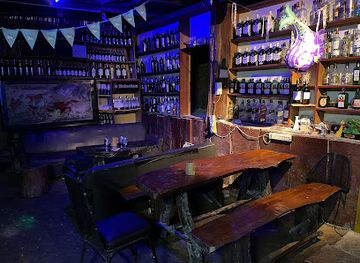
Cameron Highlands has a restrained evening scene centred on restaurants, cafés, hotel lounges and relaxed social spaces rather than large nightclubs. Tanah Rata has the broadest concentration of places for an evening drink, tea, dessert or conversation, while Brinchang becomes busier around its restaurants and market areas. Steamboat dinners, hot drinks and casual cafés suit the cool mountain climate, and some accommodation venues provide modest lounge or bar facilities. Night-time entertainment is generally low-key, with little of the late-night club culture found in Kuala Lumpur or Penang. Evening markets, when operating, add a more communal atmosphere through food stalls and local shopping rather than music-led nightlife. Visitors should expect sparse street activity outside the main settlements and take care on dark roads, where fog, bends and limited pavements make walking after nightfall less comfortable.
-
Night market
CAMERON
Discover the vibrant Cameron night market in Brinchang, Pahang, where local flavors and crafts come together for an unforgettable experience.
34 min drive · 14 km from city centre
-
Bar
Travellers Kitchen & Bar
Experience the lively dining and nightlife at Travellers Kitchen & Bar, where local flavors meet vibrant entertainment in Tanah Rata.
34 min drive · 14 km from city centre
-
Bar
Jungle Bar
Experience the lively atmosphere of Jungle Bar in Tanah Rata, where affordable drinks and vibrant music create unforgettable nights.
34 min drive · 14 km from city centre
-
Bar
The Brew House @ Cameron Centrum, Cameron Highlands
Experience family-friendly dining and a vibrant bar atmosphere at The Brew House in Cameron Highlands, where delicious cuisine meets stunning highland views.
32 min drive · 12 km from city centre



Best shops in Cameron Highlands
Shopping in Cameron Highlands is closely linked to farming and the tea trade. Farm stalls and specialist outlets sell locally grown strawberries, preserves, biscuits, flowers, vegetables and small food gifts, while tea remains the most recognisable purchase associated with the district. Brinchang’s market area and the evening market held in the wider Brinchang vicinity offer produce, snacks, souvenirs, clothing and simple household goods, though locations and operating days can vary. Tanah Rata has a more compact selection of convenience shops, cafés and small retailers, with additional craft and gift items aimed at visitors. Look for packaged tea, strawberry products and fresh vegetables, but remember that not every item labelled as a highland speciality is produced locally. Bargaining is not expected in ordinary fixed-price shops, while larger retailers and established cafés generally display prices clearly.
-
Attraction
Big Red Strawberry Farm
Experience the sweetness of strawberry picking and delightful treats at Big Red Strawberry Farm in the stunning highlands of Brinchang.
33 min drive · 13 km from city centre
-
Night market
CAMERON
Explore the lively Cameron Night Market in Brinchang, where delicious local dishes meet vibrant crafts and unforgettable experiences.
34 min drive · 14 km from city centre
-
Tea house
Cameron Valley Tea House 2
Discover the tranquil charm of Cameron Valley Tea House 2, where fresh local tea meets breathtaking highland views.
36 min drive · 16 km from city centre
-
Tea manufacturer
BOH Tea Centre (Sungei Palas Garden)
Explore the lush landscapes and rich tea culture at BOH Tea Centre in Brinchang, a serene escape amidst Malaysia's scenic hills.
28 min drive · 9.5 km from city centre


Get your free copy of our complete guide to Cameron Highlands, delivered straight to you.
Everything on this page, from attractions and restaurants to essentials and local phrases, in one PDF you can read offline, print or share.
Already have an account? Sign in
Your Cameron Highlands guide is ready.
We'll send it to · Not you? Sign out

Getting your guide ready…
We are putting together a fresh copy of the Cameron Highlands guide. This can take up to a minute.
This can take a few moments. If your browser asks, choose Allow so the download can start. You'll find the guide in your Downloads folder.
Nothing happened? Download it again
Sorry, the guide is taking longer than usual. Please try again in a minute, or get it by email instead.
Cameron Highlands essentials
Currency and Payment
Safety
Emergency Situations
Do's and Don'ts
Local Tips
From Eve
Local phrases worth knowing
You don't need to get them perfect. A few words go a long way, and locals appreciate the effort.
Basics
| English | Local | Say it |
|---|---|---|
| Hello | Hai | [hah-ee] |
| Goodbye | Selamat tinggal | [suh-lah-maht ting-gahl] |
| Yes | Ya | [yah] |
| No | Tidak | [tee-dahk] |
| Please/You're welcome | Sila | [see-lah] |
| Thank you | Terima kasih | [tuh-ree-mah kah-see] |
| Excuse me/Sorry | Maaf | [mah-ahf] |
| How are you? | Apa khabar? | [ah-pah kah-bahr] |
| Fine. And you? | Baik. Dan awak? | [bah-ee-k. dahn ah-wahk] |
| Do you speak English? | Boleh berbahasa Inggeris? | [boh-leh buhr-bah-hah ee-nguh-ree] |
| I don't understand | Saya tidak faham | [sah-yah tee-dahk fah-hahm] |
Eating & Drinking
| English | Local | Say it |
|---|---|---|
| I'd like to see the menu, please | Saya ingin lihat menu, sila | [sah-yah een-geen lee-haht meh-noo, see-lah] |
| I don't eat meat | Saya tidak makan daging | [sah-yah tee-dahk mah-kahn dah-yihng] |
| Cheers! | Sihat! | [see-haht] |
| I would like to pay, please | Saya mahu bayar, sila | [sah-yah mah-hoo bah-yahr, see-lah] |
Emergencies
| English | Local | Say it |
|---|---|---|
| Help! | Tolong! | [toh-lohng] |
| Go away! | Pergi jauh! | [pehr-gee jah-oo] |
| Call the Police! | Panggil polis! | [pahng-geel poh-lees] |
| Call a doctor! | Panggil doktor! | [pahng-geel dohk-tohr] |
| I'm lost | Saya sesat | [sah-yah suh-saht] |
| I'm ill | Saya sakit | [sah-yah sah-keet] |
Shopping
| English | Local | Say it |
|---|---|---|
| I'd like to buy... | Saya ingin membeli... | [sah-yah een-geen muhm-buh-lee] |
| I'm just looking | Saya hanya melihat | [sah-yah hahn-yah meh-lee-haht] |
| How much is it? | Berapa harganya? | [buh-rah-pah hahr-gahn-yah] |
| That's too expensive | Itu terlalu mahal | [ee-too tuhr-lah-loo mah-hahl] |
| Can you lower the price? | Boleh kurangkan harga? | [boh-leh koo-rahn-gahn hahr-gah] |
Time & Numbers
| English | Local | Say it |
|---|---|---|
| What time is it? | Pukul berapa sekarang? | [poo-kool buh-rah-pah suh-kah-rahn] |
| It's one o'clock | Pukul satu | [poo-kool sah-too] |
| Half past (10) | Pukul setengah (sepuluh) | [poo-kool suh-tuh-ngah (suh-poo-loo)] |
| Morning | Pagi | [pah-gee] |
| Afternoon | Petang | [peh-tahng] |
| Evening | Malam | [mah-lahm] |
| Yesterday | Semalam | [suh-mah-lahm] |
| Today | Hari ini | [hah-ree een-ee] |
| Tomorrow | Esok | [eh-sohk] |
| 1 | Satu | [sah-too] |
| 2 | Dua | [doo-ah] |
| 3 | Tiga | [tee-gah] |
| 4 | Empat | [em-paht] |
| 5 | Lima | [lee-mah] |
| 6 | Enam | [eh-nahm] |
| 7 | Tujuh | [too-joo] |
| 8 | Lapan | [lah-pahn] |
| 9 | Sembilan | [suhm-bee-lahn] |
| 10 | Sepuluh | [suh-poo-loo] |
Transport & Directions
| English | Local | Say it |
|---|---|---|
| Where's a/the...? | Di manakah...? | [dee mah-nah-kah] |
| What's the address? | Apakah alamatnya? | [ah-pah-kah ah-lah-mah-nyah] |
| Can you show me (on the map)? | Boleh tunjukkan pada saya (di peta)? | [boh-leh toon-jook-kahn pah-dah sah-yah (dee peh-tah)] |
| When's the next (bus)? | Bila masa yang seterusnya (bas)? | [bee-lah mah-sah yang suh-tuh-roos-nyah (bahs)] |
| A ticket (to ....) | Satu tiket (ke ....) | [sah-too tee-keht (keh ....)] |
History of Cameron Highlands
William Cameron’s 1885 Survey
The highlands take their name from William Cameron, a British surveyor who mapped part of the mountain range in 1885 during an expedition through the interior of Pahang. His survey identified a high plateau with a cooler climate, but the area remained sparsely settled and difficult to reach for several decades. Dense forest, steep terrain and limited roads restricted early development. The name Cameron Highlands gradually became associated with the broader upland region rather than with a single town. Its later transformation into a hill station reflected colonial interest in cooler retreats, agricultural experimentation and improved access across the Malay Peninsula.
The Hill Station Takes Shape
More systematic development began in the early twentieth century, particularly after roads connected the plateau more reliably with the lowlands. British administrators and planters established bungalows, gardens and experimental farms, while Tanah Rata and Brinchang emerged as recognisable settlements. The highland climate encouraged the cultivation of crops that struggled in Malaysia’s heat, including vegetables, flowers and tea. Sir George Maxwell, a senior colonial administrator, played an important role in promoting the area as a hill station during the 1920s and 1930s. The surviving colonial-era buildings and orderly gardens reflect this period of planned development.
Tea and Commercial Agriculture
Tea became one of Cameron Highlands’ defining industries during the colonial era. The BOH Plantations enterprise, founded by J. A. Russell in 1929, developed substantial tea-growing operations on the plateau, including the Sungai Palas estate. Tea production made practical use of the highland climate and steep terrain while creating a lasting agricultural landscape of clipped rows, processing facilities and workers’ settlements. At the same time, smallholders and commercial growers expanded vegetable and flower cultivation. These industries brought roads, labour and markets to the highlands, but also tied the region’s economy closely to intensive land use.
War, Occupation and Post-War Recovery
The Second World War disrupted Cameron Highlands as it did much of Malaya. During the Japanese occupation from 1941 to 1945, plantation activity and colonial administration were interrupted, supply networks weakened and residents faced the wider hardships of wartime rule. After the war, estates and public infrastructure were gradually restored, and the plateau resumed its roles as an agricultural district and a retreat from the lowlands. Independence in 1957 brought Cameron Highlands into the new Federation of Malaya and subsequently Malaysia, while many older colonial institutions were adapted to a changing national and economic context.
Tourism and Highland Transformation
From the later twentieth century onwards, improved roads and rising domestic tourism made Cameron Highlands increasingly accessible from Kuala Lumpur, Ipoh and other Malaysian centres. Tea estates, farms, forest walks and cool temperatures attracted visitors, while hotels, restaurants, apartment developments and roadside commerce expanded around Tanah Rata and Brinchang. The growth brought employment and wider services, but also traffic congestion, waste, slope instability and pressure on forests and water systems. Today the district’s identity still rests on the relationship between hill-station heritage, working agriculture, montane ecology and a tourism economy that continues to reshape the plateau.
Cameron Highlands in Photos
Browse through our photo collection highlighting the charm and character of the destination.
Cities near Cameron Highlands
The closest cities to Cameron Highlands, if you have time for more than one stop.
-

-

-

-

-


Swipe for more cities
Explore more
Explore more of Malaysia
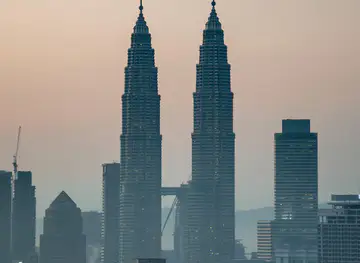
Discover Malaysia: A stunning blend of modernity and nature, where diverse cultures meet, and adventure awaits. From vibrant cities to serene beaches, Malaysia has it all.
Explore Malaysia