Havittha: Echoes of Fuvahmulah's Buddhist Past
Explore Havittha in Fuvahmulah: Uncover the Maldives' ancient Buddhist heritage at this historical stupa ruin.
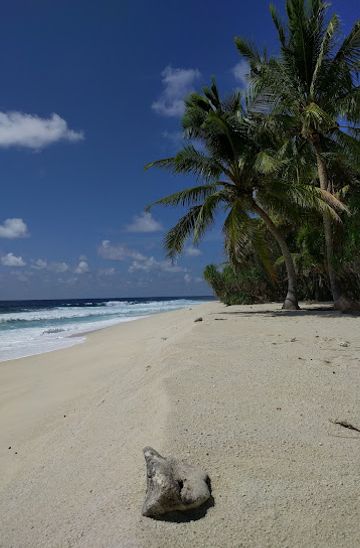
Havittha is an ancient Buddhist stupa ruin located in Fuvahmulah, Maldives. It offers a glimpse into the island's pre-Islamic history, with remnants of a once-thriving Buddhist monastery. Though largely lost to time and excavation, Havittha remains a significant cultural landmark.
A brief summary to Havittha
- PC99+HJ3, Fuvahmulah, Uthuru Dhaairaa, MV

Know before you go
Hi, I'm Eve. Here are a few practical things to know before exploring Havittha.
- Visit early in the morning or late afternoon for the best lighting for photographs and a cooler, more pleasant experience.
- Engage with local guides to learn more about the history and significance of Havittha.
- Wear comfortable shoes, as the ground may be uneven.
Do you manage this location?
Take control to get all the benefits, like improved information, better appearance, and stronger visibility across AI-powered discovery. Learn more
Activate your presence

Getting There
-
Walking
From the center of Fuvahmulah, Havittha is accessible by foot. Head towards the northern part of the island, specifically towards the Uthuru Dhaairaa area. The walk takes approximately 20-30 minutes. Ask locals for directions to PC99+HJ3 if needed.
-
Public Transport
Take a local bus from the main town of Fuvahmulah heading north. Ask the driver to drop you near Havittha (PC99+HJ3). The bus fare is approximately MVR 20-30. From the bus stop, a short walk is required to reach the site.
-
Taxi
Taxis are readily available in Fuvahmulah. Request a ride to Havittha (PC99+HJ3). A short taxi ride from the town center will cost approximately MVR 50-80. Confirm the fare before starting your journey.
Discover more about Havittha
Explore the best of what Havittha has to offer













More about Gnaviyani Atoll

Explore Gnaviyani Atoll: A hidden gem in the Maldives offering pristine beaches, unique landscapes, vibrant marine life, and rich local culture.
Tell me more about Gnaviyani Atoll
Explore the heart of Fuvahmulah through Fuvahmulaku TV, where local culture, news, and community stories come to life in vibrant broadcasts.
Experience the flavors of the Maldives at Pebbles Restaurant in Fuvahmulah, where fresh seafood and local dishes await in a cozy setting.