

Gnaviyani Atoll, Maldives Travel Guide
Explore Gnaviyani Atoll: A hidden gem in the Maldives offering pristine beaches, unique landscapes, vibrant marine life, and rich local culture.
Gnaviyani Atoll, the southernmost atoll of the Maldives, offers an untouched slice of paradise. It is known for its pristine beaches, crystal-clear waters, and vibrant marine life. This atoll is perfect for those seeking tranquility and a connection with nature. The main island of Fuvahmulah is unique in its landscape, featuring freshwater lakes, tropical forests, and diverse flora and fauna. Unlike other Maldivian atolls, Fuvahmulah stands alone in the Indian Ocean, providing a distinct experience with its own local culture and traditions. Gnaviyani Atoll is ideal for diving enthusiasts. The waters are teeming with sharks, rays, and colorful coral reefs. The atoll is also a haven for bird watchers, with many rare species found in its lush greenery. The local cuisine, rich in seafood and traditional dishes, offers a delightful culinary journey. Visitors can enjoy a peaceful retreat, engage with friendly locals, and explore the natural wonders of this untouched atoll. Whether you are looking for adventure or relaxation, Gnaviyani Atoll promises an unforgettable experience.

Know before you go
Hi, I'm Eve. Here are a few practical things to know before exploring Gnaviyani Atoll.
- Visit during the dry season, from November to April, for the best weather and diving conditions.
- Bring eco-friendly sunscreen to protect the coral reefs and marine life.
- Try the local dish 'Garudhiya', a traditional fish soup, for an authentic Maldivian culinary experience.
- Respect local customs and dress modestly when exploring the island.
- Carry cash, as ATMs and card facilities may be limited on the island.
Destinations in Gnaviyani Atoll
Resorts, valleys and scenic spots worth a trip of their own.

Explore Gnaviyani Atoll: Things to Do, Places to Eat, Hotels & More
Handpicked recommendations for top attractions, local dining, accommodations, and more

Top Attractions & Sightseeing in Gnaviyani Atoll
Top-rated picks
Best Attractions

Pelagic Divers Fuvahmulah
Explore the enchanting underwater world at Pelagic Divers Fuvahmulah, where every dive reveals the beauty of marine life in the Maldives.

Extreme Dive Fuvahmulah
Experience the thrill of diving in the Maldives with Extreme Dive Fuvahmulah, where adventure meets breathtaking underwater beauty.

Fuvahmulah Dive School
Experience the thrill of diving in Fuvahmulah, Maldives, where vibrant marine life and stunning underwater landscapes await every adventurer.

Fuvahmulah
Discover the pristine beauty and vibrant culture of Fuvahmulah, the enchanting island that offers a unique Maldivian experience.

Best landmarks in Gnaviyani Atoll
Top-rated picks
Best Landmarks

Veligandu Maldives Resort Island
Experience natural seclusion and luxury at Veligandu Maldives Resort Island, a serene paradise with pristine beaches and vibrant marine life.
Banana Reef
Explore Banana Reef in the Maldives: a world-famous dive site with vibrant coral, diverse marine life, and stunning underwater landscapes for all skill levels.

Canareef Resort Maldives
Experience tranquility and adventure at Canareef Resort Maldives, a unique tropical getaway in the southernmost Addu Atoll.

Extreme Dive Fuvahmulah
Dive into adventure at Fuvahmulah: Experience thrilling shark encounters and explore the Maldives' most unique underwater landscapes.

Best restaurants in Gnaviyani Atoll
Top-rated picks
Best Restaurants

Fuvahmulah
Explore Fuvahmulah Island: A hidden gem in the Maldives known for stunning landscapes, rich biodiversity, and unforgettable cultural experiences.

Real Breeze Restaurant
Experience authentic Maldivian and Indian cuisine at Real Breeze Restaurant in Fuvahmulah - A must-visit for food lovers!

Royal Restaurant
Discover delectable dishes at Royal Restaurant in Fuvahmulah—where Maldivian flavors meet international cuisine in a charming setting.
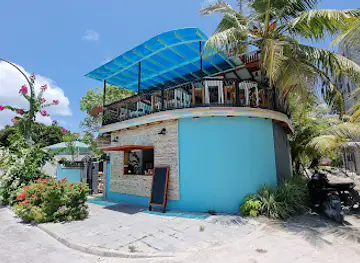
Cool Banana
Experience the flavors of Fuvahmulah at Cool Banana, where local ingredients meet global cuisine in an inviting atmosphere.

Best bars in Gnaviyani Atoll
Top-rated picks
Best Bars

Moonlight - FOOD . DRINKS . SHISHA
Discover the vibrant flavors and relaxing ambiance of Moonlight in Maafushi, Maldives, where culinary delights meet a lively hookah lounge experience.

Mekunu Bar
Experience the vibrant nightlife of Fenfushi at Mekunu Bar, where great drinks and lively ambiance await every visitor.

Real Breeze Restaurant
Explore a culinary paradise at Real Breeze Restaurant in Fuvahmulah, offering local and international dishes in a cozy atmosphere.

Royal Restaurant
Experience the rich flavors of Maldivian cuisine at Royal Restaurant in Fuvahmulah, where every dish tells a story.

Best nightclubs in Gnaviyani Atoll
Top-rated picks
Best Nightclubs

Check Blend
Discover the best mocktail bar in Fuvahmulah at Check Blend, where refreshing drinks and a cozy atmosphere await.
Squad Hangout
Discover the vibrant social scene at Squad Hangout, a laid-back bar in Fuvahmulah offering refreshing local drinks and a friendly atmosphere.
Ocean Bar Maldives
Discover the tranquil beauty of Ocean Bar Maldives, where refreshing drinks meet breathtaking ocean views for an unforgettable escape.

Best shops in Gnaviyani Atoll
Top-rated picks
Best Shops

Sithaana Store
Sithaana Store: Your gateway to authentic Maldivian shopping, offering a diverse selection of local products and unforgettable cultural experiences.

SIUU ARTS Souvenir shop
Explore the vibrant craftsmanship at SIUU ARTS Souvenir Shop in Fuvahmulah, where unique Maldivian treasures await.

The Shack by Tin Tin
Discover a cozy retreat at The Shack by Tin Tin, where exceptional coffee and delightful pastries await in the heart of Fuvahmulah.

Niri Shop
Explore the vibrant Niri Shop in Fuvahmulah for a unique shopping experience blending local culture with modern retail.

Explore Gnaviyani Atoll on the Map
A handpicked selection of must-see spots in Gnaviyani Atoll, mapped for you.
Gnaviyani Atoll Essentials
-
Gnaviyani Atoll is located in the southern part of the Maldives. The nearest international airport is Gan International Airport on Addu Atoll, which is approximately 55 kilometers away. From Gan, you can take a domestic flight to Fuvahmulah Airport, the only airport on Gnaviyani Atoll. Alternatively, you can reach Fuvahmulah by speedboat from Gan or other nearby atolls. Ferry services are also available but are less frequent.
-
Gnaviyani Atoll is relatively small, and many of its attractions can be reached on foot. For longer distances, bicycles and motorbikes are available for rent. Taxis and shared taxis are also an option for getting around the atoll. Public buses are not common, but there are some local boat services that can take you to various points around the atoll.
-
The official currency of the Maldives is the Maldivian Rufiyaa (MVR). Most hotels and larger restaurants accept credit cards, but smaller establishments and local markets often require cash. ATMs are available in Fuvahmulah, but it is advisable to carry enough cash for your daily needs. Currency exchange services are available in some hotels and local banks.
-
Gnaviyani Atoll is generally a safe destination for tourists. However, it is always wise to take standard precautions such as avoiding poorly lit areas at night and not leaving your belongings unattended on the beach. Petty crimes like pickpocketing can occur, especially in crowded areas. There are no specific neighborhoods with high crime rates targeting tourists, but remaining vigilant is always recommended.
-
In case of emergency, dial 119 for police assistance and 102 for medical emergencies. The local police station and medical facilities are located in Fuvahmulah. It is advisable to have travel insurance that covers medical emergencies. For minor health issues, there are pharmacies in Fuvahmulah where you can purchase over-the-counter medications. Emergency evacuation services may require coordination with your embassy or consulate.
-
Fashion: Do dress modestly, especially in public areas and religious sites. Avoid wearing revealing clothing. Religion: Do respect local customs and traditions. Always ask for permission before taking photographs at religious sites. Public Transport: Do be respectful and patient when using local transport. Don’t be loud or disruptive. Greetings: Do greet locals with a friendly 'Assalamu Alaikum' (Peace be upon you). A handshake is also acceptable. Eating & Drinking: Do try local Maldivian dishes and accept food offerings graciously. Don’t waste food, as it is considered disrespectful.
-
To experience Gnaviyani Atoll like a local, visit the local markets in Fuvahmulah where you can buy fresh produce and traditional Maldivian goods. Engage with locals, as they are often friendly and willing to share stories about the atoll’s history and culture. Don’t miss visiting the Bandaara Kilhi and Dhadimagi Kilhi lakes, which are unique to Fuvahmulah. For a unique experience, try night fishing with local fishermen, which offers a glimpse into traditional Maldivian life.
When is the best time to visit Gnaviyani Atoll?
History of Gnaviyani Atoll
-
Gnaviyani Atoll, also known as Fuvahmulah, has a rich history that dates back to ancient times. Archaeological findings indicate that the atoll was settled as early as the 2nd century BCE. The early settlers were likely from the Dravidian civilizations of South India and Sri Lanka, bringing with them their unique cultural practices and traditions.
-
In the 12th century, the Maldives, including Gnaviyani Atoll, saw the arrival of Islam. The conversion of the Maldivian people to Islam had a profound impact on the atoll's culture and traditions. Mosques were built, and Islamic teachings began to influence the daily lives of the inhabitants. One of the oldest mosques in the Maldives, Gemmiskiy, is located in Fuvahmulah and stands as a testament to this significant period.
-
During the 16th century, Gnaviyani Atoll, like the rest of the Maldives, experienced various colonial encounters. The Portuguese briefly controlled the Maldives, including Gnaviyani, from 1558 to 1573. This period was marked by resistance and conflict as the local population fought to regain their independence. The influence of these colonial encounters can still be seen in some aspects of local architecture and cultural practices.
-
Throughout the centuries, Gnaviyani Atoll was governed as part of the Maldivian Sultanate. The atoll had its own local leaders who reported to the Sultan in Malé. The governance system was deeply rooted in Islamic law and traditional practices. This era saw the construction of various public works, including harbors and administrative buildings, which facilitated trade and communication with other parts of the Maldives.
-
In the 19th century, the Maldives, including Gnaviyani Atoll, became a British protectorate. This period lasted until 1965 and brought about various administrative changes. The British influence led to improvements in infrastructure, education, and healthcare. However, traditional ways of life were largely preserved, and the local population continued to practice their cultural and religious traditions.
-
The Maldives gained full independence from British rule on July 26, 1965. Since then, Gnaviyani Atoll has been an integral part of the independent nation. The atoll has seen significant developments in terms of infrastructure, tourism, and education. Modern Fuvahmulah is known for its unique geographical features, such as freshwater lakes and diverse flora and fauna, making it a popular destination for travelers seeking both history and natural beauty.
-
Gnaviyani Atoll boasts a rich cultural heritage, with traditions that have been passed down through generations. The atoll is known for its vibrant festivals, including the annual Eid celebrations and the traditional fishing festival, Bodu Mas. Local crafts, dance, and music are integral parts of the community's cultural expression. The island's unique dialect and culinary practices further add to its distinct cultural identity.
Neighbouring Regions of Gnaviyani Atoll
The closest regions to Gnaviyani Atoll, if you have time for more than one.



Your all‑in‑one travel companion app
Explore expert travel guides, compare and book tours, experiences, hotels, and more—all from the palm of your hand. Download now for seamless trip planning wherever your wanderlust takes you.


Explore More of Maldives

Looking beyond Gnaviyani Atoll? Discover Maldives for broader travel guides, local hot-spots, and regional highlights.
Explore MaldivesGnaviyani Atoll in Photos
Browse through our photo collection highlighting the charm and character of the destination.

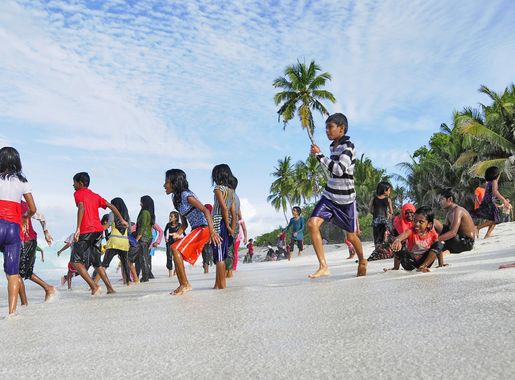


Discover the Hidden Paradise of Gnaviyani Atoll
Gnaviyani Atoll, the southernmost atoll of the Maldives, offers an untouched slice of paradise. It is known for its pristine beaches, crystal-clear waters, and vibrant marine life. This atoll is perfect for those seeking tranquility and a connection with nature. The main island of Fuvahmulah is unique in its landscape, featuring freshwater lakes, tropical forests, and diverse flora and fauna. Unlike other Maldivian atolls, Fuvahmulah stands alone in the Indian Ocean, providing a distinct experience with its own local culture and traditions. Gnaviyani Atoll is ideal for diving enthusiasts. The waters are teeming with sharks, rays, and colorful coral reefs. The atoll is also a haven for bird watchers, with many rare species found in its lush greenery. The local cuisine, rich in seafood and traditional dishes, offers a delightful culinary journey. Visitors can enjoy a peaceful retreat, engage with friendly locals, and explore the natural wonders of this untouched atoll. Whether you are looking for adventure or relaxation, Gnaviyani Atoll promises an unforgettable experience.