Great Mosque of Djenné: A Mud-Brick Marvel
Discover the Great Mosque of Djenné, the world's largest mud-brick building and a symbol of Mali's rich Islamic heritage and Sudano-Sahelian architecture.
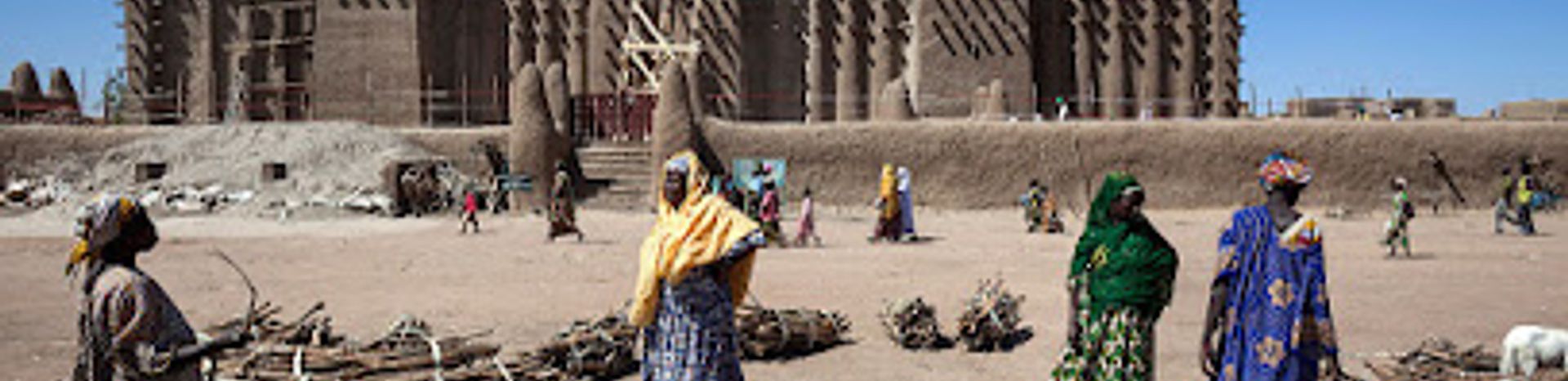
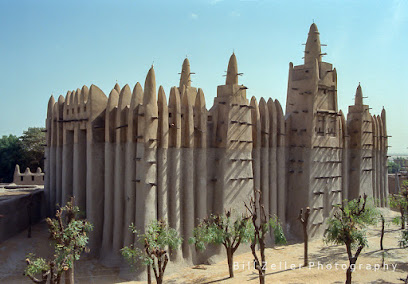
The Great Mosque of Djenné, a UNESCO World Heritage Site, is the largest mud-brick building in the world and a stunning example of Sudano-Sahelian architecture. Built in the city of Djenné, Mali, it stands as a testament to the region's rich Islamic history and unique architectural traditions.
A brief summary to Great Mosque of Djenne
- WC4V+3R8, Djenne, Farmantala, ML
- +24106430537
Local tips
- Visit during the dry season (November to March) for cooler temperatures and easier access.
- Dress respectfully when visiting the mosque.
- Explore the nearby market on Mondays for a vibrant cultural experience.
- Consider hiring a local guide to learn more about the mosque's history and significance.
- Witness the annual replastering festival (Crépissage) for a unique cultural event.

Getting There
-
Walking
The Great Mosque is centrally located in Djenné, adjacent to the main marketplace. From most accommodations in the town center, it is easily accessible on foot via the narrow, winding streets. Walking allows you to appreciate the traditional mud-brick architecture of Djenné. Be mindful of the heat and wear comfortable shoes.
-
Taxi
If arriving from the Djenné carrefour (junction) or other locations outside the immediate town center, a taxi or motorcycle taxi can be hired. A short taxi ride within Djenné typically costs around $1 to $3. Agree on the fare before starting your journey. Taxis may be more readily available on Mondays, which is market day.
-
Ferry
Travelers arriving from Mopti or other areas across the Bani River will need to take a ferry to reach Djenné. The ferry can accommodate small cars. After disembarking the ferry, the Great Mosque is a short walk into the town center. The ferry crossing is an experience in itself, with playful staff and vibrant atmosphere.
Discover more about Great Mosque of Djenne
Iconic landmarks you can’t miss

Niger
36.4 km
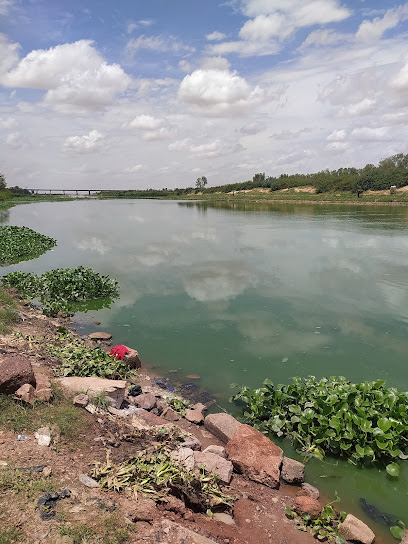
Experience the enchanting Niger River, where nature meets culture in the heart of West Africa's stunning landscapes.
Grande Mosquée de Mopti-Sud
75.1 km
Discover Mopti's iconic Grande Mosquée: a stunning example of Sudanese architecture and a testament to Mali's rich cultural heritage.

Grande Mosquée de Taïkiri
75.4 km
Discover the architectural and spiritual heart of Mopti at the Grande Mosquée de Taïkiri, a stunning example of Sahelian design.
Voiri carré
75.5 km
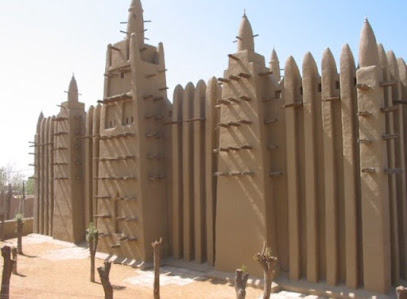
Explore the rich heritage of Mali at Voiri Carré, a captivating historical landmark in Mopti, revealing the essence of Malian culture and tradition.
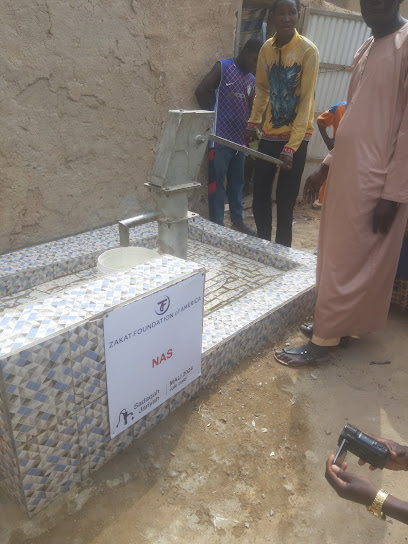
Baréma-Bocoum-Mopti Starium
75.6 km
Discover the vibrant atmosphere of Baréma-Bocoum-Mopti Starium, the largest stadium in Mopti, where sports and culture unite in Mali.
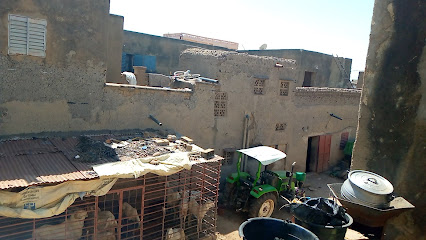
Mopti
75.7 km
Discover the architectural marvel of the Grand Mosque of Mopti, a stunning example of Sudano-Sahelian design and a symbol of Mopti's rich heritage.
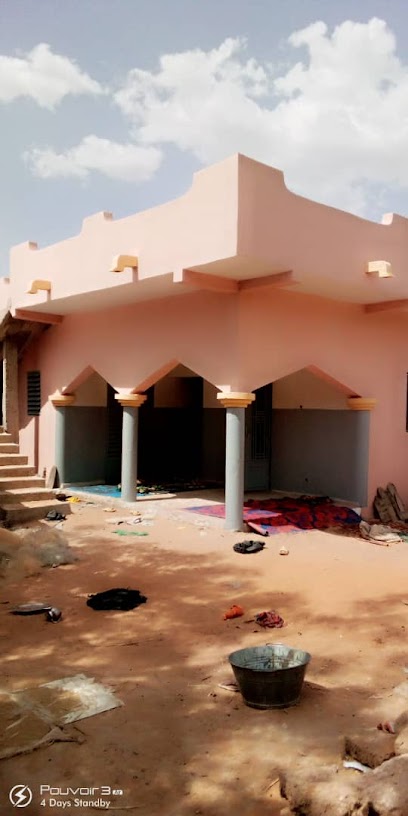
Restaurant Bar Bozo
75.8 km
Experience authentic Malian flavors at Restaurant Bar Bozo in Mopti – where vibrant cuisine meets warm hospitality.
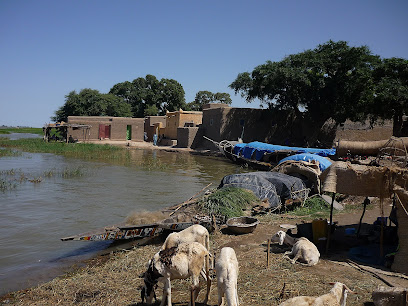
Digani mali Mopti
75.9 km
Explore the vibrant heritage of the Aboriginal and Torres Strait Islander communities at Digani Mali Mopti, a cultural hub in the heart of Mopti, Mali.
Mali
75.9 km
Explore Mopti, the 'Venice of Mali': a vibrant hub of culture, commerce, and stunning river landscapes at the confluence of the Niger and Bani Rivers.

Mosquée Misire
76.0 km
Discover the Misire Mosque in Mopti, a stunning example of Sudano-Sahelian architecture and a testament to Mali's Islamic heritage.
Digue Mopti
76.4 km
Discover the spiritual heart of Mopti at the Digue Mopti, an iconic mosque showcasing stunning Sudano-Sahelian architecture and rich cultural heritage.
Mopti Mali
77.2 km
Explore the rich handicraft traditions and vibrant culture of Mopti, Mali, where every market stall tells a unique story of artistry.
Unmissable attractions to see

Diabi
75.0 km
Discover the enchanting beauty of Diabi's serene garden, a tranquil oasis for relaxation, photography, and nature appreciation.
Grand Mosque of Mopti
75.7 km
Discover the Grand Mosque of Mopti, a stunning architectural landmark that reflects Mali's cultural heritage and spiritual essence.
Marche Souguni
75.9 km
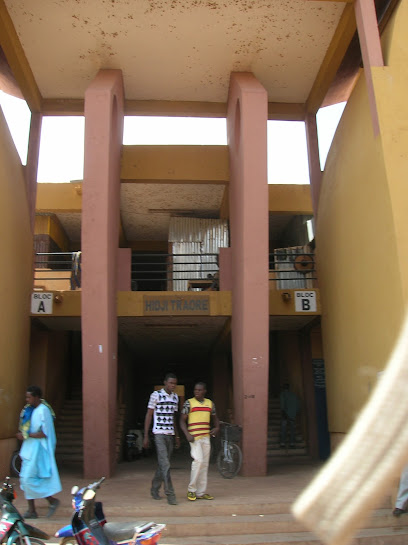
Discover the heart of Mopti at Marche Souguni, a vibrant market showcasing the rich culture, flavors, and crafts of Mali.
KONIPOLA VERGER
77.2 km
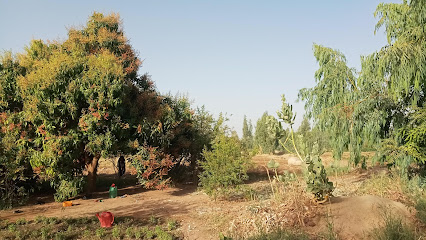
Discover the tranquil beauty of Konipola Verger, a serene garden oasis in Mopti, Mali, perfect for relaxation and cultural immersion.
Mopti Garden
77.8 km
Experience the serene beauty of Mopti Garden, a tranquil oasis in Sevare, Mali, perfect for relaxation, exploration, and connecting with nature.
Les amis de la nature
78.6 km
Discover tranquility in Mali at Les Amis de la Nature, where lush green landscapes and serene atmospheres await every traveler.
Tidjane
82.0 km
Explore the lush greenery and diverse flora of Tidjane Botanical Garden in Sevare, a serene escape for nature lovers and tourists alike.
ZONE VERGER SEVARE
82.2 km
Immerse yourself in the serene beauty of ZONE VERGER SEVARE, a peaceful garden escape in the heart of Sevare, Mali, perfect for relaxation and exploration.
Bar madisson
84.3 km
Experience the vibrant culture and lively atmosphere at Bar Madisson, a must-visit tourist attraction in Sevare, Mali, perfect for socializing and sampling local flavors.
Agricole Camarala Garden
92.7 km
Explore the beauty of Agricole Camarala Garden in Fatoma, a serene escape filled with vibrant flora and cultural experiences.
Ali Tchokari Peace Corps Garden Project
95.2 km
Discover serenity and sustainability at the Ali Tchokari Peace Corps Garden Project in Fatoma, a vibrant space promoting environmental awareness and community connection.
Essential places to dine

Restaurant Le Fleuve
0.1 km
Discover authentic Malian cuisine at Restaurant Le Fleuve in Djenne - where every meal tells a story.
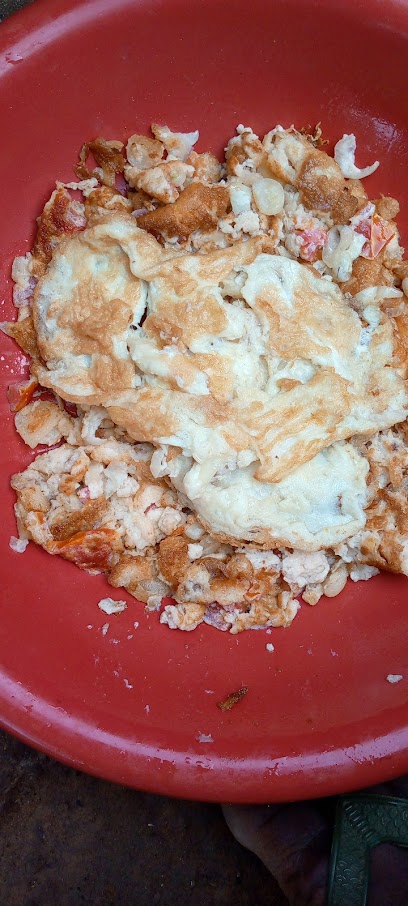
Food Stalls
0.1 km
Experience the rich flavors and vibrant atmosphere at Djenne's famous food stalls, where every bite tells a story.
Hôtel Welingara
1.4 km
Experience authentic Malian cuisine at Hôtel Welingara in Djenne - where tradition meets taste.
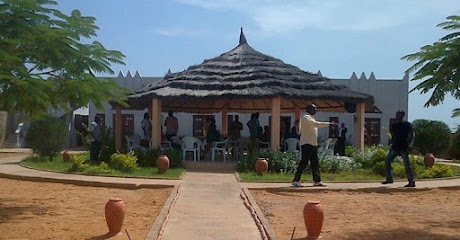
Yeredeme
75.4 km
Experience authentic Malian cuisine at Yeredeme in Mopti - where every dish tells a story and every visit feels like home.
Restaurant Sigui Mopti
76.2 km
Discover authentic Malian cuisine at Restaurant Sigui Mopti - where every dish tells a story amidst vibrant cultural heritage.
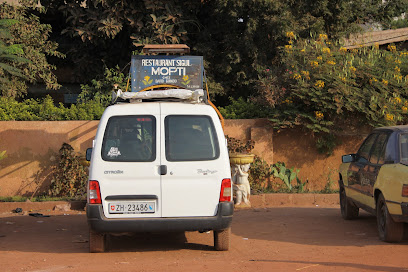
Restaurant Baramuso
76.2 km
Savor authentic Malian flavors at Restaurant Baramuso in Mopti - where tradition meets taste in every bite.
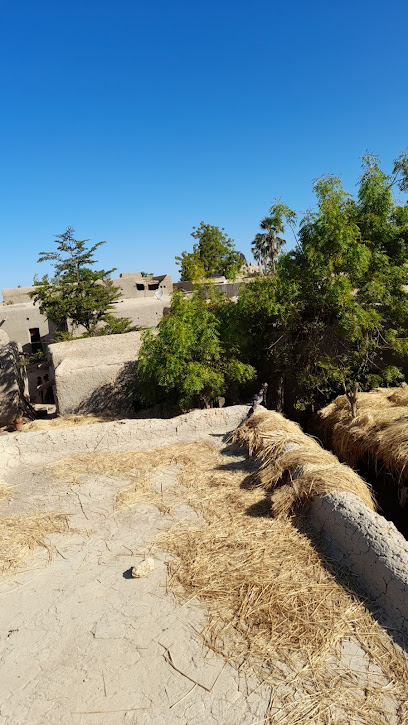
Zeina café Mopti
76.9 km
Discover authentic Malian flavors at Zeina Café in Mopti - where every dish tells a story.
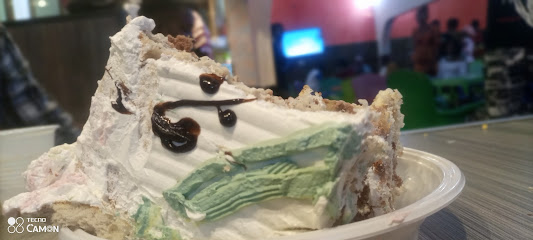
Auberge Canaris
83.9 km
Experience authentic Malian cuisine at Auberge Canaris in Sevare – where every dish tells a story.
Restaurant Damou
84.4 km
Experience authentic Malian flavors at Restaurant Damou in Sevare – where every meal tells a story.
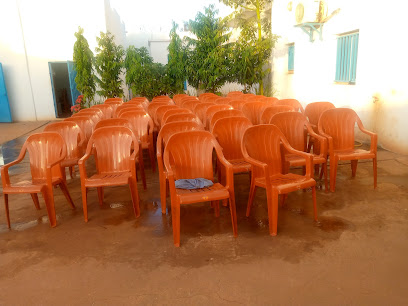
Zeina café
84.6 km
Discover authentic Malian cuisine at Zeina Café in Sevare - where local flavors meet warm hospitality.
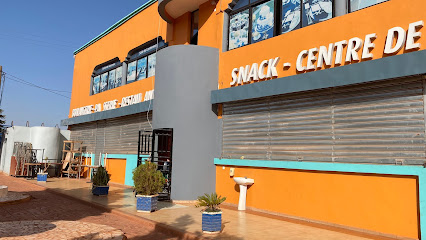
Markets, malls and hidden boutiques

Maison Des Artisans
0.1 km
Explore unique handcrafted goods at Maison Des Artisans in Djenne, a vibrant marketplace celebrating Malian artistry and culture.
Sankore sowla boutique Siny sow
0.4 km
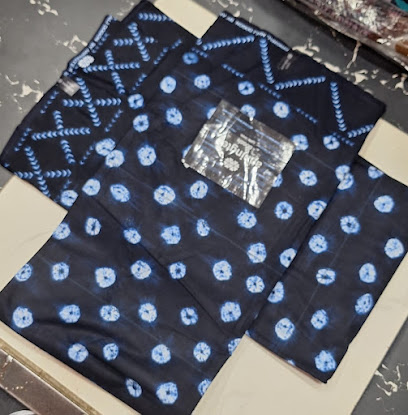
Explore authentic Malian craftsmanship at Sankore Sowla Boutique Siny Sow in the heart of historic Djenne, a treasure trove of unique local art and textiles.
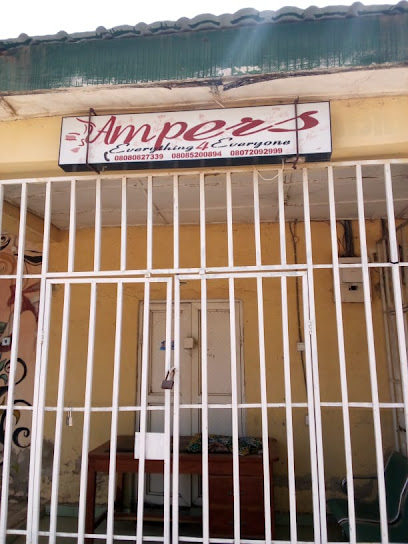
Ampers store
36.4 km
Immerse yourself in the vibrant culture of Niger at Ampers Store, where local crafts and delicious street food await.
Boutique de Mamani
67.0 km
Explore the exquisite handmade crafts and local treasures at Boutique de Mamani, a must-visit store in Ndorongolola, Mali.
Daya Électronique
74.1 km
Discover top-quality household appliances at Daya Électronique in Mopti, your one-stop shop for essential home products.
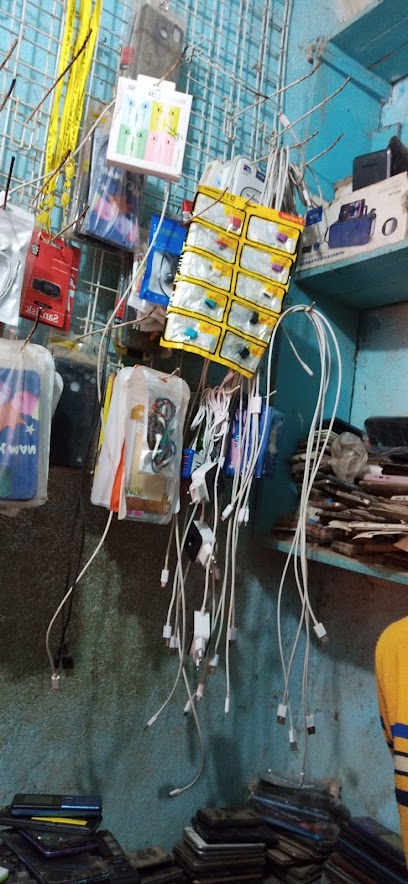
ETS Cam Cgps
75.1 km
Explore the vibrant ETS Cam Cgps Shopping Mall in Mopti, where culture, commerce, and cuisine intersect in a delightful experience.
KONA FAMBE
75.2 km
Discover the essence of Mali through unique handcrafted gifts at Kona Fambe, a captivating gift shop in the heart of Mali's vibrant culture.
IGM
75.4 km
Discover the essence of Mopti at IGM, a vibrant shopping mall offering local crafts, international brands, and delicious cuisine in a lively atmosphere.
NEW MDR MALL
75.4 km
Discover NEW MDR MALL in Bazar - your ultimate shopping destination for a unique blend of local and international brands and flavors.
iPhone store ML
75.5 km
Discover the latest in technology at iPhone Store ML in Mopti – your destination for Apple products and expert advice.
Friperie Pap Sam
75.6 km
Explore Friperie Pap Sam in Bougoufé for unique vintage clothing and a vibrant shopping experience in a local market.
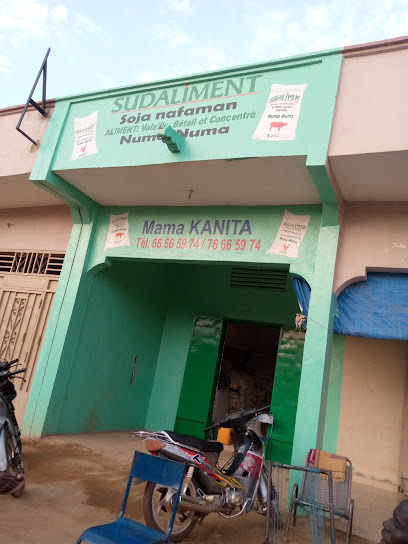
Boutique SUDALIMENT Chez Mama KANITA
75.7 km
Discover the essence of Mali at Boutique SUDALIMENT Chez Mama KANITA, a unique shopping destination in Mopti offering local delicacies and crafts.
Sigu Te Mogo Son
75.9 km
Experience the heart of Mopti at Sigu Te Mogo Son, a shopping mall blending local culture with vibrant commerce.
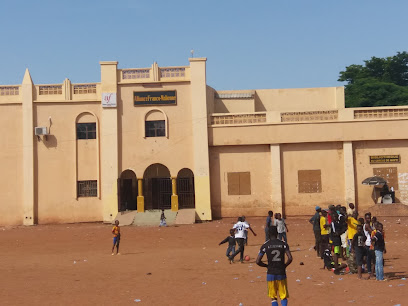
Pk mobile repairing centre mopti bazar
75.9 km
Discover the lively atmosphere of Mopti's Pk Mobile Repairing Centre, where technology meets local culture in a bustling market.
Ibrahoum Auto
75.9 km
Explore Ibrahoum Auto in Mopti for all your automotive needs. Discover quality parts, helpful staff, and a local hub for car enthusiasts.

Essential bars & hidden hideouts

FAMILLE DENA PAUL
41.1 km
Discover the lively spirit of Sokoura at Famille Dena Paul, a vibrant live music bar where local culture and entertainment come alive.
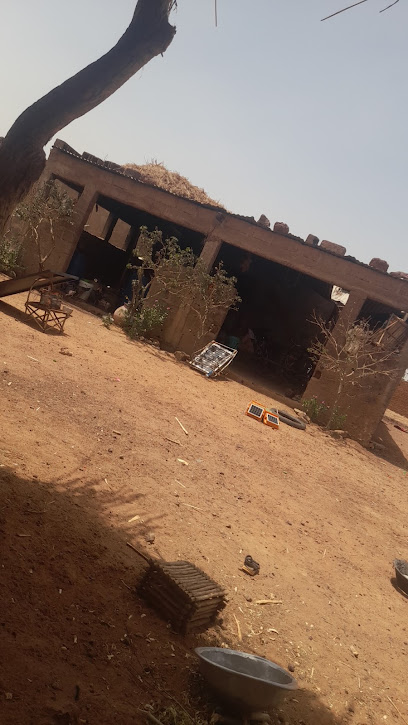
Famille Dena Angel
41.3 km
Discover the vibrant nightlife at Famille Dena Angel, a cozy bar in Togo offering local drinks and a welcoming atmosphere for tourists.
neima
57.4 km
Discover the flavors of Mali at Neima Restaurant in Doubéna, where authentic cuisine meets warm hospitality in a charming atmosphere.
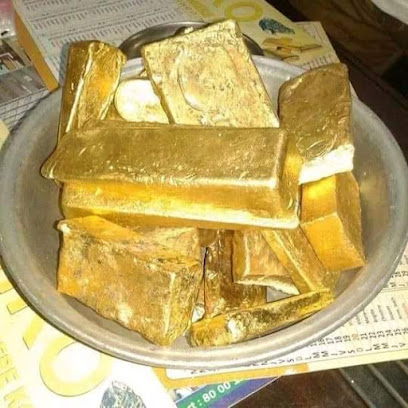
Fatouamta
76.0 km
Experience the authentic tastes of Mali at Fatouamta, a culinary haven in Mopti that delights every palate with traditional dishes and warm hospitality.
Refuge Night Club/Mopti
76.3 km
Dive into the vibrant nightlife at Refuge Night Club in Mopti, where rhythm and culture collide for an unforgettable evening.
Bar Bafaro
76.4 km
Experience the vibrant nightlife at Bar Bafaro in San, where great drinks and friendly locals create unforgettable memories.
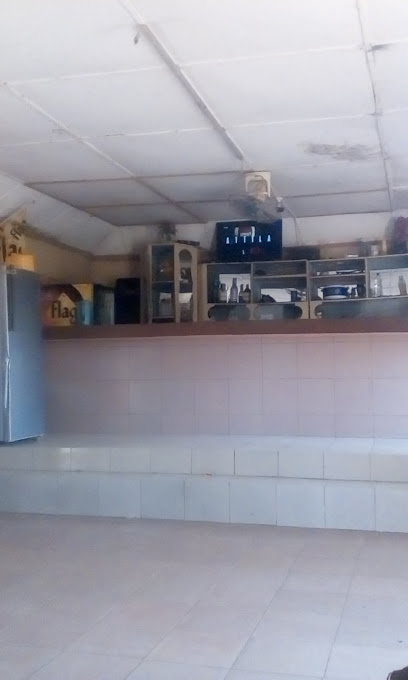
Bon Coin
76.8 km
Discover delectable local flavors at Bon Coin, a cozy restaurant in San, Mali, offering authentic Malian cuisine and a warm atmosphere.
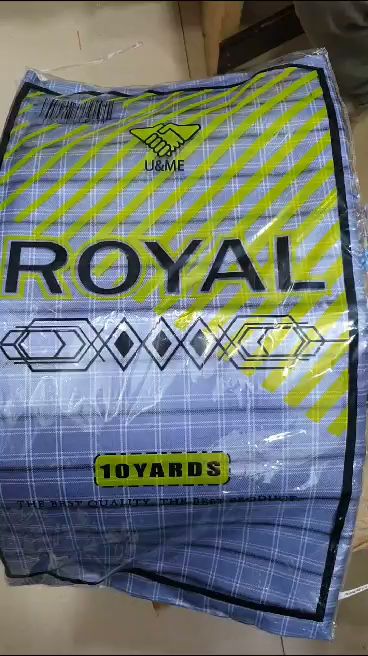
Bar des Leaders
77.1 km
Experience the vibrant nightlife at Bar des Leaders in San, where locals and travelers unite for unforgettable moments and delicious drinks.

Restaurant DAAMOU
77.2 km
Experience the vibrant culinary flavors of San at Restaurant DAAMOU, a must-visit for food lovers seeking authentic local cuisine.
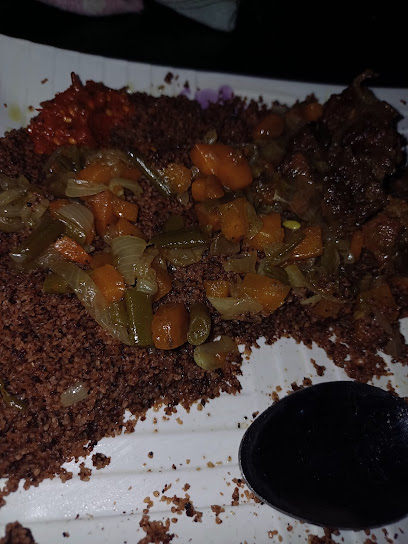
Bar Chateau
77.3 km
Experience the vibrant nightlife and local charm at Bar Chateau in the heart of Santoro, a perfect stop for all travelers.
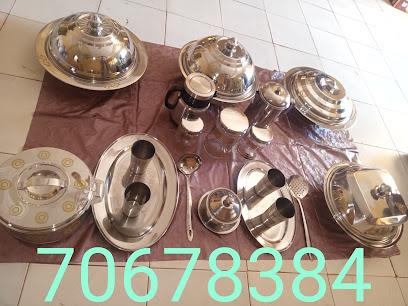
Barre Championnat
77.4 km
Experience the vibrant culture and friendly atmosphere at Barre Championnat, San's premier local bar offering a taste of Mali.

Lafiabougou san
77.4 km
Experience the vibrant nightlife and local culture at Lafiabougou San, a lively bar in the heart of San, Mali.
Maya traore
78.0 km
Experience the vibrant culture and refreshing drinks at Maya Traore, a hidden gem bar in San, Mali.
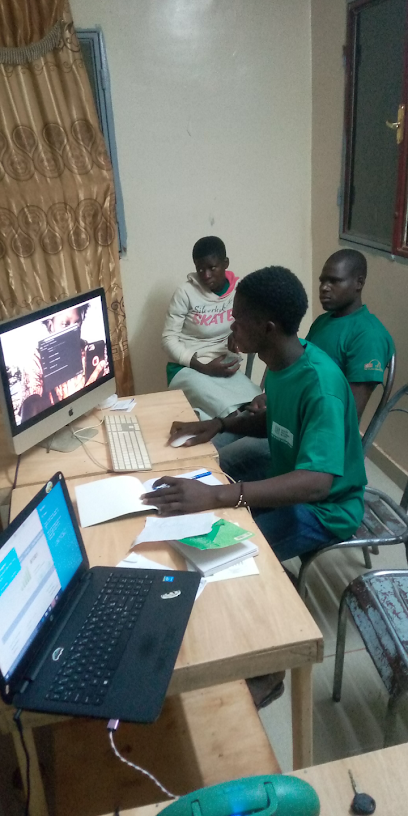
Espace la ROCHE San
78.1 km
Discover the vibrant nightlife at Espace la ROCHE San, where locals and tourists gather for delightful drinks and a lively atmosphere.
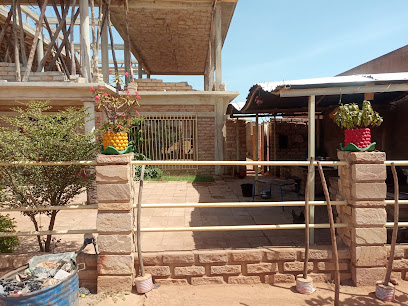
BAR LE RELAX
78.3 km
Experience a serene stay at Bar Le Relax, your cozy retreat in the heart of San, combining comfort with local charm for unforgettable travel memories.
Nightclubs & after hour spots

Prince
82.0 km
Immerse yourself in the vibrant cultural scene at Prince Cabaret Club, where unforgettable performances come to life in the heart of Sevare.
VIP club
84.6 km
Discover the exhilarating nightlife at VIP Club in Sevare - a vibrant night club where music, dance, and fun come alive.
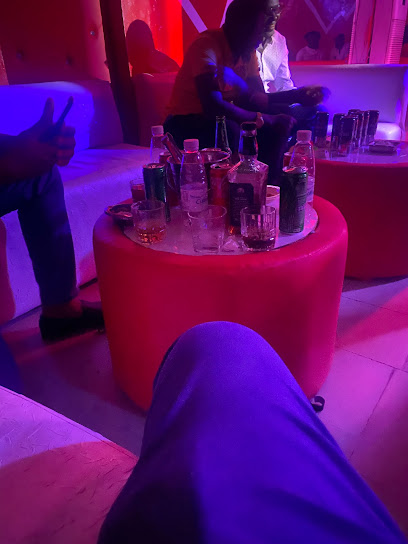
Byblos Disco
85.4 km
Discover the heart of Sevare's nightlife at Byblos Disco, where energetic music and an inviting atmosphere await your arrival.
Fiesta Club
85.7 km
Fiesta Club: Discover Sévaré's vibrant nightlife with electrifying music and a lively atmosphere that promises unforgettable nights.