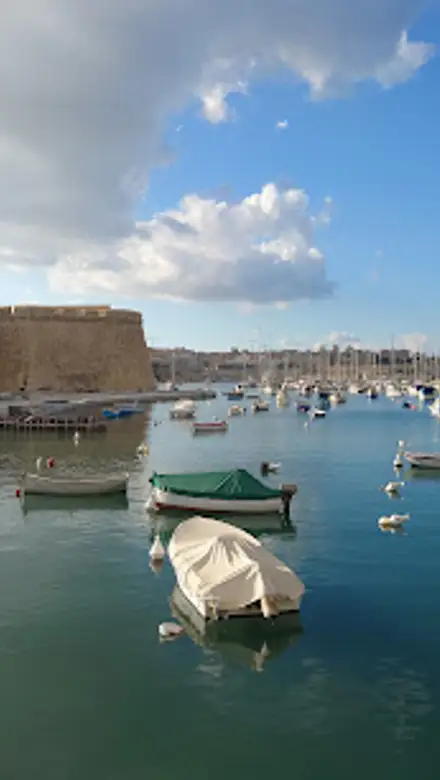
Malta at War Museum, Cottonera Travel Guide
Experience Malta's WWII history firsthand in an authentic air raid shelter and 18th-century barracks. A moving tribute to Maltese courage.
The Malta at War Museum in Birgu (Vittoriosa) vividly portrays the Maltese people's resilience during the WWII Malta Blitz (1940-1943). Housed in an authentic 18th-century army barracks and police station, the museum features a restored underground air raid shelter, offering a compelling glimpse into wartime life.
A brief summary to Malta at War Museum
- Couvre Porte Counterguard, Triq it-8 ta' Dicembru, Birgu, MT
- Click to display
- Click to display
- Monday 10 am-4:30 pm
- Tuesday 10 am-4:30 pm
- Wednesday 10 am-4:30 pm
- Thursday 10 am-4:30 pm
- Friday 10 am-4:30 pm
- Saturday 10 am-4:30 pm

Know before you go
Hi, I'm Eve. Here are a few practical things to know before exploring Malta at War Museum.
- Purchase tickets online for a more affordable and convenient visit. On-site ticket purchases are card-only.
- Combine your visit with other attractions in Birgu, such as Fort St. Angelo and the Inquisitor's Palace, to make the most of your trip.
- Consider a guided tour for a more in-depth understanding of the museum's exhibits and the history of Malta during WWII.
Do you manage this location?
Take control to get all the benefits, like improved information, better appearance, and stronger visibility across AI-powered discovery. Learn more about listing your business on Evendo
Activate your presenceOther nearby places you may find interesting
The closest places of the same kind, if this one is not quite what you had in mind.
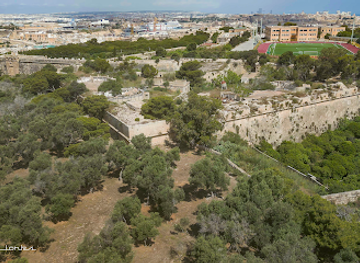
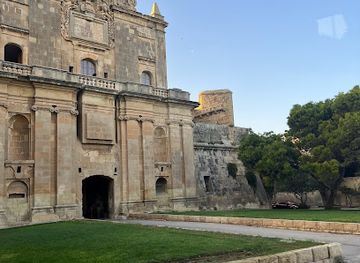
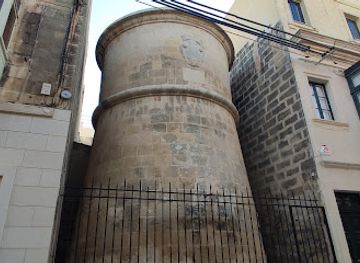
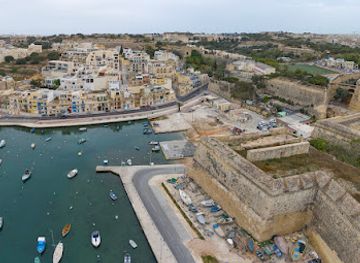
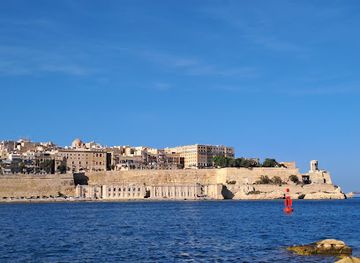
Explore Malta at War Museum on the Map
A handpicked selection of must-see spots near Malta at War Museum, mapped for you.
Unlock the Best of Malta at War Museum
Buy tickets
-
No tickets available
Book tours with entry
-
No tours available


Getting There
-
Bus
From Valletta, take bus line 2 or 3 directly to Birgu. The bus stop is located just outside the Couvre Porte Gate, where the museum is located. A single bus ticket costs €2.50.
-
Ferry
Take the Valletta Ferry from Lascaris Wharf to Birgu. From the Birgu Ferry Landing, follow the signs towards the city center; the museum is approximately a 10-minute walk. Ferry tickets cost around €2.80 for a single trip. From the ferry stop it is a short walk up hill to the Birgu center and the museum.
-
Taxi
Taxis are readily available from most locations in Malta. A taxi from Valletta to Birgu will cost approximately €16-€20 and take around 15 minutes. Confirm the fare with the driver before starting your journey.
-
Car
Drive towards Birgu (Vittoriosa) following signs to Cottonera (Three Cities). The museum is located at the Couvre Porte Gate, the original entrance to the city. Parking is available near the Birgu Marina. Parking costs vary, but expect to pay around €4-€5 for a flat rate.
Discover more about Malta at War Museum













Your all‑in‑one travel companion app
Explore expert travel guides, compare and book tours, experiences, hotels, and more—all from the palm of your hand. Download now for seamless trip planning wherever your wanderlust takes you.


Explore More of Cottonera
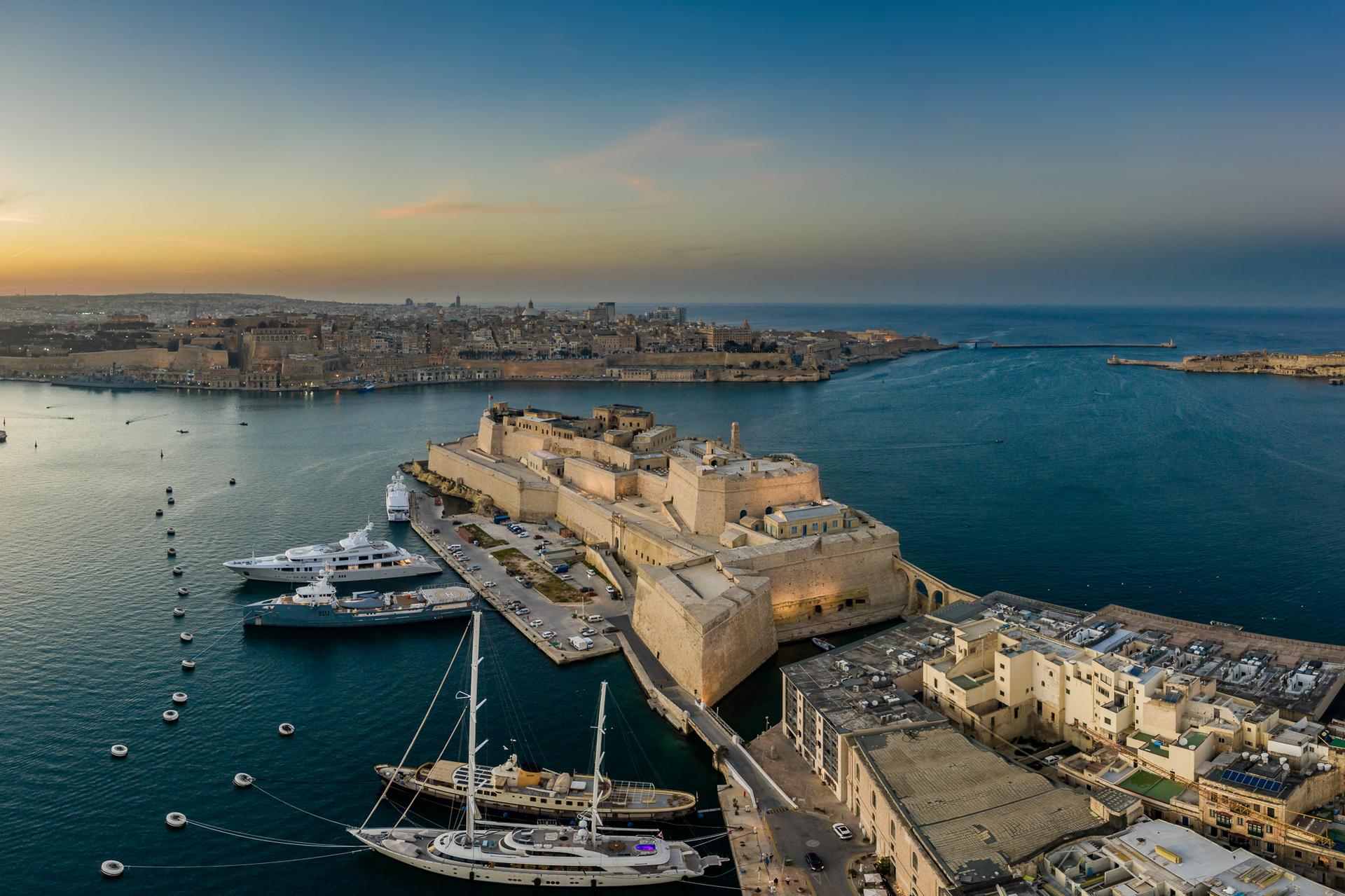
Looking beyond Malta at War Museum? Discover Cottonera for broader travel guides, local hot-spots, and regional highlights.
Explore Cottonera
Experience luxury in a historic 17th-century palazzo, nestled in the heart of Birgu, Malta, offering a unique blend of charm and modern comfort.

Explore the Advanced Gate in Birgu, a stunning architectural marvel that unveils Malta's rich maritime history and heritage.