

Free Cottonera Travel Guide & Mobile App
Explore Cottonera with free travel guides. Discover regional history, expert tips, proposed trips, and audio guides on web or mobile app.


Explore Cottonera’s fortified Three Cities, harbour museums, limestone lanes and maritime heritage across Malta’s historic Grand Harbour.
Read more about Cottonera
When is the best time to visit Cottonera?
Best: May–June, October · 23–28°C| Month | High (°C) | Rainfall (mm) |
|---|---|---|
| January | 16 | 80 |
| February | 16 | 70 |
| March | 17 | 60 |
| April | 19 | 40 |
| May (best) | 23 | 20 |
| June (best) | 28 | 10 |
| July | 31 | 5 |
| August | 32 | 10 |
| September | 29 | 20 |
| October (best) | 24 | 50 |
| November | 20 | 70 |
| December | 16 | 80 |
Getting to and around Cottonera
How to get there
Transportation
Top city travel guides in Cottonera
The cities of Cottonera, and the easiest places to base yourself.
-

-

-


Swipe for more cities
Best attractions in Cottonera
Cottonera’s attractions are concentrated within a remarkably small area, but they cover military, religious, maritime and civic history. Birgu provides the richest sequence of historic interiors, including Fort St Angelo, the Inquisitor’s Palace and the Malta Maritime Museum, while its parish church and auberges reveal the institutional world of the Knights of St John. Senglea is especially rewarding for bastion walks, harbour panoramas and the Basilica of the Nativity of Mary. Cospicua offers a more residential and dockyard-oriented perspective, with historic churches, waterfront views and access to the fortification landscape. Across the Three Cities, visitors can trace walls, ditches, gateways and restored waterfronts without needing long journeys between them. Boat trips and harbour ferries add a valuable perspective from the water, showing how the creeks shaped settlement and defence. The experience is less about a single large attraction than about reading the relationship between stone architecture, sea routes and everyday urban life. Museums and churches suit visitors interested in art and history, while the waterfronts and elevated bastions provide the region’s most accessible open-air experiences.
-
Ferry service
Valletta Ferry Service - Cospicua
Experience Malta's stunning coastline with the Valletta Ferry Service, connecting Cospicua and Valletta in a picturesque maritime adventure.
-
Historical landmark
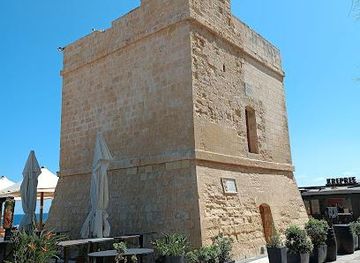
Torri ta' San Ġiljan
Explore the historic Torri ta' San Ġiljan in Sliema, a captivating coastal landmark offering stunning views and rich cultural heritage.
-
Museum
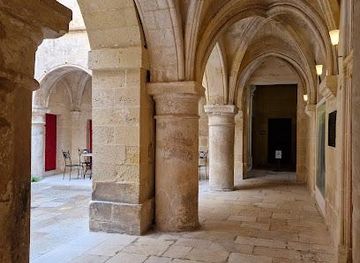
Inquisitor's Palace
Explore the Inquisitor's Palace, a captivating museum in Birgu that reveals Malta's rich history and architectural elegance.
-
War museum
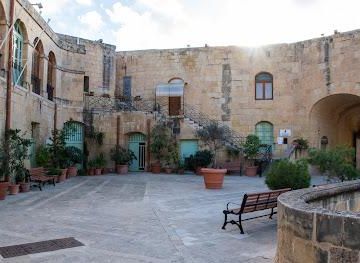
Malta at War Museum
Discover Malta's wartime history at the Malta at War Museum, where the island's resilience and strategic significance come to life through fascinating exhibits.
Best landmarks in Cottonera
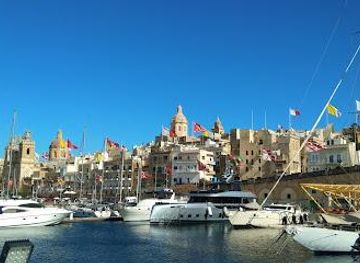
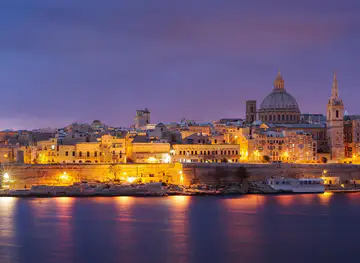
Fort St Angelo is Cottonera’s defining landmark, occupying the tip of Birgu and commanding the approaches to the Grand Harbour. Its layered defences embody the strategic importance of the site from medieval times through the era of the Knights of St John. In Senglea, the Gardjola lookout on the bastions is one of Malta’s most recognisable viewpoints, with its carved symbols and outlook towards Valletta and the harbour. The Basilica of the Nativity of Mary provides Senglea with a powerful architectural and religious centre, while Birgu’s parish church and the Church of St Lawrence mark the city’s Hospitaller heritage. Cospicua’s parish church and surviving fortification lines help explain the city’s role between the creeks and dockyard. The Cottonera Lines, including the substantial curtain walls and landward defences around the Three Cities, are significant as a collective military landscape rather than a single monument. Viewed from the water, the bastions, church domes and clustered limestone houses form an architectural profile that communicates Cottonera’s history more clearly than any isolated building.
-
Park
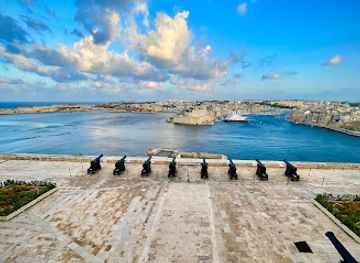
Upper Barrakka
Breathtaking views of Valletta's Grand Harbour from a historic garden oasis. A must-see for panoramic vistas and rich history.
-
Tourist attraction
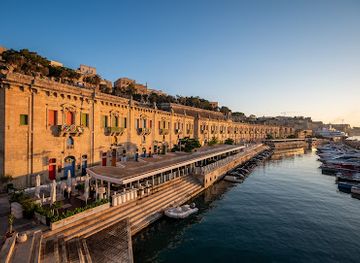
The Valletta Waterfront
Experience Malta's history and charm at the Valletta Waterfront: colorful doors, stunning views, and delicious dining in a vibrant harbor setting.
-
Archaeological site
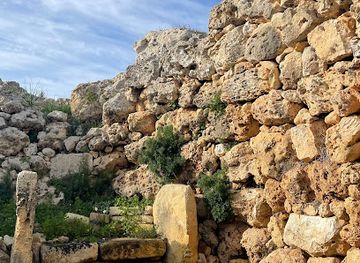
It-Tempji tal-Ġgantija
Explore Ġgantija Temples, a UNESCO World Heritage Site in Gozo, Malta, and discover Neolithic history in one of the world's oldest structures.
-
Archaeological site
Hagar Qim Temple
Discover the ancient marvels of Hagar Qim Temple, a UNESCO World Heritage site in Malta that reveals the mysteries of the Neolithic era.

Explore Cottonera on the map
Plan your trip on one map. See where the top cities, national parks and sights are, and book hotels and experiences in a few clicks.
Best hotels in Cottonera
Best restaurants in Cottonera
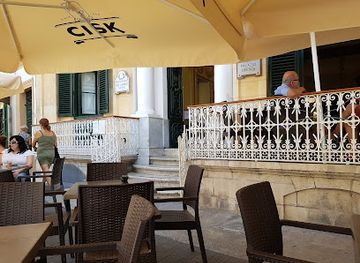
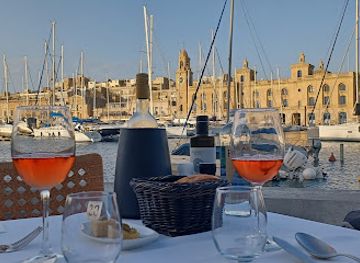
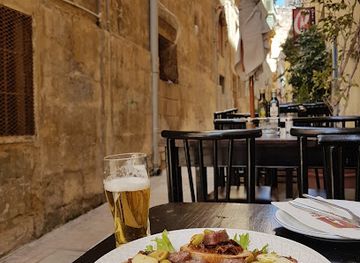
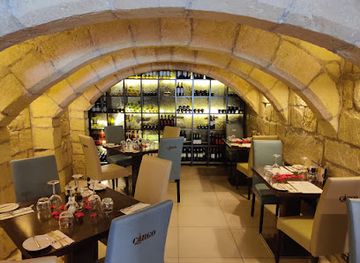
Dining in Cottonera reflects Malta’s wider Mediterranean food culture while retaining a strong harbour-town atmosphere. Birgu has the largest concentration of restaurants and cafés, particularly around the waterfront and historic streets, with menus commonly featuring fresh fish, seafood, pasta, rabbit, local cheeses, seasonal vegetables and Maltese breads. Traditional dishes such as stuffat tal-fenek, pastizzi and hobz biz-zejt belong to Malta’s national culinary heritage rather than Cottonera alone, but they are useful parts of a local food itinerary. Restaurants around the creeks often emphasise maritime views, while neighbourhood establishments in Cospicua and Senglea provide a more everyday setting. Look for Maltese wines, locally produced beer and the sweet, almond-based flavours found in island baking. Markets and small food shops are useful for informal purchases, though the Three Cities are better known for sit-down dining and cafés than for a single defining food market. Reservations can be sensible at popular waterfront restaurants during busy periods, while menus and opening arrangements may vary seasonally.
-
Restaurant
BeBirgu
Discover BeBirgu: A hidden gem in Birgu serving exquisite local dishes and international cuisine in a warm atmosphere.
-
Mediterranean
Enchanté Restaurant
Discover Enchanté Restaurant in Senglea: A Mediterranean dining experience blending local flavors with breathtaking harbor views.
-
Maltese
d Centre
Discover the heart of Maltese flavors at d Centre in Birgu - where tradition meets taste in an unforgettable dining experience.
-
Restaurant
Cargo Bar & Dine
Experience exquisite Mediterranean cuisine at Cargo Bar & Dine along Birgu's stunning waterfront, perfect for memorable meals.
Best bars in Cottonera
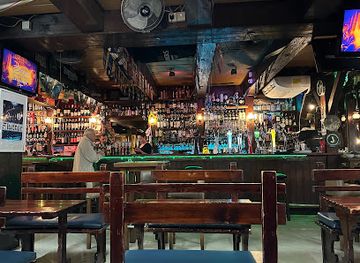
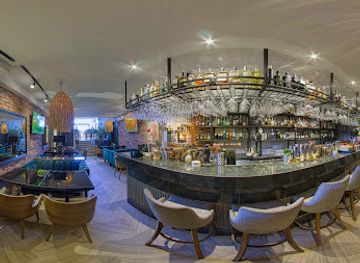
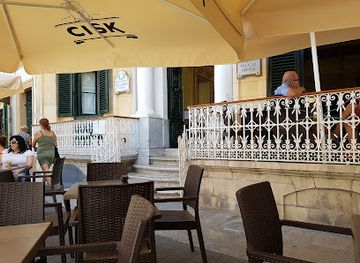
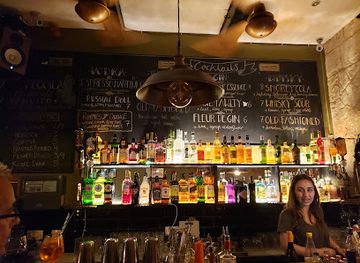
Cottonera’s evening life is centred on restaurants, wine bars, cafés and traditional Maltese pubs rather than a large nightclub district. Birgu’s waterfront and historic lanes are the main focus for a relaxed evening, with outdoor tables and harbour views creating a social atmosphere after the daytime heat eases. Senglea and Cospicua have a more local, residential rhythm, where parish events, small bars and cafés may be more important than late-night entertainment. The Three Cities are well suited to an evening meal followed by a drink and a walk beside the water, while visitors seeking a much broader club scene generally travel to other parts of Malta. Live music and cultural events may appear in historic venues or public spaces, but these are seasonal or programme-dependent rather than permanent features. Check current arrangements locally and avoid assuming that every waterfront venue stays open late.
-
Live music bar
Black Gold Saloon
Immerse yourself in the lively atmosphere of Black Gold Saloon, Sliema's hotspot for live music and delicious dining.
-
Cocktail bar
The Black Sheep drink and dine
Experience the vibrant flavors of Malta at The Black Sheep – a cocktail bar and restaurant blending Mediterranean cuisine with a lively atmosphere.
-
Restaurant
BeBirgu
Discover BeBirgu, a delightful bistro in Birgu, Malta, where local flavors and rich history come together for an unforgettable dining experience.
-
Cocktail bar
Cafe Society
Experience the vibrant nightlife of Valletta at Café Society, where innovative cocktails meet a cozy atmosphere.
Best nightclubs in Cottonera
Cottonera’s evening life is centred on restaurants, wine bars, cafés and traditional Maltese pubs rather than a large nightclub district. Birgu’s waterfront and historic lanes are the main focus for a relaxed evening, with outdoor tables and harbour views creating a social atmosphere after the daytime heat eases. Senglea and Cospicua have a more local, residential rhythm, where parish events, small bars and cafés may be more important than late-night entertainment. The Three Cities are well suited to an evening meal followed by a drink and a walk beside the water, while visitors seeking a much broader club scene generally travel to other parts of Malta. Live music and cultural events may appear in historic venues or public spaces, but these are seasonal or programme-dependent rather than permanent features. Check current arrangements locally and avoid assuming that every waterfront venue stays open late.
-
Night club
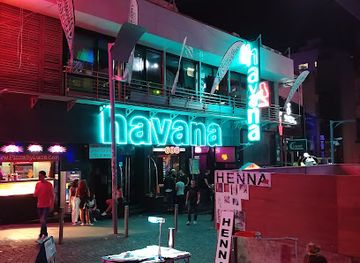
Havana Club Malta
Immerse yourself in the electrifying nightlife of Havana Club Malta, a top destination for unforgettable parties and vibrant music.
-
Night club
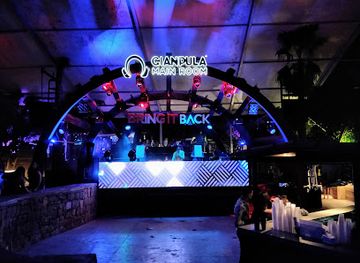
Gianpula Main Room
Discover the electrifying nightlife at Gianpula Main Room, Malta's premier night club with top DJs and an unforgettable party experience.
-
Night club
Incognito Terrace Bar and pub
Experience the vibrant nightlife at Incognito Terrace Bar and Pub in St. Paul's Bay, where great drinks, karaoke, and dancing await!
-
Night club
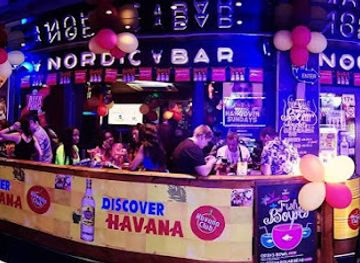
The Nordic Bar
Experience the electrifying nightlife at The Nordic Bar, St. Julian's premier nightclub, perfect for dancing, drinks, and unforgettable memories.
Best shops in Cottonera
Shopping in Cottonera is modest in scale and closely connected with daily life, heritage and food rather than large commercial centres. Birgu has the widest selection of visitor-oriented cafés, galleries, small boutiques and shops selling books, crafts, prints and locally themed gifts, particularly around its historic core. Cospicua and Senglea offer neighbourhood groceries, bakeries and small retailers that are useful for observing ordinary shopping patterns and buying snacks for a walking day. Look for Maltese food products such as honey, preserves, olive oil, wine, liqueurs and traditional biscuits, as well as ceramics, jewellery and handmade crafts. Independent galleries and design-led shops may be found in restored historic premises, but availability changes and the Three Cities are not primarily a destination for luxury retail. For a broader choice of mainstream shops and larger markets, visitors usually travel to Valletta or other parts of Malta; these are outside Cottonera and should not be confused with the region’s smaller, locally focused retail scene.
-
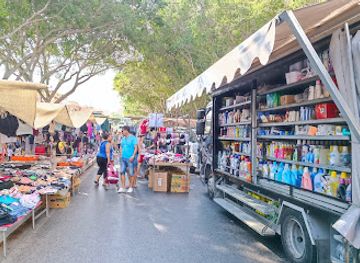
Flea market
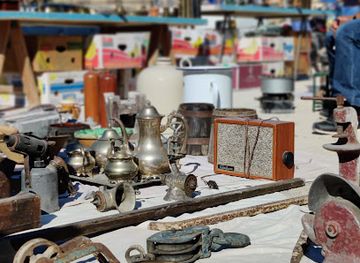
Birgu Flea Market / Car boot Sale
Discover unique treasures and local culture at the Birgu Flea Market, a must-visit destination for every traveler exploring Malta.
-
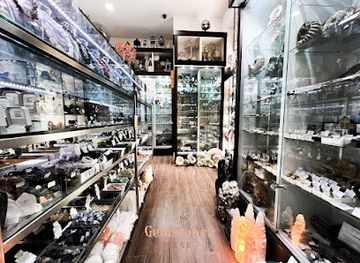
Jewelry store
Gemstones
Explore Gemstones, the premier jewelry store in Birgu, offering handcrafted pieces that celebrate Maltese artistry and culture.
-
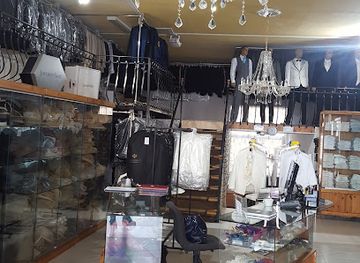
Clothing store
The Knot
Discover a world of fashion at The Knot, Fgura - your ultimate destination for men’s clothing, hats, and stunning wedding dresses.
-
Market
Birgu Market (weekly Streetmarket)
Experience the lively atmosphere of Birgu Market, a vibrant weekly street market filled with local crafts, delicious food, and unique souvenirs.
Get your free copy of our complete guide to Cottonera, delivered straight to you.
Everything on this page, from attractions and restaurants to essentials and local phrases, in one PDF you can read offline, print or share.
Already have an account? Sign in
Your Cottonera guide is ready.
We'll send it to · Not you? Sign out

Getting your guide ready…
We are putting together a fresh copy of the Cottonera guide. This can take up to a minute.
This can take a few moments. If your browser asks, choose Allow so the download can start. You'll find the guide in your Downloads folder.
Nothing happened? Download it again
Sorry, the guide is taking longer than usual. Please try again in a minute, or get it by email instead.
Cottonera essentials
Currency and Payment
Safety
Emergency Situations
Do's and Don'ts
Local Tips
From Eve
Local phrases worth knowing
You don't need to get them perfect. A few words go a long way, and locals appreciate the effort.
Basics
| English | Local | Say it |
|---|---|---|
| Hello | Bongu | [bong-goo] |
| Goodbye | Sahha | [sah-ha] |
| Yes | Iva | [ee-vah] |
| No | Le | [leh] |
| Please/You're welcome | Jekk jogħġbok | [yekk yog-bok] |
| Thank you | Grazzi | [grah-tsee] |
| Excuse me/Sorry | Skużani | [skoo-zah-nee] |
| How are you? | Kif int? | [keef int] |
| Fine. And you? | Tajjeb. U inti? | [tie-yeb. oo in-tee?] |
| Do you speak English? | Titkellem bl-Ingliz? | [tit-kel-lem bl-ing-leez?] |
| I don't understand | Ma nifhimx | [mah neef-im-sh] |
Eating & Drinking
| English | Local | Say it |
|---|---|---|
| I'd like to see the menu, please | Nixtieq narah il-menu, jekk jogħġbok | [neesh-tea nar-ah eel-meh-noo, yekk yog-bok] |
| I don't eat meat | Ma niekolx laħam | [mah nee-ek-welsh lah-ham] |
| Cheers! | Salute! | [sah-lu-teh] |
| I would like to pay, please | Nixtieq inħallas, jekk jogħġbok | [neesh-tea in-hah-lass, yekk yog-bok] |
Emergencies
| English | Local | Say it |
|---|---|---|
| Help! | Għajnuna! | [ahn-oo-nah] |
| Go away! | Mur 'il bogħod! | [moor eel bog-od] |
| Call the Police! | Iċċempel lill-Pulizija! | [ich-jem-pel leel poo-lee-zee-ah] |
| Call a doctor! | Iċċempel tabib! | [ich-jem-pel tah-beeb] |
| I'm lost | Qiegħed nitlef | [kee-ed nee-tlef] |
| I'm ill | Qiegħed morda | [kee-ed mor-dah] |
Shopping
| English | Local | Say it |
|---|---|---|
| I'd like to buy... | Nixtieq nixtri... | [neesh-tea nik-stree] |
| I'm just looking | Qiegħed nara biss | [kee-ed nah-rah biss] |
| How much is it? | Kemm hi? | [kemm ee?] |
| That's too expensive | Dak hu wisq għali | [dahk hoo wis-k ah-lee] |
| Can you lower the price? | Tista' tnaqqas il-prezz? | [tis-ta tna-kas eel-prets?] |
Time & Numbers
| English | Local | Say it |
|---|---|---|
| What time is it? | Kemm hu l-ħin? | [kemm hoo l-heen?] |
| It's one o'clock | Hija l-ewwel siegħa | [hee-yah l-eh-wel see-ah] |
| Half past (10) | Nofs wara (10) | [nofs wah-rah (10)] |
| Morning | Filgħodu | [fil-oh-doo] |
| Afternoon | Wara nofsinhar | [wah-rah nof-seen-har] |
| Evening | Filgħaxija | [fil-ah-kee-yah] |
| Yesterday | Ilbieraħ | [eel-bee-rah] |
| Today | Illum | [ee-loom] |
| Tomorrow | Ghada | [ah-dah] |
| 1 | 1 | [1] |
| 2 | 2 | [2] |
| 3 | 3 | [3] |
| 4 | 4 | [4] |
| 5 | 5 | [5] |
| 6 | 6 | [6] |
| 7 | 7 | [7] |
| 8 | 8 | [8] |
| 9 | 9 | [9] |
| 10 | 10 | [10] |
Transport & Directions
| English | Local | Say it |
|---|---|---|
| Where's a/the...? | Fejn hi/hu...? | [fayn hee/hoo?] |
| What's the address? | X'inhuma l-indirizzi? | [z'een-hoo-ma l-in-dee-rit-zee?] |
| Can you show me (on the map)? | Tista' turili (fuq il-map)? | [tis-ta too-ree-lee (foq eel-map)?] |
| When's the next (bus)? | Meta ġej il-(bus) li jmiss? | [meh-tah jeh ee-(bus) lee ye-miss?] |
| A ticket (to ....) | Biljett (għal ....) | [beel-yet (ah-l ....)] |
History of Cottonera
Ancient and Medieval Harbour Settlements
The sheltered waterways of the Grand Harbour attracted maritime activity long before the modern Three Cities emerged. Phoenician and later Roman seafarers used Malta’s harbours, while medieval communities developed around fishing, trade and defensive sites. Birgu’s peninsula, in particular, occupied a strategic position at the entrance to the inner harbour. Before the arrival of the Knights of St John, the area was less densely built than it would become, but its natural anchorages and elevated ground already made it valuable. The harbour’s geography, rather than any single early settlement, provided the foundation for Cottonera’s later importance.
The Knights of St John and Birgu
When the Order of St John moved its base to Malta in 1530, Birgu became the Order’s principal urban and naval centre before Valletta was built. The knights strengthened the peninsula, developed palaces and auberges, and used Fort St Angelo to control access to the harbour. Birgu became a cosmopolitan administrative and commercial centre, attracting merchants, sailors and craftsmen from across the Mediterranean. Its churches and institutional buildings still reflect this transformation. The city’s association with the Order explains the historic name Vittoriosa, granted after the successful defence of Malta against the Ottoman siege.
The Great Siege of 1565
During the Great Siege of 1565, Ottoman forces attacked Malta’s principal fortified positions, including Birgu, Senglea and Fort St Elmo. The defenders held the Three Cities under severe pressure, and the survival of Birgu and Senglea was central to the eventual relief of the island. The siege caused extensive damage and loss of life, but it also established the military reputation of the Order of St John and accelerated the rebuilding of Malta’s fortifications. Bastions, waterfront defences and commemorative names across Cottonera continue to recall this decisive episode.
The Construction of Senglea and Cospicua
Senglea was developed as a fortified peninsula during the sixteenth century, named after Grand Master Claude de la Sengle. Its planned defences and narrow urban form complemented Birgu’s older settlement. Cospicua, known as Bormla in Maltese, grew between the two harbours and later became an important residential, commercial and naval-support centre. The collective term Cottonera is associated with Grand Master Nicolás Cotoner, whose seventeenth-century fortification projects expanded the defensive system around the Three Cities. These works helped create the dense network of walls, ditches and bastions visible today.
British Naval Rule and the Dockyard
After Britain took control of Malta in 1800, the Grand Harbour became a major Royal Navy station. Cospicua and the surrounding creeks developed around ship repair, victualling, engineering and dockyard employment, while Birgu and Senglea remained closely tied to maritime work. British administration added new infrastructure to an older Hospitaller landscape, producing the layered architectural character seen across Cottonera. The dockyard brought workers and families from elsewhere on Malta and helped establish the Three Cities as an industrial and naval community rather than solely a historic quarter.
War Damage and Post-war Change
Malta’s harbour districts were heavily bombed during the Second World War because of their naval and industrial importance. Cottonera suffered damage to housing, churches, dockyard facilities and historic fabric, while residents endured displacement and shortages. Post-war reconstruction changed parts of the urban landscape, although substantial fortifications, churches and historic streets survived. The decline and eventual transformation of the naval dockyard also altered local employment patterns. Contemporary Cottonera therefore reflects both the survival of an early modern fortified cityscape and the social consequences of twentieth-century warfare and industrial change.
Heritage Regeneration and Contemporary Cottonera
In recent decades, the Three Cities have received renewed attention for their architectural, maritime and military heritage. Restoration has improved access to historic buildings and waterfront areas, while museums and cultural projects have interpreted the lives of the Order of St John, dockyard workers and harbour communities. Regeneration has not erased the cities’ residential character: laundry, local shops, parish activity and everyday traffic remain part of the experience. Cottonera’s continuing development is best understood as the adaptation of working harbour towns whose historic identity remains tied to the water.
Cottonera in Photos
Browse through our photo collection highlighting the charm and character of the destination.
Neighbouring regions of Cottonera
The closest regions to Cottonera, if you have time for more than one.
-

-

-

-

-


Swipe for more regions
Explore more
Explore more of Malta
Discover Malta's crystal-clear waters, rich history, and vibrant culture. From ancient temples to modern nightlife, this Mediterranean gem offers something for everyone.
Explore Malta