

Free Dembéni Travel Guide & Mobile App
Explore Dembéni with free travel guides. Discover regional history, expert tips, proposed trips, and audio guides on web or mobile app.


Discover Dembéni in Mayotte for lagoon views, Mahoran villages, tropical hills and archaeological traces of Indian Ocean trade.
Read more about Dembéni
When is the best time to visit Dembéni?
Best: June–August · 26–27°C| Month | High (°C) | Rainfall (mm) |
|---|---|---|
| January | 30 | 250 |
| February | 30 | 200 |
| March | 30 | 150 |
| April | 30 | 100 |
| May | 29 | 50 |
| June (best) | 27 | 25 |
| July (best) | 26 | 25 |
| August (best) | 27 | 25 |
| September | 28 | 50 |
| October | 30 | 100 |
| November | 30 | 150 |
| December | 30 | 200 |
Getting to and around Dembéni
How to get there
Transportation
Best attractions in Dembéni
Dembéni’s attractions combine coastal scenery, village life, archaeological interest and access to the tropical interior rather than a large collection of formal visitor facilities. The shoreline around Iloni provides lagoon views and opportunities for quiet coastal exploration, subject to tides, currents and local advice. Inland, the green slopes and cultivated areas offer a closer look at Mayotte’s volcanic landscape, although visitors should confirm routes before setting out because many paths are informal and conditions change after rain. The commune’s archaeological importance is a major point of interest for travellers interested in the medieval western Indian Ocean, even where remains are not presented as a conventional museum attraction. Dembéni is also home to Mayotte’s university centre, giving the area a contemporary educational role alongside its older settlements. Village walks can reveal mosques, homes, roadside food stalls and everyday activity, but they require discretion and respect for privacy. The commune is best combined with other Grande-Terre destinations, including marine excursions and protected natural environments elsewhere on the island, rather than treated as a self-contained sightseeing circuit.
-
Tourist attraction
Source de la Bonne Mère
Explore the serene Source de la Bonne Mère in Dembeni, Mayotte, a captivating natural spring surrounded by lush landscapes and rich local culture.

Best landmarks in Dembéni
Dembéni’s most significant landmarks are cultural and geographical rather than monumental. The archaeological heritage associated with Dembéni is central to the commune’s identity, representing medieval settlement and Mayotte’s participation in western Indian Ocean exchange. Surviving evidence may be fragmentary or difficult to interpret without specialist guidance, so visitors should not disturb ground deposits or remove objects. The coastal landscape around Iloni provides a recognisable natural setting, with the lagoon, shoreline and views towards the surrounding islands revealing the relationship between the commune and the sea. Dembéni’s university centre is an important contemporary landmark, reflecting Mayotte’s expanding educational institutions and its integration within the French public system. Local mosques and village streets are also prominent features of the built environment, though they are living religious and residential spaces rather than sightseeing monuments. The wooded volcanic slopes behind the settlements form a further visual landmark, linking the coastal villages with the island’s tropical interior.
-
Tourist attraction
Beach N'Gouja
Experience the breathtaking beauty of Beach N'Gouja, a serene paradise in Mayotte, perfect for relaxation and adventure seekers alike.
-
Hotel
Le Jardin Maore
Discover the tropical paradise of Le Jardin Maore in Mayotte, where relaxation meets adventure on the stunning shores of N'Gouja Beach.
-
Island
Grande-Terre
Discover the tropical paradise of Grande-Terre, Mayotte, where stunning landscapes meet vibrant culture in the heart of the Indian Ocean.
-
Restaurant
Le Tour du Monde
Discover the vibrant flavors of Mayotte at Le Tour du Monde, a culinary oasis offering diverse dishes and an extensive wine selection.


Explore Dembéni on the map
Plan your trip on one map. See where the top cities, national parks and sights are, and book hotels and experiences in a few clicks.
Best hotels in Dembéni
Best restaurants in Dembéni
Dembéni’s food scene is primarily local, informal and connected to Mahoran household cooking rather than a dense restaurant district. Visitors may encounter rice served with fish, meat or poultry, aromatic sauces, legumes and vegetables, with coconut, chilli, ginger and other Indian Ocean flavours appearing in many meals. Fresh seafood is an important part of island cuisine, although availability depends on the day and the individual seller. Street food, small village eateries and home-style meals arranged through local contacts can provide a more realistic introduction to the commune than formal dining. Tropical fruit, snacks and sweet drinks are commonly found in roadside settings, while French influence is visible in bread, pastries and café culture. Those seeking a wider choice of restaurants will generally find more options in larger centres elsewhere on Grande-Terre. Ask about ingredients and preparation, particularly when buying food informally, and carry water when visiting rural or coastal areas where dining facilities may be sparse.
-
Restaurant
O'lolo Hôtel Mayotte
Discover O'lolo Hôtel Mayotte: A culinary gem by the beach offering adventure through canoeing and kayaking in paradise.
-
Restaurant
Le Faré
Experience the authentic flavors of Mayotte at Le Faré - a culinary gem in Dzaoudzi that promises unforgettable dining moments.
-
 Restaurant
Hôtel Restaurant Sakouli
Discover tropical bliss at Hôtel Restaurant Sakouli – where exquisite dining meets breathtaking coastal views in Mayotte.
-
Restaurant
Hippocampe Restaurant
Experience authentic Mayotte flavors at Hippocampe Restaurant – a culinary gem in Mamoudzou offering fresh local dishes in a warm atmosphere.


Best bars in Dembéni
Dembéni is not a major nightclub destination, and evening life is more likely to centre on family gatherings, small eateries, informal socialising and occasional community activity than on a concentrated entertainment district. Alcohol is not central to public culture in a predominantly Muslim society, so visitors should not assume that every café or restaurant serves it. The most dependable evening options are generally modest meals and conversation in established local settings, with a broader selection of bars and nightlife available in Mamoudzou, outside the commune. Live cultural activity and celebrations may occur, but dates, locations and access can change and should be confirmed locally. Avoid treating villages or beaches as nightlife venues after dark, particularly where lighting and transport are limited. Respect local religious observance, keep noise low in residential areas and arrange a safe return journey before going out.
-
Restaurant
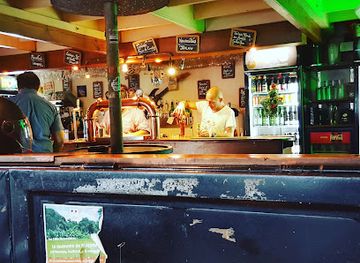
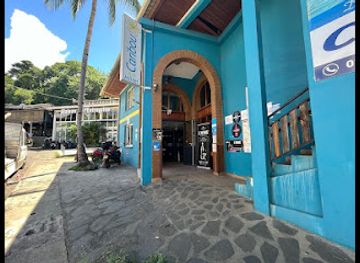
O'lolo Hôtel Mayotte
Experience the charm of O'lolo Hôtel Mayotte with exquisite dining and kayaking adventures on the beautiful shores of Plage de Sakouli.
-
Bar
Barakili
Experience the vibrant nightlife at Barakili, a must-visit bar in Mamoudzou, Mayotte, known for its tropical drinks and lively atmosphere.
-
Bar
Le Camion Blanc
Discover the vibrant atmosphere and local flavors at Le Camion Blanc, a must-visit bar in Mamoudzou, Mayotte.
-
Restaurant
Le 5/5
Experience the lively fusion of delicious pizzas, cocktails, and live entertainment at Le 5/5 in Mamoudzou, Mayotte.


Best nightclubs in Dembéni
Dembéni is not a major nightclub destination, and evening life is more likely to centre on family gatherings, small eateries, informal socialising and occasional community activity than on a concentrated entertainment district. Alcohol is not central to public culture in a predominantly Muslim society, so visitors should not assume that every café or restaurant serves it. The most dependable evening options are generally modest meals and conversation in established local settings, with a broader selection of bars and nightlife available in Mamoudzou, outside the commune. Live cultural activity and celebrations may occur, but dates, locations and access can change and should be confirmed locally. Avoid treating villages or beaches as nightlife venues after dark, particularly where lighting and transport are limited. Respect local religious observance, keep noise low in residential areas and arrange a safe return journey before going out.
-
Bar
Barakili
Experience the vibrant atmosphere of Barakili, the perfect bar in Mamoudzou for refreshing drinks and local culture in Mayotte.
-
Bar
Le Mermoz
Discover the vibrant atmosphere of Le Mermoz, a stylish bar in Mamoudzou offering exquisite cocktails, tapas, and a relaxing hookah lounge experience.
-
Night club
Le Loft
Discover the vibrant nightlife of Mayotte at Le Loft, a premier night club offering an unforgettable experience with music, dance, and delightful drinks.
-
Disco club
Le Mahaba Club
Experience the vibrant nightlife of Mayotte at Le Mahaba Club, where local and international beats come together for an unforgettable disco experience.

Best shops in Dembéni
Shopping in Dembéni is chiefly local and practical, with small village shops, roadside sellers and informal stalls offering everyday provisions, drinks, fruit and prepared snacks. Visitors may find seasonal tropical produce and locally prepared foods, but availability varies by village and day. Dembéni is not a specialist retail destination, so those seeking a broad choice of crafts, clothing, books or higher-value souvenirs will generally find more options in Mamoudzou and other larger centres of Mayotte. When buying local products, ask about ingredients and provenance rather than assuming that an item is made in the commune. Respect customary permissions when photographing stalls or craftspeople, and do not purchase archaeological objects, old pottery or cultural artefacts whose origin is unclear. The most appropriate souvenirs are usually durable food products, locally made crafts or textiles obtained through reputable sellers, supporting the island’s contemporary economy without encouraging the removal of heritage from the ground.
-
Shopping mall
Centre Commercial Baobab
Explore Centre Commercial Baobab: Mamoudzou’s vibrant shopping mall offering local culture, diverse shops, and delicious dining options.
-
Clothing store
Zak Boutik
Explore unique fashion at Zak Boutik, Mamoudzou's premier clothing store, offering a blend of local culture and contemporary style.
-
Supermarket
Douka Bé Barakani
Explore local flavors and essential goods at Douka Bé Barakani, the vibrant supermarket in Tsararano, Dembeni, Mayotte.
-
Store
SUNDAY
Discover the ultimate beachwear destination in Mamoudzou at SUNDAY, where style meets comfort for your tropical getaway.


Get your free copy of our complete guide to Dembéni, delivered straight to you.
Everything on this page, from attractions and restaurants to essentials and local phrases, in one PDF you can read offline, print or share.
Already have an account? Sign in
Your Dembéni guide is ready.
We'll send it to · Not you? Sign out

Getting your guide ready…
We are putting together a fresh copy of the Dembéni guide. This can take up to a minute.
This can take a few moments. If your browser asks, choose Allow so the download can start. You'll find the guide in your Downloads folder.
Nothing happened? Download it again
Sorry, the guide is taking longer than usual. Please try again in a minute, or get it by email instead.
Dembéni essentials
Currency and Payment
Safety
Emergency Situations
Do's and Don'ts
Local Tips
From Eve
Local phrases worth knowing
You don't need to get them perfect. A few words go a long way, and locals appreciate the effort.
Basics
| English | Local | Say it |
|---|---|---|
| Hello | Salama | [sah-lah-mah] |
| Goodbye | Sambatra | [sahm-bah-trah] |
| Yes | Ee | [ee] |
| No | Aye | [ah-yeh] |
| Please/You're welcome | Tafadhali | [tah-fah-dah-lee] |
| Thank you | Asante | [ah-sahn-teh] |
| Excuse me/Sorry | Pole | [poh-leh] |
| How are you? | Habari gani? | [hah-bah-ree gah-nee] |
| Fine. And you? | Nzuri. Na wewe? | [n-zoo-ree nah weh-weh] |
| Do you speak English? | Unazungumza Kiingereza? | [oo-nah-zoong-oom-zah kee-ing-eh-reh-zah] |
| I don't understand | Sielewi | [see-eh-leh-wee] |
Eating & Drinking
| English | Local | Say it |
|---|---|---|
| I'd like to see the menu, please | Ningependa kuona menyu, tafadhali | [nee-geh-pen-dah koo-oh-nah men-yoo tah-fah-dah-lee] |
| I don't eat meat | Sikuli nyama | [see-koo-lee nyah-mah] |
| Cheers! | Afya! | [ah-fyah] |
| I would like to pay, please | Ningependa kulipa, tafadhali | [nee-geh-pen-dah koo-lee-pah tah-fah-dah-lee] |
Emergencies
| English | Local | Say it |
|---|---|---|
| Help! | Msaada! | [m-sah-dah] |
| Go away! | Ondoka! | [on-doh-kah] |
| Call the Police! | Piga simu polisi! | [pee-gah see-moo poh-lee-see] |
| Call a doctor! | Piga simu daktari! | [pee-gah see-moo dahk-tah-ree] |
| I'm lost | Nimepotea | [nee-meh-poh-teh-ah] |
| I'm ill | Ninaumwa | [nee-nah-oom-wah] |
Shopping
| English | Local | Say it |
|---|---|---|
| I'd like to buy... | Ningependa kununua... | [nee-geh-pen-dah koo-noo-noo-ah] |
| I'm just looking | Natazama tu | [nah-tah-zah-mah too] |
| How much is it? | Ni pesa ngapi? | [nee peh-sah ngah-pee] |
| That's too expensive | Hiyo ni ghali sana | [hee-yoh nee gah-lee sah-nah] |
| Can you lower the price? | Unaweza kupunguza bei? | [oo-nah-weh-zah koo-pun-goo-zah beh-ee] |
Time & Numbers
| English | Local | Say it |
|---|---|---|
| What time is it? | Ni saa ngapi? | [nee sah ngah-pee] |
| It's one o'clock | Ni saa moja | [nee sah moh-jah] |
| Half past (10) | Nusu ya (10) | [noo-soo yah] |
| Morning | Asubuhi | [ah-soo-boo-hee] |
| Afternoon | Mchana | [m-chah-nah] |
| Evening | Jioni | [jee-oh-nee] |
| Yesterday | Jana | [jah-nah] |
| Today | Leo | [leh-oh] |
| Tomorrow | Kesho | [keh-shoh] |
| 1 | Moja | [moh-jah] |
| 2 | Mbili | [m-bee-lee] |
| 3 | Tatu | [tah-too] |
| 4 | Nne | [n-neh] |
| 5 | Tano | [tah-noh] |
| 6 | Sita | [see-tah] |
| 7 | Saba | [sah-bah] |
| 8 | Nane | [nah-neh] |
| 9 | Tisa | [tee-sah] |
| 10 | Kumi | [koo-mee] |
Transport & Directions
| English | Local | Say it |
|---|---|---|
| Where's a/the...? | Iko wapi...? | [ee-koh wah-pee] |
| What's the address? | Nini anwani? | [nee-nee ahn-wah-nee] |
| Can you show me (on the map)? | Unaweza kunionyesha (katika ramani)? | [oo-nah-weh-zah koo-nee-oh-nyesh-ah kah-tee-kah rah-mah-nee] |
| When's the next (bus)? | Basi inayofuata ni lini? | [bah-see ee-nah-yoh-foo-ah-tah nee lee-nee] |
| A ticket (to ....) | Tiketi (kwenda....) | [tee-keh-tee kwen-dah] |
History of Dembéni
Early settlement and Indian Ocean connections
Mayotte was settled over many centuries by communities linked to the wider western Indian Ocean, including the East African coast, Madagascar and the Comoros. Its position between these regions made the island part of maritime networks that moved people, foodstuffs, ceramics and ideas. The sheltered lagoon and fertile surroundings of south-eastern Grande-Terre helped sustain coastal settlement, while the island’s volcanic uplands provided additional agricultural resources.
The medieval Dembéni archaeological tradition
Archaeological work at and around Dembéni has identified an important medieval settlement tradition, generally dated from the first millennium into the later medieval period. Imported pottery and other remains indicate participation in long-distance Indian Ocean exchange rather than an isolated island economy. The term Dembeni ware is used by archaeologists for distinctive ceramics associated with this broader cultural horizon. Although much of the ancient settlement is no longer visible to casual visitors, its evidence gives the commune an important place in Mayotte’s early history.
Islamic influence and the sultanates
Islam spread through the Comoros and Mayotte through contact with merchants, scholars and ruling families from the western Indian Ocean. Over time, Muslim institutions and political authority became central to island society, while local customs and languages continued to shape daily life. Villages in and around present-day Dembéni developed within this layered Comorian and Swahili cultural world. Mosques, family traditions, religious education and the organisation of community life remain visible parts of Mayotte’s cultural landscape.
French acquisition in the nineteenth century
France acquired Mayotte from Sultan Andriantsoly in 1841, beginning a period of colonial administration that distinguished the island from the other islands of the Comoros. French authority gradually transformed landholding, administration, education and commercial relations. The effects were uneven and often contested, but they established the constitutional and institutional path that later separated Mayotte politically from the Comoros. Dembéni’s villages experienced these changes as part of the wider transformation of Grande-Terre.
From colony to French overseas department
Mayotte became a French overseas department in 2011 after a long political process and a local referendum in 2009. The change brought closer integration with the French legal and administrative system, although economic, infrastructural and social challenges remained substantial. For visitors, the result is a destination with French public institutions and the euro alongside Mahoran languages, Islamic traditions and Comorian cultural practices. Dembéni reflects this combination through its villages, educational institutions and public services.
Contemporary Dembéni and higher education
In the twenty-first century, Dembéni has gained additional importance as the location of Mayotte’s university centre. Higher education, public administration and improved connections have added a younger and more institutional dimension to a commune still characterised by villages, agriculture and coastal life. At the same time, archaeological interest has strengthened recognition of Dembéni as a place with significance extending well beyond its local boundaries. Contemporary development continues alongside environmental pressures affecting the lagoon, coastline and hills.
Dembéni in Photos
Browse through our photo collection highlighting the charm and character of the destination.
Neighbouring regions of Dembéni
The closest regions to Dembéni, if you have time for more than one.
-

-

-
-

-


Swipe for more regions
Explore more

Explore more of Mayotte
Discover Mayotte, the untouched paradise of the Indian Ocean, where stunning beaches, vibrant marine life, and a unique cultural blend await you.
Explore Mayotte