

Free Mamoudzou Travel Guide & Mobile App
Plan your Mamoudzou trip with Evendo. Get free guides to top attractions, restaurants, hotels, and bars. Web access or download the mobile app.


Mamoudzou, Mayotte’s lively gateway, blends Mahoran history, lagoon scenery, island cuisine and waterfront markets with ferry access to Petite-Terre.
Island Capital and Harbour City
Mamoudzou is the administrative and commercial centre of Mayotte, set along the eastern coast of Grande-Terre where steep green hills descend towards the Indian Ocean. The city is shaped by its harbour, its busy ferry links with Petite-Terre and the daily movement of people between neighbourhoods, markets, offices and the waterfront. Its urban landscape is practical rather than polished, with French public institutions standing alongside Mahoran homes, mosques, roadside stalls and small family businesses.Read more about Mamoudzou
Mahoran Culture in Everyday Life
Gateway to the Lagoon
Getting to and around Mamoudzou
How to get there
Transportation
Best attractions in Mamoudzou
Mamoudzou’s principal sights are woven into its working urban landscape. The covered market is the city’s most immediate cultural encounter, with stalls selling fruit, vegetables, spices, fish, clothing and household goods. Along the waterfront, the ferry terminal reveals the constant movement between Grande-Terre and Petite-Terre, while nearby streets lead towards civic buildings, small shops and neighbourhood mosques. The city’s coastal setting also makes it a departure point for boat trips across Mayotte’s lagoon, where reefs, sea turtles and seasonal whales can be observed with local guides. Inland, the roads towards Cavani and Mtsapéré climb into greener, more residential terrain, offering a contrast with the harbour. Visitors interested in local culture can seek out community events, craftwork and Mahoran food in the central area, while the Mayotte Museum in Dzaoudzi provides broader historical context across the channel.
-
Stadium
Cavani Stadium
Experience the vibrant atmosphere of Cavani Stadium in Mayotte, a hub for sports and cultural events showcasing the island's rich heritage.
10 min walk · 0.8 km from city centre
-
Beach
Plages de Moya
Discover the serene beauty of Plages de Moya in Mayotte, where soft sands meet crystal-clear waters for the ultimate beach getaway.
22 min drive · 7.4 km from city centre
-
Adventure sports
Wake Up Maluja
Experience the thrill of adventure sports at Wake Up Maluja in Mamoudzou, Mayotte – a top destination for thrill-seekers and nature lovers alike.
7 min walk · 0.6 km from city centre
-
Lake
Dziani Dzaha
Experience the serene beauty of Dziani Dzaha, a stunning lake in Mayotte perfect for relaxation, exploration, and connecting with nature.
20 min drive · 6.7 km from city centre


Best landmarks in Mamoudzou
Mamoudzou’s landmarks reflect its role as a Mahoran capital, ferry port and French administrative centre. The covered market is both a practical civic landmark and a lively expression of the city’s commercial culture, while the waterfront ferry terminal symbolises the daily connection between Grande-Terre and Petite-Terre. Mosques in Mamoudzou and its surrounding neighbourhoods express the enduring Islamic character of Mahoran society, though visitors should be respectful because they are active religious spaces rather than conventional monuments. Government offices and civic buildings point to Mayotte’s departmental status and its long relationship with France. Across the channel, the former colonial quarter of Dzaoudzi and the city’s historic buildings add important context to Mamoudzou’s development. The hills behind the urban strip are also part of its visual identity, showing how closely the built city is tied to Grande-Terre’s volcanic and forested landscape.
-
 Hotel
Hotel Maharajah Mayotte
Discover comfort and local charm at Hotel Maharajah Mayotte, your ideal base for exploring the captivating beauty of Mayotte.
4 min walk · 0.3 km from city centre
-
Boat tour agency
Seablue
Discover the marine wonders of Mayotte with Seablue, your premier boat tour agency for unforgettable ocean adventures.
7 min walk · 0.6 km from city centre
-
Hiking area
Pointe Mahabou
Explore Pointe Mahabou, a breathtaking hiking area in Mayotte, where lush landscapes meet stunning ocean views in an unforgettable natural paradise.
14 min walk · 1.1 km from city centre
-
Cottage
Les Bangas
Experience the tranquil beauty of Les Bangas in Mayotte, where charming cottages meet stunning landscapes and vibrant local culture.
20 min drive · 6.8 km from city centre


Explore Mamoudzou on the map
Plan your Mamoudzou trip on one map. See where the top attractions, landmarks, restaurants, bars and hotels are, find what's near where you're staying, and book hotels and experiences in a few clicks.
Best hotels in Mamoudzou
Best restaurants in Mamoudzou
Mamoudzou’s food culture reflects Mayotte’s position between the Comoros, Madagascar, East Africa and France. Coconut, rice, cassava, plantain, tropical fruit, seafood and aromatic spices appear frequently, while grilled fish, broths and stewed dishes are common in everyday cooking. Pilao, a spiced rice dish related to Indian Ocean pilaf traditions, is associated with festive meals, and samoussas and other savoury snacks are widely available from small eateries and street sellers. The market area is useful for discovering produce and prepared foods, while cafés and modest restaurants around the centre serve Mahoran dishes alongside French and broader regional fare. Seafood is particularly connected to the lagoon, although menus vary with catches and availability. Dining is generally more informal than in a major French city, and the most characteristic meals may be found through family-run establishments rather than polished international restaurants.
-
Restaurant
Hippocampe Restaurant
Experience authentic Mayotte cuisine at Hippocampe Restaurant in Mamoudzou - where every dish tells a story of local flavor.
9 min walk · 0.7 km from city centre
-
Crêperie
Crêperie La Bigoudene
Discover authentic Breton flavors at Crêperie La Bigoudene in Mamoudzou – your go-to destination for delicious crêpes in Mayotte.
8 min drive · 2.6 km from city centre
-
Restaurant
Le 5/5
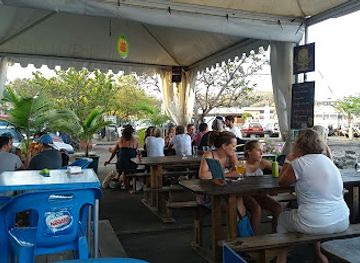
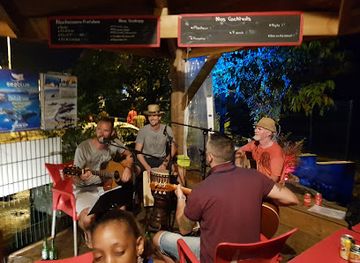
Experience vibrant dining at Le 5/5 in Mamoudzou – where delicious pizzas meet exciting nightlife with karaoke and live music.
7 min walk · 0.5 km from city centre
-
Restaurant
Auberge du Rond-point
Experience authentic Mayotte cuisine at Auberge du Rond-point in Mamoudzou, where every dish tells a story of flavor and tradition.
7 min walk · 0.5 km from city centre


Best bars in Mamoudzou
Mamoudzou has a modest evening scene rather than a large clubbing circuit. After dark, activity centres on restaurants, hotel bars, casual cafés and social spaces around the waterfront and central commercial streets, with music often forming part of the atmosphere. French influence makes wine, beer and familiar café culture available in formal venues, while local gatherings may be shaped more by family, religious and community life than by nightlife districts. Live music and cultural events appear intermittently through local institutions and community programmes, but schedules are not always permanent. Visitors should dress and behave discreetly, particularly in predominantly Muslim neighbourhoods, and arrange a reliable way back to their accommodation. Evening excursions on the lagoon or cultural performances, when organised, can offer a more locally grounded alternative to late-night entertainment.
-
Bar
Barakili
Experience the vibrant atmosphere of Barakili in Mamoudzou, where local flavors and lively entertainment meet for an unforgettable nightlife experience.
7 min walk · 0.6 km from city centre
-
Bar
Le Camion Blanc
Experience the vibrant nightlife of Mamoudzou at Le Camion Blanc, where local flavors and a lively atmosphere await you.
7 min walk · 0.6 km from city centre
-
Restaurant
Le 5/5
Experience the vibrant atmosphere of Le 5/5 in Mamoudzou, where delicious pizza meets lively karaoke and live music in a cozy setting.
7 min walk · 0.5 km from city centre
-
Restaurant
Le Citron Vert
Discover the culinary delights of Le Citron Vert in Mamoudzou, where local flavors meet international cuisine in a warm and inviting atmosphere.
2 min walk · 0.2 km from city centre


Best nightclubs in Mamoudzou
Mamoudzou has a modest evening scene rather than a large clubbing circuit. After dark, activity centres on restaurants, hotel bars, casual cafés and social spaces around the waterfront and central commercial streets, with music often forming part of the atmosphere. French influence makes wine, beer and familiar café culture available in formal venues, while local gatherings may be shaped more by family, religious and community life than by nightlife districts. Live music and cultural events appear intermittently through local institutions and community programmes, but schedules are not always permanent. Visitors should dress and behave discreetly, particularly in predominantly Muslim neighbourhoods, and arrange a reliable way back to their accommodation. Evening excursions on the lagoon or cultural performances, when organised, can offer a more locally grounded alternative to late-night entertainment.
-
Bar
Barakili
Experience the vibrant nightlife at Barakili in Mamoudzou, Mayotte, where lively music meets a warm atmosphere and delightful drinks.
7 min walk · 0.6 km from city centre
-
Bar
Le Camion Blanc
Experience the vibrant nightlife of Mamoudzou at Le Camion Blanc, a lively bar with a diverse drink menu and welcoming atmosphere.
7 min walk · 0.6 km from city centre
-
Restaurant
Le 5/5
Experience the vibrant flavors and lively entertainment at Le 5/5 in Mamoudzou, Mayotte, where delicious pizzas meet unforgettable nights.
7 min walk · 0.5 km from city centre
-
Bar
Le Camion Rouge
Discover the vibrant nightlife of Mamoudzou at Le Camion Rouge, where great drinks and a lively atmosphere await you.
7 min walk · 0.5 km from city centre


Best shops in Mamoudzou
Shopping in Mamoudzou is concentrated around the central market, waterfront streets and commercial areas rather than a single large retail district. The covered market is the most distinctive place to browse, with tropical produce, spices, fish, woven goods, clothing and household items arranged alongside everyday necessities. Small independent shops sell fabrics, sandals, cosmetics and imported products, while bakeries and French-style food shops reflect the territory’s administrative and cultural links with France. Visitors may find locally made baskets, textiles, carved objects and food products, although quality and provenance vary, so it is worth asking sellers about materials and production. For a wider selection of formal retail, the Kawéni area is an important commercial zone north of the centre, with larger shops and services. Bargaining is not a universal expectation, particularly in established stores, and polite negotiation is more appropriate in informal market settings.
-
Electronics store
Boutique Orange
Discover top-notch electronics and gadgets at Boutique Orange, Mamoudzou's leading store for tech-savvy travelers.
8 min walk · 0.7 km from city centre
-
Vaporizer store
Les Volutes
Explore the enchanting blend of a vaporizer store, tea house, and garden center at Les Volutes in Mamoudzou, Mayotte.
10 min walk · 0.8 km from city centre
-
Clothing store
Zak Boutik
Discover the essence of Mayotte’s fashion at Zak Boutik, a clothing store in Mamoudzou showcasing local style and unique designs.
6 min walk · 0.5 km from city centre
-
Store
SUNDAY
Explore SUNDAY in Mamoudzou for stylish beachwear, swimwear, and lingerie that elevate your summer experience in Mayotte.
3 min walk · 0.3 km from city centre


Get your free copy of our complete guide to Mamoudzou, delivered straight to you.
Everything on this page, from attractions and restaurants to essentials and local phrases, in one PDF you can read offline, print or share.
Already have an account? Sign in
Your Mamoudzou guide is ready.
We'll send it to · Not you? Sign out

Getting your guide ready…
We are putting together a fresh copy of the Mamoudzou guide. This can take up to a minute.
This can take a few moments. If your browser asks, choose Allow so the download can start. You'll find the guide in your Downloads folder.
Nothing happened? Download it again
Sorry, the guide is taking longer than usual. Please try again in a minute, or get it by email instead.
Mamoudzou essentials
Currency and Payment
Safety
Emergency Situations
Do's and Don'ts
Local Tips
From Eve
Local phrases worth knowing
You don't need to get them perfect. A few words go a long way, and locals appreciate the effort.
Basics
| English | Local | Say it |
|---|---|---|
| Hello | Bonjour | [bon-zhoor] |
| Goodbye | Au revoir | [oh reh-vwahr] |
| Yes | Oui | [wee] |
| No | Non | [nohn] |
| Please/You're welcome | S'il vous plaît/De rien | [seel voo pleh/day ree-ehn] |
| Thank you | Merci | [mehr-see] |
| Excuse me/Sorry | Excusez-moi/Désolé | [ehk-kew-zay mwa/day-zo-lay] |
| How are you? | Comment ça va? | [koh-mohn sah vah] |
| Fine. And you? | Bien. Et toi? | [byehn/eh twah] |
| Do you speak English? | Parlez-vous anglais? | [par-lay voo ahn-glay] |
| I don't understand | Je ne comprends pas | [zhuh nuh kohm-prahnd pah] |
Eating & Drinking
| English | Local | Say it |
|---|---|---|
| I'd like to see the menu, please | Je voudrais voir le menu, s'il vous plaît | [zhuh voo-dray vwahr luh muh-noo/seel voo pleh] |
| I don't eat meat | Je ne mange pas de viande | [zhuh nuh mahnj pah duh vee-and] |
| Cheers! | Santé! | [sahn-tay] |
| I would like to pay, please | Je voudrais payer, s'il vous plaît | [zhuh voo-dray pay-ay/seel voo pleh] |
Emergencies
| English | Local | Say it |
|---|---|---|
| Help! | Au secours! | [oh suh-koor] |
| Go away! | Allez-vous-en! | [ah-lay voo zahn] |
| Call the Police! | Appelez la police! | [ah-peh-lay lah poh-lees] |
| Call a doctor! | Appelez un médecin! | [ah-peh-lay uh mayd-sahn] |
| I'm lost | Je suis perdu(e) | [zhuh swee pair-doo] |
| I'm ill | Je suis malade | [zhuh swee mah-lahd] |
Shopping
| English | Local | Say it |
|---|---|---|
| I'd like to buy... | Je voudrais acheter... | [zhuh voo-dray zshet-ay] |
| I'm just looking | Je regarde juste | [zhuh ruh-gahrd zhoost] |
| How much is it? | Combien ça coûte? | [kohm-byehn sah koot] |
| That's too expensive | C'est trop cher | [say troh shair] |
| Can you lower the price? | Pouvez-vous baisser le prix? | [poo-vay voo bay-say luh pree] |
Time & Numbers
| English | Local | Say it |
|---|---|---|
| What time is it? | Quelle heure est-il? | [kell uhr eh-teel] |
| It's one o'clock | Il est une heure | [eel eh oon uhr] |
| Half past (10) | Dix heures et demie | [dees uhr ay duh-mee] |
| Morning | Matin | [mah-tahn] |
| Afternoon | Après-midi | [ah-pray mee-dee] |
| Evening | Soir | [swahr] |
| Yesterday | Hier | [yehr] |
| Today | Aujourd'hui | [oh-zhoor-dwee] |
| Tomorrow | Demain | [duh-mahn] |
| 1 | Un | [uhn] |
| 2 | Deux | [duh] |
| 3 | Trois | [twah] |
| 4 | Quatre | [kah-truh] |
| 5 | Cinq | [sank] |
| 6 | Six | [sees] |
| 7 | Sept | [sept] |
| 8 | Huit | [weet] |
| 9 | Neuf | [nuhf] |
| 10 | Dix | [dees] |
Transport & Directions
| English | Local | Say it |
|---|---|---|
| Where's a/the...? | Où est...? | [oo eh] |
| What's the address? | Quelle est l'adresse? | [kell eh lah-dress] |
| Can you show me (on the map)? | Pouvez-vous me montrer (sur la carte)? | [poo-vay voo muh mohn-tray/suhr lah kart] |
| When's the next (bus)? | Quand est le prochain (bus)? | [kahn eh luh proh-shahn] |
| A ticket (to ....) | Un billet (pour ....) | [uhn bee-yay/poor] |
History of Mamoudzou
Early Settlements and Indian Ocean Links
The area now occupied by Mamoudzou developed within the wider cultural world of the Comoros and western Indian Ocean rather than as an isolated settlement. Austronesian and African influences, later joined by Arab and Persian maritime connections, shaped the islands’ languages, religious traditions and trading relationships. On Mayotte, villages grew along the coast and near fertile valleys, with communities relying on fishing, cultivation and regional exchange. Islam became an important force in the Comoros over many centuries, while local customs and social structures continued to develop alongside it. The settlement’s coastal position gave it access to maritime routes linking Mayotte with neighbouring islands, Madagascar and the East African coast, foundations that later helped Mamoudzou become the island’s principal urban centre.
The Sultanate of Mayotte
Before French rule, Mayotte was governed through local sultanates whose authority was connected to the political world of the Comoros. Mamoudzou gained importance during the nineteenth century as a seat of power and a coastal administrative settlement. Rivalries between island rulers, regional commerce and connections with Madagascar and the African mainland formed the background to this period. The settlement’s history was also marked by movement: traders, religious scholars, enslaved people, labourers and families circulated across the western Indian Ocean. These exchanges contributed to the linguistic and cultural variety still evident in Mayotte. Surviving mosques, village patterns and social traditions provide reminders that the city’s history predates its later French administrative identity.
French Annexation in 1841
France took possession of Mayotte in 1841 after Sultan Andriantsoly ceded the island to French representatives. The agreement followed political conflicts in the Comoros and offered the sultan protection after he had lost power in Madagascar. French administration gradually transformed Mamoudzou, which became a centre of colonial government and commercial activity. The island’s economy was reorganised around plantations and export agriculture, including sugar and other tropical products, while colonial institutions altered patterns of land ownership and labour. French influence did not replace Mahoran society: Islamic practice, local languages, village identities and Indian Ocean connections remained important. The nineteenth-century transition nevertheless established the political relationship with France that continues to define Mayotte.
Colonial Administration and Social Change
During the colonial period, Mamoudzou expanded as roads, administrative buildings, schools, medical services and commercial facilities were developed. The city’s role grew further as the French presence became more centralised on Mayotte, while plantations and coastal trade connected the island to wider colonial networks. Social change was uneven. Access to French institutions and education existed alongside local systems of authority, and many residents retained strong links with villages and neighbouring Comorian islands. Decolonisation across the region brought political debate to the fore. In the 1974 referendum, most of Mayotte’s population voted to remain connected to France, unlike the other islands of the Comoros, a decision that set the territory on a separate historical path.
Departmental Mayotte and the Modern City
Mayotte became a French department in 2011, reinforcing Mamoudzou’s position as the territory’s administrative, economic and urban hub. Public investment expanded infrastructure and services, although rapid population growth, housing pressure, traffic and unequal access to facilities have remained persistent challenges. The city has also become a meeting point for people from across the Comoros, Madagascar, mainland Africa and metropolitan France, contributing to a complex contemporary identity. Mamoudzou today combines French legal and administrative structures with Mahoran languages, Islamic traditions, Indian Ocean foodways and extended family networks. Its modern history is therefore visible not only in government buildings and roads, but also in the crowded markets, ferry traffic and varied neighbourhoods surrounding the harbour.
Mamoudzou in Photos
Browse through our photo collection highlighting the charm and character of the destination.
Cities near Mamoudzou
The closest cities to Mamoudzou, if you have time for more than one stop.
-
-

-

-

-


Swipe for more cities
Explore more

Explore more of Mayotte
Discover Mayotte, the untouched paradise of the Indian Ocean, where stunning beaches, vibrant marine life, and a unique cultural blend await you.
Explore Mayotte