

Free Acoua Travel Guide & Mobile App
Plan your Acoua trip with Evendo. Get free guides to top attractions, restaurants, hotels, and bars. Web access or download the mobile app.


Acoua, Mayotte, reveals Grande-Terre’s Islamic heritage, archaeological history, tropical coastline, mangrove landscapes and close-knit village life.
A Coastal Village with Deep Roots
Acoua occupies a calm stretch of Mayotte’s north-western Grande-Terre, where wooded hills descend towards the Mozambique Channel and the coastline opens into small beaches, tidal flats and lagoon waters. The commune is made up of several villages, with Acoua itself serving as an important local centre. Its pace is distinctly different from the busier settlements around Mamoudzou: daily life is shaped by family networks, fishing, farming, Islamic traditions and the practical rhythms of an island community.Read more about Acoua
Archaeology and Islamic Culture
Landscape and Village Life
Getting to and around Acoua
How to get there
Transportation
Best attractions in Acoua
Acoua’s attractions are understated but rewarding for visitors interested in archaeology, landscape and community life. The archaeological site of Acoua is the commune’s principal cultural draw, preserving evidence of a medieval Muslim settlement and Mayotte’s connections with the western Indian Ocean. The village itself offers a chance to observe the rhythms of northern Grande-Terre, from mosque-centred community life to small shops, gardens and roads leading towards the coast. Around the shoreline, beaches, tidal edges and views across the lagoon provide simple scenic diversions rather than developed resort facilities. The neighbouring villages within the commune add further opportunities for slow exploration, while the surrounding hills reveal the island’s green volcanic terrain. Coastal and mangrove environments are best approached with local advice, particularly where tides and access change. Acoua is also a useful base for understanding Mayotte beyond Mamoudzou, where historical traces remain part of an inhabited landscape rather than isolated museum exhibits.
-
Tourist attraction
Plage De Tanaraki
Explore Plage De Tanaraki, a stunning beach in Mayotte known for its pristine sands, crystal-clear waters, and tranquil atmosphere perfect for relaxation and adventure.
13 min drive · 4.4 km from city centre
Best landmarks in Acoua
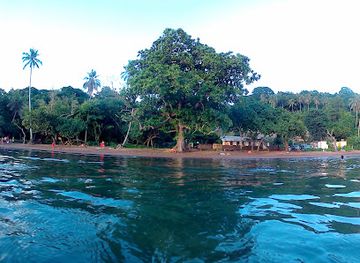
The archaeological site of Acoua is the commune’s defining landmark, with its remains documenting a medieval Muslim settlement and the island’s place in Indian Ocean networks. Its importance is historical rather than monumental: the ruins connect present-day Mayotte with earlier communities that traded, worshipped and lived along the western Indian Ocean. The village mosques are also significant cultural landmarks, expressing the continuing role of Islam in local identity and daily life; visitors should treat them as active religious spaces rather than tourist monuments. Acoua’s coastal setting forms another defining feature, with the relationship between village, hillside and lagoon shaping the settlement’s character. Unlike a city dominated by palaces or civic squares, Acoua presents its heritage through archaeological ground, religious architecture and an inhabited landscape where older traditions remain part of contemporary community life.
-
Tourist attraction
Plage De Tanaraki
Experience the serenity and natural beauty of Plage De Tanaraki, a must-visit beach in M'Tsangamouji, Mayotte, perfect for relaxation and adventure.
13 min drive · 4.4 km from city centre
-
Restaurant
Le Choizil
Discover the flavors of Mayotte at Le Choizil, where delicious pizzas and creative cocktails meet a vibrant atmosphere.
12 min drive · 3.8 km from city centre
-
Produce market
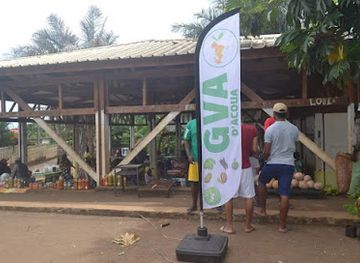
Marché agricole d'Acoua
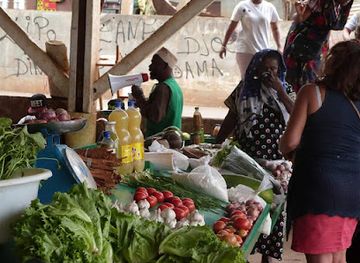
Experience the vibrant culture of Mayotte at Marché Agricole d'Acoua, a local market filled with fresh produce, flavors, and friendly faces.
4 min walk · 0.4 km from city centre
-
 Mosque
Grande Mosquée d'Acoua
Discover the Grande Mosquée d'Acoua, an architectural gem in Mayotte reflecting the island's rich Islamic heritage and inviting tranquil contemplation.
5 min walk · 0.4 km from city centre
Explore Acoua on the map
Plan your Acoua trip on one map. See where the top attractions, landmarks, restaurants, bars and hotels are, find what's near where you're staying, and book hotels and experiences in a few clicks.
Best hotels in Acoua
Best restaurants in Acoua
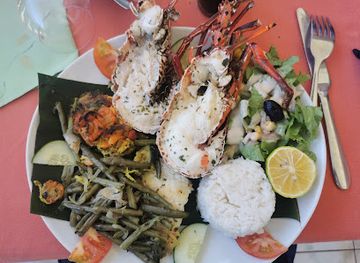
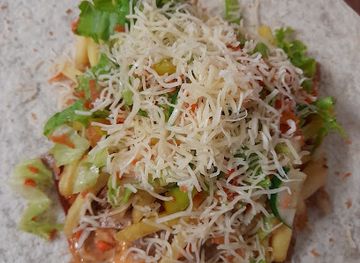
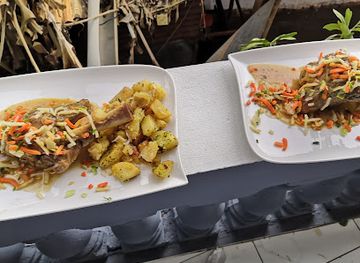
Acoua’s dining scene is modest and local, centred on home-style cooking, small eateries and food prepared within the community rather than a concentration of destination restaurants. Mayotte’s cuisine reflects Comorian, Malagasy, African, Indian and French influences, with rice, coconut, spices, grilled fish, chicken, cassava, plantain and seasonal fruit appearing frequently. Pilao, a spiced rice dish found across the Comoros, and samoussas are familiar regional flavours, while fresh seafood reflects the island’s maritime setting. Street-side snacks, market produce and informal meals may offer a closer connection to everyday life than formal dining rooms, but opening patterns and payment options can vary. Mamoudzou provides the broadest choice of restaurants and supplies, so visitors staying in Acoua should arrange meals, water and provisions in advance rather than expecting extensive evening service in the village.
-
Restaurant
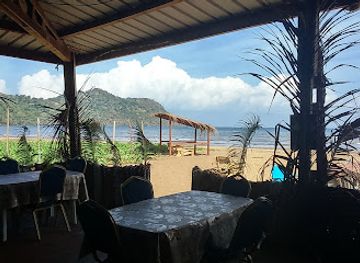
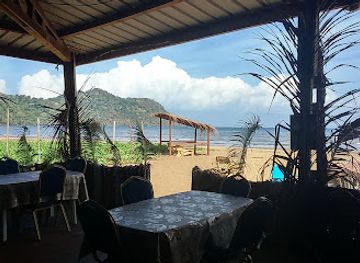
Restaurant La Marine
Experience authentic Mayotte cuisine at Restaurant La Marine, where local flavors meet stunning views in Acoua.
3 min walk · 0.3 km from city centre
-
Seafood
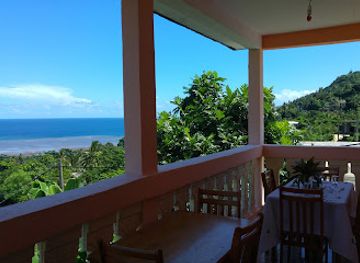
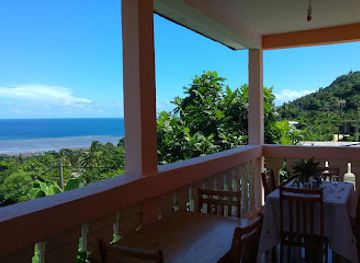
Les Orchidées
Experience exquisite seafood dining at Les Orchidées in Acoua, where fresh flavors meet stunning ocean views.
4 min walk · 0.3 km from city centre
-
Restaurant
Le Choizil
Experience the best of Mayotte's culinary scene at Le Choizil—where delicious pizzas and crafted cocktails await you.
12 min drive · 3.8 km from city centre
-
Restaurant
SAVEURS DES ILES & LE CHOIZIL
Discover authentic Mayotte flavors at Saveurs des Iles & Le Choizil – where culinary tradition meets vibrant atmosphere.
7 min drive · 2.2 km from city centre
Best bars in Acoua
Acoua is not a nightlife centre, and evenings are generally shaped by family life, religious observance and quiet socialising rather than clubs or a late bar scene. Visitors may find modest cafés or informal places to meet, but opening patterns and available services can be limited and should be checked locally. Alcohol is not central to public life, and respectful behaviour is particularly important in this predominantly Muslim community. After dark, the village and rural roads are better suited to low-key conversation and enjoying the night sky than to independent wandering, as lighting and transport may be limited. For organised evening entertainment, live music or a wider restaurant choice, Mamoudzou is the main urban reference point, although travelling back requires careful planning. Local festivals and community events can provide more culturally meaningful evening experiences when they are taking place.
-
Restaurant
Restaurant La Marine
Discover the authentic taste of Mayotte at Restaurant La Marine, where local flavors meet a welcoming ambiance in Acoua.
3 min walk · 0.3 km from city centre
-
Seafood
Les Orchidées
Experience the best of Mayotte's seafood at Les Orchidées, where fresh flavors meet stunning ocean views in a charming setting.
4 min walk · 0.3 km from city centre
-
Bar
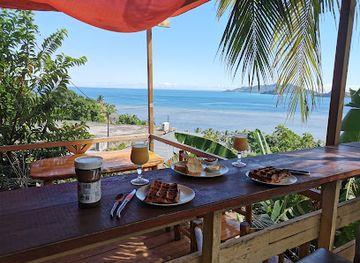
Coco Lodge Mayotte
Discover the vibrant blend of bar, restaurant, and bed & breakfast at Coco Lodge Mayotte, where local flavors and warm hospitality await you.
8 min drive · 2.6 km from city centre
-
Restaurant
Le Choizil
Discover the tantalizing tastes of Mayotte at Le Choizil, where delicious pizzas and refreshing cocktails await in a warm and inviting atmosphere.
12 min drive · 3.8 km from city centre
Best nightclubs in Acoua
Acoua is not a nightlife centre, and evenings are generally shaped by family life, religious observance and quiet socialising rather than clubs or a late bar scene. Visitors may find modest cafés or informal places to meet, but opening patterns and available services can be limited and should be checked locally. Alcohol is not central to public life, and respectful behaviour is particularly important in this predominantly Muslim community. After dark, the village and rural roads are better suited to low-key conversation and enjoying the night sky than to independent wandering, as lighting and transport may be limited. For organised evening entertainment, live music or a wider restaurant choice, Mamoudzou is the main urban reference point, although travelling back requires careful planning. Local festivals and community events can provide more culturally meaningful evening experiences when they are taking place.
-
Seafood
Les Orchidées
Discover the exquisite flavors of the sea at Les Orchidées, a top seafood restaurant in Acoua, Mayotte – where every dish tells a story.
4 min walk · 0.3 km from city centre
-
Restaurant
Le Choizil
Discover an exquisite dining experience at Le Choizil in Mtsamboro, featuring delightful pizzas and refreshing cocktails in a friendly atmosphere.
12 min drive · 3.8 km from city centre
-
Restaurant
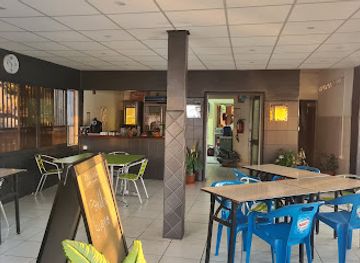
Le M'Acoua
Experience the vibrant flavors of West African cuisine at Le M'Acoua, a culinary treasure in Mayotte.
4 min walk · 0.3 km from city centre
-
Restaurant
Mayra Snack Discothèque
Experience the vibrant blend of local cuisine and nightlife at Mayra Snack Discothèque in Acoua, Mayotte, a must-visit for every traveler.
5 min walk · 0.4 km from city centre
Best shops in Acoua
Shopping in Acoua is practical and community-based rather than organised around a large retail district. Small local shops provide everyday provisions, while informal sellers and markets may offer fruit, vegetables, spices, snacks and other products from Mayotte’s agricultural and coastal economy. The island’s distinctive crafts can include woven items, jewellery, woodwork and textiles, although selection and availability vary by village and season. Visitors should distinguish locally made goods from imported souvenirs and ask politely about materials and provenance. For a wider choice of handicrafts, clothing, food products and formal retailers, Mamoudzou is the main shopping centre on Grande-Terre. Travellers heading to Acoua should obtain specialist supplies, cash and substantial provisions before leaving the larger urban areas, since the commune’s retail offer is designed primarily for residents rather than extensive visitor shopping.
-
Truck stop
CARREFOUR ADOBE
Discover the flavors of Mayotte at Carrefour Adobe, a unique truck stop offering local cuisine and a cozy atmosphere for travelers.
7 min walk · 0.5 km from city centre
-
Supermarket
Douka Bé Acoua
Discover the vibrant flavors of Mayotte at Douka Bé Acoua, your go-to supermarket for local delights and everyday essentials.
3 min walk · 0.2 km from city centre
-
Produce market
Marché agricole d'Acoua
Discover the lively Marché Agricole d'Acoua, a vibrant produce market in Acoua, Mayotte, brimming with fresh local flavors and rich culture.
4 min walk · 0.4 km from city centre
-
Grocery store
chez Ayel alimentation general
Explore the vibrant flavors of Mayotte at Chez Ayel Alimentation General, your go-to grocery store for local delights and fresh produce.
4 min walk · 0.3 km from city centre
Get your free copy of our complete guide to Acoua, delivered straight to you.
Everything on this page, from attractions and restaurants to essentials and local phrases, in one PDF you can read offline, print or share.
Already have an account? Sign in
Your Acoua guide is ready.
We'll send it to · Not you? Sign out

Getting your guide ready…
We are putting together a fresh copy of the Acoua guide. This can take up to a minute.
This can take a few moments. If your browser asks, choose Allow so the download can start. You'll find the guide in your Downloads folder.
Nothing happened? Download it again
Sorry, the guide is taking longer than usual. Please try again in a minute, or get it by email instead.
Acoua essentials
Currency and Payment
Safety
Emergency Situations
Do's and Don'ts
Local Tips
From Eve
Local phrases worth knowing
You don't need to get them perfect. A few words go a long way, and locals appreciate the effort.
Basics
| English | Local | Say it |
|---|---|---|
| Hello | Salam | [sa-laam] |
| Goodbye | Salam | [sa-laam] |
| Yes | Eeh | [e-eh] |
| No | Tsi | [tsee] |
| Please/You're welcome | Abaraka | [a-ba-ra-ka] |
| Thank you | Shukran | [shuk-ran] |
| Excuse me/Sorry | Samahani | [sa-ma-ha-ni] |
| How are you? | Mahababa? | [ma-ha-ba-ba] |
| Fine. And you? | Salama. Na wewe? | [sa-la-ma. na we-we] |
| Do you speak English? | Unaongea Kiingereza? | [u-na-on-ge-a king-ge-re-za] |
| I don't understand | Sielewi | [sie-le-wi] |
Eating & Drinking
| English | Local | Say it |
|---|---|---|
| I'd like to see the menu, please | Ningependa kuona menyu, tafadhali | [ning-ge-pen-da ku-o-na men-yu, ta-fa-dha-li] |
| I don't eat meat | Mimi si kula nyama | [mi-mi si ku-la nya-ma] |
| Cheers! | Kwa afya! | [kwa af-ya] |
| I would like to pay, please | Ningependa kulipa, tafadhali | [ning-ge-pen-da ku-li-pa, ta-fa-dha-li] |
Emergencies
| English | Local | Say it |
|---|---|---|
| Help! | Msaada! | [msa-a-da] |
| Go away! | Nenda zako! | [nen-da za-ko] |
| Call the Police! | Piga Polisi! | [pi-ga po-li-si] |
| Call a doctor! | Piga daktari! | [pi-ga dak-ta-ri] |
| I'm lost | Nimepotea | [ni-me-po-te-a] |
| I'm ill | Ninaumwa | [ni-na-um-wa] |
Shopping
| English | Local | Say it |
|---|---|---|
| I'd like to buy... | Ningependa kununua... | [ning-ge-pen-da ku-nu-nua] |
| I'm just looking | Natazama tu | [na-ta-za-ma tu] |
| How much is it? | Bei ni kiasi gani? | [bei ni kia-si ga-ni] |
| That's too expensive | Hiyo ni ghali sana | [hi-yo ni gha-li sa-na] |
| Can you lower the price? | Unaweza kupunguza bei? | [u-na-we-za ku-pun-gu-za bei] |
Time & Numbers
| English | Local | Say it |
|---|---|---|
| What time is it? | Ni saa ngapi? | [ni saa nga-pi] |
| It's one o'clock | Ni saa moja | [ni saa mo-ja] |
| Half past (10) | Saa kumi na nusu | [saa ku-mi na nu-su] |
| Morning | Asubuhi | [a-su-bu-hi] |
| Afternoon | Mchana | [mcha-na] |
| Evening | Jioni | [jo-ni] |
| Yesterday | Jana | [ja-na] |
| Today | Leo | [le-o] |
| Tomorrow | Kesho | [ke-sho] |
| 1 | Moja | [mo-ja] |
| 2 | Mbili | [m-bi-li] |
| 3 | Tatu | [ta-tu] |
| 4 | Nne | [n-ne] |
| 5 | Tano | [ta-no] |
| 6 | Sita | [si-ta] |
| 7 | Saba | [sa-ba] |
| 8 | Nane | [na-ne] |
| 9 | Tisa | [ti-sa] |
| 10 | Kumi | [ku-mi] |
Transport & Directions
| English | Local | Say it |
|---|---|---|
| Where's a/the...? | Iko wapi...? | [i-ko wa-pi] |
| What's the address? | Anwani ni ipi? | [an-wa-ni ni i-pi] |
| Can you show me (on the map)? | Unaweza kunionyesha (kwenye ramani)? | [u-na-we-za ku-nio-nye-sha (kwe-nye ra-ma-ni)] |
| When's the next (bus)? | Basi lijalo ni saa ngapi? | [ba-si li-ja-lo ni saa nga-pi] |
| A ticket (to ....) | Tiketi (kwenda ....) | [ti-ke-ti (kwen-da)] |
History of Acoua
Indian Ocean Settlement and Exchange
Acoua’s earliest history belongs to the wider settlement of the Comoro archipelago and the western Indian Ocean. Mayotte was drawn into maritime networks linking Madagascar, the African coast, the Comoros and trading communities farther north. These routes carried people, languages, religious ideas and goods, while the island’s sheltered waters provided places for coastal settlement. The surviving archaeological evidence at Acoua is especially valuable because it shows that the north-west of Grande-Terre was not isolated, but connected to a seaborne world whose influences shaped Mayotte’s later cultural identity.
The Medieval Muslim Settlement
Archaeological research at Acoua has identified the remains of a medieval Muslim settlement, generally dated to the second millennium and associated with the broader period of Swahili and Comorian maritime exchange. Evidence from the site points to an established community rather than a temporary anchorage, with religious and domestic structures reflecting an Islamised coastal society. Its significance lies in the way it connects local history to the western Indian Ocean: Acoua formed part of a network in which commerce, seafaring and Islamic scholarship travelled between islands and continental shores. The remains are therefore an important record of Mayotte before French rule.
Sultanates and Comorian Connections
In the early modern period, Mayotte’s communities were influenced by the political and cultural world of the Comoros, where local leaders, Islamic institutions and dynastic alliances shaped authority. Power was not always centralised, and relationships between villages, chiefs and wider island rulers could change over time. Acoua’s location on the north-west coast placed it within these regional connections, while its religious traditions remained tied to the Comorian cultural sphere. Arabic-derived vocabulary, Islamic customs and links across the sea continued to influence everyday life even as European involvement in the archipelago increased.
French Rule and Colonial Transformation
France took possession of Mayotte in 1841 after an agreement with the island’s sultan, beginning a new political era. Colonial administration gradually altered landholding, trade, education and the organisation of local government, although village society and Islamic institutions remained important. Mayotte was administered within the French colonial system alongside the other Comorian islands, but its political trajectory increasingly diverged from them. In Acoua, as elsewhere on Grande-Terre, the effects of colonial rule were experienced through changing authority, agricultural activity, public services and connections with the administrative centre.
Departmental Mayotte and Contemporary Acoua
After the Second World War, Mayotte’s constitutional relationship with France developed differently from that of the other Comorian islands. A referendum in 1974 and subsequent political decisions kept Mayotte under French administration, while the territory gradually acquired greater integration with France. Mayotte became an overseas department and region in 2011, bringing new administrative responsibilities alongside continuing social and economic challenges. Contemporary Acoua reflects this layered history: French public institutions operate beside Comorian language and customs, and Muslim religious life remains central to the identity of the commune.
Acoua in Photos
Browse through our photo collection highlighting the charm and character of the destination.
Cities near Acoua
The closest cities to Acoua, if you have time for more than one stop.
-

-

-

-

-


Swipe for more cities
Explore more

Explore more of Mayotte
Discover Mayotte, the untouched paradise of the Indian Ocean, where stunning beaches, vibrant marine life, and a unique cultural blend await you.
Explore Mayotte