

Barrio Antiguo (Monterrey) Travel Guide - Free
Explore Barrio Antiguo in Monterrey with Evendo's free guide. Find the best shops, historic streets, restaurants, and gems on web or mobile.


Barrio Antiguo in Monterrey blends colonial streets, historic chapels, museums, cafés and lively nightlife beside the Macroplaza and Santa Lucía.
Colonial Streets and Urban Memory
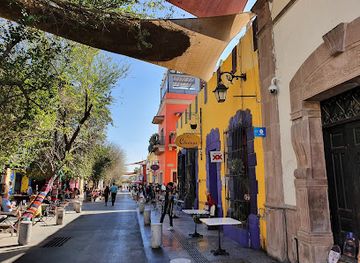
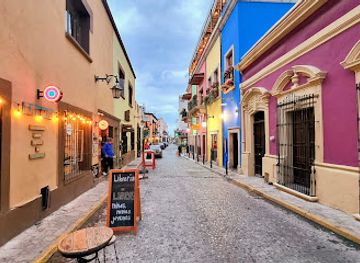
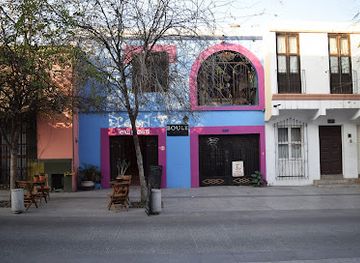
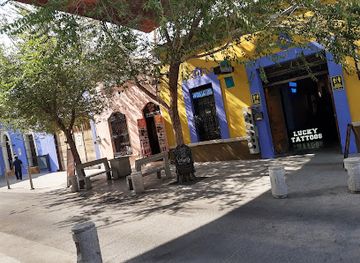
Barrio Antiguo is Monterrey’s old quarter, a compact area of low-rise streets, weathered façades and restored colonial-era houses immediately east of the Macroplaza. Its character is best understood on foot: narrow lanes and quieter residential corners meet the busier Calle Morelos, while old buildings reveal the scale of the city before modern Monterrey expanded into a major industrial centre. The neighbourhood grew around the early settlement founded beside the Santa Catarina River, and its surviving houses preserve a visual link with the city’s Spanish colonial and nineteenth-century past.Read more about Barrio Antiguo
Museums, Chapels and Public Squares
Daytime Calm, Evening Energy
Best attractions in Barrio Antiguo
Barrio Antiguo rewards slow exploration rather than a checklist of large attractions. Its most important sights include the Capilla de los Dulces Nombres, an eighteenth-century chapel with a modest historic presence, and the Museo Estatal de Culturas Populares, where exhibitions introduce visitors to folk art and cultural traditions from Nuevo León and elsewhere in Mexico. The surrounding streets are attractions in their own right, with low-rise façades, old doors, courtyards and occasional galleries occupying buildings from Monterrey’s historic centre. At the neighbourhood’s edges, the Macroplaza, Museo de Historia Mexicana and Paseo Santa Lucía extend the walk into the wider central district, but they should be described as nearby rather than as part of every Barrio Antiguo street. The appeal lies in the contrast between preserved domestic architecture, cultural reuse and the lively evening activity that has developed in selected blocks.
-
Art museum
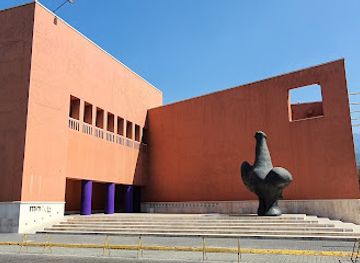
Museum of Contemporary Art of Monterrey
Explore the dynamic realm of contemporary art at the Museum of Contemporary Art of Monterrey, where creativity knows no bounds and innovation thrives.
4 min walk · 0.4 km from neighbourhood centre
-
Historical landmark
Barrio Antiguo
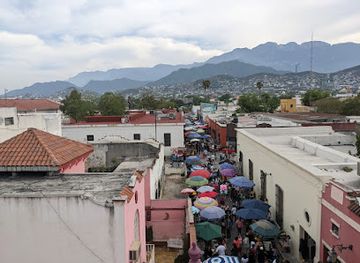
Explore the vibrant streets of Barrio Antiguo, Monterrey's historic district, filled with culture, dining, and nightlife.
2 min walk · 0.1 km from neighbourhood centre
Best landmarks in Barrio Antiguo
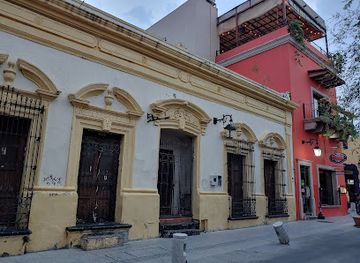
The Capilla de los Dulces Nombres is Barrio Antiguo’s most recognisable religious landmark, an eighteenth-century building that preserves the scale and devotional character of Monterrey’s early central settlement. The historic Casa del Campesino, now home to the Museo Estatal de Culturas Populares, represents another important layer of the neighbourhood’s built heritage and its continuing cultural use. Across the surrounding streets, thick masonry walls, simple façades, timber doors and inward-facing courtyards form a collective landmark rather than a single monument. The Macroplaza and its major civic and museum buildings stand immediately nearby, helping visitors understand the old quarter’s position within modern central Monterrey, but they are not interchangeable with Barrio Antiguo’s smaller domestic architecture. Together these structures show how the district moved from residential and religious core to preserved historic quarter and cultural-entertainment area.
-
Restaurant
Mercado Barrio Antiguo
Discover the culinary treasures of Mercado Barrio Antiguo, Monterrey's vibrant food market, where local flavors and rich culture come alive.
3 min walk · 0.2 km from neighbourhood centre
-
Restaurant
Rockafella
Experience the vibrant culture of Monterrey at Rockafella, a lively restaurant and bar offering delicious food and live music in the heart of Barrio Antiguo.
1 min walk · 0.1 km from neighbourhood centre
-
Historical landmark
Barrio Antiguo
Discover the vibrant history and culture of Monterrey at Barrio Antiguo, a lively district filled with art, dining, and nightlife.
2 min walk · 0.1 km from neighbourhood centre
-
Market
Corredor del Arte
Discover the vibrant Corredor del Arte in Monterrey, a lively market showcasing local art, culture, and culinary delights in the heart of Barrio Antiguo.
1 min walk · 0.1 km from neighbourhood centre
Explore Barrio Antiguo on the map
A handpicked selection of must-see spots in Barrio Antiguo, mapped for you.
Best hotels in Barrio Antiguo
Best restaurants in Barrio Antiguo
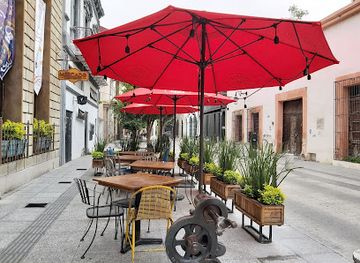
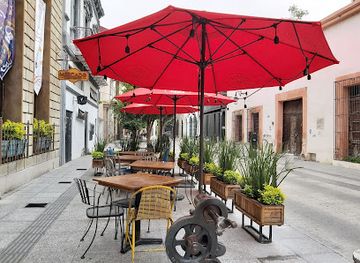
Dining in Barrio Antiguo is shaped by its compact historic setting and its proximity to the wider Centro, with cafés, casual restaurants and bars occupying restored or adapted older buildings. Visitors will find places suited to a daytime coffee, a relaxed meal or an evening gathering, together with the northern Mexican flavours found across Monterrey, including grilled meats, flour tortillas and regional specialities. The district is not a single food market or dedicated culinary enclave, so the experience is more about moving between small venues and pairing a meal with a walk through the old streets. Calle Morelos and the surrounding central streets provide further choices, though restaurant concentrations and individual businesses change over time. For a more traditional local meal, look beyond decorative historic interiors and ask staff about regional dishes, distinguishing Barrio Antiguo venues from the larger dining scene of central Monterrey.
-
Grill
The Horde Bar Arcade
Discover The Horde Bar Arcade in Monterrey – where grilling meets gaming for an unforgettable night out.
3 min walk · 0.3 km from neighbourhood centre
-
Restaurant
Mercado Barrio Antiguo
Discover the culinary delights at Mercado Barrio Antiguo in Monterrey – where local flavors meet vibrant culture.
3 min walk · 0.2 km from neighbourhood centre
-
Restaurant
Trece Lunas
Discover Trece Lunas in Monterrey: A delightful restaurant offering breakfast specialties, fast food favorites, and aromatic coffee in a cozy atmosphere.
2 min walk · 0.2 km from neighbourhood centre
-
Restaurant
Fonda El Limoncito
Experience authentic Mexican flavors at Fonda El Limoncito, where delicious meals meet live music in Monterrey's historic Barrio Antiguo.
3 min walk · 0.2 km from neighbourhood centre
Best bars in Barrio Antiguo
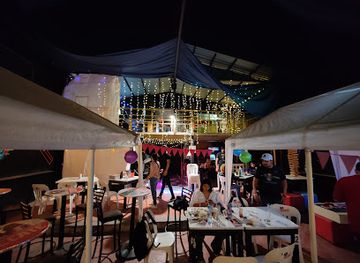
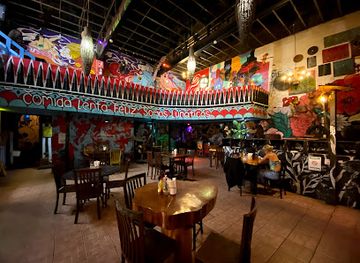
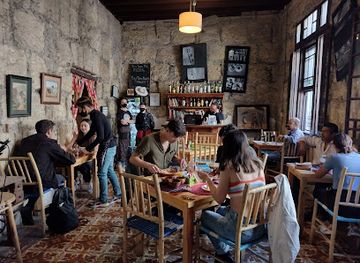
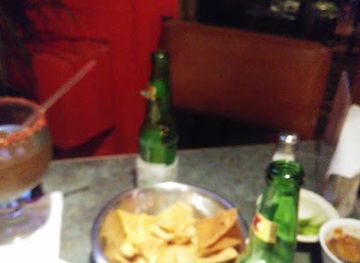
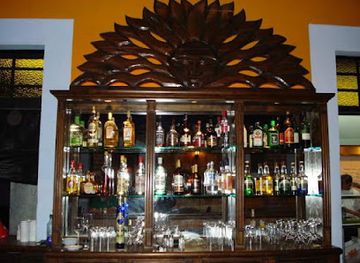
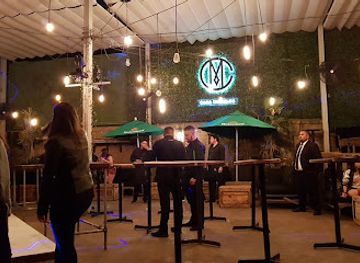
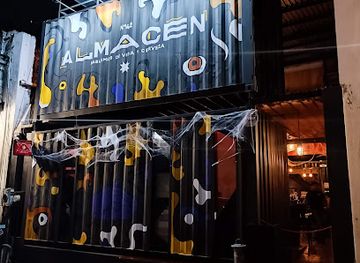
After dark, Barrio Antiguo becomes one of Monterrey’s best-known central areas for bars, live music and club-oriented nightlife, although activity is concentrated in particular streets rather than spread evenly across the whole neighbourhood. Café Iguana is a long-established name in the district’s alternative music scene, while other venues have changed over the years, making current listings worth checking locally. The evening atmosphere ranges from informal drinks in adapted historic houses to louder rooms with DJs or live performances. Visitors should expect later dining and entertainment hours than during the day, but should also remember that residential buildings remain close to nightlife venues. Keep belongings secure, check entry policies and arrange a reliable return journey, especially when moving between the busier streets and quieter parts of the historic quarter.
-
Bar
Café Iguana
Experience the lively atmosphere and vibrant nightlife at Café Iguana, Monterrey's iconic bar known for its live music and delicious cocktails.
2 min walk · 0.2 km from neighbourhood centre
-
Bar
Nandas 78 Bar Barrio Antiguo
Experience the vibrant nightlife of Monterrey at Nandas 78 Bar in Barrio Antiguo, where great drinks and a lively atmosphere await you.
3 min walk · 0.3 km from neighbourhood centre
-
Grill
Nueva Luna
Experience the vibrant flavors of Nueva Luna, a premier grill restaurant in Monterrey's historic Barrio Antiguo, blending tradition with modern culinary artistry.
4 min walk · 0.3 km from neighbourhood centre
-
Grill
Salón Morelos
Experience the vibrant flavors and lively atmosphere of Salón Morelos in Monterrey, where grilled delights meet a bustling bar scene.
2 min walk · 0.1 km from neighbourhood centre
Best nightclubs in Barrio Antiguo
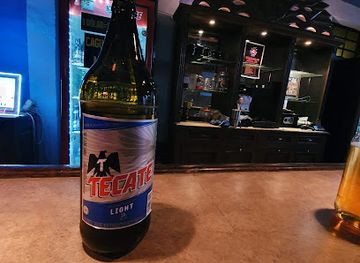
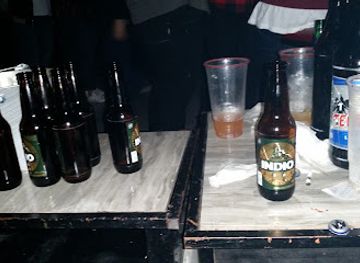
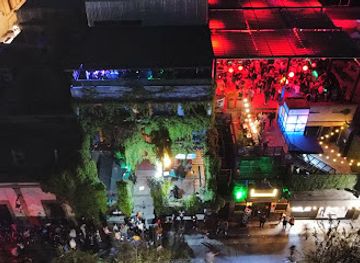
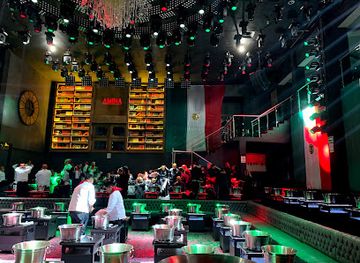
After dark, Barrio Antiguo becomes one of Monterrey’s best-known central areas for bars, live music and club-oriented nightlife, although activity is concentrated in particular streets rather than spread evenly across the whole neighbourhood. Café Iguana is a long-established name in the district’s alternative music scene, while other venues have changed over the years, making current listings worth checking locally. The evening atmosphere ranges from informal drinks in adapted historic houses to louder rooms with DJs or live performances. Visitors should expect later dining and entertainment hours than during the day, but should also remember that residential buildings remain close to nightlife venues. Keep belongings secure, check entry policies and arrange a reliable return journey, especially when moving between the busier streets and quieter parts of the historic quarter.
-
Disco club
ART STUDIOS
Experience the vibrant nightlife of Monterrey at ART STUDIOS, a lively disco club in the historic Barrio Antiguo.
3 min walk · 0.2 km from neighbourhood centre
-
Bar
Ambia Social Club
Discover the vibrant nightlife at Ambia Social Club, Monterrey's premier destination for dancing, cocktails, and unforgettable memories.
3 min walk · 0.2 km from neighbourhood centre
-
Night club
Casa Morelos
Discover the vibrant nightlife of Monterrey at Casa Morelos, where music, dance, and delicious drinks come together for an unforgettable experience.
2 min walk · 0.2 km from neighbourhood centre
-
Bar
La Borde
Experience the vibrant nightlife of Monterrey at La Borde, a lively bar in the historic Barrio Antiguo offering an eclectic drink menu and a welcoming atmosphere.
3 min walk · 0.2 km from neighbourhood centre
Best shops in Barrio Antiguo
Shopping in Barrio Antiguo is relatively small-scale and atmospheric rather than dominated by a large retail centre. Visitors may encounter independent boutiques, galleries, creative studios, speciality shops and businesses operating from renovated historic houses, with the precise mix changing as premises change hands. Calle Morelos, which runs through the wider historic-centre area, offers a broader range of everyday and visitor-oriented retail, while the surrounding lanes are better suited to browsing than to a dedicated shopping expedition. The Museo Estatal de Culturas Populares can provide context for Mexican craft traditions, although museum displays and cultural products should not be confused with a permanent market. Those seeking distinctive purchases should look for locally made art, design objects and craft items, ask about provenance, and compare the offerings of independent shops rather than expecting a single traditional market within the neighbourhood.
-
Handicraft
Colibrí, tienda artesanal (Antes la Luz del barrio)
Discover the vibrant artistry of Monterrey at Colibrí, where handcrafted treasures reflect Mexico's rich cultural heritage.
1 min walk · 0.1 km from neighbourhood centre
-
Gift shop
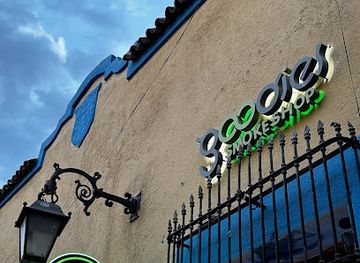
Smokeshop the GOODIES store (Suc. Old Town)
Explore Monterrey's rich culture through unique gifts and local treasures at Smokeshop the GOODIES Store in Barrio Antiguo.
2 min walk · 0.2 km from neighbourhood centre
-
Record store
The Vintage Store mx
Explore Monterrey's musical history at The Vintage Store MX, a beloved record store offering a wide selection of vinyl and music memorabilia.
2 min walk · 0.1 km from neighbourhood centre
-
Used book store
la tiendita del barrio antiguo
Explore an enchanting used book store in Monterrey's historic Barrio Antiguo, where literature and local art come together in a cozy atmosphere.
3 min walk · 0.3 km from neighbourhood centre
Barrio Antiguo essentials
Getting There
Getting Around
Safety
Emergency Situations
Do's and Don'ts
Local Tips

From Eve
Local phrases worth knowing
You don't need to get them perfect. A few words go a long way, and locals appreciate the effort.
Basics
| English | Local | Say it |
|---|---|---|
| Hello | Hola | [oh-lah] |
| Goodbye | Adiós | [ah-dee-ohs] |
| Yes | Sí | [see] |
| No | No | [noh] |
| Please/You're welcome | Por favor/De nada | [por fah-vor/de nah-dah] |
| Thank you | Gracias | [grah-syahs] |
| Excuse me/Sorry | Perdón/Lo siento | [pehr-dohn/loh see-ehn-toh] |
| How are you? | ¿Cómo estás? | [koh-moh ehs-tahs] |
| Fine. And you? | Bien. ¿Y tú? | [byen. ee too] |
| Do you speak English? | ¿Hablas inglés? | [ah-blahs een-glehs] |
| I don't understand | No entiendo | [noh ehn-tee-ehn-doh] |
Eating & Drinking
| English | Local | Say it |
|---|---|---|
| I'd like to see the menu, please | Me gustaría ver el menú, por favor | [meh goos-tah-ree-ah behr ehl meh-noo, por fah-vor] |
| I don't eat meat | No como carne | [noh koh-moh kahr-neh] |
| Cheers! | ¡Salud! | [sah-lood] |
| I would like to pay, please | Me gustaría pagar, por favor | [meh goos-tah-ree-ah pah-gahr, por fah-vor] |
Emergencies
| English | Local | Say it |
|---|---|---|
| Help! | ¡Ayuda! | [ah-yoo-dah] |
| Go away! | ¡Vete! | [veh-teh] |
| Call the Police! | ¡Llama a la policía! | [yah-mah ah lah poh-lee-see-ah] |
| Call a doctor! | ¡Llama a un médico! | [yah-mah ah oon meh-dee-koh] |
| I'm lost | Estoy perdido | [ehs-toy pehr-dee-doh] |
| I'm ill | Estoy enfermo | [ehs-toy ehn-fer-moh] |
Shopping
| English | Local | Say it |
|---|---|---|
| I'd like to buy... | Me gustaría comprar... | [meh goos-tah-ree-ah kohm-prahr...] |
| I'm just looking | Sólo estoy mirando | [soh-loh ehs-toy mee-rahn-doh] |
| How much is it? | ¿Cuánto cuesta? | [kwan-toh kweh-stah] |
| That's too expensive | Eso es muy caro | [eh-soh ehs mwee kah-roh] |
| Can you lower the price? | ¿Puede bajar el precio? | [pweh-deh bah-har ehl pree-syoh] |
Time & Numbers
| English | Local | Say it |
|---|---|---|
| What time is it? | ¿Qué hora es? | [keh oh-rah ehs] |
| It's one o'clock | Es la una | [ehs lah oo-nah] |
| Half past (10) | Las diez y media | [lahs d'yehs ee meh-dee-ah] |
| Morning | Mañana | [mah-nyah-nah] |
| Afternoon | Tarde | [tahr-deh] |
| Evening | Noche | [noh-cheh] |
| Yesterday | Ayer | [ah-yehr] |
| Today | Hoy | [oy] |
| Tomorrow | Mañana | [mah-nyah-nah] |
| 1 | Uno | [oo-no] |
| 2 | Dos | [dohs] |
| 3 | Tres | [trehs] |
| 4 | Cuatro | [kwah-troh] |
| 5 | Cinco | [seen-koh] |
| 6 | Seis | [seys] |
| 7 | Siete | [syeh-teh] |
| 8 | Ocho | [oh-choh] |
| 9 | Nueve | [nweh-veh] |
| 10 | Diez | [dyehs] |
Transport & Directions
| English | Local | Say it |
|---|---|---|
| Where's a/the...? | ¿Dónde está...? | [dohn-deh ehs-tah] |
| What's the address? | ¿Cuál es la dirección? | [kwal ehs lah dee-rehk-syohn] |
| Can you show me (on the map)? | ¿Puedes mostrarme (en el mapa)? | [pweh-dehs mohs-trahr-meh (ehn ehl mah-pah)] |
| When's the next (bus)? | ¿Cuándo es el próximo (autobús)? | [kwan-doh ehs ehl proh-ksee-moh (ow-toh-boos)] |
| A ticket (to ....) | Un boleto (a ...) | [oon boh-leh-toh (ah ...)] |
History of Barrio Antiguo
The Settlement of Monterrey
Barrio Antiguo occupies part of the area associated with the earliest urban settlement of Monterrey, founded in 1596 by Diego de Montemayor as Ciudad Metropolitana de Nuestra Señora de Monterrey. The settlement developed near the Santa Catarina River, whose water and floodplain shaped movement, cultivation and later urban form. Early Monterrey remained small and vulnerable to periodic flooding, but the central area gradually acquired homes, religious foundations and civic functions. The neighbourhood’s present-day identity comes less from a single preserved colonial plan than from the survival of houses and street patterns that recall this first urban core.
Houses of the Historic Core
As Monterrey became more established during the eighteenth and nineteenth centuries, the central quarter filled with domestic buildings, workshops and religious institutions. Many surviving structures associated with Barrio Antiguo use thick masonry walls, inward-looking courtyards and restrained façades suited to the region’s hot, dry climate and periods of insecurity. The Capilla de los Dulces Nombres dates from the eighteenth century and is among the clearest reminders of the neighbourhood’s religious past. These buildings formed part of an active town rather than a museum district, accommodating families, commerce and everyday work close to Monterrey’s civic centre.
Industrial Monterrey and Urban Change
During the late nineteenth and twentieth centuries, Monterrey’s industrial growth transformed the scale and economy of the wider city. New factories, rail connections and expanding residential districts shifted attention away from the old central quarter, while changes in household patterns and commercial activity left some historic buildings neglected. Barrio Antiguo nevertheless remained an important concentration of older architecture near the city centre. The contrast between its modest low-rise houses and the larger civic and industrial city that grew around them helps explain why the area became important to later preservation efforts.
Restoration and Cultural Reuse
From the late twentieth century, municipal and private initiatives increasingly focused on restoring the historic centre and adapting old buildings for cultural, commercial and entertainment uses. Barrio Antiguo acquired a renewed public profile through galleries, cafés, bars and cultural venues, while buildings such as the Casa del Campesino gained new institutional roles, including the Museo Estatal de Culturas Populares. This revival brought visitors and evening activity, but it also created the familiar tension between nightlife, heritage conservation and residential life. Today the district is neither a perfectly preserved colonial enclave nor simply a nightlife zone; its identity rests on the coexistence of both.
Barrio Antiguo in Photos
Browse through our photo collection highlighting the charm and character of the destination.
Neighbourhoods near Barrio Antiguo
The closest neighbourhoods to Barrio Antiguo, if you have time for more than one stop.
-

-
-

-


Swipe for more neighbourhoods
Explore more
Explore more of Monterrey
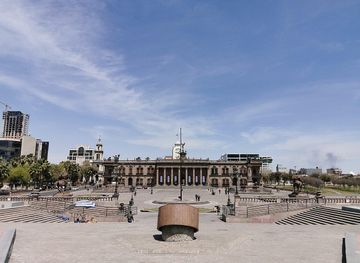
Monterrey, Mexico pairs Sierra Madre landscapes with industrial heritage, Macroplaza landmarks, museums, northern cuisine and lively cultural experiences.
Explore Monterrey