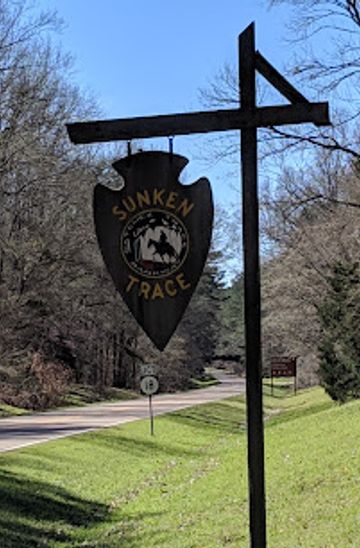
Sunken Trace: A Walk Through History
Step back in time on the Natchez Trace Parkway and experience the deeply eroded Sunken Trace, a testament to early American travel.
The Sunken Trace offers a tangible glimpse into the arduous journeys of early travelers along the Natchez Trace. This deeply eroded path, carved by centuries of foot traffic, livestock, and wagons, vividly illustrates the challenges faced by those who traversed the Old Southwest.
A brief summary to Sunken Trace
- Port Gibson, Mississippi, 39150, US
- Click to display
- Click to display

Know before you go
Hi, I'm Eve. Here are a few practical things to know before exploring Sunken Trace.
- Wear comfortable shoes for walking on the natural, uneven path of the Sunken Trace.
- Bring insect repellent, especially during warmer months, as mosquitoes can be prevalent.
- Allow at least 30 minutes to fully experience the site and take in the historical atmosphere.
Do you manage this location?
Take control to get all the benefits, like improved information, better appearance, and stronger visibility across AI-powered discovery. Learn more
Activate your presence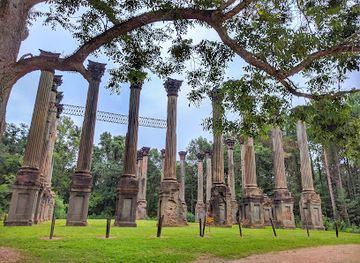
Getting There
-
Driving
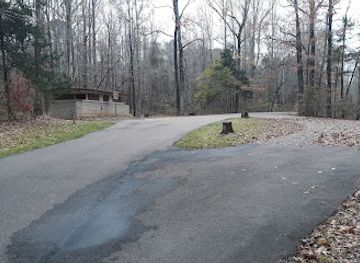
The Sunken Trace is located on the Natchez Trace Parkway at milepost 41.5, near Port Gibson, MS. From Port Gibson, take US-61 N, then merge onto the Natchez Trace Parkway. The site will be on your right. Parking is available at the pull-off.
-
Walking
From the parking area at milepost 41.5, the Sunken Trace is a short walk from the information sign. The trail forms an oval loop, allowing you to explore a preserved segment of the Old Trace.
Discover more about Sunken Trace
Explore the best of what Sunken Trace has to offer















More about The Natchez District
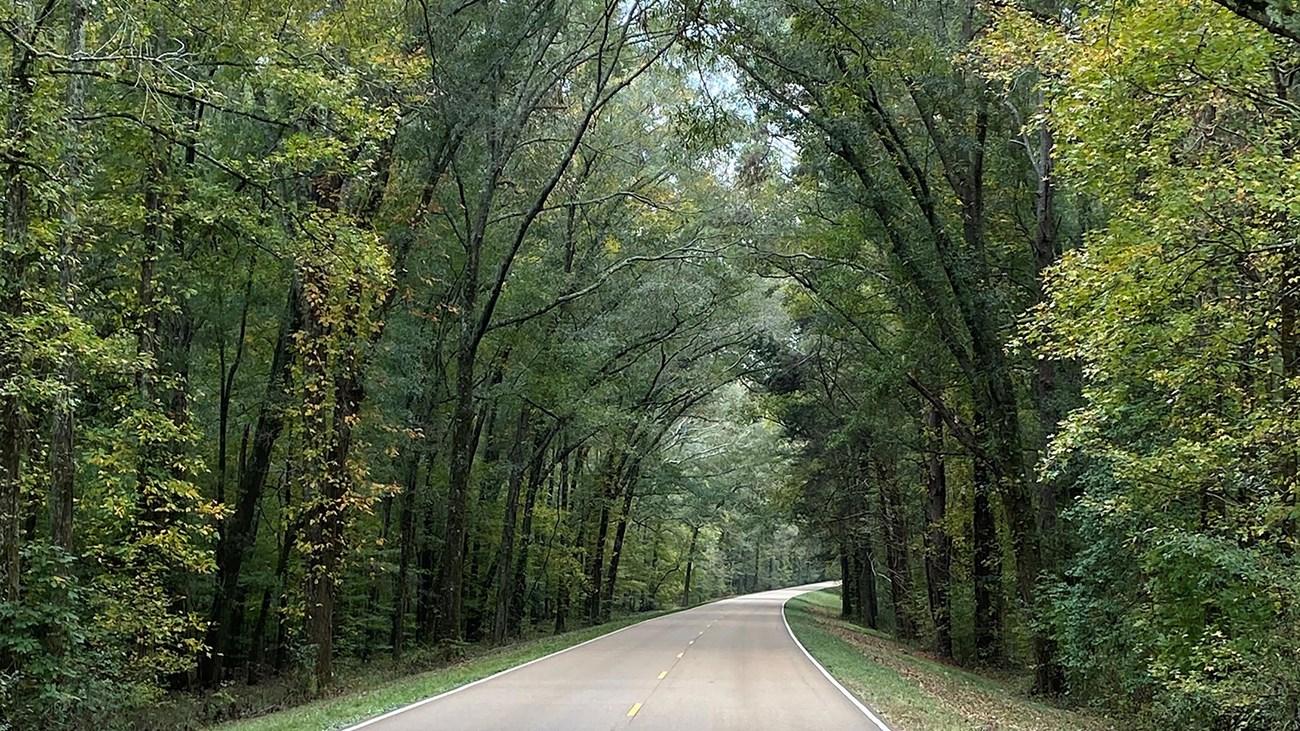
Discover the timeless beauty and rich history of the Natchez District in Mississippi, where antebellum architecture, scenic landscapes, and vibrant culture come together.
Tell me more about The Natchez District
Explore The Towers of Natchez, a historic mansion showcasing architectural grandeur and rich history in the heart of Natchez, Mississippi.

Explore the haunting beauty of Windsor Ruins, a historical landmark in Mississippi that offers a glimpse into the grandeur of the antebellum South.