Background

Rudi Monastery: A Moldavian Spiritual Haven

Discover spiritual serenity at Rudi Monastery, a historic Moldavian treasure nestled in a picturesque landscape near the Dniester River.

4.8

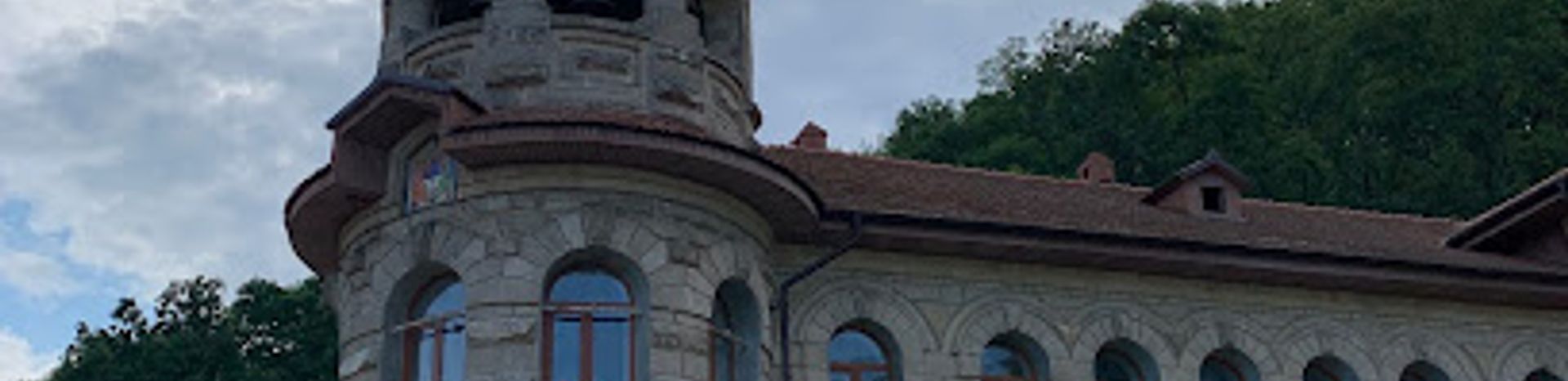
Nestled in the picturesque Rudi-Arionesti landscape near the Dniester River, Rudi Monastery is one of Moldova's oldest monastic complexes. Founded in 1777, the Holy Trinity Church showcases traditional Moldavian architectural style and offers a serene escape.

A brief summary to Rudi Monastery

Local tips

  • Dress modestly when visiting the monastery; it is a functioning religious site.
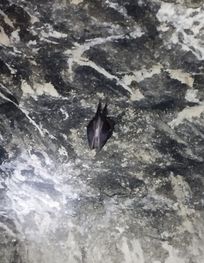
  • Explore the natural surroundings, including the nearby cave and nature reserve.
  • Visit in the spring or fall for mild weather and vibrant scenery.
  • Take your time to wander the gardens and pathways for a peaceful experience.
widget icon

Getting There

  • Bus and Taxi

    From Chisinau, take a bus to Soroca Bus Station. From Soroca, a taxi is the most convenient way to reach Rudi, approximately a 40-minute drive. Alternatively, take a bus from Soroca to Vama Otaci, followed by a taxi to Rudi. The bus journey from Chisinau to Soroca takes around 2.5 to 4.5 hours. Taxi fare from Soroca to Rudi typically costs between $11 and $14. Bus fare from Chisinau to Soroca ranges from $24 to $35.

  • Driving

    Driving from Chisinau to Rudi is straightforward, taking approximately 3 hours. Follow route E583 northbound and look for local signs to Rudi. The drive covers a distance of about 193 km. Parking is available near the monastery. Expect fuel costs of approximately $27-$39 for a round trip.

Unlock the Best of Rudi Monastery

Buy tickets

    No tickets available

Book tours with entry

    No tours available

Book tours without entry

    No tours available

Discover more about Rudi Monastery

Rudi Monastery, also known as Mănăstirea Rudi, is a serene sanctuary located approximately 200 km north of Chisinau in the village of Rudi, Dondușeni District. The monastery is situated in a picturesque setting, amidst verdant forests and rolling hills near the Dniester River. This location is celebrated for its natural beauty and historical significance, offering visitors a peaceful retreat. Founded in 1777, with the blessing of Bishop Inochentie of Husi, the monastery's construction was financed by the brothers Andronachi and Teodor Rudea, with additional support from the merchant Donciu of Movilău. The Holy Trinity Church, completed that same year, exemplifies traditional Moldavian religious architecture, reminiscent of 16th and 17th-century Moldavian churches. Its design features thick walls and a unique architectural style. Throughout its history, Rudi Monastery has faced periods of closure and restoration. In 1846, it was temporarily closed and placed under the supervision of the local parish. It was reopened in 1921 with the support of Archbishop Visarion Puiu and was recognized as a historical monument. However, in 1948, Soviet authorities ordered its closure, and the complex was repurposed as an orphanage and later a children's hospital, with the Holy Trinity Church serving as a storage warehouse. In 1992, the monastery was revived when three monks resettled the site, leading to restoration efforts that continue to this day. Today, Rudi Monastery stands as a testament to Moldova's rich spiritual and architectural heritage, attracting tourists and pilgrims alike. Visitors can explore the monastery grounds, admire the architecture, and experience the tranquil atmosphere. The surrounding area also offers natural attractions, including a 100-meter-long cave with prehistoric remains, an exceptional nature reserve, and ancient fortresses.

Popular Experiences near Rudi Monastery

Popular Hotels near Rudi Monastery

Select Currency