

Free Soroca County Travel Guide & Mobile App
Explore Soroca County with free travel guides. Discover regional history, expert tips, proposed trips, and audio guides on web or mobile app.


Soroca County combines a medieval Dniester fortress, Moldovan riverside landscapes, village crafts and northern cultural heritage near Ukraine.
Read more about Soroca County
When is the best time to visit Soroca County?
Best: June–August · 25–26°C| Month | High (°C) | Rainfall (mm) |
|---|---|---|
| January | 1 | 32 |
| February | 3 | 29 |
| March | 9 | 35 |
| April | 16 | 43 |
| May | 21 | 54 |
| June (best) | 25 | 65 |
| July (best) | 26 | 57 |
| August (best) | 25 | 47 |
| September | 21 | 42 |
| October | 15 | 33 |
| November | 8 | 38 |
| December | 2 | 36 |
Getting to and around Soroca County
How to get there
Transportation
Destinations in Soroca County
Resorts, valleys and scenic spots worth a trip of their own.

Swipe for more destinations
Best attractions in Soroca County
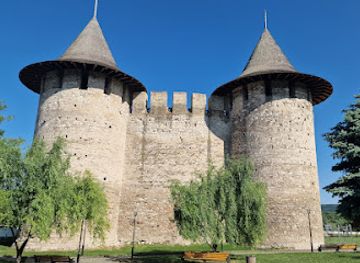
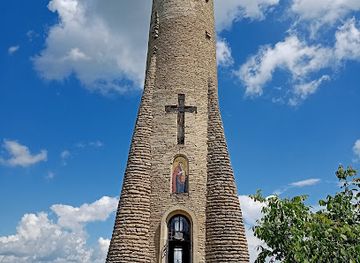
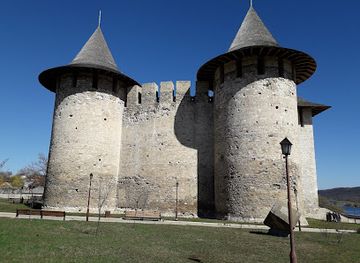
Soroca County’s attractions are concentrated around its historic riverside town and the villages of the Dniester hinterland. The principal visit is Soroca Fortress, whose compact stone walls and towers disclose the military importance of the river frontier in medieval Moldavia. In town, the Candle of Gratitude provides a high viewpoint over the Dniester valley, while local museums and historic streets offer context for the region’s changing administrations and communities. Beyond Soroca, the countryside is defined by agricultural landscapes, limestone outcrops, wooded slopes and village life rather than large commercial attractions. Cosăuți is notable for stone-working traditions and offers a chance to encounter a craft closely connected with local geology. Walking, photography, birdwatching and quiet riverside observation are appropriate ways to experience the landscape, although access can be informal and weather-dependent. Visitors interested in religious and social history can seek out churches, cemeteries and village architecture, treating each community with discretion. The region rewards a flexible itinerary, since some experiences depend on local introductions, road conditions and arrangements made before travelling.
-
Tourist attraction
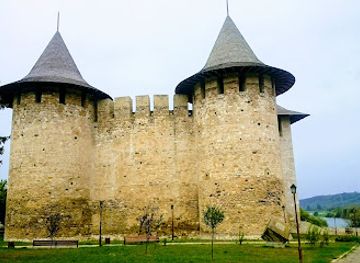
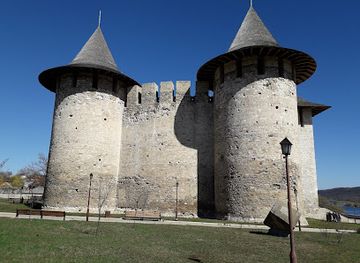
Soroca Fortress
Explore the rich history of Soroca Fortress, a stunning medieval castle overlooking the Dniester River, perfect for history enthusiasts and adventurers alike.
-
Tourist attraction
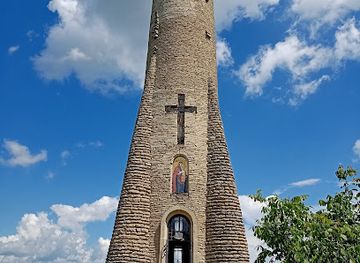
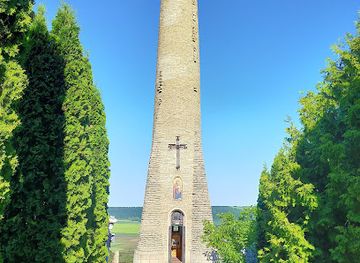
Candle of Gratitude
Explore the Candle of Gratitude in Soroca, Moldova, a monumental tribute to freedom and resilience, surrounded by stunning landscapes and rich history.
-
Museum
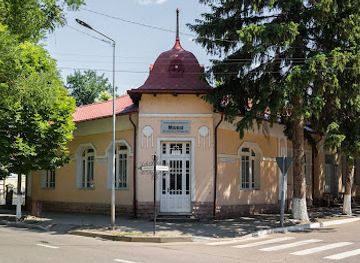
Muzeul de istorie si etnografie "Nicolae Bulat"
Explore Moldova's heritage at Muzeul de Istorie si Etnografie Nicolae Bulat, where history and culture come alive through captivating exhibits and artifacts.
-
Tourist attraction
Soroca Town
Explore the historical charm and natural beauty of Soroca, Moldova's captivating town with rich culture and breathtaking landscapes.
Best landmarks in Soroca County
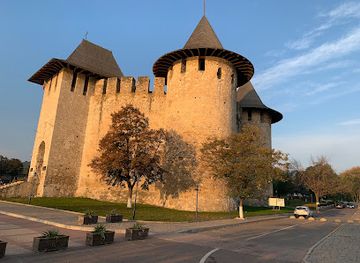
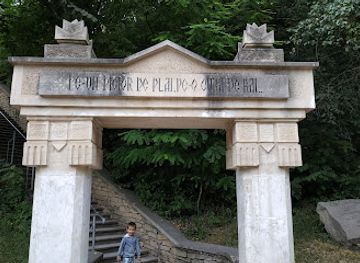
Soroca Fortress is the defining landmark of the county: a compact, near-circular masonry stronghold beside the Dniester, with regularly spaced towers that demonstrate the defensive engineering of sixteenth-century Moldavia. Its position above the river explains both its military role and its enduring visual power. The Candle of Gratitude, reached by a long stairway above Soroca, is a modern national memorial and one of the region’s most recognisable viewpoints; its elevated setting connects the town to the broad Dniester valley and the opposite bank in Ukraine. The Dniester itself is a geographical landmark, shaping the county’s eastern edge and providing the landscape against which Soroca’s history is understood. In Cosăuți, limestone quarries and stone-working traditions represent a different kind of heritage, where local geology has influenced architecture, memorial art and village livelihoods. Churches, historic cemeteries and surviving older buildings around Soroca add smaller, more personal landmarks to the town’s layered cultural landscape, though many are working or sacred places rather than formal monuments.
-
Castle
Soroca Fortress
Explore Soroca Fortress, a perfectly preserved medieval marvel on the Dniester River, embodying centuries of Moldovan history and resilience.
-
Tourist attraction
Candle of Gratitude
A towering monument in Soroca, Moldova, honoring the nation's cultural heritage and offering stunning views of the Dniester River.
-
Monastery
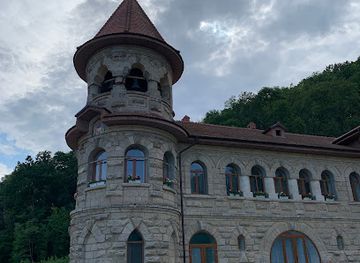
Rudi Monastery
Discover Rudi Monastery: A serene Moldovan sanctuary with rich history, stunning architecture, and breathtaking natural surroundings.
-
Cultural center
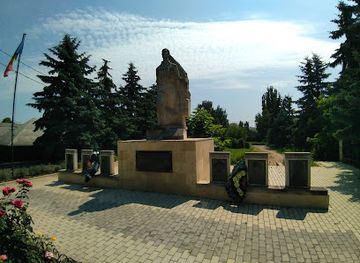
Palace of Culture
Experience Soroca's cultural heart at the Palace of Culture, a hub for local arts and community events.
Explore Soroca County on the map
Plan your trip on one map. See where the top cities, national parks and sights are, and book hotels and experiences in a few clicks.
Best hotels in Soroca County
Best restaurants in Soroca County
Dining in Soroca County reflects northern Moldovan home cooking more than a highly specialised restaurant circuit. Soroca’s cafés and restaurants commonly draw on dishes such as soups, stuffed vegetables, placinte filled with cheese or fruit, maize-based mămăligă, grilled meats, pickled vegetables and seasonal salads. Placinte and other baked goods are useful choices for informal meals, while local produce is most visible in markets and family-run settings. Moldovan wine is part of the wider national food culture, and visitors may also encounter fruit preserves, compotes and spirits made from orchard produce. Around the Dniester, fish may appear on menus, but it should not be assumed that every riverside establishment specialises in it. Rural meals are best arranged in advance where available, particularly when visiting villages or craft communities. Tipping is not a fixed regional custom, but a modest amount for attentive service is acceptable. Menus may be in Romanian or Russian, and smaller establishments may have limited card facilities, so cash and patience remain useful.
-
Castle
Soroca Fortress
Explore Soroca Fortress: A Stunning Castle Steeped in History Overlooking the Dniester River in Moldova.
-
Tourist attraction
Candle of Gratitude
Discover Soroca's Candle of Gratitude - A Monument Celebrating Sacrifice and Resilience Amidst Scenic Beauty.
-
Restaurant
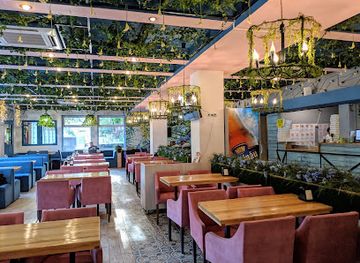
Salat
Experience authentic Moldovan cuisine at Salat in Soroca - a culinary haven for tourists seeking delicious local flavors.
-
Restaurant
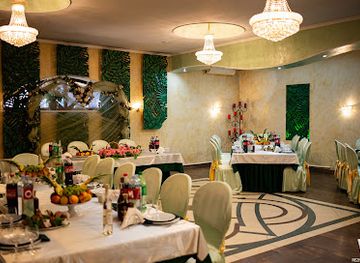
Briz
Experience the best of Moldovan cuisine at Briz in Soroca, where tradition meets flavor in every dish.
Best bars in Soroca County
Soroca’s evening life is modest and primarily local, centred on cafés, restaurants, traditional bars and occasional live entertainment rather than a large nightclub district. The town is the natural focus for after-dark dining and socialising, while villages generally become quiet after the evening meal. Beer, Moldovan wine, coffee and informal conversation are more characteristic of the region than an extensive late-night scene. Some restaurants or event venues may host music at weekends or during private celebrations, but arrangements and opening patterns can change. Visitors should confirm current details locally instead of relying on old listings. The riverside and fortress area are best enjoyed as early-evening walking settings, with care taken after dark because lighting and pedestrian facilities may be limited. Alcohol is not necessary to participate in local life, and respectful behaviour is particularly important in smaller communities where entertainment venues also serve residents.
-
Restaurant
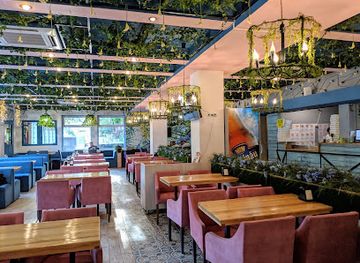
Salat
Experience the rich culinary heritage of Moldova at Salat, a charming restaurant in Soroca offering authentic local flavors and a warm atmosphere.
-
Brewery
Rockscor Brewery
Experience the best of Moldova at Rockscor Brewery, where craft beer meets culinary delight in a cozy setting.
-
Restaurant
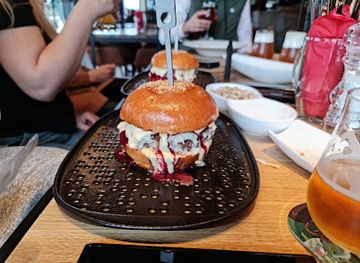
Briz
Discover the flavors of Moldova at Briz, a delightful restaurant in Soroca offering a blend of local and international cuisine.
-
Restaurant
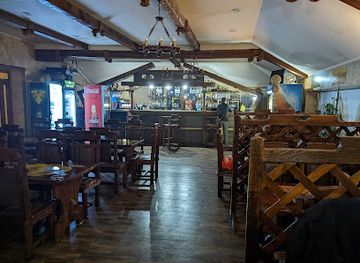
La Cetatea Veche
Discover the authentic flavors of Moldova at La Cetatea Veche in Soroca, a culinary haven for travelers and food enthusiasts.
Best nightclubs in Soroca County
Soroca’s evening life is modest and primarily local, centred on cafés, restaurants, traditional bars and occasional live entertainment rather than a large nightclub district. The town is the natural focus for after-dark dining and socialising, while villages generally become quiet after the evening meal. Beer, Moldovan wine, coffee and informal conversation are more characteristic of the region than an extensive late-night scene. Some restaurants or event venues may host music at weekends or during private celebrations, but arrangements and opening patterns can change. Visitors should confirm current details locally instead of relying on old listings. The riverside and fortress area are best enjoyed as early-evening walking settings, with care taken after dark because lighting and pedestrian facilities may be limited. Alcohol is not necessary to participate in local life, and respectful behaviour is particularly important in smaller communities where entertainment venues also serve residents.
-
Night club
Rio Club
Discover the electric atmosphere of Rio Club, Mărculești's premier night club, where unforgettable nights filled with music and dance await.
-
Lounge
La Cumătru
Discover the cozy charm of La Cumătru, a lounge and bar in Soroca offering delightful drinks and a warm atmosphere for every traveler.
-
Girl bar
Bunker Lounge SR
Experience vibrant nightlife at Bunker Lounge SR, a unique girl bar in Soroca offering great drinks and an inviting atmosphere.
-
Night club
GarageLounge
Discover Soroca's vibrant nightlife at GarageLounge, a top-rated night club known for its electrifying atmosphere and unforgettable parties.

Best shops in Soroca County
Shopping in Soroca County is practical and locally focused, with Soroca’s market, high-street shops and small food retailers providing the broadest choice. Visitors can look for Moldovan wine, preserves, honey, dried fruit, seasonal produce and traditional baked goods, bearing in mind that transport and customs rules may restrict what can be taken home. The region’s most distinctive craft association is Cosăuți stone carving, and locally made limestone objects or decorative work can be sought through workshops and personal introductions rather than a standardised souvenir chain. Small shops may also stock woven goods, embroidered textiles, ceramics and household crafts, though availability varies. Soroca is not a major luxury-shopping destination, and rural villages have limited retail provision. Market purchases are usually made in Moldovan lei, with cash more dependable than cards. Ask about provenance and handling when buying antiques, religious objects or old artefacts, and avoid removing archaeological material or unverified historic items from the country.
-
Shopping mall
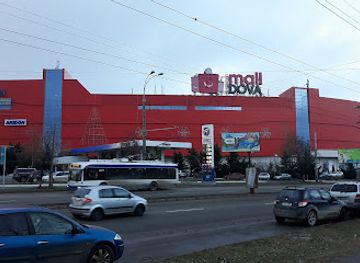
Shopping MallDova
Discover the ultimate shopping experience at Shopping MallDova in Chișinău, featuring a wide range of stores, dining, and entertainment options.
-
Shopping mall
Zity Mall
Discover Zity Mall, Chișinău's premier shopping destination, offering a blend of fashion, dining, and entertainment for a perfect day out.
-
Castle
Soroca Fortress
Explore the majestic Soroca Fortress, a historic castle perched by the Dniester River, steeped in Moldovan history and culture.
-
Tourist attraction
Candle of Gratitude
Discover the Candle of Gratitude in Soroca, a monument symbolizing hope, resilience, and the enduring spirit of the Moldovan people.

Get your free copy of our complete guide to Soroca County, delivered straight to you.
Everything on this page, from attractions and restaurants to essentials and local phrases, in one PDF you can read offline, print or share.
Already have an account? Sign in
Your Soroca County guide is ready.
We'll send it to · Not you? Sign out

Getting your guide ready…
We are putting together a fresh copy of the Soroca County guide. This can take up to a minute.
This can take a few moments. If your browser asks, choose Allow so the download can start. You'll find the guide in your Downloads folder.
Nothing happened? Download it again
Sorry, the guide is taking longer than usual. Please try again in a minute, or get it by email instead.
Soroca County essentials
Currency and Payment
Safety
Emergency Situations
Do's and Don'ts
Local Tips
From Eve
Local phrases worth knowing
You don't need to get them perfect. A few words go a long way, and locals appreciate the effort.
Basics
| English | Local | Say it |
|---|---|---|
| Hello | Bună | [Boo-nuh] |
| Goodbye | La revedere | [Lah reh-veh-deh-reh] |
| Yes | Da | [Dah] |
| No | Nu | [Noo] |
| Please/You're welcome | Te rog/Cu plăcere | [Teh rog/Koo plah-cheh-reh] |
| Thank you | Mulțumesc | [Mool-tsoo-mesk] |
| Excuse me/Sorry | Scuză-mă/Mi-e rău | [Scoo-zuh-muh/Mee eh row] |
| How are you? | Ce mai faci? | [Cheh my fahch?] |
| Fine. And you? | Bine. Dar tu? | [Bee-neh. Dar too?] |
| Do you speak English? | Vorbești engleză? | [Vor-besh-teh en-gleh-zuh?] |
| I don't understand | Nu înteleg | [Noo un-teh-lehg] |
Eating & Drinking
| English | Local | Say it |
|---|---|---|
| I'd like to see the menu, please | Aș dori să văd meniul, vă rog | [Ash doh-ree suh vehd meh-nee-ul, vah rog] |
| I don't eat meat | Nu mănânc carne | [Noo mah-nahnk kar-neh] |
| Cheers! | Noroc! | [Noh-rok!] |
| I would like to pay, please | Aș dori să plătesc, vă rog | [Ash doh-ree suh plah-tehsk, vah rog] |
Emergencies
| English | Local | Say it |
|---|---|---|
| Help! | Ajutor! | [Ah-zhoo-tor!] |
| Go away! | Du-te! | [Doo-teh!] |
| Call the Police! | Sună Poliția! | [Soo-nah Poh-lee-tsee-ah!] |
| Call a doctor! | Sună un doctor! | [Soo-nah oon dok-tor!] |
| I'm lost | M-am pierdut | [Mahm pyehr-doot] |
| I'm ill | Sunt bolnav/bolnavă | [Soont bol-nahv/bol-nah-vah] |
Shopping
| English | Local | Say it |
|---|---|---|
| I'd like to buy... | Aș dori să cumpăr... | [Ash doh-ree suh koom-pair...] |
| I'm just looking | Mă uit doar | [Muh oot dwohr] |
| How much is it? | Cât costă? | [Koot kos-tuh?] |
| That's too expensive | Asta e prea scump | [Ahs-tah eh preh-ah skoomp] |
| Can you lower the price? | Poți să scazi prețul? | [Poh-tsi suh skahz preh-tsul?] |
Time & Numbers
| English | Local | Say it |
|---|---|---|
| What time is it? | Ce oră este? | [Cheh oh-rah yeh-steh?] |
| It's one o'clock | Este o oră | [Yeh-steh oh oh-rah] |
| Half past (10) | Și jumătate | [Shee zhoo-mah-tah-teh] |
| Morning | Dimineața | [Dee-mee-neh-ah-tsah] |
| Afternoon | După-amiază | [Doo-pah ah-mee-ah-zah] |
| Evening | Seara | [Sah-rah] |
| Yesterday | Ieri | [Yair] |
| Today | Astăzi | [Ahs-tahz] |
| Tomorrow | Mâine | [Moo-neh] |
| 1 | 1 | [1] |
| 2 | 2 | [2] |
| 3 | 3 | [3] |
| 4 | 4 | [4] |
| 5 | 5 | [5] |
| 6 | 6 | [6] |
| 7 | 7 | [7] |
| 8 | 8 | [8] |
| 9 | 9 | [9] |
| 10 | 10 | [10] |
Transport & Directions
| English | Local | Say it |
|---|---|---|
| Where's a/the...? | Unde este un/ola...? | [Oon-deh yeh-steh oon/oh-lah...?] |
| What's the address? | Care este adresa? | [Kah-reh yeh-steh ah-dreh-sah?] |
| Can you show me (on the map)? | Îmi poți arăta (pe hartă)? | [Uhm pohts ah-rah-tah (peh har-tuh)?] |
| When's the next (bus)? | Când vine următorul (autobuz)? | [Kuhnd vee-neh oor-mah-tor-ul (ow-toh-booz)?] |
| A ticket (to ....) | O bilet (spre ....) | [O bee-let (spre ....)] |
History of Soroca County
Early settlement and the Dniester frontier
The Dniester corridor around Soroca has attracted human settlement since prehistory because it offered water, fertile terraces, fishing grounds and routes between the forest-steppe and the Black Sea hinterland. Archaeological remains from the wider region reflect successive prehistoric and ancient communities, while later populations used the river as both a resource and a communications route. The landscape’s defensive advantages also mattered: limestone heights above the water provided commanding positions long before the present fortress was built.
Soroca in the Principality of Moldavia
Soroca developed as a fortified settlement within the medieval Principality of Moldavia. A Soroca fortress is documented in the late fifteenth century, during the reign of Stephen the Great, when the principality strengthened its river and frontier defences. The settlement guarded an important crossing and helped control movement along the Dniester. Its history was therefore tied not only to local administration but also to the wider political pressures affecting Moldavia between the Polish-Lithuanian and Ottoman spheres.
The stone fortress of the sixteenth century
The masonry fortress associated with modern Soroca was constructed and consolidated in the sixteenth century, traditionally linked to the reign of Petru Rareș and later Moldavian rulers. Its near-circular plan, regular towers and compact scale were suited to the use of gunpowder artillery and to the difficult riverside terrain. Soroca formed part of a wider chain of fortifications along the Dniester. The surviving structure remains one of the clearest physical expressions of medieval Moldavia’s military organisation.
Ottoman, Polish and Russian pressures
From the late medieval period into the early modern era, Soroca stood in a contested borderland affected by Moldavian, Polish-Lithuanian, Ottoman and later Russian power. Armies, merchants and officials moved through the Dniester corridor, while the fortress was repeatedly drawn into regional conflicts. These changing political influences shaped taxation, trade, religious life and the composition of nearby settlements. Soroca’s strategic importance declined as military technology and imperial borders changed, but its location remained important for administration and transport.
Bessarabia under the Russian Empire
Following the Russian annexation of Bessarabia in 1812, Soroca became an administrative centre within the imperial system. New bureaucratic structures, roads, schools and commercial connections altered the town, while Russian imperial institutions operated alongside established Moldavian and Romanian cultural traditions. Jewish communities were also an important part of urban and commercial life in Soroca and other Bessarabian settlements. Architectural, religious and cemetery traces provide reminders of a more diverse pre-war society, though much of that community was destroyed or displaced during the twentieth century.
Romanian administration and interwar change
After the First World War and the union of Bessarabia with Romania in 1918, Soroca was administered within the Romanian state and served as the centre of Soroca County. Romanian-language institutions, schooling and administrative practices expanded, while the largely rural economy remained based on agriculture, orchards, trade and small-scale crafts. The interwar period was interrupted by the Soviet occupation of 1940, the wartime Romanian administration and the return of Soviet rule in 1944, bringing profound political and demographic change.
Soviet transformation and contemporary Soroca
During the Soviet period, Soroca and its surrounding villages were integrated into a centrally planned Moldavian economy. Collectivised agriculture, state industries, new housing and expanded public institutions altered the town’s appearance and rural society. Independence in 1991 brought Moldova’s transition to a sovereign state and a market economy, although rural depopulation and economic migration have affected the region. Today, the fortress, Dniester landscape, stone-working traditions and multi-layered local history form the main foundations for cultural and small-scale tourism.
Soroca County in Photos
Browse through our photo collection highlighting the charm and character of the destination.
Neighbouring regions of Soroca County
The closest regions to Soroca County, if you have time for more than one.
-

-

-

-

-


Swipe for more regions
Explore more

Explore more of Moldova
Discover Moldova: A tranquil haven of rich history, stunning vineyards, and captivating natural landscapes, perfect for an off-the-beaten-path European adventure.
Explore Moldova