

Eiffel Bridge Travel Guide
Free Guide: A historic railway bridge in Ungheni, Moldova, designed by Nikolai Belelubsky and named after Gustave Eiffel, connecting Moldova and Romania.


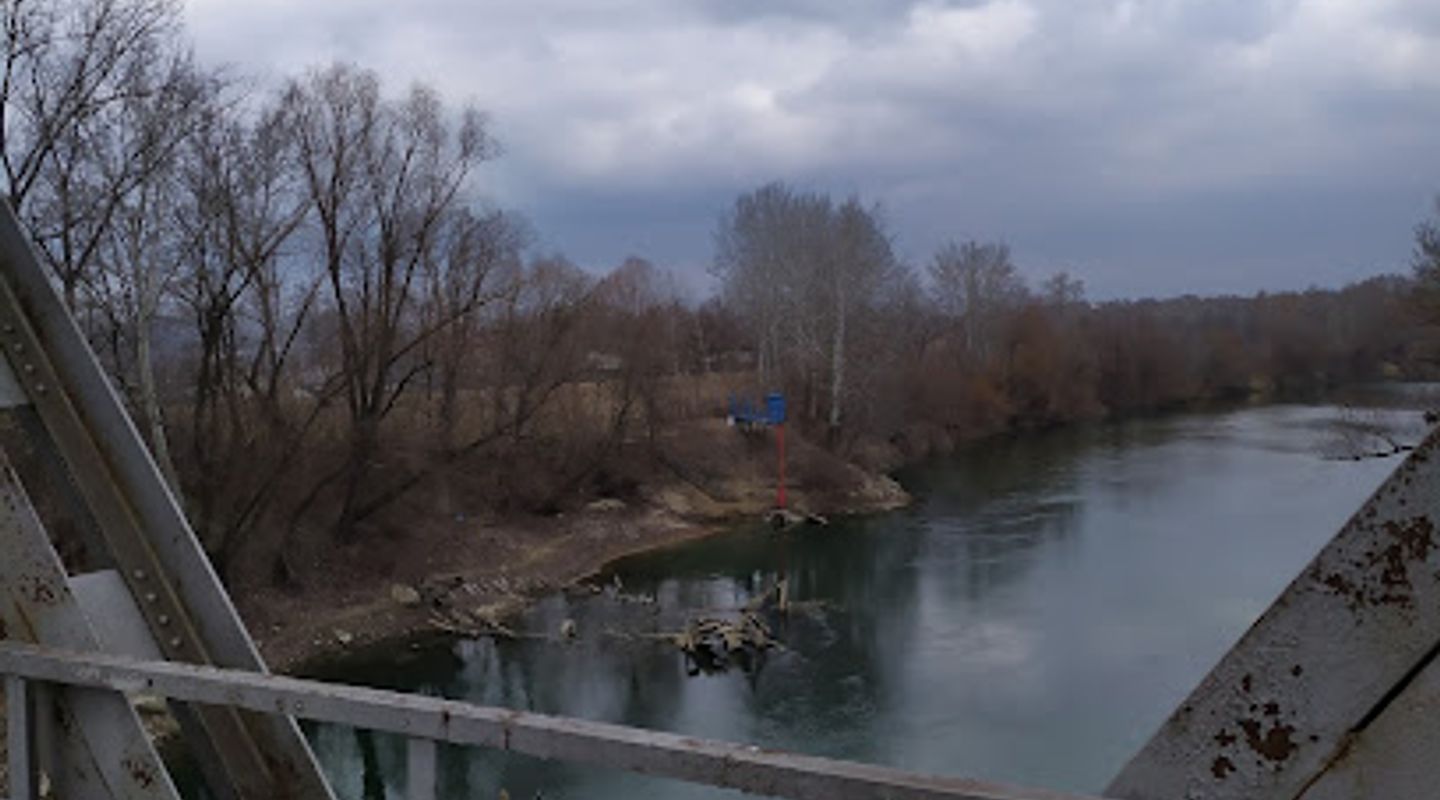
A brief summary of Eiffel Bridge
A historic railway bridge in Ungheni, Moldova, designed by Nikolai Belelubsky and named after Gustave Eiffel, connecting Moldova and Romania.
The Eiffel Bridge in Ungheni, Moldova, is a railway bridge designed by Russian engineer Nikolai Belelubsky and named after Gustave Eiffel. Spanning the Prut River, it links Moldova and Romania, serving as a vital border checkpoint and a symbol of railway expansion in Eastern Europe.
Opening hours
- Every dayOpen 24 hours
Opening hours as listed on the venue’s Google Business Profile. Hours can change for services and special events, so check with the venue before you go.
- Address
- Moldova
- Website
Getting there
Walking
Public Transport
Taxi
Discover more about Eiffel Bridge
Overview
The Eiffel Bridge, also known as the Ungheni Railway Bridge, stands as a testament to 19th-century engineering and a crucial link between Moldova and Romania. Constructed between 1874 and 1877, the bridge crosses the Prut River and has served as a strategic border crossing point. While often attributed solely to Gustave Eiffel, the original design was the work of Russian engineer Nikolai Belelubsky. Eiffel's company was invited to redesign and rebuild the bridge after the original structure was damaged by flooding.The bridge officially opened on April 21, 1877, just before the Russo-Turkish War, facilitating the movement of Russian troops. Throughout its history, the Eiffel Bridge has endured periods of destruction and reconstruction, most notably during World War II. Today, it continues to function as an important railway connection, overseen by border guards, facilitating trade and transportation between the two nations.Visitors can appreciate the bridge's historical significance and engineering. While direct access to walk on the bridge may be restricted due to its function as a border crossing, the surrounding area offers viewpoints to admire its structure and setting. The bridge represents a blend of history, culture, and international connection, making it a notable landmark in the region.
Evendo Review Centre
 Google
Guest reviews
Explore Eiffel Bridge on the map
A handpicked selection of must-see spots near Eiffel Bridge, mapped for you.
Get your free copy of our complete guide to Eiffel Bridge, delivered straight to you.
Everything on this page, from opening hours and how to get there to Eve’s tips and the best time to go, in one PDF you can read offline, print or share.
Already have an account? Sign in
Your Eiffel Bridge guide is ready.
We'll send it to · Not you? Sign out

Getting your guide ready…
We are putting together a fresh copy of the Eiffel Bridge guide. This can take up to a minute.
This can take a few moments. If your browser asks, choose Allow so the download can start. You'll find the guide in your Downloads folder.
Nothing happened? Download it again
Sorry, the guide is taking longer than usual. Please try again in a minute, or get it by email instead.
Other nearby places you may find interesting
The closest places of the same kind, if this one is not quite what you had in mind.
-
-
-
-
-


Swipe for more places
More to explore near Eiffel Bridge

 Best experiences near Eiffel Bridge
 Best hotels near Eiffel Bridge
 Best landmarks near Eiffel Bridge
 Best attractions near Eiffel Bridge
 Best shops near Eiffel Bridge
 Best restaurants near Eiffel Bridge
 Best bars near Eiffel Bridge
Do you manage this location?
Take control to get all the benefits, like improved information, better appearance, and stronger visibility across AI-powered discovery.
Explore more

Explore more of Ungheni County
Discover Ungheni County in Moldova: a blend of untouched nature, historical landmarks, and warm local culture, perfect for an off-the-beaten-path adventure.
Explore Ungheni County
Explore more of Moldova
Discover Moldova: A tranquil haven of rich history, stunning vineyards, and captivating natural landscapes, perfect for an off-the-beaten-path European adventure.
Explore Moldova
