

Free Ungheni County Travel Guide & Mobile App
Explore Ungheni County with free travel guides. Discover regional history, expert tips, proposed trips, and audio guides on web or mobile app.


Ungheni County combines Prut River landscapes, railway heritage, Moldovan villages and cross-border access to Romania.
Read more about Ungheni County
When is the best time to visit Ungheni County?
Best: June, August–September · 22–27°C| Month | High (°C) | Rainfall (mm) |
|---|---|---|
| January | 2 | 25 |
| February | 4 | 25 |
| March | 9 | 35 |
| April | 17 | 40 |
| May | 22 | 50 |
| June (best) | 26 | 55 |
| July | 28 | 50 |
| August (best) | 27 | 45 |
| September (best) | 22 | 40 |
| October | 16 | 35 |
| November | 8 | 30 |
| December | 3 | 25 |
Getting to and around Ungheni County
How to get there
Transportation
Destinations in Ungheni County
Resorts, valleys and scenic spots worth a trip of their own.
-

-

-


Swipe for more destinations
Best attractions in Ungheni County
Ungheni County’s attractions are shaped by landscape and history rather than a dense concentration of large museums or monumental sites. In Ungheni city, the railway station area and the Prut crossing introduce the region’s role as a historic transport corridor, while local markets and civic streets offer a glimpse of contemporary Moldovan life. The Eiffel-associated railway bridge is important as an engineering and borderland landmark, though it remains operational infrastructure and should be viewed only from permitted places. Outside the town, village churches, orchards, cultivated hills and riverside scenery provide the setting for slower exploration. The Rădenii Vechi area is the region’s principal natural interest, with woodland and protected habitats suited to walking and nature observation when access is locally confirmed. Sculeni and other Prut-side settlements are useful for understanding the county’s cross-border geography, although visitor facilities are modest. Travellers interested in archaeology and rural culture can look for local exhibitions, churches, traditional houses and market life, but should verify opening arrangements in advance. The county is best approached as a landscape of journeys, villages and ecological contrasts rather than as a checklist of ticketed attractions.
-
Winery
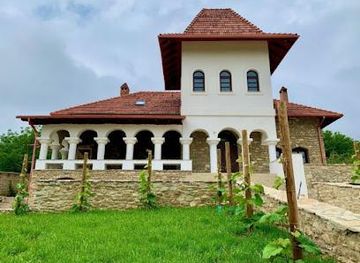
Crama Mircesti
Explore Crama Mircesti, a top winery in Moldova, for exquisite wines, breathtaking views, and an authentic local experience.
-
Bridge
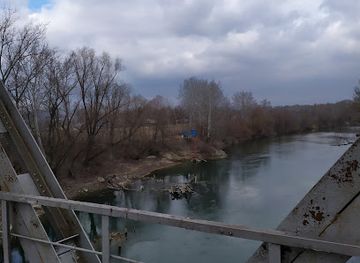
Eiffel Bridge
Explore the Eiffel Bridge in Moldova – a stunning blend of history and architectural beauty, perfect for photography and leisurely strolls.
-
Tourist attraction
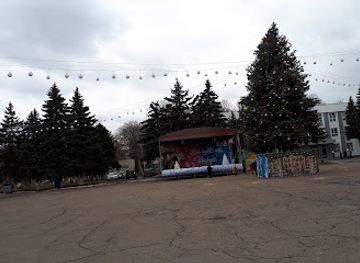
Piața independenței
Experience the vibrant atmosphere and rich culture at Piața Independenței, the heart of Ungheni, Moldova's charming tourist attraction.
-
Camping cabin
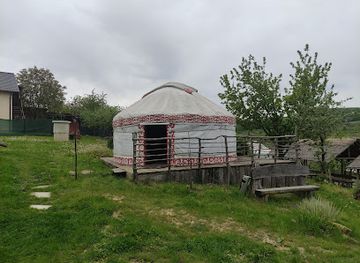
Manas yurt village
Discover the charm of Manas Yurt Village in Moldova, where nature, adventure, and traditional hospitality converge for an unforgettable experience.
Best landmarks in Ungheni County
The defining landmark of Ungheni County is the railway bridge across the Prut, associated with Gustave Eiffel’s engineering firm and the railway expansion of the 1870s. It marks the point where transport history, international geography and industrial engineering meet, although its continuing railway use means that access is restricted and it should not be approached from the tracks or border installations. Ungheni railway station and the surrounding transport infrastructure form a related civic landscape, illustrating how the town grew as a gateway between Iași and Chișinău. The Prut itself is another major geographical landmark: its broad river corridor, floodplain and border position have shaped settlement, trade and political history for centuries. In the interior, the wooded landscapes around Rădenii Vechi provide a contrasting natural landmark, with protected habitats that differ from the county’s open agricultural fields. Village Orthodox churches, roadside crosses and traditional settlement patterns add smaller-scale landmarks, but many are working religious or community places rather than formal monuments. Their value lies in the way they reveal the continuity of rural life across the region.
-
Park
Copou Park
Discover Copou Park in Iasi: Romania's oldest public garden, a blend of history, culture, and natural beauty, home to Eminescu's Linden Tree.
-
Park
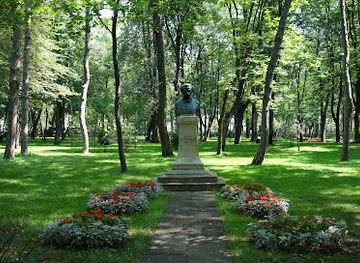
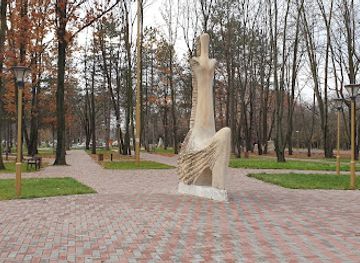
Central Park "Micul Cluj"
Escape to Ungheni's charming Central Park Micul Cluj: a green retreat for relaxation, family fun, and cultural experiences.
-
Resort hotel
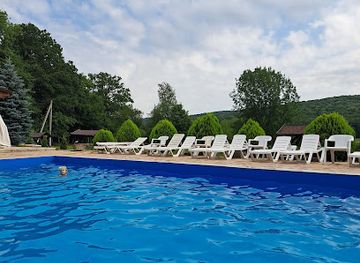
F'Estival
Discover the tranquility of F'Estival Resort Hotel in Leordoaia, Moldova, where nature meets luxury for an unforgettable getaway.
-
Bridge
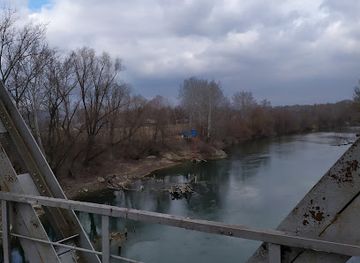
Eiffel Bridge
A historic railway bridge in Ungheni, Moldova, designed by Nikolai Belelubsky and named after Gustave Eiffel, connecting Moldova and Romania.
Explore Ungheni County on the map
Plan your trip on one map. See where the top cities, national parks and sights are, and book hotels and experiences in a few clicks.
Best hotels in Ungheni County
Best restaurants in Ungheni County
Dining in Ungheni County reflects everyday Moldovan cooking and the produce of a strongly agricultural region. In Ungheni city, restaurants and cafés typically offer familiar dishes such as zeamă, mămăligă, sarmale, grilled meats, salads, placinte and seasonal vegetable preparations, alongside Romanian, Ukrainian and broader Eastern European influences. Village households and small eateries may draw on local eggs, dairy products, orchard fruit, preserves and wine, although availability varies and advance arrangements are sensible outside the town. Markets are useful for seeing the ingredients behind regional cooking and for buying fruit, vegetables, honey and baked goods when vendors are present. Food is often more substantial and home-style than formally regional in presentation, with recipes differing between families and communities. Visitors should distinguish Moldova’s national culinary traditions from dishes that are specifically unique to Ungheni; the county’s particular contribution lies in its fresh agricultural produce, Prut-border connections and village food culture. Local wine is part of the wider Moldovan tradition, but tastings and farm visits should be arranged through established local contacts rather than assumed to be available spontaneously.
-
River
Dnister River
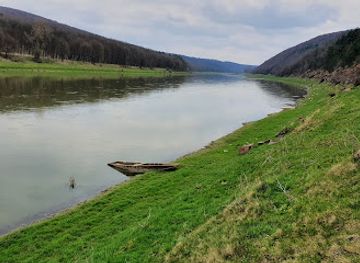
Explore the enchanting Dnister River: A serene escape with breathtaking views, outdoor adventures, and rich cultural experiences await you.
-
Pizza
Erni Pizza
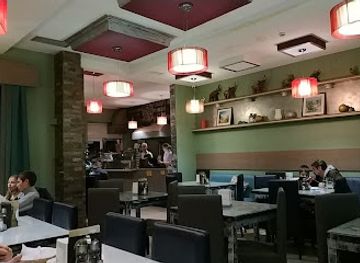
Experience authentic Italian flavors at Erni Pizza in Ungheni, Moldova - where every slice tells a story.
-
 Hotel
HotelEden
Discover comfort and tranquility at Eden Hotel in Iași - your perfect base for exploring Romania's rich cultural heritage.
-
Supermarket
Kaufland Ungheni
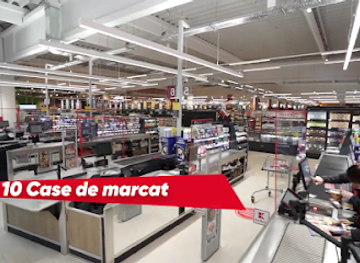
Discover local flavors and international goods at Kaufland Ungheni – your ultimate shopping destination in Moldova.
Best bars in Ungheni County
Ungheni’s evening scene is modest and concentrated in the county’s principal town. Cafés, restaurants, beer venues and traditional-style pubs provide the main opportunities for an evening out, with conversation and food generally more prominent than a large nightclub culture. Some establishments may offer music or informal entertainment, but opening patterns and programmes can change, so current local information is useful. In villages, evening life usually centres on family gatherings, community occasions and small eateries rather than dedicated nightlife venues. Moldova’s wine culture may appear on restaurant menus and in private hospitality, though drinking is not necessary to appreciate the region. Visitors seeking late-night clubs or a broader choice of bars may find more options in Chișinău or across the border in Iași, both outside Ungheni County; those journeys require separate transport and, in the case of Romania, border planning.
-
Pub
Budweiser Grill & Pub
Experience the best of Chișinău's pub culture at Budweiser Grill & Pub, with delicious grilled food and local brews in a vibrant atmosphere.
-
American
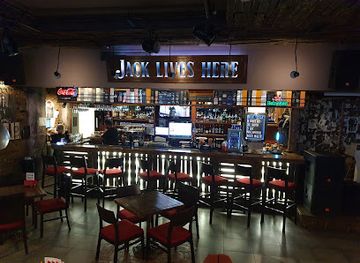
Jack's Bar & Grill
Experience the vibrant atmosphere of Jack's Bar & Grill in Chișinău, serving delicious American cuisine and exciting nightlife.
-
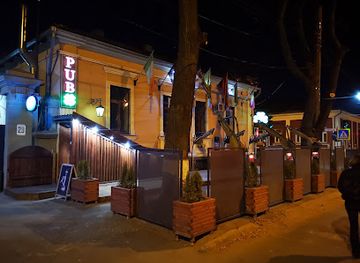
Pub
Brother's Pub
Discover the vibrant atmosphere and delightful flavors at Brother's Pub in Chișinău, Moldova's premier destination for food and drinks.
-
Pizza
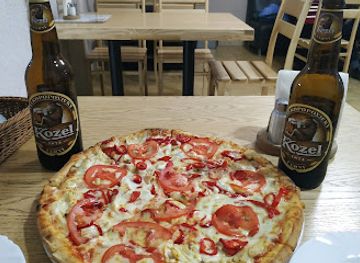
Lucia Pizza
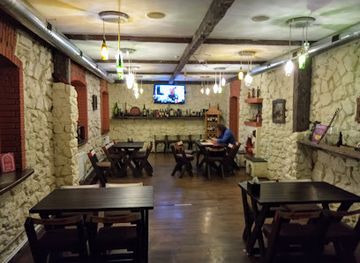
Discover the authentic taste of Italy at Lucia Pizza in Ungheni, where every slice is a delicious journey.
Best nightclubs in Ungheni County
Ungheni’s evening scene is modest and concentrated in the county’s principal town. Cafés, restaurants, beer venues and traditional-style pubs provide the main opportunities for an evening out, with conversation and food generally more prominent than a large nightclub culture. Some establishments may offer music or informal entertainment, but opening patterns and programmes can change, so current local information is useful. In villages, evening life usually centres on family gatherings, community occasions and small eateries rather than dedicated nightlife venues. Moldova’s wine culture may appear on restaurant menus and in private hospitality, though drinking is not necessary to appreciate the region. Visitors seeking late-night clubs or a broader choice of bars may find more options in Chișinău or across the border in Iași, both outside Ungheni County; those journeys require separate transport and, in the case of Romania, border planning.
-
Night club
Edgo Night Club
Experience the pulsating nightlife of Chișinău at Edgo Night Club, where music, dance, and local culture collide in an unforgettable atmosphere.
-
Restaurant
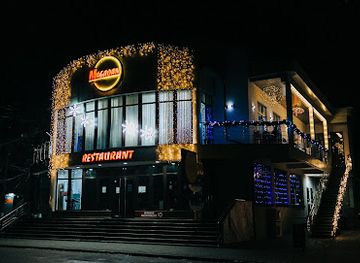
Magadan
Experience the flavors of Moldova at Magadan - a popular restaurant in Ungheni offering a delightful fusion of local and international cuisines.
-
Night club
Fanconi Riviera Summer Club
Experience the vibrant nightlife at Fanconi Riviera Summer Club, the ultimate summer destination in Chișinău for music lovers and party enthusiasts.
-
Lounge
Elite
Experience the perfect blend of local and international cuisine at Elite Lounge in Ungheni, Moldova, where every meal is a celebration.


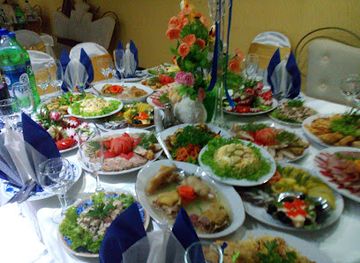
Best shops in Ungheni County
Shopping in Ungheni is practical, local and closely linked to the town’s role as a regional service centre. Markets and small food shops are the best places to look for seasonal fruit and vegetables, honey, preserves, baked goods, dairy products and other produce from surrounding villages. The town’s central retail streets provide everyday clothing, household goods and groceries rather than a specialised luxury-shopping experience. Visitors may also find modest craft items, embroidered textiles, ceramics or locally made food products, although selection and availability vary by season and vendor. In rural settlements, roadside stalls can offer excellent agricultural produce but are usually informal and may accept cash only. The border location means that commercial activity can feel more outward-looking than in an isolated inland district, yet Ungheni remains a place for useful regional purchases rather than a dedicated souvenir destination. For distinctive gifts, ask local residents or accommodation hosts about current market days and reputable producers, and check customs allowances before carrying food, alcohol or plant products across the international border.
-
Hypermarket
Slavena Megamarket
Experience the best of shopping at Slavena Megamarket in Ungheni, Moldova - a vibrant hub for local and international goods.
-
Supermarket
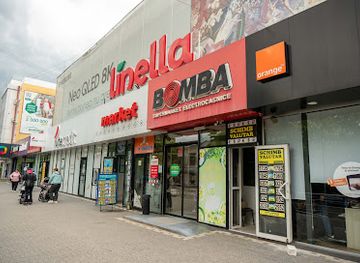
Linella
Experience the local flavors and essentials at Linella Supermarket in Ungheni, Moldova.
-
Supermarket
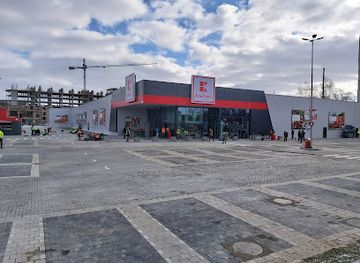
Kaufland Ungheni
Discover the vibrant shopping experience at Kaufland Ungheni, where local flavors meet international quality in the heart of Moldova.
-
Winery
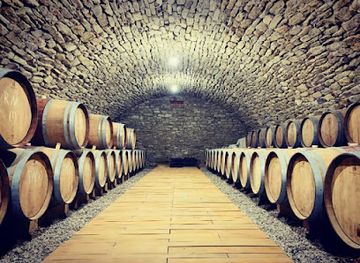
Crama Mircesti
Experience the essence of Moldovan winemaking at Crama Mircesti, where tradition meets exquisite flavor in a breathtaking setting.

Get your free copy of our complete guide to Ungheni County, delivered straight to you.
Everything on this page, from attractions and restaurants to essentials and local phrases, in one PDF you can read offline, print or share.
Already have an account? Sign in
Your Ungheni County guide is ready.
We'll send it to · Not you? Sign out

Getting your guide ready…
We are putting together a fresh copy of the Ungheni County guide. This can take up to a minute.
This can take a few moments. If your browser asks, choose Allow so the download can start. You'll find the guide in your Downloads folder.
Nothing happened? Download it again
Sorry, the guide is taking longer than usual. Please try again in a minute, or get it by email instead.
Ungheni County essentials
Currency and Payment
Safety
Emergency Situations
Do's and Don'ts
Local Tips
From Eve
Local phrases worth knowing
You don't need to get them perfect. A few words go a long way, and locals appreciate the effort.
Basics
| English | Local | Say it |
|---|---|---|
| Hello | Bună | [boo-nuh] |
| Goodbye | La revedere | [lah reh-veh-deh-reh] |
| Yes | Da | [dah] |
| No | Nu | [noo] |
| Please/You're welcome | Te rog/ Cu plăcere | [teh rog/ koo pluh-cheh-reh] |
| Thank you | Mulțumesc | [mul-tzu-mesk] |
| Excuse me/Sorry | Scuză-mă/Îmi pare rău | [skoo-zuh-muh/ im pah-reh rao] |
| How are you? | Ce mai faci? | [cheh mai fahch] |
| Fine. And you? | Bine. Tu? | [bee-neh. too?] |
| Do you speak English? | Vorbești engleză? | [vor-besht en-gleh-zah?] |
| I don't understand | Nu înțeleg | [noo un-tzeh-leg] |
Eating & Drinking
| English | Local | Say it |
|---|---|---|
| I'd like to see the menu, please | Aș dori să văd meniul, vă rog | [ash doh-ree sah vehd meh-nee-ul, vah rog] |
| I don't eat meat | Nu mănânc carne | [noo mah-nink kar-neh] |
| Cheers! | Noroc! | [noh-rok] |
| I would like to pay, please | Aș dori să plătesc, vă rog | [ash doh-ree sah plah-tesk, vah rog] |
Emergencies
| English | Local | Say it |
|---|---|---|
| Help! | Ajutor! | [ah-joo-tor] |
| Go away! | Du-te! | [doo-teh!] |
| Call the Police! | Chemă Poliția! | [keh-muh poh-lee-tsee-ah!] |
| Call a doctor! | Chemă un doctor! | [keh-muh oon doc-tor!] |
| I'm lost | Mă pierd | [muh pyerd] |
| I'm ill | Sunt bolnav | [soont bol-nav] |
Shopping
| English | Local | Say it |
|---|---|---|
| I'd like to buy... | Aș dori să cumpăr... | [ash doh-ree sah koom-pair...] |
| I'm just looking | Mă uit doar | [muh oot do-ar] |
| How much is it? | Cât costă? | [koot kos-tah?] |
| That's too expensive | Asta e prea scump | [ahs-tah eh preh-ah skoomp] |
| Can you lower the price? | Poți să scazi prețul? | [pots sah skahz pret-zool?] |
Time & Numbers
| English | Local | Say it |
|---|---|---|
| What time is it? | Ce oră este? | [cheh oh-rah yeh-ste?] |
| It's one o'clock | Este o oră | [yeh-steh o oh-rah] |
| Half past (10) | Jumătate după (10) | [zhoo-mah-tah-teh doo-pah (10)] |
| Morning | Dimineața | [dee-mee-nyeh-tsah] |
| Afternoon | După-amiază | [doo-pah ah-mee-ah-zah] |
| Evening | Seara | [seh-rah] |
| Yesterday | Ieri | [yehr] |
| Today | Astăzi | [ahs-tuhz] |
| Tomorrow | Mâine | [mee-neh] |
| 1 | 1 | [unu] |
| 2 | 2 | [doi] |
| 3 | 3 | [trei] |
| 4 | 4 | [patru] |
| 5 | 5 | [cinci] |
| 6 | 6 | [șase] |
| 7 | 7 | [șapte] |
| 8 | 8 | [opt] |
| 9 | 9 | [nouă] |
| 10 | 10 | [zece] |
Transport & Directions
| English | Local | Say it |
|---|---|---|
| Where's a/the...? | Unde este...? | [oon-deh yeh-ste?] |
| What's the address? | Care este adresa? | [kah-reh yeh-ste ah-dreh-sah?] |
| Can you show me (on the map)? | Îmi poți arăta (pe hartă)? | [im pots ah-rah-tah (peh har-tuh)?] |
| When's the next (bus)? | Când vine următorul (autobuz)? | [kand vee-neh oor-mah-toh-rul (au-toh-booz)?] |
| A ticket (to ....) | Un bilet (către....) | [oon bee-let (kuh-treh....)] |
History of Ungheni County
Prehistoric settlement and the Cucuteni–Trypillia world
The wider Prut and central Moldovan landscape has been occupied since prehistoric times, with archaeological evidence connected to the Cucuteni–Trypillia cultural horizon found across Moldova and neighbouring parts of Romania and Ukraine. These farming communities lived in settled villages, cultivated crops and produced distinctive painted ceramics. Evidence in and around the region forms part of a much broader archaeological story rather than a single monumental site at Ungheni, but it demonstrates the long importance of the western Moldovan plains and river corridors for settlement, cultivation and movement.
The medieval Moldavian principality
During the Middle Ages, the territory of modern Ungheni County became part of the Principality of Moldavia. The Prut was both a natural boundary within the region and a route for trade, travel and military movement. Villages, estates and religious foundations developed within an agricultural economy tied to the wider principality. The area did not grow around one dominant medieval capital; instead, its historical significance lay in its position between the interior of Moldavia and the settlements of the eastern Carpathian region.
Borderland changes under Ottoman and Russian influence
From the early modern period, Moldavia experienced shifting political authority and strong Ottoman influence, while the nineteenth century brought the incorporation of Bessarabia into the Russian Empire after 1812. These changes affected administration, trade, landholding and movement around the Prut. Ungheni’s later role as a border and transport settlement was shaped by this longer history of changing frontiers. The river became not simply a geographical feature but a political line whose meaning altered repeatedly as neighbouring states and empires reorganised the region.
Railways, the Prut bridge and nineteenth-century modernisation
The arrival of the railway transformed Ungheni in the second half of the nineteenth century. A railway connection linked the town with Iași and the route continued eastwards towards Chișinău, making the Prut crossing strategically and economically important. The railway bridge associated with Gustave Eiffel’s engineering firm dates from the 1870s and remains the best-known symbol of the town’s transport history. Railways accelerated the movement of grain, passengers and manufactured goods, while encouraging Ungheni’s development as a service and trading centre.
War, Romanian administration and the Soviet period
The twentieth century brought major political upheaval to the region. After the First World War, Bessarabia was administered as part of Romania, before the Soviet annexation of 1940 and the wartime reversals that followed. After 1944, Ungheni was incorporated into the Moldavian Soviet Socialist Republic. Soviet planning expanded industrial activity, urban housing and state agriculture, changing the balance between the town and surrounding villages. The period also left a legacy of altered settlement patterns, infrastructure and public institutions visible in contemporary Ungheni.
Independent Moldova and a European-facing border region
Moldova became independent in 1991, and Ungheni’s location acquired renewed importance as a crossing point towards Romania and the European Union. Economic life has continued to combine agriculture, local commerce, transport and cross-border connections, while many residents maintain family, educational and working links across the Prut. Administrative reforms have changed the terminology and boundaries used for local government; the historic term Ungheni County is commonly understood by travellers as the wider Ungheni area, whereas the current administrative unit is Ungheni District.
Ungheni County in Photos
Browse through our photo collection highlighting the charm and character of the destination.
Neighbouring regions of Ungheni County
The closest regions to Ungheni County, if you have time for more than one.
-

-

-

-

-


Swipe for more regions
Explore more

Explore more of Moldova
Discover Moldova: A tranquil haven of rich history, stunning vineyards, and captivating natural landscapes, perfect for an off-the-beaten-path European adventure.
Explore Moldova