

Free Jardin Exotique Travel Guide & Mobile App
Explore Jardin Exotique with free travel guides. Discover regional history, expert tips, proposed trips, and audio guides on web or mobile app.


Jardin Exotique Monaco combines cliffside succulent gardens, prehistoric discoveries, contemporary art and wide Mediterranean views in a compact urban district.
Read more about Jardin Exotique
When is the best time to visit Jardin Exotique?
Best: June–August · 22–26°C| Month | High (°C) | Rainfall (mm) |
|---|---|---|
| January | 11 | 60 |
| February | 12 | 50 |
| March | 13 | 60 |
| April | 15 | 70 |
| May | 19 | 60 |
| June (best) | 22 | 40 |
| July (best) | 26 | 30 |
| August (best) | 26 | 40 |
| September | 23 | 50 |
| October | 20 | 70 |
| November | 16 | 70 |
| December | 13 | 60 |
Getting to and around Jardin Exotique
How to get there
Transportation
Top city travel guides in Jardin Exotique
The cities of Jardin Exotique, and the easiest places to base yourself.

Swipe for more cities
Destinations in Jardin Exotique
Resorts, valleys and scenic spots worth a trip of their own.
-

-

-


Swipe for more destinations
Best attractions in Jardin Exotique
Jardin Exotique’s attractions are concentrated but varied. The Exotic Garden is the principal experience, with terraced paths devoted to cacti and other succulents from arid regions, planted against Monaco’s limestone slopes and framed by Mediterranean views. Beneath it, the Observatory Cave offers a guided journey through stalactites, stalagmites and other geological formations, with a substantial descent that is unsuitable for some visitors. The Musée d’Anthropologie Préhistorique provides context through archaeological collections and explains the antiquity of human activity around Monaco. Villa Paloma, part of the Nouveau Musée National de Monaco, brings changing contemporary art exhibitions to a historic residence with landscaped grounds. The district’s viewpoints are attractions in their own right, especially for observing the dense relationship between Monaco’s buildings, cliffs, harbour areas and sea. The neighbourhood is also a practical starting point for visiting nearby districts, though Monaco-Ville, Fontvieille and Monte-Carlo are outside Jardin Exotique and should be treated as separate parts of the principality.
-
Casino
Casino de Monte-Carlo
Discover the allure of the Casino de Monte-Carlo, an iconic landmark in Monaco offering luxury gaming, rich history, and vibrant nightlife.
-
Museum
Musée océanographique de Monaco
Explore the fascinating world of marine life at the Musée océanographique de Monaco, a stunning museum and aquarium overlooking the Mediterranean Sea.
-
Castle
Prince's Palace of Monaco
Experience the grandeur of the Prince's Palace of Monaco, a cultural landmark blending royal history with stunning Mediterranean views.
-
City park
Princess Grace Japanese Garden
Explore the serene beauty of the Princess Grace Japanese Garden in Monaco, a tranquil escape featuring traditional Japanese landscaping and vibrant flora.


Best landmarks in Jardin Exotique
The most recognisable landmark in Jardin Exotique is the terraced Exotic Garden, whose pale retaining walls, dramatic planting and cliff-edge position make it a defining feature of western Monaco. Its elevated paths also function as viewpoints across the principality and the Mediterranean. The Observatory Cave is a landmark below ground as well as a geological site, linking the district visibly with Monaco’s prehistoric past. The Musée d’Anthropologie Préhistorique represents the scientific legacy of Prince Albert I and his interest in human origins. Villa Paloma contributes a different architectural note, combining a historic villa setting with the contemporary identity of the Nouveau Musée National de Monaco. The district’s surrounding apartment blocks, tunnels and roads are also significant in understanding how Monaco adapted an extremely constrained, rocky territory for modern urban life. Monaco’s Prince’s Palace, the Oceanographic Museum and the Casino de Monte-Carlo are famous nearby landmarks, but they belong to other districts and should not be presented as part of Jardin Exotique.
-
Casino
Casino de Monte-Carlo
Experience the glitz and glamour of Monaco at the legendary Casino de Monte-Carlo, a symbol of luxury and high-stakes entertainment.
-
Museum
Musée océanographique de Monaco
Explore the Musée Océanographique de Monaco, a captivating marine museum showcasing the beauty and diversity of ocean life.
-
Castle
Prince's Palace of Monaco
Discover the Grimaldi legacy at Monaco's Prince's Palace, a historic fortress and still-inhabited royal residence with stunning views.
-
City park
Princess Grace Japanese Garden
Experience tranquility at Monaco's Princess Grace Japanese Garden, a serene blend of Japanese tradition and Mediterranean charm. Free entry!


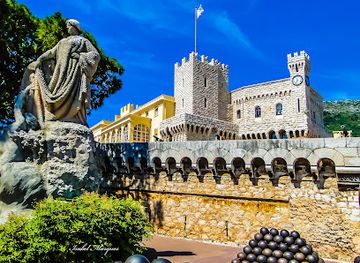

Explore Jardin Exotique on the map
Plan your trip on one map. See where the top cities, national parks and sights are, and book hotels and experiences in a few clicks.
Best hotels in Jardin Exotique
Best restaurants in Jardin Exotique
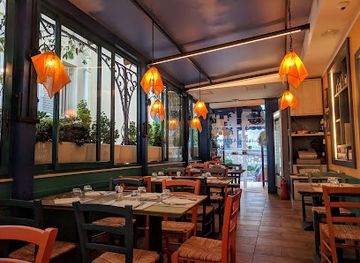
Jardin Exotique has a quieter and more limited dining scene than Monaco’s central commercial and waterfront districts. Visitors will find places suited to a light meal, coffee or a convenient break near the principal attractions, while a wider choice of restaurants lies downhill or across the principality in La Condamine, Fontvieille and Monte-Carlo. Regional eating reflects the shared culinary culture of Monaco and the nearby French and Ligurian coast: expect Mediterranean vegetables, seafood, olive oil, pasta and focaccia-style baking alongside French café food and international cuisine. Monaco’s own specialities include barbajuan, a fried pastry filled with vegetables and often associated with Swiss chard, and socca, the chickpea flatbread of the wider Côte d’Azur tradition. Local markets and food shops elsewhere in the principality are useful for picnic supplies, although visitors should check rules before eating in managed garden areas.
-
Restaurant
Buddha-Bar Monte-Carlo
Experience exquisite Asian cuisine and vibrant nightlife at Buddha-Bar Monte-Carlo, where elegance meets exotic flavors in the heart of Monaco.
-
Restaurant
Caffè Milano
Discover exquisite Italian cuisine at Caffè Milano in Monaco, where stunning harbor views meet culinary excellence for an unforgettable dining experience.
-
Italian
Il Terrazzino
Experience authentic Italian cuisine at Il Terrazzino in Monaco – where every dish tells a story.
-
Italian
Maya Mia
Experience exquisite Italian dining at Maya Mia in Monaco – where culinary tradition meets modern elegance.



Best bars in Jardin Exotique
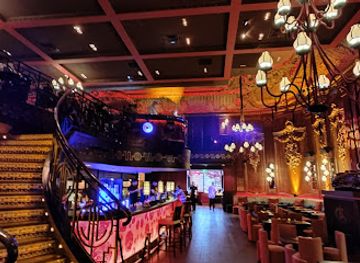
Jardin Exotique is not Monaco’s main nightlife quarter. Evenings in the neighbourhood are generally quiet and residential, with drinking and dining focused on nearby restaurants rather than a concentration of clubs. Visitors seeking a traditional bar, a broader restaurant selection, live music or late-night entertainment normally continue to La Condamine, Monaco-Ville or Monte-Carlo, all outside the district and connected by buses, lifts, taxis and steep pedestrian routes. Monte-Carlo has the principality’s most internationally recognised evening venues, while La Condamine offers a more everyday mix of cafés and bars. In Jardin Exotique itself, the principal appeal is the atmosphere of the illuminated urban slopes and the proximity of cultural venues, not a dedicated club scene. Check current arrangements directly before planning a late return, as transport options and venue policies can change.
-
Bar
Buddha-Bar Monte-Carlo
Experience the ultimate in luxury dining at Buddha-Bar Monte-Carlo, where Asian flavors meet a vibrant atmosphere in the heart of Monaco.
-
Brewpub
Monaco Brewery
Discover the vibrant atmosphere and exquisite craft beers at Monaco Brewery, a brewpub that brings a taste of local culture to every sip.
-
Bar
La Rascasse
Experience the vibrant atmosphere of La Rascasse, Monaco's premier destination for nightlife, fine dining, and unforgettable memories.
-
Cocktail bar
Équivoque Exclusive Rooftop Bar - Principauté de Monaco
Experience luxury at Équivoque Exclusive Rooftop Bar in Monaco, where creative cocktails meet stunning views for an unforgettable night.


Best nightclubs in Jardin Exotique
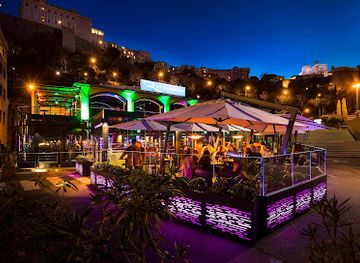
Jardin Exotique is not Monaco’s main nightlife quarter. Evenings in the neighbourhood are generally quiet and residential, with drinking and dining focused on nearby restaurants rather than a concentration of clubs. Visitors seeking a traditional bar, a broader restaurant selection, live music or late-night entertainment normally continue to La Condamine, Monaco-Ville or Monte-Carlo, all outside the district and connected by buses, lifts, taxis and steep pedestrian routes. Monte-Carlo has the principality’s most internationally recognised evening venues, while La Condamine offers a more everyday mix of cafés and bars. In Jardin Exotique itself, the principal appeal is the atmosphere of the illuminated urban slopes and the proximity of cultural venues, not a dedicated club scene. Check current arrangements directly before planning a late return, as transport options and venue policies can change.
-
Restaurant
Buddha-Bar Monte-Carlo
Discover the exotic allure of Buddha-Bar Monte-Carlo, where Asian-inspired cuisine meets luxurious nightlife in the heart of Monaco.
-
Bar
La Rascasse
Experience the vibrant nightlife and exquisite cuisine at La Rascasse, Monaco's premier bar and restaurant with stunning Mediterranean views.
-
Cocktail bar
Équivoque Exclusive Rooftop Bar - Principauté de Monaco
Experience unparalleled luxury at Équivoque Exclusive Rooftop Bar in Monaco, where exquisite cocktails meet breathtaking Mediterranean views.
-
Restaurant
Twiga Monte Carlo
Experience unparalleled luxury at Twiga Monte Carlo, where fine dining meets vibrant nightlife in the heart of Monaco.

Best shops in Jardin Exotique
Shopping within Jardin Exotique is principally practical rather than destination-led, with a small-scale residential offer and few reasons to visit the neighbourhood purely for retail. The district is more useful for buying refreshments or combining cultural visits with shopping elsewhere in Monaco. La Condamine, outside Jardin Exotique, has a more traditional market and everyday commercial character, while Monte-Carlo provides luxury boutiques, jewellery, fashion and premium goods. Food shops across the principality offer Mediterranean ingredients, regional pastries, olive products and Monaco-themed souvenirs. Visitors interested in art may also find exhibition-related material through cultural institutions, subject to current arrangements. Because the streets are steep and space is limited, shoppers should avoid carrying large bags between districts and consider returning to accommodation before exploring lower commercial areas.
-
Hypermarket
Carrefour Monaco
Discover Carrefour Monaco, a vibrant hypermarket offering fresh produce, gourmet specialties, and a wide selection of goods in a luxurious shopping environment.
-
Shopping mall
Metropole Shopping Monte-Carlo
Explore luxury shopping and gourmet dining at Metropole Shopping Monte-Carlo, the epitome of elegance in Monaco.
-
Gift shop
Centre commercial de Fontvieille
Discover the Centre Commercial de Fontvieille, Monaco's premier shopping destination with diverse shops, delicious dining options, and a vibrant atmosphere.
-
Sporting goods store
Decathlon Monaco
Explore Decathlon Monaco for top-quality sporting goods, outdoor gear, and expert services. Perfect for adventurers in the heart of the French Riviera.



Get your free copy of our complete guide to Jardin Exotique, delivered straight to you.
Everything on this page, from attractions and restaurants to essentials and local phrases, in one PDF you can read offline, print or share.
Already have an account? Sign in
Your Jardin Exotique guide is ready.
We'll send it to · Not you? Sign out

Getting your guide ready…
We are putting together a fresh copy of the Jardin Exotique guide. This can take up to a minute.
This can take a few moments. If your browser asks, choose Allow so the download can start. You'll find the guide in your Downloads folder.
Nothing happened? Download it again
Sorry, the guide is taking longer than usual. Please try again in a minute, or get it by email instead.
Jardin Exotique essentials
Currency and Payment
Safety
Emergency Situations
Do's and Don'ts
Local Tips
From Eve
Local phrases worth knowing
You don't need to get them perfect. A few words go a long way, and locals appreciate the effort.
Basics
| English | Local | Say it |
|---|---|---|
| Hello | Bonjour | [bawn-zhoor] |
| Goodbye | Au revoir | [oh ruh-vwahr] |
| Yes | Oui | [wee] |
| No | Non | [nawn] |
| Please/You're welcome | S'il vous plaît | [seel voo pleh] |
| Thank you | Merci | [mehr-see] |
| Excuse me/Sorry | Excusez-moi | [ex-kew-zay mwah] |
| How are you? | Comment ça va? | [koh-mahn sah vah] |
| Fine. And you? | Bien. Et vous? | [byan. eh voo?] |
| Do you speak English? | Parlez-vous anglais? | [par-lay voo ahn-glay?] |
| I don't understand | Je ne comprends pas | [zhuh nuh kohm-prahn pah] |
Eating & Drinking
| English | Local | Say it |
|---|---|---|
| I'd like to see the menu, please | Je voudrais voir le menu, s'il vous plaît | [zhuh voo-dray vwar luh meh-nu, seel voo pleh] |
| I don't eat meat | Je ne mange pas de viande | [zhuh nuh mahnj pah duh vyahnd] |
| Cheers! | Santé! | [sahn-tay] |
| I would like to pay, please | Je voudrais payer, s'il vous plaît | [zhuh voo-dray pay-yay, seel voo pleh] |
Emergencies
| English | Local | Say it |
|---|---|---|
| Help! | Au secours! | [oh suh-koor] |
| Go away! | Allez-vous-en! | [ah-lay voo-zahn] |
| Call the Police! | Appelez la police! | [ah-peh-lay lah poh-lees] |
| Call a doctor! | Appelez un médecin! | [ah-peh-lay uhn meh-deh-sin] |
| I'm lost | Je suis perdu | [zhuh swee pair-due] |
| I'm ill | Je suis malade | [zhuh swee mah-lahd] |
Shopping
| English | Local | Say it |
|---|---|---|
| I'd like to buy... | Je voudrais acheter... | [zhuh voo-dray ah-sheh-tay] |
| I'm just looking | Je regarde juste | [zhuh ruh-gard zhoost] |
| How much is it? | C'est combien? | [say kohm-byen?] |
| That's too expensive | C'est trop cher | [say troh shair] |
| Can you lower the price? | Pouvez-vous baisser le prix? | [poo-vay voo beh-say luh pree?] |
Time & Numbers
| English | Local | Say it |
|---|---|---|
| What time is it? | Quelle heure est-il? | [kel uhr eh-teel?] |
| It's one o'clock | Il est une heure | [eel eh oon uhr] |
| Half past (10) | Dix heures et demie | [dees uhr eh duh-mee] |
| Morning | Matin | [mah-tan] |
| Afternoon | Après-midi | [ah-pray mee-dee] |
| Evening | Soir | [swahr] |
| Yesterday | Hier | [ee-air] |
| Today | Aujourd'hui | [oh-zhoor-dwee] |
| Tomorrow | Demain | [duh-manh] |
| 1 | Un | [uhn] |
| 2 | Deux | [duh] |
| 3 | Trois | [trwah] |
| 4 | Quatre | [katr] |
| 5 | Cinq | [sank] |
| 6 | Six | [sees] |
| 7 | Sept | [set] |
| 8 | Huit | [weet] |
| 9 | Neuf | [nuhf] |
| 10 | Dix | [dees] |
Transport & Directions
| English | Local | Say it |
|---|---|---|
| Where's a/the...? | Où est le/la...? | [oo eh luh/lah...?] |
| What's the address? | Quelle est l'adresse? | [kel eh lah-dress?] |
| Can you show me (on the map)? | Pouvez-vous me montrer (sur la carte)? | [poo-vay voo muh mohn-tray (sur lah kart)?] |
| When's the next (bus)? | Quand est le prochain (bus)? | [kahn eh luh pro-shen (bus)?] |
| A ticket (to ....) | Un billet (pour....) | [uhn bee-yay (poor....)] |
History of Jardin Exotique
Prehistoric occupation and the Observatory Cave
The limestone ridge beneath today’s Jardin Exotique preserves evidence of human activity extending far beyond Monaco’s modern history. The Observatory Cave contains geological formations and archaeological material associated with prehistoric occupation in the region. Its position above the Mediterranean helped make the surrounding landscape significant to early communities, while later excavation contributed to Monaco’s importance in the study of human prehistory. The cave is now interpreted through guided visits rather than treated simply as a natural curiosity, linking the district’s dramatic geology with the archaeological history of the western Mediterranean.
The Grimaldi principality and the growth of Monaco
Monaco’s political history developed around the Grimaldi dynasty and the fortified Rock, now Monaco-Ville, rather than around Jardin Exotique itself. As the principality expanded beyond its historic core, steep western slopes were gradually incorporated into the urban settlement. This long transformation explains the district’s present character: villas, roads and public institutions occupy terrain that was once largely rocky and agricultural. The separation between Jardin Exotique and the old town remains visible in the changes of height and in the different architectural roles of the two areas.
Prince Albert I and prehistoric research
Prince Albert I, who reigned from 1889 to 1922, was a major patron of scientific research, especially oceanography and anthropology. His interest in prehistory helped establish institutions dedicated to collecting and interpreting archaeological evidence, including what became Monaco’s Musée d’Anthropologie Préhistorique. The museum’s work placed the principality within wider European scientific networks and gave the caves and prehistoric sites of the region a lasting institutional setting. Its presence in Jardin Exotique reflects the district’s connection with Monaco’s scientific as well as botanical heritage.
Creation of the Exotic Garden
The Exotic Garden was developed during the early twentieth century as Monaco modernised and invested in public attractions that could make use of its mild climate and difficult terrain. Work began before the garden opened to the public in 1933, with engineer Louis Notari closely associated with its design and construction. Terraces and paths were adapted to the exposed rock, allowing plants from arid regions to flourish in an environment far removed from their native habitats. The garden became one of the principality’s best-known cultural and horticultural institutions.
Twentieth-century urbanisation and cultural development
During the twentieth century, Monaco’s population growth, tourism economy and limited land supply encouraged dense construction on slopes that had previously been peripheral. Jardin Exotique developed into a mixed urban district of apartment buildings, roads, public facilities and planted spaces, while retaining its scientific and horticultural institutions. Later cultural investment added Villa Paloma to the area’s visitor identity through the contemporary art programme of the Nouveau Musée National de Monaco. The result is a district where Monaco’s modern urban density coexists with older geological, botanical and archaeological layers.
Jardin Exotique in Photos
Browse through our photo collection highlighting the charm and character of the destination.
Explore more

Explore more of Monaco
Explore Monaco: A glamorous principality on the French Riviera, known for its luxury casinos, stunning Mediterranean views, cultural landmarks, and vibrant nightlife.
Explore Monaco