

Free Fontvieille Travel Guide & Mobile App
Plan your Fontvieille trip with Evendo. Get free guides to top attractions, restaurants, hotels, and bars. Web access or download the mobile app.


Fontvieille, Monaco, pairs a marina, the Princess Grace Rose Garden, museums and the Stade Louis II with Mediterranean waterfront walks and culture.
A District Created from the Sea
Fontvieille occupies Monaco’s south-western edge, where land reclaimed from the Mediterranean transformed a once narrow coastal zone into one of the principality’s most distinctive districts. Developed chiefly during the reign of Prince Rainier III, the quarter combines apartment buildings, offices, museums, gardens, sporting venues and a sheltered harbour in a carefully planned extension of Monaco’s limited territory. Its broad promenades and relatively spacious layout contrast with the steep lanes and dense historic fabric of Monaco-Ville above the Rock.Read more about Fontvieille
Waterfront Life and Sporting Identity
Modern Monaco at Close Range
When is the best time to visit Fontvieille?
Best: June–July, September · 26–29°C| Month | High (°C) | Rainfall (mm) |
|---|---|---|
| January | 14 | 49 |
| February | 14 | 43 |
| March | 15 | 43 |
| April | 17 | 38 |
| May | 21 | 30 |
| June (best) | 26 | 18 |
| July (best) | 29 | 8 |
| August | 29 | 13 |
| September (best) | 26 | 25 |
| October | 23 | 38 |
| November | 19 | 49 |
| December | 15 | 53 |
Getting to and around Fontvieille
How to get there
Transportation
Best attractions in Fontvieille
Fontvieille offers a concentrated selection of attractions within Monaco’s modern south-western quarter. The Princess Grace Rose Garden is its most tranquil space, with formal planting, sculptures and a setting beneath the Rock that commemorates Princess Grace. Nearby, the Collection of Cars of H.S.H. the Prince of Monaco displays historic vehicles from the Princely collection, while the Museum of Stamps and Coins explores Monaco’s philatelic and numismatic traditions. The Stade Louis II gives the district an international sporting dimension, even when no event is taking place, and the Chapiteau de Fontvieille is associated with the Monte-Carlo International Circus Festival. Port de Fontvieille provides a relaxed route beside yachts, restaurants and seawalls, with views towards Monaco-Ville. The district’s compact layout makes it possible to combine gardens, museums and harbour scenery without the density of Monte-Carlo’s casino quarter.
-
Castle
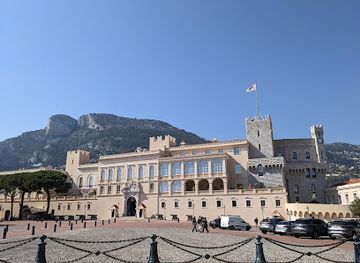
Prince's Palace of Monaco
Discover the rich history and breathtaking architecture of the Prince's Palace of Monaco, a cultural landmark overlooking the Mediterranean.
5 min walk · 0.4 km from city centre
-
Castle
Prince's Palace of Monaco
Explore the Prince's Palace of Monaco, a majestic cultural landmark that showcases royal history and stunning Mediterranean views.
5 min walk · 0.4 km from city centre
-
Garden
Exotic Garden of Monaco
Explore the Exotic Garden of Monaco, a stunning oasis of diverse flora and breathtaking views in the heart of the Mediterranean.
5 min walk · 0.4 km from city centre
-
Cathedral
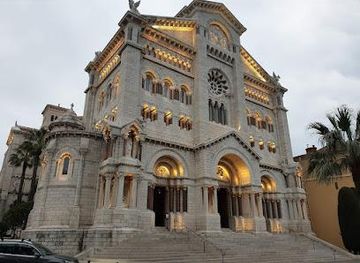
Cathédrale de Monaco
Explore the stunning Cathédrale de Monaco, a breathtaking blend of history, architecture, and spirituality in the heart of Monaco.
6 min walk · 0.5 km from city centre


Best landmarks in Fontvieille
Fontvieille’s landmarks express Monaco’s modern expansion as much as its dynastic identity. The Stade Louis II is the district’s most recognisable civic and sporting structure, known as the home ground of AS Monaco and a venue for athletics. The Chapiteau de Fontvieille carries a different tradition, providing the permanent setting associated with the Monte-Carlo International Circus Festival. The Princess Grace Rose Garden is both a landscaped landmark and a memorial to Princess Grace, with its formal design set against the steep face of the Rock. Along the harbour, the breakwaters and Port de Fontvieille mark the reclaimed coastline that made the district possible. Above it all, the Rock and Monaco-Ville remain the historic visual anchor, linking Fontvieille’s late twentieth-century urbanism with the principality’s older palace, cathedral and fortifications.
-
Cultural landmark
Prince's Palace of Monaco
Discover Monaco's royal heritage at the Prince's Palace, a historic fortress and residence of the Grimaldi family for over seven centuries.
5 min walk · 0.4 km from city centre
-
Shopping mall
Centre commercial de Fontvieille
Experience everyday Monaco at the Centre Commercial de Fontvieille: convenient shopping, essential services, and a local atmosphere.
4 min walk · 0.3 km from city centre
-
Marina
Port of Fontvieille
Discover Port of Fontvieille, Monaco: A charming marina offering a tranquil escape with stunning waterfront views and delightful dining experiences.
4 min walk · 0.3 km from city centre
-
Hotel
Columbus Hotel Monte-Carlo, Curio Collection by Hilton
Experience modern elegance and Mediterranean charm at Columbus Hotel Monte-Carlo, your stylish retreat in the heart of Monaco's Fontvieille district.
3 min walk · 0.3 km from city centre


Explore Fontvieille on the map
Plan your Fontvieille trip on one map. See where the top attractions, landmarks, restaurants, bars and hotels are, find what's near where you're staying, and book hotels and experiences in a few clicks.
Best hotels in Fontvieille
Best restaurants in Fontvieille
Fontvieille’s dining scene centres on Port de Fontvieille, where restaurants and cafés face the marina and serve Mediterranean and French-influenced cooking. Menus commonly draw on seafood, seasonal vegetables, olive oil and the produce of the Côte d’Azur, while Monaco’s position between France and Italy is reflected in the availability of pasta, fish dishes, salads and Provençal-style preparations. The harbour setting gives meals a more open, maritime character than the enclosed streets of Monaco-Ville, with terraces particularly appealing in mild weather. Around the district’s offices, stadium and residential buildings, visitors will also find practical cafés and informal places suited to daytime meals. Monaco’s international population brings broader European and global influences, but the strongest local connection remains the combination of Riviera ingredients, polished service and proximity to the Mediterranean.
-
Restaurant
McDonald’s
Experience fast food like never before in Monaco at McDonald's - where global favorites meet local charm.
4 min walk · 0.3 km from city centre
-
Steak
Beefbar
Experience luxury dining at Beefbar in Monaco – where exquisite steaks meet unparalleled ambiance.
5 min walk · 0.4 km from city centre
-
Restaurant
La Saliere
Experience authentic Italian flavors at La Saliere in Monaco, where every dish tells a story of tradition and taste.
4 min walk · 0.3 km from city centre
-
Restaurant
La Tavernetta
Experience authentic Italian cuisine at La Tavernetta in Monaco – where every dish is crafted with passion and tradition.
7 min walk · 0.6 km from city centre


Best bars in Fontvieille
Fontvieille is not Monaco’s principal late-night district, and its evenings are generally quieter than those around Casino de Monte-Carlo. After dark, the marina provides the most natural setting for a relaxed drink, with waterfront restaurants and bars overlooking moored boats and the illuminated Rock. The district’s main evening activity is often linked to events at the Chapiteau, Stade Louis II or nearby cultural venues rather than a dense concentration of nightclubs. Visitors seeking cocktails, casino entertainment, live music and a more energetic atmosphere usually continue towards Monte-Carlo, while Fontvieille suits an unhurried aperitif or post-dinner walk. During major sporting fixtures and the international circus festival, the quarter becomes noticeably busier, but outside event periods its character remains residential, maritime and composed.
-
Steak
Beefbar
Experience the finest steak and exquisite dining at Beefbar in Monaco, where culinary artistry meets breathtaking views.
5 min walk · 0.4 km from city centre
-
Restaurant
La Saliere
Experience authentic Italian cuisine and stunning views at La Saliere, a culinary gem in Monaco's vibrant dining scene.
4 min walk · 0.3 km from city centre
-
Bar
gerhard's café monaco
Discover Gerhard's Café, a vibrant bar in Monaco offering stunning views, delightful drinks, and a lively atmosphere for all visitors.
5 min walk · 0.4 km from city centre
-
Bar
l'Express
Discover the exquisite blend of Italian and Mediterranean flavors at l'Express in Monaco, a culinary haven for food lovers.
7 min walk · 0.5 km from city centre


Best shops in Fontvieille
Shopping in Fontvieille is practical and relatively restrained compared with Monte-Carlo’s luxury boutiques. Retail activity is concentrated around the district’s commercial premises, marina and everyday services, with cafés, convenience shops and specialist businesses serving residents, office workers and visitors. The Museum of Stamps and Coins provides an opportunity to explore Monaco-themed philatelic and numismatic material, while museum shops and other cultural outlets offer more distinctive souvenirs than generic harbour retail. Visitors looking for high-end fashion, jewellery, watches and international designer labels generally head towards Monte-Carlo and the Carré d’Or, whereas Monaco-Ville is better suited to small souvenir shops and traditional-looking streets. Local products associated with the wider Riviera, including soaps, confectionery, olive-oil-based goods and Mediterranean foods, are easier to find across the principality than in Fontvieille alone.
-
Gift shop
Centre commercial de Fontvieille
Explore the vibrant Centre Commercial de Fontvieille in Monaco, where shopping, dining, and leisure come together under the Mediterranean sun.
4 min walk · 0.3 km from city centre
-
Market
Le Marché de la Condamine
Experience the vibrant culture and flavors at Le Marché de la Condamine, Monaco's premier market for fresh produce and artisanal goods.
7 min walk · 0.6 km from city centre
-
Men's clothing store
Jules Monaco
Discover the essence of Monaco's fashion at Jules Monaco, your ultimate destination for stylish men's clothing, chic children's wear, and elegant tuxedos.
4 min walk · 0.3 km from city centre
-
Luggage store
Bury
Explore the elegance of Bury in Monaco, your ultimate destination for luxury luggage and stylish accessories.
4 min walk · 0.3 km from city centre



Get your free copy of our complete guide to Fontvieille, delivered straight to you.
Everything on this page, from attractions and restaurants to essentials and local phrases, in one PDF you can read offline, print or share.
Already have an account? Sign in
Your Fontvieille guide is ready.
We'll send it to · Not you? Sign out

Getting your guide ready…
We are putting together a fresh copy of the Fontvieille guide. This can take up to a minute.
This can take a few moments. If your browser asks, choose Allow so the download can start. You'll find the guide in your Downloads folder.
Nothing happened? Download it again
Sorry, the guide is taking longer than usual. Please try again in a minute, or get it by email instead.
Fontvieille essentials
Currency and Payment
Safety
Emergency Situations
Do's and Don'ts
Local Tips
From Eve
Local phrases worth knowing
You don't need to get them perfect. A few words go a long way, and locals appreciate the effort.
Basics
| English | Local | Say it |
|---|---|---|
| Hello | Bonjour | [bon-zhoor] |
| Goodbye | Au revoir | [oh re-vwar] |
| Yes | Oui | [wee] |
| No | Non | [noh] |
| Please/You're welcome | S'il vous plaît/De rien | [see-voo pleh/dee ree-an] |
| Thank you | Merci | [mehr-see] |
| Excuse me/Sorry | Excusez-moi/Désolé | [ex-kew-zay mwah/day-zoh-lay] |
| How are you? | Comment ça va? | [koh-mohn sah vah] |
| Fine. And you? | Bien. Et vous? | [byen. ey voo] |
| Do you speak English? | Parlez-vous anglais? | [par-lay voo ahn-glay] |
| I don't understand | Je ne comprends pas | [zhuh nuh kohm-prawn pah] |
Eating & Drinking
| English | Local | Say it |
|---|---|---|
| I'd like to see the menu, please | Je voudrais voir la carte, s'il vous plaît | [zhuh voo-dray vwahr lah kart, see-voo pleh] |
| I don't eat meat | Je ne mange pas de viande | [zhuh nuh mahnzh pah duh vee-and] |
| Cheers! | Santé! | [sahn-tay] |
| I would like to pay, please | Je voudrais payer, s'il vous plaît | [zhuh voo-dray pay-ay, see-voo pleh] |
Emergencies
| English | Local | Say it |
|---|---|---|
| Help! | Au secours! | [oh suh-coor] |
| Go away! | Allez-vous-en! | [ah-lay voo-zahn] |
| Call the Police! | Appelez la Police! | [ah-puh-lay lah poh-lees] |
| Call a doctor! | Appelez un médecin! | [ah-puh-lay uhn meh-deh-sahn] |
| I'm lost | Je suis perdu | [zhuh swee pair-doo] |
| I'm ill | Je suis malade | [zhuh swee mah-lahd] |
Shopping
| English | Local | Say it |
|---|---|---|
| I'd like to buy... | Je voudrais acheter... | [zhuh voo-dray zheh-shay] |
| I'm just looking | Je regarde juste | [zhuh ruh-gard zheust] |
| How much is it? | Combien ça coûte? | [kohm-byen sah koot] |
| That's too expensive | C'est trop cher | [say troh shay] |
| Can you lower the price? | Pouvez-vous baisser le prix? | [poo-veh voo beh-say luh pree] |
Time & Numbers
| English | Local | Say it |
|---|---|---|
| What time is it? | Quelle heure est-il? | [kell uhr eh-teel] |
| It's one o'clock | Il est une heure | [eel eh oon uhr] |
| Half past (10) | Dix heures et demie | [dees uhr ay duh-mee] |
| Morning | Matin | [mah-tan] |
| Afternoon | Après-midi | [ah-pray mee-dee] |
| Evening | Soir | [swahr] |
| Yesterday | Hier | [ee-ehr] |
| Today | Aujourd'hui | [oh-zhoor-dwee] |
| Tomorrow | Demain | [duh-mahn] |
| 1 | Un | [uhn] |
| 2 | Deux | [duh] |
| 3 | Trois | [twah] |
| 4 | Quatre | [kat] |
| 5 | Cinq | [sank] |
| 6 | Six | [sees] |
| 7 | Sept | [set] |
| 8 | Huit | [weet] |
| 9 | Neuf | [nuff] |
| 10 | Dix | [dees] |
Transport & Directions
| English | Local | Say it |
|---|---|---|
| Where's a/the...? | Où est...? | [oo eh] |
| What's the address? | Quelle est l'adresse? | [kell eh lah-dress] |
| Can you show me (on the map)? | Pouvez-vous me montrer (sur la carte)? | [poo-veh voo muh mohn-tray (soor lah kart)] |
| When's the next (bus)? | Quand est le prochain (bus)? | [kahnd eh luh proh-shahn (boos)] |
| A ticket (to ....) | Un billet (pour ....) | [uhn bee-yay (poor)] |
History of Fontvieille
A Coastal Edge beneath the Rock
Before its modern construction, Fontvieille was associated with the south-western coastal edge of Monaco beneath the Rock. The principality’s historic settlement developed on higher ground, while the shoreline in this area offered little room for substantial urban expansion. Monaco’s geography has always made land scarce: steep slopes rise sharply from the sea, and the old town and harbour were concentrated in tightly defined spaces. The coastal setting nevertheless connected the area with the maritime life that shaped Monaco’s economy and identity. The name Fontvieille, commonly understood as referring to an old spring, belonged to the locality before the large-scale reclamation that created the present district.
The Grimaldi Principality Expands
Monaco’s political development under the Grimaldi dynasty gave the territory an enduring need to accommodate population, commerce and public institutions within a very small area. In the nineteenth and early twentieth centuries, urban growth concentrated around Monaco-Ville, La Condamine and Monte-Carlo, while the coast remained constrained by cliffs, harbour installations and the open sea. The arrival of tourism, improved transport links and new international institutions increased pressure for additional building land. These conditions laid the practical foundation for later reclamation projects. Fontvieille’s eventual transformation was therefore not an isolated architectural gesture but part of a longer effort to extend Monaco’s usable territory without expanding beyond its borders.
Prince Rainier III’s Reclamation Project
The modern Fontvieille project was undertaken during the reign of Prince Rainier III, who sought to enlarge Monaco’s territory through major engineering works. Reclamation began in the 1960s, using structures and infill to create new land along the western coast. The project required extensive planning because the new district had to accommodate buildings, roads, utilities, public spaces and a harbour while remaining integrated with Monaco’s steep topography. Much of the present quarter was completed by the early 1980s. Its creation significantly increased the principality’s developable area and demonstrated how Monaco used maritime engineering to respond to its severe shortage of flat land.
A Purpose-Built Urban Quarter
As Fontvieille took shape in the late twentieth century, it became a planned mixed-use district rather than a simple residential extension. Apartment blocks and offices were combined with cultural collections, gardens, commercial premises, sports facilities and the port. The Stade Louis II opened in 1985, providing a major venue for football and athletics, while the district also became associated with the Chapiteau de Fontvieille and the international circus tradition hosted there. The resulting architecture reflected contemporary construction methods and Monaco’s ambition to remain a centre of international sport, business and cultural display. Fontvieille thus acquired a modern identity distinct from the historic Rock and the resort architecture of Monte-Carlo.
Fontvieille in Contemporary Monaco
Today Fontvieille represents Monaco’s continuing adaptation to its geography and global role. Its reclaimed ground supports housing, offices, leisure facilities, museums and a marina, while the Princess Grace Rose Garden adds a landscaped memorial dimension to the district. The area’s institutions preserve aspects of princely and national identity: vehicles, postage, coins, naval models and sporting traditions all appear within a compact urban setting. The district also illustrates the principality’s broader history of presenting itself through carefully designed public spaces and international events. Although substantially modern, Fontvieille remains connected to Monaco’s dynastic, maritime and ceremonial character, particularly through places linked with the Princely Family and the district’s cultural calendar.
Fontvieille in Photos
Browse through our photo collection highlighting the charm and character of the destination.
Cities near Fontvieille
The closest cities to Fontvieille, if you have time for more than one stop.
-

-

-

-

-


Swipe for more cities
Explore more

Explore more of Monaco
Explore Monaco: A glamorous principality on the French Riviera, known for its luxury casinos, stunning Mediterranean views, cultural landmarks, and vibrant nightlife.
Explore Monaco