

Monte Carlo Beach, Monaco Travel Guide
Discover the elegance and allure of Monte Carlo Beach, where pristine sands meet crystal-clear waters in the heart of Monaco's glamorous Riviera.
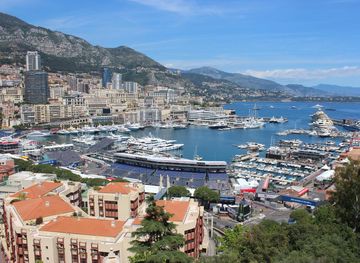
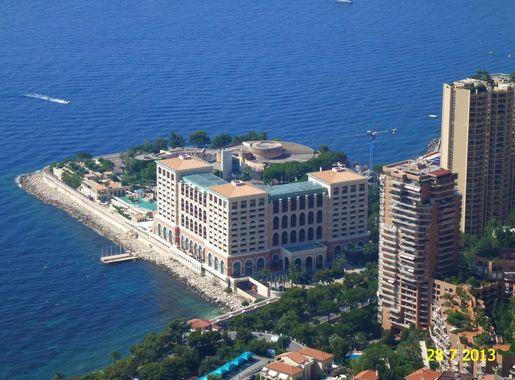
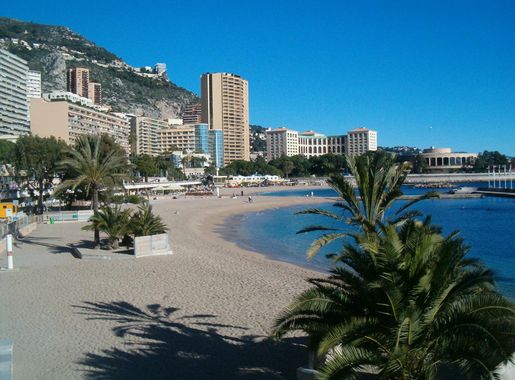
Monte Carlo Beach is a luxurious and picturesque destination located in the glamorous principality of Monaco. Nestled along the Mediterranean coast, this beach offers a perfect blend of natural beauty and sophisticated charm. The crystal-clear waters and pristine sands create a stunning backdrop for visitors looking to relax and soak up the sun. The beach is surrounded by lush greenery and elegant architecture, providing a serene escape from the hustle and bustle of city life. Visitors can enjoy a variety of water sports, including swimming, snorkeling, and paddleboarding. The nearby Monte Carlo Beach Hotel offers world-class amenities and exceptional dining experiences, making it an ideal spot for a romantic getaway or a family vacation. Monte Carlo Beach is also known for its vibrant social scene. The beach clubs and bars provide a lively atmosphere where tourists can mingle and enjoy the best of Monaco’s nightlife. Whether you're looking to unwind or indulge in some high-end leisure, Monte Carlo Beach promises an unforgettable experience.

Know before you go
Hi, I'm Eve. Here are a few practical things to know before exploring Monte Carlo Beach.
- Visit during the shoulder seasons of late spring or early autumn to avoid the peak crowds and enjoy pleasant weather.
- Pack reef-safe sunscreen to protect the marine life while enjoying the beach's beautiful waters.
- Make reservations in advance if you plan to dine at the Monte Carlo Beach Hotel's renowned restaurants.
- Consider renting a cabana for a day to enjoy a private and luxurious beach experience.
- Check out the local events calendar for beachside concerts and special gatherings happening during your stay.
Explore Monte Carlo Beach: Things to Do, Places to Eat, Hotels & More
Handpicked recommendations for top attractions, local dining, accommodations, and more

Best attractions in Monte Carlo Beach
Top-rated picks
Best Attractions

Antibes Land Park
Discover the joy of adventure and excitement at Antibes Land Park, a top amusement park in the heart of the French Riviera.

Plage des Sablettes
Discover the stunning Plage des Sablettes in Menton, a perfect blend of sun, sand, and Mediterranean charm for every type of traveler.

Riviera & Tours
Discover the essence of Nice at Riviera & Tours, a premier destination for unforgettable sightseeing and vibrant nightlife experiences.

Monaco Tourism Office
Explore Monaco's charming attractions and hidden gems at the Monaco Tourism Office, your ultimate guide to this luxurious city-state.

Best landmarks in Monte Carlo Beach
Top-rated picks
Best Landmarks

Casino de Monte-Carlo
Discover the opulent Casino de Monte-Carlo, a historic landmark of luxury gaming and entertainment in the heart of Monaco's glamorous lifestyle.

Musée océanographique de Monaco
Explore the wonders of marine life at the Musée Océanographique de Monaco, a blend of science, art, and breathtaking ocean views.

Prince's Palace of Monaco
Explore the Prince's Palace of Monaco, a historic castle offering breathtaking views and rich cultural heritage in the heart of the principality.

Princess Grace Japanese Garden
Experience tranquility and elegance at the Princess Grace Japanese Garden, a stunning oasis in the heart of Monaco's vibrant city life.

Best restaurants in Monte Carlo Beach
Top-rated picks
Best Restaurants

Café de Paris Monte-Carlo
Experience luxury dining at Café de Paris Monte-Carlo with exquisite French cuisine and stunning views near the iconic Casino.

Buddha-Bar Monte-Carlo
Experience luxury dining at Buddha-Bar Monte-Carlo with exquisite Asian cuisine and vibrant nightlife in the heart of Monaco.

La Note Bleue
Experience Mediterranean fine dining at La Note Bleue in Monaco - where exquisite flavors meet stunning seaside views.

Caffè Milano
Experience authentic Italian cuisine with stunning Mediterranean views at Caffè Milano in Monaco.

Best bars in Monte Carlo Beach
Top-rated picks
Best Bars

Buddha-Bar Monte-Carlo
Discover the opulent Buddha-Bar Monte-Carlo, where Asian and Mediterranean flavors meet in an enchanting atmosphere for a unique dining experience.

La Rascasse
Experience the vibrant nightlife and exquisite dining at La Rascasse, a premier bar and restaurant in the heart of Monaco.

La Note Bleue
Experience exquisite Mediterranean dining with stunning sea views at La Note Bleue, a culinary treasure in Monaco's vibrant landscape.

Équivoque Exclusive Rooftop Bar - Principauté de Monaco
Discover the elegance of Équivoque Exclusive Rooftop Bar in Monaco, featuring stunning views, exquisite cocktails, and an unforgettable ambiance.

Best nightclubs in Monte Carlo Beach
Top-rated picks
Best Nightclubs

La Rascasse
Discover La Rascasse, Monaco's iconic bar and disco club, where stunning views, vibrant music, and delicious cuisine create unforgettable nightlife experiences.

Twiga Monte Carlo
Experience the ultimate blend of luxury dining and vibrant nightlife at Twiga Monte Carlo, where culinary excellence meets unparalleled entertainment.

Blue Gin
Experience the elegance of Monaco at Blue Gin, a chic bar offering stunning Mediterranean views and expertly crafted cocktails.

Jimmy’z Monte-Carlo
Explore the vibrant nightlife of Monaco at Jimmy’z Monte-Carlo, where glamour meets electrifying music in a stunning coastal setting.

Best shops in Monte Carlo Beach
Top-rated picks
Best Shops

ZARA
Discover the latest fashion trends at ZARA in Monaco, where style meets affordability in a chic shopping experience.

Louis Vuitton Monaco
Experience unparalleled luxury shopping at Louis Vuitton Monaco, featuring high-end leather goods, fashion accessories, and exquisite craftsmanship.

Alexander McQueen
Experience luxury and avant-garde fashion at Alexander McQueen in Monaco, a premier destination for exquisite jewelry and clothing.

Maillot Palace
Discover the perfect beachwear and refreshing juices at Maillot Palace, the ultimate beach entertainment shop in Monaco.

Explore Monte Carlo Beach on the Map
A handpicked selection of must-see spots in Monte Carlo Beach, mapped for you.
Monte Carlo Beach Essentials
-
Monte Carlo Beach is located in Monaco, a small but glamorous principality on the French Riviera. The nearest major airport is Nice Côte d'Azur Airport (NCE) in France, approximately 30 kilometers away. From the airport, you can take a taxi, limousine service, or a direct helicopter transfer to Monaco. Alternatively, you can travel by train from Nice to Monaco-Monte Carlo station, which is a short taxi or bus ride away from Monte Carlo Beach.
-
Monaco has an efficient public transportation system that includes buses and electric bikes. The local bus service, operated by Compagnie des Autobus de Monaco, covers most parts of the principality and is an eco-friendly way to get around. Taxis are also readily available but can be expensive. For a scenic and luxurious experience, consider renting a bicycle or a high-end car. Walking is a great option within Monte Carlo, thanks to its compact size and well-maintained pedestrian paths.
-
The official currency in Monaco is the Euro (EUR). Credit and debit cards are widely accepted in hotels, restaurants, and shops. ATMs are plentiful and can be found throughout Monaco. It is advisable to carry some cash for smaller establishments or for tipping. Note that Monaco is known for its luxury, so prices can be higher than in other destinations.
-
Monaco is considered one of the safest places in Europe, with a very low crime rate. The principality is heavily policed and has a strong security presence. However, it is always advisable to take standard precautions: keep an eye on your belongings, avoid poorly lit areas at night, and be cautious of pickpockets in crowded places. There are no specific high-crime areas targeting tourists.
-
In case of emergency, dial 112 for immediate assistance, which connects you to emergency services in Monaco. The local police station and medical facilities, including the renowned Princess Grace Hospital, are well-equipped to handle emergencies. It is highly recommended to have travel insurance that covers medical emergencies. For minor health issues, pharmacies are available and can provide over-the-counter medications.
-
Fashion: Do dress stylishly and elegantly, as Monaco is known for its high fashion. Avoid overly casual or revealing clothing, especially in upscale areas. Religion: Do respect local customs and traditions, especially when visiting religious sites. Public Transport: Do use public transportation respectfully and be mindful of others. Don't eat or drink on public transport. Greetings: Do greet people with a polite 'Bonjour' or 'Bonsoir'. A light handshake is customary. Eating & Drinking: Do savor local specialties and fine dining options. Don't refuse hospitality, as it may be considered impolite.
-
To experience Monte Carlo Beach like a local, visit early in the morning or late in the afternoon to avoid the crowds. Enjoy a leisurely stroll along the Promenade des Champions or visit the nearby Japanese Garden for a tranquil escape. Engage with locals in cafes and try to learn a few phrases in French to enhance your experience. For a unique dining experience, consider having a meal at one of the beachside restaurants that offer fresh seafood and Mediterranean cuisine.
When is the best time to visit Monte Carlo Beach?
Useful Local Phrases for Monte Carlo Beach
You don't need to speak the language perfectly. Even learning a few simple words can make conversations warmer—and locals usually appreciate the effort.
— Eve

Here are the phrases I use most often in Monte Carlo Beach. Try a few—you'll be surprised how far they go! 😊
❤️
-
- HelloBonjour
[bon-zhoor] - GoodbyeAu revoir
[oh ruh-vwahr] - YesOui
[wee] - NoNon
[nohn] - Please/You're welcomeS'il vous plaît
[seel voo pleh] - Thank youMerci
[mehr-see] - Excuse me/SorryExcusez-moi
[ex-kew-zay mwah] - How are you?Comment ça va?
[ko-mohn sah vah] - Fine. And you?Bien. Et vous?
[byen. ay voo] - Do you speak English?Parlez-vous anglais?
[par-lay voo ahn-glay] - I don't understandJe ne comprends pas
[zhuh nuh kohm-prahnd pah]
- HelloBonjour
-
- I'd like to see the menu, pleaseJe voudrais voir la carte, s'il vous plaît
[zhuh vood-ray vwahr lah kart, seel voo pleh] - I don't eat meatJe ne mange pas de viande
[zhuh nuh mahnj pah deu vyand] - Cheers!Santé!
[sahn-tay] - I would like to pay, pleaseJe voudrais payer, s'il vous plaît
[zhuh vood-ray pay-yay, seel voo pleh]
- I'd like to see the menu, pleaseJe voudrais voir la carte, s'il vous plaît
-
- Help!Au secours!
[oh suh-koor] - Go away!Allez-vous en!
[ah-lay vooz ahn] - Call the Police!Appelez la police!
[ah-peh-lay lah po-lees] - Call a doctor!Appelez un médecin!
[ah-peh-lay uh mayd-sahn] - I'm lostJe suis perdu(e)
[zhuh swee pair-doo] - I'm illJe suis malade
[zhuh swee mah-lahd]
- Help!Au secours!
-
- I'd like to buy...Je voudrais acheter...
[zhuh vood-ray ah-shuh-tay] - I'm just lookingJe regarde juste
[zhuh ruh-gard zhoost] - How much is it?Combien ça coûte?
[kohm-byen sah koot] - That's too expensiveC'est trop cher
[say troh shair] - Can you lower the price?Pouvez-vous baisser le prix?
[poo-vay voo bay-say luh pree]
- I'd like to buy...Je voudrais acheter...
-
- What time is it?Quelle heure est-il?
[kel uhr ay-teel] - It's one o'clockIl est une heure
[eel ay oon uhr] - Half past (10)Dix et demie
[dees ay duh-mee] - MorningMatin
[mah-tan] - AfternoonAprès-midi
[ah-pray mee-dee] - EveningSoir
[swahr] - YesterdayHier
[yehr] - TodayAujourd'hui
[oh-zhoor-dwee] - TomorrowDemain
[duh-man] - 1Un
[uhn] - 2Deux
[duh] - 3Trois
[twah] - 4Quatre
[kah-truh] - 5Cinq
[sank] - 6Six
[sees] - 7Sept
[sept] - 8Huit
[wheat] - 9Neuf
[nuff] - 10Dix
[dees]
- What time is it?Quelle heure est-il?
-
- Where's a/the...?Où est...
[oo ay...] - What's the address?Quelle est l'adresse?
[kel ay lah-dress] - Can you show me (on the map)?Pouvez-vous me montrer (sur la carte)?
[poo-vay voo muh mohn-tray (soor lah kart)] - When's the next (bus)?Quand est le prochain (bus)?
[kahnd ay luh proh-shang (boos)] - A ticket (to ....)Un billet (pour ...)
[uhn bee-yay (poor)]
- Where's a/the...?Où est...
History of Monte Carlo Beach
-
Monte Carlo Beach, nestled on the azure shores of the Mediterranean Sea, was inaugurated in 1929. The beach resort was designed by the prominent architect Roger Seassal, blending Art Deco elegance with the natural beauty of Monaco’s coastline. Its opening marked the beginning of a new era of luxury and sophistication in the region, attracting the European elite and establishing itself as a premier destination for high society.
-
During the 1930s, Monte Carlo Beach became a symbol of glamour and opulence. The resort attracted famous personalities including royalty, movie stars, and influential artists. The beach's grandiose architecture and high-end amenities made it a favored retreat for the rich and famous. Events and parties held at the resort during this period became legendary, contributing to its storied reputation.
-
The outbreak of World War II in 1939 brought significant changes to Monte Carlo Beach, as it did to many parts of Europe. The resort experienced a period of decline due to the turbulence and uncertainty of the war years. However, post-war recovery saw the resurgence of Monte Carlo Beach, as it was restored and rejuvenated, regaining its status as a luxurious haven by the late 1940s.
-
The 1950s were a golden age for Monte Carlo Beach, as it became a preferred destination for Hollywood stars. Grace Kelly, who would later become Princess Grace of Monaco, was among the notable figures who frequented the resort. The beach’s allure was immortalized in films and photographs, further cementing its status as a symbol of elegance and luxury. The connection with the Hollywood elite added a new layer of glamour to its history.
-
In recent years, Monte Carlo Beach has undergone significant renovations to preserve its historical charm while incorporating modern amenities. The emphasis on sustainability has been a key focus, with eco-friendly initiatives being introduced to protect the natural environment. The resort now features a blend of historic elegance and contemporary luxury, ensuring it remains a premier destination for visitors from around the world.
Neighbouring destination travel guides
Browse our curated selection of top destinations, scenic points, and must-visit spots in the area.



Your all‑in‑one travel companion app
Explore expert travel guides, compare and book tours, experiences, hotels, and more—all from the palm of your hand. Download now for seamless trip planning wherever your wanderlust takes you.


Explore More of Monaco

Looking beyond Monte Carlo Beach? Discover Monaco for broader travel guides, local hot-spots, and regional highlights.
Explore MonacoMonte Carlo Beach in Photos
Browse through our photo collection highlighting the charm and character of the destination.





Monte Carlo Beach: Monaco's Jewel by the Sea
Monte Carlo Beach is a luxurious and picturesque destination located in the glamorous principality of Monaco. Nestled along the Mediterranean coast, this beach offers a perfect blend of natural beauty and sophisticated charm. The crystal-clear waters and pristine sands create a stunning backdrop for visitors looking to relax and soak up the sun. The beach is surrounded by lush greenery and elegant architecture, providing a serene escape from the hustle and bustle of city life. Visitors can enjoy a variety of water sports, including swimming, snorkeling, and paddleboarding. The nearby Monte Carlo Beach Hotel offers world-class amenities and exceptional dining experiences, making it an ideal spot for a romantic getaway or a family vacation. Monte Carlo Beach is also known for its vibrant social scene. The beach clubs and bars provide a lively atmosphere where tourists can mingle and enjoy the best of Monaco’s nightlife. Whether you're looking to unwind or indulge in some high-end leisure, Monte Carlo Beach promises an unforgettable experience.