

Monaco Grand Prix Circuit, Monaco Travel Guide
Experience the glamour and excitement of the Monaco Grand Prix Circuit, where high-speed racing meets the lavish lifestyle of Monte Carlo.
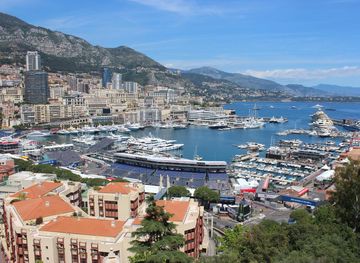
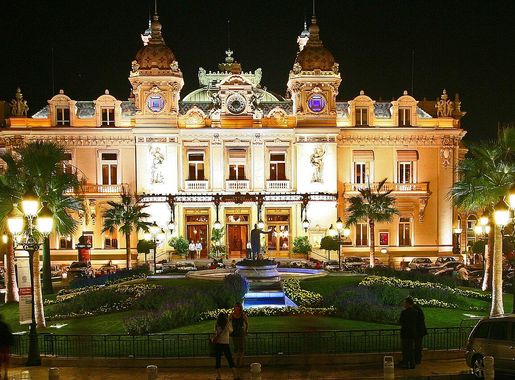
The Monaco Grand Prix Circuit is one of the most famous and prestigious racing tracks in the world. Located in the heart of Monte Carlo, this legendary circuit winds through the glamorous streets of Monaco, offering an exhilarating experience for both drivers and spectators alike. The narrow, winding roads, sharp turns, and elevation changes make it one of the most challenging tracks in Formula One racing. The circuit is not just about the race; it is also about the atmosphere. The Monaco Grand Prix is a social event that attracts celebrities, royalty, and motorsport enthusiasts from around the world. The race weekend is filled with parties, luxury yachts, and fine dining, making it a unique blend of sport and sophistication. Beyond the race, visitors can explore the charm of Monaco. Stroll along the harbor filled with impressive yachts, visit the Prince's Palace, or try your luck at the famous Monte Carlo Casino. The combination of high-speed action and luxurious surroundings makes the Monaco Grand Prix Circuit a must-visit for any travel or motorsport enthusiast.

Know before you go
Hi, I'm Eve. Here are a few practical things to know before exploring Monaco Grand Prix Circuit.
- Book your accommodation well in advance, as hotels fill up quickly during the Grand Prix weekend.
- Consider watching the race from a yacht in the harbor for a unique and luxurious experience.
- Wear comfortable shoes; the circuit is walkable but involves a lot of steep hills and stairs.
- Visit the Automobile Club of Monaco for historical insights and memorabilia of the Grand Prix.
- Public transportation can be crowded; plan your travel routes ahead of time to avoid delays.
Explore Monaco Grand Prix Circuit: Things to Do, Places to Eat, Hotels & More
Handpicked recommendations for top attractions, local dining, accommodations, and more

Best attractions in Monaco Grand Prix Circuit


Best landmarks in Monaco Grand Prix Circuit
Top-rated picks
Best Landmarks

Private Cars Collection of HSH Prince of Monaco
Explore the exquisite Private Cars Collection of HSH Prince of Monaco, showcasing a stunning array of luxury automobiles in a breathtaking setting.

Église de Sainte-Dévote
Explore the historical Église de Sainte-Dévote in Monaco, a captivating Catholic church rich in culture and spiritual significance.

Port Palace Hôtel
Experience unparalleled luxury and stunning views at the Port Palace Hôtel, a premier destination in the heart of Monaco's glamourous waterfront.

Circuit de Monaco
Explore the iconic Circuit de Monaco, home of the thrilling Formula 1 Grand Prix, where speed meets luxury against a stunning Mediterranean backdrop.

Best restaurants in Monaco Grand Prix Circuit
Top-rated picks
Best Restaurants

La Môme Monte-Carlo
Experience Mediterranean culinary excellence at La Môme Monte-Carlo - where flavor meets elegance in the heart of Monaco.

Caffè Milano
Experience exquisite Mediterranean dining at Caffè Milano in Monaco – where fresh ingredients meet stunning harbor views.

Steak ‘n Shake
Discover the ultimate American fast food experience at Steak 'n Shake in Monaco - where juicy burgers meet rich shakes!

La Bionda
Savor authentic Italian flavors at La Bionda in Monaco - where every meal is a celebration of Italy's culinary heritage.

Best bars in Monaco Grand Prix Circuit
Top-rated picks
Best Bars
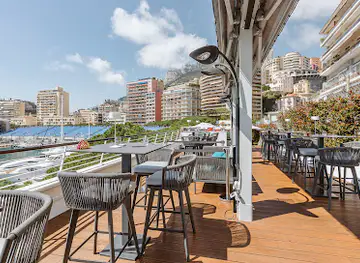
Équivoque Exclusive Rooftop Bar - Principauté de Monaco
Discover luxury at Équivoque Exclusive Rooftop Bar in Monaco, where breathtaking views meet exquisite cocktails and an unforgettable atmosphere.

Caffè Milano
Discover the exquisite Italian flavors at Caffè Milano, a culinary treasure with stunning Mediterranean views in the heart of Monaco.

Monaco Brewery
Discover the best of Monaco's craft beer and cocktails at Monaco Brewery, a brewpub that blends taste and atmosphere in the heart of the French Riviera.

Best nightclubs in Monaco Grand Prix Circuit
Top-rated picks
Best Nightclubs

Grand Prix Monaco Billet
Immerse yourself in the exhilarating atmosphere of the Grand Prix Monaco, where speed meets luxury in one of the world's most glamorous cities.

First Class Organization: Monaco Grand Prix
Monaco Grand Prix: Witness the ultimate motorsport spectacle against the stunning backdrop of the French Riviera, where luxury meets adrenaline.

Best shops in Monaco Grand Prix Circuit
Top-rated picks
Best Shops

Rossi La Bottega del Gelato
Experience the authentic taste of Italian gelato at Rossi La Bottega del Gelato, a must-visit sweet spot in the heart of Monaco.

Private Cars Collection of HSH Prince of Monaco
Discover the magnificent Private Cars Collection of HSH Prince of Monaco, showcasing automotive history and royal luxury in the heart of Monaco.

Boutique ACM
Discover Boutique ACM in Monaco, offering luxury clothing and accessories that embody elegance and style in the heart of the Mediterranean.

Grand Prix Monaco Billet
Discover the exhilarating Grand Prix Monaco, where motorsport meets luxury in a spectacular setting, offering an unforgettable experience for every visitor.

Explore Monaco Grand Prix Circuit on the Map
A handpicked selection of must-see spots in Monaco Grand Prix Circuit, mapped for you.
Monaco Grand Prix Circuit Essentials
-
Monaco is easily accessible by air, train, and road. The nearest airport is Nice Côte d'Azur Airport in France, which is about 30 kilometers away. From the airport, you can take a helicopter transfer directly to Monaco, a taxi, or a shuttle bus to reach the principality. Alternatively, you can take a train from Nice to Monaco-Monte Carlo station, which takes around 25 minutes.
-
Monaco has an efficient public bus system operated by Compagnie des Autobus de Monaco (CAM). Taxis are also readily available, but they can be expensive. Walking is a great option due to the compact size of Monaco. Additionally, there are several elevators and escalators that help navigate the steep terrain. Car rentals are available but driving in Monaco can be challenging due to narrow streets and heavy traffic during events like the Grand Prix.
-
The official currency in Monaco is the Euro (EUR). Credit and debit cards are widely accepted, including in hotels, restaurants, and shops. ATMs are plentiful, and most banks offer currency exchange services. It is advisable to carry some cash for small purchases or in case of technical issues with card payments.
-
Monaco is one of the safest destinations in the world with very low crime rates. However, it is always wise to take standard precautions, such as keeping an eye on your belongings in crowded areas and being cautious at night. There are no specific high-crime neighborhoods targeting tourists, but always remain vigilant and aware of your surroundings.
-
In case of an emergency, dial 112 for immediate assistance. Monaco has excellent medical facilities, including the Princess Grace Hospital Centre. It is recommended to have travel insurance that covers medical emergencies. Pharmacies are available for minor health issues, and they can provide over-the-counter medications.
-
Fashion: Do dress smartly, especially if you plan to visit casinos or high-end restaurants. Avoid overly casual or beachwear outside of the beach areas. Religion: Do respect local customs and traditions. Monaco is predominantly Roman Catholic, and it is polite to dress modestly when visiting religious sites. Public Transport: Do be respectful and considerate to fellow passengers. Avoid loud conversations and do not eat or drink on public transport. Greetings: Do greet people with a polite 'Bonjour' or 'Bonsoir' and a handshake. Eating & Drinking: Do try local specialties and accept hospitality graciously. Don't tip excessively; a service charge is usually included in the bill.
-
To experience Monaco like a local, visit the Condamine Market where you can find fresh produce and local delicacies. Take a stroll along the Port Hercule to see stunning yachts. If you're there during the Monaco Grand Prix, consider watching the race from a less crowded spot like the Rocher, where locals gather. Explore the old town, Monaco-Ville, to experience the authentic charm of Monaco.
When is the best time to visit Monaco Grand Prix Circuit?
Useful Local Phrases for Monaco Grand Prix Circuit
You don't need to speak the language perfectly. Even learning a few simple words can make conversations warmer—and locals usually appreciate the effort.
— Eve

Here are the phrases I use most often in Monaco Grand Prix Circuit. Try a few—you'll be surprised how far they go! 😊
❤️
-
- HelloBonjour
[bohn-zhoor] - GoodbyeAu revoir
[oh ruh-vwahr] - YesOui
[wee] - NoNon
[nohn] - Please/You're welcomeS'il vous plaît/De rien
[seel voo pleh/duh ryehn] - Thank youMerci
[mehr-see] - Excuse me/SorryExcusez-moi/Désolé
[ehk-skyoo-zay mwah/deh-zoh-lay] - How are you?Comment ça va?
[koh-mohn sah vah] - Fine. And you?Bien. Et toi?
[byehn/eh twah] - Do you speak English?Parlez-vous anglais?
[par-lay voo ahn-glay] - I don't understandJe ne comprends pas
[zhuh nuh kohm-prahnd pah]
- HelloBonjour
-
- I'd like to see the menu, pleaseJe voudrais voir la carte, s'il vous plaît
[zhuh voo-dray vwahr lah kart, seel voo pleh] - I don't eat meatJe ne mange pas de viande
[zhuh nuh mahnj pah duh vee-ahnd] - Cheers!Santé!
[sahn-tay] - I would like to pay, pleaseJe voudrais payer, s'il vous plaît
[zhuh voo-dray pay-yay, seel voo pleh]
- I'd like to see the menu, pleaseJe voudrais voir la carte, s'il vous plaît
-
- Help!Au secours!
[oh suh-koor] - Go away!Allez-vous en!
[ah-lay voo zahn] - Call the Police!Appelez la police!
[ah-pay-lay lah poh-lees] - Call a doctor!Appelez un médecin!
[ah-pay-lay uh mayd-sahn] - I'm lostJe suis perdu
[zhuh swee pair-doo] - I'm illJe suis malade
[zhuh swee mah-lahd]
- Help!Au secours!
-
- I'd like to buy...Je voudrais acheter...
[zhuh voo-dray zah-shey...] - I'm just lookingJe regarde juste
[zhuh ruh-gahrd juhst] - How much is it?Combien ça coûte?
[kohm-byen sah koot] - That's too expensiveC'est trop cher
[say troh shehr] - Can you lower the price?Pouvez-vous baisser le prix?
[poo-veh voo beh-say luh pree]
- I'd like to buy...Je voudrais acheter...
-
- What time is it?Quelle heure est-il?
[kehl uhr ay-teel] - It's one o'clockIl est une heure
[eel ay uhn uhr] - Half past (10)Dix et demi
[dees ay dem-ee] - MorningMatin
[mah-tahn] - AfternoonAprès-midi
[ah-pray mee-dee] - EveningSoir
[swar] - YesterdayHier
[yehr] - TodayAujourd'hui
[oh-zhoor-dwee] - TomorrowDemain
[duh-man] - 1Un
[uh] - 2Deux
[duh] - 3Trois
[trwah] - 4Quatre
[kah-truh] - 5Cinq
[sank] - 6Six
[sees] - 7Sept
[set] - 8Huit
[weet] - 9Neuf
[nuhf] - 10Dix
[dees]
- What time is it?Quelle heure est-il?
-
- Where's a/the...?Où est...?
[oo ay...] - What's the address?Quelle est l'adresse?
[kehl ay la-drehss] - Can you show me (on the map)?Pouvez-vous me montrer (sur la carte)?
[poo-veh voo muh mohn-tray (soor lah kart)] - When's the next (bus)?Quand est le prochain (bus)?
[kahn ay luh proh-shahn (boos)] - A ticket (to ....)Un billet (pour ...)
[uhn bee-yay (poor ...)]
- Where's a/the...?Où est...?
History of Monaco Grand Prix Circuit
-
The Monaco Grand Prix was first held in 1929, organized by Antony Noghès, under the patronage of Prince Louis II of Monaco. The race was created to bring prestige and international attention to the principality. The inaugural race was won by William Grover-Williams driving a Bugatti Type 35B.
-
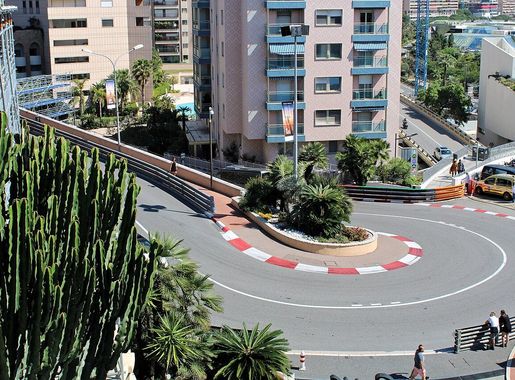
The Circuit de Monaco is renowned for its challenging layout, weaving through the narrow streets of Monte Carlo and La Condamine. The circuit's tight corners, elevation changes, and tunnel section make it one of the most demanding tracks in Formula 1. The lap distance is 3.337 km (2.074 miles), and it remains largely unchanged since its inception.
-
During the pre-war era, the Monaco Grand Prix became a pivotal event in the European Championship, attracting top drivers and manufacturers. The race was held sporadically due to financial constraints and the outbreak of World War II, but it established a reputation for glamour and excitement.
-
The Monaco Grand Prix resumed in 1948 after a hiatus due to World War II. The post-war era saw the rise of legendary drivers such as Juan Manuel Fangio and Stirling Moss, who showcased their skills on the treacherous streets of Monaco. The race became a fixture in the newly formed Formula 1 World Championship in 1950.
-
Ayrton Senna is synonymous with the Monaco Grand Prix, having won the race a record six times between 1987 and 1993. His mastery of the circuit, especially during qualifying sessions, earned him the title 'King of Monaco.' Senna's performances at Monaco are regarded as some of the greatest in the history of Formula 1.
-
In recent years, the Monaco Grand Prix has continued to evolve with advancements in safety and technology. Despite these changes, the circuit has retained its historic charm and remains a highlight of the Formula 1 calendar. The race is a symbol of luxury, with its backdrop of yachts, casinos, and the Mediterranean Sea.
-
The Monaco Grand Prix is more than just a race; it is a cultural event that attracts celebrities, royals, and motorsport enthusiasts from around the world. The event is a showcase of Monaco's opulence and serves as a key economic driver for the principality, highlighting its unique blend of tradition and modernity.
Cities in Monaco Grand Prix Circuit
Browse our curated selection of top destinations, scenic points, and must-visit spots in the area.

Neighbouring destination travel guides
Browse our curated selection of top destinations, scenic points, and must-visit spots in the area.


Your all‑in‑one travel companion app
Explore expert travel guides, compare and book tours, experiences, hotels, and more—all from the palm of your hand. Download now for seamless trip planning wherever your wanderlust takes you.


Explore More of Monaco

Looking beyond Monaco Grand Prix Circuit? Discover Monaco for broader travel guides, local hot-spots, and regional highlights.
Explore MonacoMonaco Grand Prix Circuit in Photos
Browse through our photo collection highlighting the charm and character of the destination.





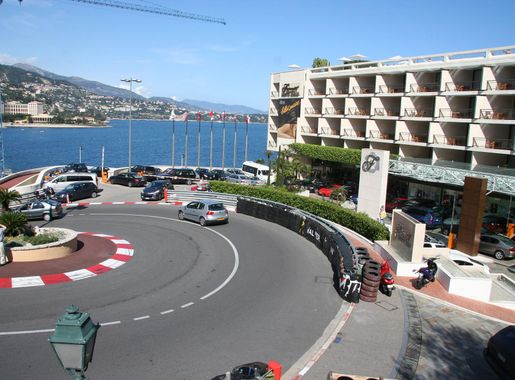
The Thrill of the Monaco Grand Prix Circuit
The Monaco Grand Prix Circuit is one of the most famous and prestigious racing tracks in the world. Located in the heart of Monte Carlo, this legendary circuit winds through the glamorous streets of Monaco, offering an exhilarating experience for both drivers and spectators alike. The narrow, winding roads, sharp turns, and elevation changes make it one of the most challenging tracks in Formula One racing. The circuit is not just about the race; it is also about the atmosphere. The Monaco Grand Prix is a social event that attracts celebrities, royalty, and motorsport enthusiasts from around the world. The race weekend is filled with parties, luxury yachts, and fine dining, making it a unique blend of sport and sophistication. Beyond the race, visitors can explore the charm of Monaco. Stroll along the harbor filled with impressive yachts, visit the Prince's Palace, or try your luck at the famous Monte Carlo Casino. The combination of high-speed action and luxurious surroundings makes the Monaco Grand Prix Circuit a must-visit for any travel or motorsport enthusiast.