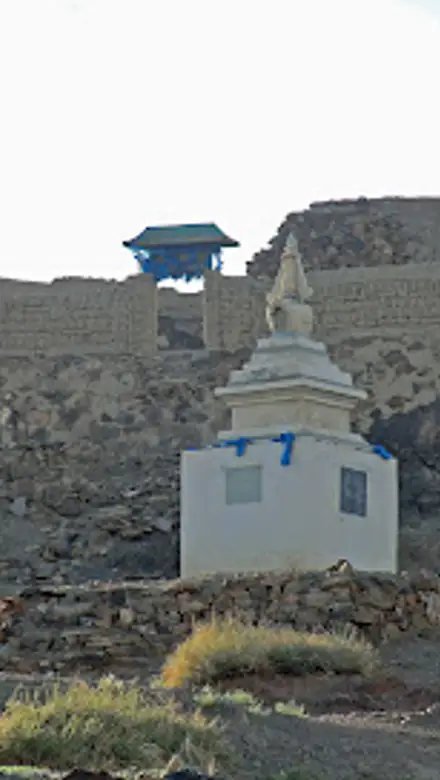
Ongi Monastery Travel Guide
Free Guide: Explore Ongi Monastery, a stunning spiritual site in Mongolia's Dundgovi, rich in history and surrounded by breathtaking landscapes.


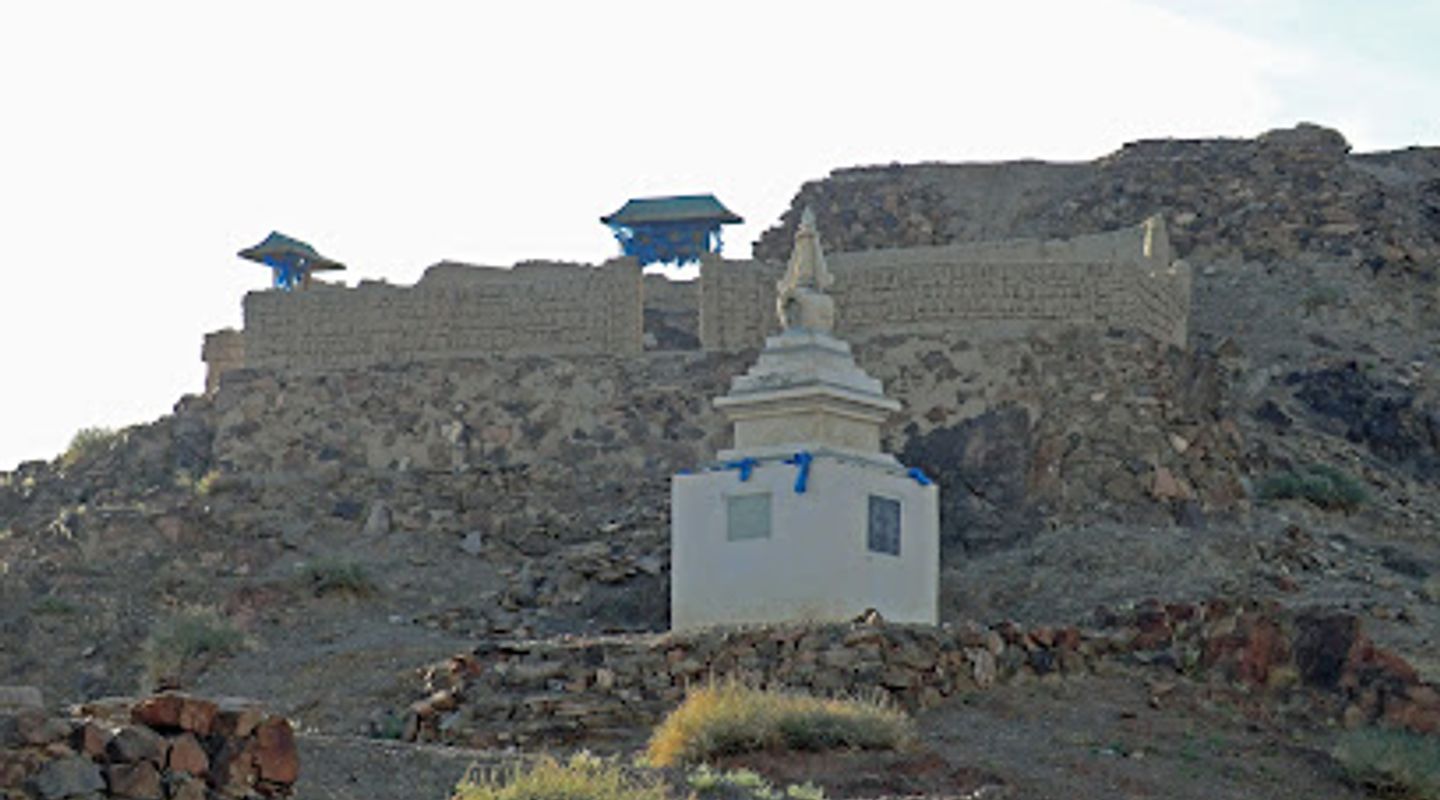
A brief summary of Ongi Monastery
Explore Ongi Monastery, a stunning spiritual site in Mongolia's Dundgovi, rich in history and surrounded by breathtaking landscapes.
Nestled in the serene landscapes of Dundgovi, Ongi Monastery offers a captivating glimpse into Mongolia's rich spiritual heritage. Once a thriving center of Buddhism, it now stands as a testament to resilience and beauty, captivating tourists with its stunning ruins and picturesque surroundings.
- Address
- 82Q3+WPF, Dundgovi
Getting there
Car
Public Transportation
Walking
Discover more about Ongi Monastery
Overview
Ongi Monastery, located in the tranquil expanses of Dundgovi province, is a remarkable site that invites travelers to delve into Mongolia's spiritual legacy. Once a significant and vibrant center of Buddhist learning and practice, the monastery is now a captivating remnant of its former glory, featuring stunning ruins that tell stories of the past. The serene environment surrounds the site, providing visitors with a peaceful atmosphere ideal for reflection and exploration.As you wander through the remnants of Ongi Monastery, you'll encounter intricate stone carvings and the remnants of sacred halls that once echoed with chants and prayers. The compelling history of the site, along with its beautiful backdrop of rolling hills and clear skies, makes it a perfect destination for both history enthusiasts and nature lovers. Despite the challenges it faced over the years, the site remains a potent symbol of faith and perseverance, attracting those who seek to connect with Mongolia’s spiritual essence.Visitors to Ongi Monastery can also enjoy the breathtaking landscapes that surround the site. This region is characterized by vast open spaces and dramatic geological formations that are perfect for hiking and photography. Whether you are a pilgrim seeking spiritual solace or a traveler eager to uncover cultural treasures, Ongi Monastery provides an enriching experience that resonates long after you leave its sacred grounds.
Evendo Review Centre
 Google
Guest reviews
Explore Ongi Monastery on the map
A handpicked selection of must-see spots near Ongi Monastery, mapped for you.
Get your free copy of our complete guide to Ongi Monastery, delivered straight to you.
Everything on this page, from opening hours and how to get there to Eve’s tips and the best time to go, in one PDF you can read offline, print or share.
Already have an account? Sign in
Your Ongi Monastery guide is ready.
We'll send it to · Not you? Sign out

Getting your guide ready…
We are putting together a fresh copy of the Ongi Monastery guide. This can take up to a minute.
This can take a few moments. If your browser asks, choose Allow so the download can start. You'll find the guide in your Downloads folder.
Nothing happened? Download it again
Sorry, the guide is taking longer than usual. Please try again in a minute, or get it by email instead.
Unlock the best of Ongi Monastery
Skip-the-line tickets, guided tours with entry, and walking tours of the area, booked in a few clicks.


Other nearby places you may find interesting
The closest places of the same kind, if this one is not quite what you had in mind.
-

-
-
-
-


Swipe for more places
More to explore near Ongi Monastery

 Best experiences near Ongi Monastery
 Best hotels near Ongi Monastery
 Best landmarks near Ongi Monastery
 Best attractions near Ongi Monastery
 Best shops near Ongi Monastery
 Best restaurants near Ongi Monastery
 Best bars near Ongi Monastery
Do you manage this location?
Take control to get all the benefits, like improved information, better appearance, and stronger visibility across AI-powered discovery.
Explore more
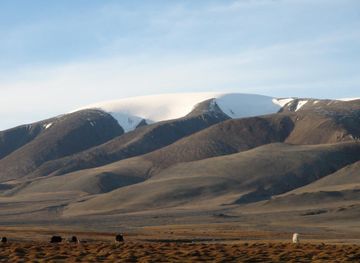
Explore more of Dzungarian Basin
Discover the Dzungarian Basin: Mongolia's hidden gem of wild landscapes, rare wildlife, and rich nomadic culture.
Explore Dzungarian Basin
Explore more of Mongolia
Discover Mongolia: From the vast steppes and towering mountains to the rich nomadic culture and ancient traditions, experience the land of eternal blue sky.
Explore Mongolia