

Free Dzungarian Basin Travel Guide & Mobile App
Explore Dzungarian Basin with free travel guides. Discover regional history, expert tips, proposed trips, and audio guides on web or mobile app.


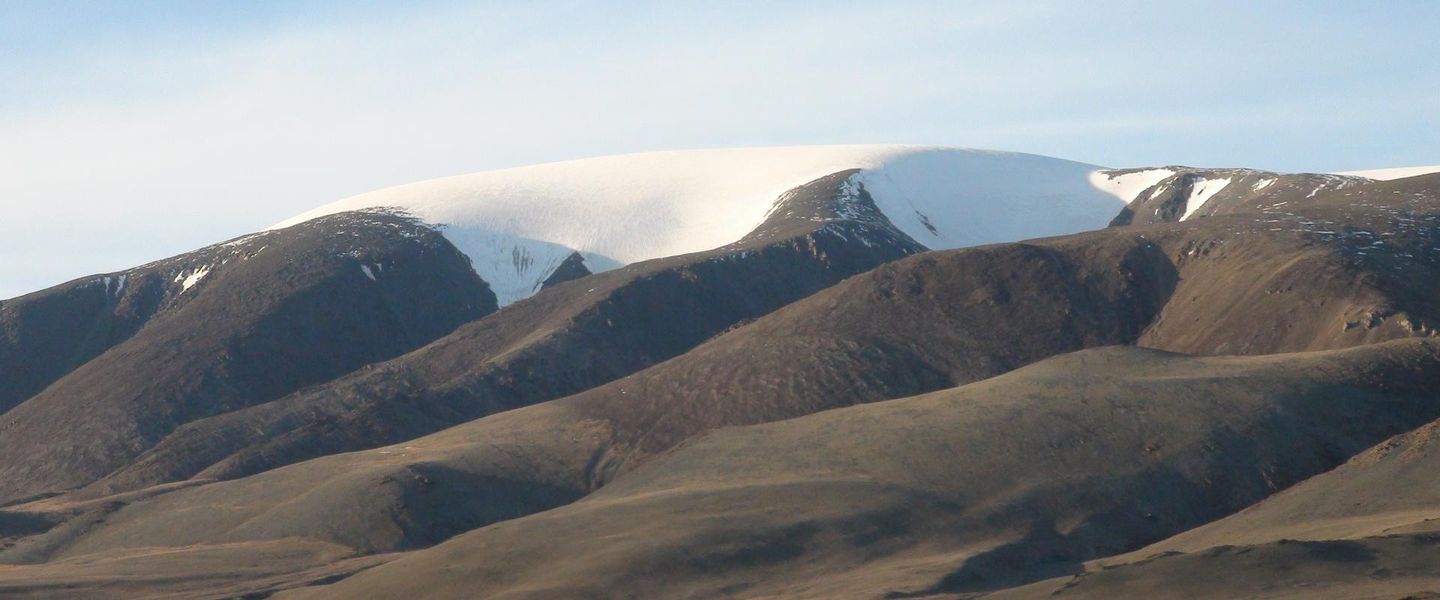


Explore Mongolia’s Dzungarian Gobi, remote Altai landscapes, desert wildlife and nomadic heritage near the wider Dzungarian frontier.
Read more about Dzungarian Basin
When is the best time to visit Dzungarian Basin?
Best: June, August–September · 23–29°C| Month | High (°C) | Rainfall (mm) |
|---|---|---|
| January | -10 | 3 |
| February | -8 | 4 |
| March | 2 | 5 |
| April | 12 | 6 |
| May | 20 | 7 |
| June (best) | 26 | 8 |
| July | 30 | 9 |
| August (best) | 29 | 8 |
| September (best) | 23 | 7 |
| October | 14 | 6 |
| November | 4 | 5 |
| December | -5 | 4 |
Getting to and around Dzungarian Basin
How to get there
Transportation
Best attractions in Dzungarian Basin
The Mongolian side of the Dzungarian frontier is an expedition landscape rather than a concentration of conventional attractions. Great Gobi A Strictly Protected Area is the principal draw for visitors interested in desert ecology and the conservation of wild bactrian camels, Asiatic wild asses and other arid-zone species. Sightings are never guaranteed, and the reserve’s remoteness is part of its character. The Dzungarian Gobi and adjacent Altai country also offer wide gravel plains, dry valleys, isolated springs, mountain views and opportunities to observe how pastoral households use scarce resources. Western provincial centres such as Khovd and Gobi-Altai provide access to local museums, markets and practical services, but they are gateways rather than substitutes for the desert itself. Archaeological traces, rock art and ancient burial landscapes can be encountered in the wider region, subject to access and conservation rules. The main Dzungarian Basin, including the more extensive lowlands of Xinjiang, lies outside Mongolia and should not be presented as part of the Mongolian itinerary.
-
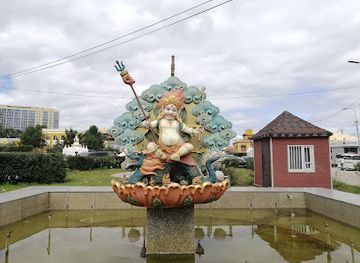
Buddhist temple
Gandantegchinlen Monastery
Explore the serene and culturally rich Gandantegchinlen Monastery in Ulaanbaatar, a significant Buddhist temple and historical site.
-
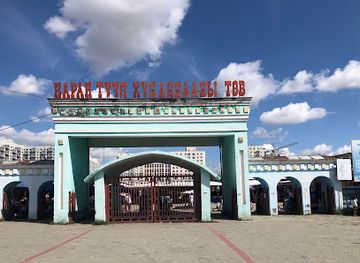
Market
Narantuul Market
Experience the heart of Ulaanbaatar at Narantuul Market, where local culture, delicious food, and unique crafts await every traveler.
-
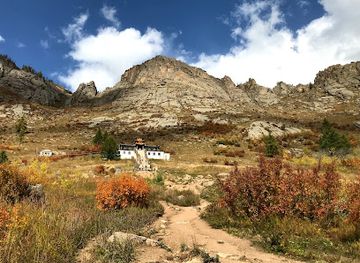
Buddhist temple
Aryapala Temple Meditation Center
Discover tranquility and spiritual wisdom at Aryapala Temple Meditation Center, a serene Buddhist sanctuary in the heart of Mongolia.
-
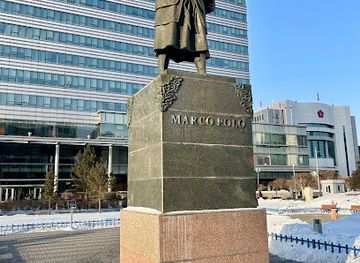
Sculpture
Estátua de Marco Polo
Discover the Estátua de Marco Polo in Ulaanbaatar, a monumental tribute to exploration and cultural exchange, capturing the spirit of the Silk Road.
Best landmarks in Dzungarian Basin
The most important landmark associated with Mongolia’s Dzungarian desert country is Great Gobi A Strictly Protected Area, whose significance is ecological rather than architectural. Its immense protected range represents one of the last strongholds of the wild bactrian camel and gives the Mongolian desert international conservation importance. The Dzungarian Gobi itself is a geographical landmark: a broad, austere desert transition shaped by the Mongolian Altai and linked historically to the wider Dzungarian region beyond the border. Dry river channels, isolated wells and mountain-edge escarpments provide the visual structure of travel through the area, although their appearance changes with season and light. Archaeological monuments and rock-art localities in western Mongolia add human depth to the landscape, but many are remote, poorly signposted or subject to protection rules. The Dzungarian Gate and the main basin of Dzungaria are outside Mongolia, principally in the cross-border region of China and Kazakhstan, and should be treated as neighbouring geographical references rather than Mongolian landmarks.
-
Tourist attraction
Chinggis Khaan Statue Complex
Explore the grandeur of the Chinggis Khaan Statue Complex, a monumental tribute to Mongolia's legendary leader and cultural heritage.
-
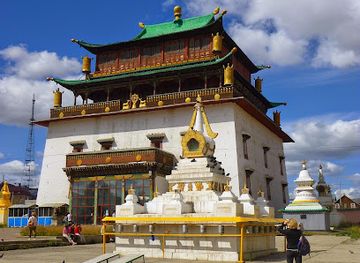
Buddhist temple
Gandantegchinlen Monastery
Explore the tranquil beauty and rich spiritual heritage of Gandantegchinlen Monastery in Ulaanbaatar, a must-visit for cultural enthusiasts and peace seekers alike.
-
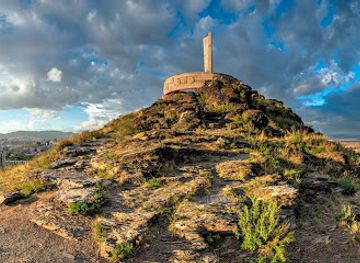
Monument
Zaisan Monument
Explore Zaisan Monument, a stunning tribute overlooking Ulaanbaatar, blending historical significance with breathtaking panoramic views.
-
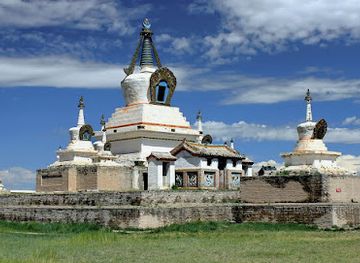
Monastery
Erdene Zuu Monastery
Explore the ancient Erdene Zuu Monastery in Kharkhorin, a UNESCO World Heritage site and a profound symbol of Mongolia's spiritual and cultural legacy.

Explore Dzungarian Basin on the map
Plan your trip on one map. See where the top cities, national parks and sights are, and book hotels and experiences in a few clicks.
Best hotels in Dzungarian Basin
Best restaurants in Dzungarian Basin
Dining in the Mongolian landscapes associated with the Dzungarian Gobi is centred on provincial towns, roadside cafés and family-run ger camps rather than a developed restaurant scene. Food is typically practical and filling, with buuz steamed dumplings, khuushuur fried meat pastries, noodle dishes, rice, soups and dairy products forming part of the wider Mongolian culinary tradition. In pastoral areas, visitors may be offered airag or other traditional dairy foods, although availability depends on season and household practice. Khovd and Gobi-Altai offer the broadest choice of restaurants and shops, while remote journeys require supplies to be carried. Fresh produce can be limited far from towns, so dietary requirements should be discussed with an operator in advance. Meals in a ger camp are often prepared for the group and may reflect national Mongolian cooking more than a narrowly defined Dzungarian cuisine.
-
Italian
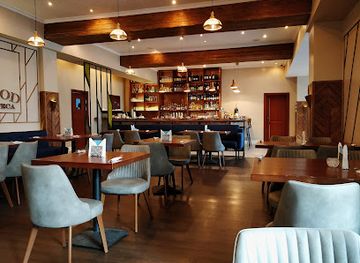
DeQuattro by Rosewood
Discover authentic Italian flavors at DeQuattro by Rosewood – a bistro where every dish tells a story in Ulaanbaatar.
-
Restaurant
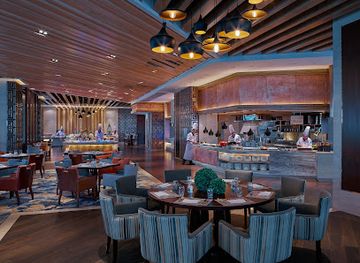
Café Park Buffet Restaurant⭐⭐⭐⭐⭐
Discover an exquisite buffet dining experience at Café Park Restaurant in Ulaanbaatar, featuring global cuisines perfect for every palate.
-
Mediterranean
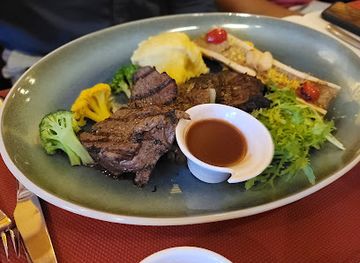
Choijin Temple Restaurant
Experience authentic Mediterranean cuisine in Ulaanbaatar's charming Choijin Temple Restaurant - where flavor meets elegance.
-
Chinese
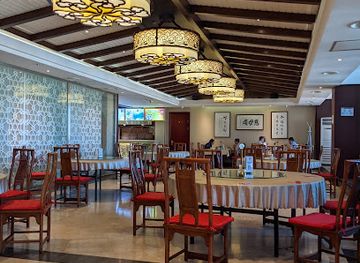
Yu Long Chinese Restaurant
Experience exquisite Chinese cuisine in Ulaanbaatar at Yu Long Chinese Restaurant – where tradition meets elegance.
Best bars in Dzungarian Basin
Nightlife is limited across the western desert and is not a principal reason to visit. In Khovd and Gobi-Altai, evening activity is concentrated around ordinary cafés, hotel restaurants and a small number of local bars, with the selection and opening arrangements changing over time. Outside provincial centres, nights are generally spent at ger camps or pastoral households, where conversation, music and observation of the stars are more realistic than clubs or late venues. Alcohol is available in towns, but carrying out long desert drives after drinking is particularly dangerous and socially inappropriate. Visitors should not expect a significant nightclub scene in the Dzungarian Gobi or in Great Gobi A Strictly Protected Area.
-
 Italian
DeQuattro by Rosewood
Discover authentic Italian flavors at DeQuattro by Rosewood, Ulaanbaatar's premier bistro for food lovers and culinary adventurers.
-
Restaurant
Grand Khaan Irish Pub
Experience the vibrant blend of Irish hospitality and Mongolian culture at Grand Khaan Irish Pub in Ulaanbaatar.
-
Restaurant
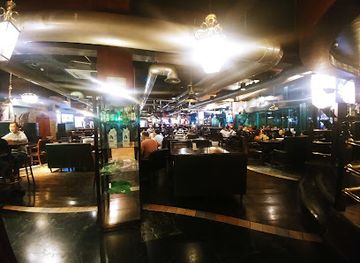
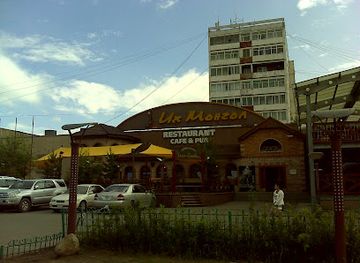
Great Mongol Restaurant & Pub
Experience the rich flavors of Mongolia at Great Mongol Restaurant & Pub, a culinary hot spot in Ulaanbaatar for both locals and travelers.
-
Restaurant
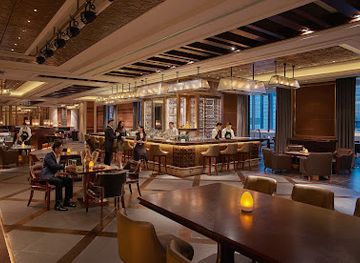
Naadam Bar & Restaurant, Shangri-La Ulaanbaatar
Experience a culinary journey at Naadam Bar & Restaurant, where American, Asian, and European flavors come together in Ulaanbaatar's premier dining destination.
Best nightclubs in Dzungarian Basin
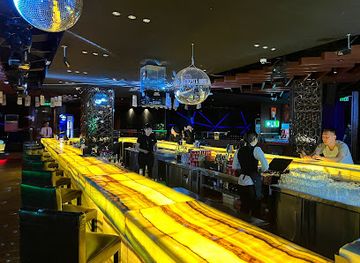
Nightlife is limited across the western desert and is not a principal reason to visit. In Khovd and Gobi-Altai, evening activity is concentrated around ordinary cafés, hotel restaurants and a small number of local bars, with the selection and opening arrangements changing over time. Outside provincial centres, nights are generally spent at ger camps or pastoral households, where conversation, music and observation of the stars are more realistic than clubs or late venues. Alcohol is available in towns, but carrying out long desert drives after drinking is particularly dangerous and socially inappropriate. Visitors should not expect a significant nightclub scene in the Dzungarian Gobi or in Great Gobi A Strictly Protected Area.
-
Night club
CHOCO CLUB ULAANBAATAR
Experience the vibrant nightlife of Ulaanbaatar at Choco Club, where music, dance, and style come together in an unforgettable atmosphere.
-
Live Music
River Sounds Live Music Club
Dive into Ulaanbaatar's nightlife at River Sounds Live Music Club, where live music, local flavors, and vibrant energy create unforgettable nights.
-
Night club
MINT Club
Discover the heartbeat of Ulaanbaatar's nightlife at MINT Club - where music, dancing, and vibrant energy come together for an unforgettable experience.
-
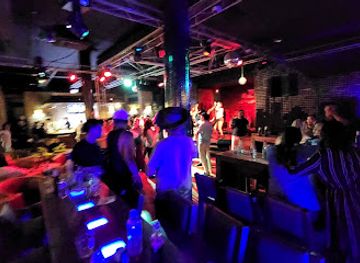
Night club
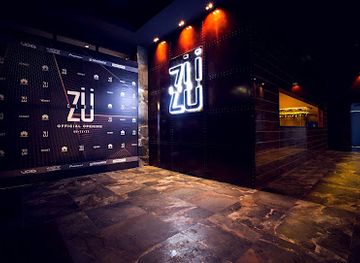
ZU CLUB
Discover the vibrant nightlife of Ulaanbaatar at ZU CLUB, where music, dancing, and unforgettable experiences await you.

Best shops in Dzungarian Basin
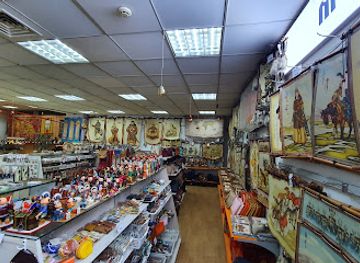
Shopping opportunities are concentrated in Khovd, Gobi-Altai and other provincial settlements rather than in the remote desert. Small markets and general shops are useful for water, packaged food, warm clothing, batteries and basic travel supplies, while larger towns may offer cashmere garments, felt goods, leather items, woollen textiles and practical nomadic equipment. Visitors may also find regional dairy products or dried foods, but transport and customs rules should be considered before buying animal products. Ger camps sometimes sell locally made crafts, although stock is inconsistent and should not be assumed. There is no major luxury retail district or permanent specialist market serving the Dzungarian Gobi. Purchases should support genuine makers where possible, and archaeological objects, fossils and wildlife products should never be bought or removed from the region.
-
Department store
State Department Store
Explore the State Department Store - Ulaanbaatar's largest shopping destination, offering an array of local and international products and cultural experiences.
-
Market
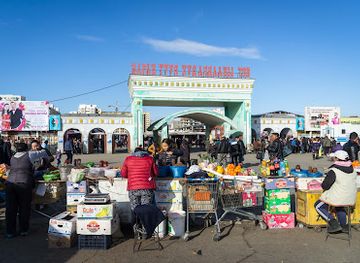
Narantuul Market
Explore the heart of Ulaanbaatar at Narantuul Market - a vibrant bazaar of traditional crafts, local produce, and an authentic Mongolian experience.
-
Shopping mall
Ulaanbaatar Department Store
Explore the Ulaanbaatar Department Store for a unique blend of local culture and modern shopping in Mongolia's vibrant capital.
-
Shopping mall
Hunnu Mall
Explore Hunnu Mall in Ulaanbaatar: A shopping paradise blending local culture, international brands, and delightful dining experiences.
Get your free copy of our complete guide to Dzungarian Basin, delivered straight to you.
Everything on this page, from attractions and restaurants to essentials and local phrases, in one PDF you can read offline, print or share.
Already have an account? Sign in
Your Dzungarian Basin guide is ready.
We'll send it to · Not you? Sign out

Getting your guide ready…
We are putting together a fresh copy of the Dzungarian Basin guide. This can take up to a minute.
This can take a few moments. If your browser asks, choose Allow so the download can start. You'll find the guide in your Downloads folder.
Nothing happened? Download it again
Sorry, the guide is taking longer than usual. Please try again in a minute, or get it by email instead.
Dzungarian Basin essentials
Currency and Payment
Safety
Emergency Situations
Do's and Don'ts
Local Tips
From Eve
Local phrases worth knowing
You don't need to get them perfect. A few words go a long way, and locals appreciate the effort.
Basics
| English | Local | Say it |
|---|---|---|
| Hello | Сайн байна уу | [Sain baina uu] |
| Goodbye | Баяртай | [Bayartai] |
| Yes | Тийм | [Tiim] |
| No | Үгүй | [Ügüi] |
| Please/You're welcome | Гуйя | [Guiya] |
| Thank you | Баярлалаа | [Bayarlalaa] |
| Excuse me/Sorry | Уучлаарай | [Uuchlaarai] |
| How are you? | Та ямар байна вэ? | [Ta yamar baina ve?] |
| Fine. And you? | Сайн. Та юу? | [Sain. Ta yuu?] |
| Do you speak English? | Та англиар ярьдаг уу? | [Ta angliar yaryadag uu?] |
| I don't understand | Би ойлгохгүй байна | [Bi oilgokhgui baina] |
Eating & Drinking
| English | Local | Say it |
|---|---|---|
| I'd like to see the menu, please | Миний менюг харахыг хүсч байна | [Minii menyug kharakhyg khüsch baina] |
| I don't eat meat | Би мах иддэггүй | [Bi makh iddegüi] |
| Cheers! | Баярлалаа! | [Bayarlalaa!] |
| I would like to pay, please | Би төлбөрөө хийхийг хүсч байна | [Bi tölbööree khiikhiig khüsch baina] |
Emergencies
| English | Local | Say it |
|---|---|---|
| Help! | Туслаач! | [Tuslaach!] |
| Go away! | Зайлаач! | [Zailaach!] |
| Call the Police! | Полицыг дуудна уу! | [Politsyg duudna uu!] |
| Call a doctor! | Эмч дуудна уу! | [Emch duudna uu!] |
| I'm lost | Би алга болсон | [Bi alga bolson] |
| I'm ill | Би өвчтэй байна | [Bi üvchtei baina] |
Shopping
| English | Local | Say it |
|---|---|---|
| I'd like to buy... | Би ... авахыг хүсч байна | [Bi ... avakhyg khüsch baina] |
| I'm just looking | Би зүгээр л хараад байна | [Bi zügereer kharaad baina] |
| How much is it? | Энэ хэд вэ? | [Ene khed ve?] |
| That's too expensive | Энэ хэт өндөр байна | [Ene khet öndör baina] |
| Can you lower the price? | Та үнэ буулгаж чадах уу? | [Ta üne buulgaaj chadakh uu?] |
Time & Numbers
| English | Local | Say it |
|---|---|---|
| What time is it? | Одоо хэдэн цаг вэ? | [Odoo kheden tsag ve?] |
| It's one o'clock | Нэг цаг боллоо | [Neg tsag bolloo] |
| Half past (10) | Хагас (10) цаг | [Khasas (10) tsag] |
| Morning | Өглөө | [Öglöö] |
| Afternoon | Үд | [Üd] |
| Evening | Орой | [Oroi] |
| Yesterday | Өчигдөр | [Öchigdör] |
| Today | Өнөөдөр | [Önöödör] |
| Tomorrow | Маргааш | [Margaash] |
| 1 | 1 | [1] |
| 2 | 2 | [2] |
| 3 | 3 | [3] |
| 4 | 4 | [4] |
| 5 | 5 | [5] |
| 6 | 6 | [6] |
| 7 | 7 | [7] |
| 8 | 8 | [8] |
| 9 | 9 | [9] |
| 10 | 10 | [10] |
Transport & Directions
| English | Local | Say it |
|---|---|---|
| Where's a/the...? | Хаана ... байна вэ? | [Khaana ... baina ve?] |
| What's the address? | Хаяг нь юу вэ? | [Khayag ni yuu ve?] |
| Can you show me (on the map)? | Та надад (газрын зураг дээр) үзүүлж чадах уу? | [Ta nadad (gazryn zurag deer) üzüülj chadakh uu?] |
| When's the next (bus)? | Дараагийн (автобус) хэзээ вэ? | [Daraagiin (avtobus) khed ve?] |
| A ticket (to ....) | Би ... руу тасалбар авмаар байна | [Bi ... ruu tasalbar avmaar baina] |
History of Dzungarian Basin
Bronze Age pastoral landscapes
The deserts and mountain margins of western Mongolia formed part of a much wider Inner Asian pastoral world by the Bronze Age. Archaeological remains include burial monuments, stone settings, deer stones and rock art, although concentrations vary considerably across the western aimags. These traces show that mobile communities used mountain passes, seasonal grazing areas and desert-edge water sources long before modern borders existed. The landscape was not an empty wilderness: it was a route through which people, animals, technologies and ideas moved between the Altai, Central Asia and the Mongolian steppe.
Early nomadic confederations
Western Mongolia lay within the sphere of successive nomadic powers, including the Xiongnu and later Turkic polities. Much of their political history was organised across territories that now fall in several countries, so individual sites should not automatically be assigned to the modern Mongolian desert. Their importance lies in the networks they created: mounted pastoralism, long-distance exchange and political authority linked oases, mountain corridors and open plains. Turkic-period inscriptions and monuments elsewhere in western Mongolia provide evidence of this durable cultural and linguistic environment.
The Mongol Empire and western routes
In the thirteenth century, the Mongol Empire connected the Mongolian heartland with Central Asia, northern China and the wider routes of the Eurasian world. Western desert corridors were significant as approaches between the Altai, Dzungaria and Central Asian lands, even where no major imperial capital stood. The empire intensified the movement of armies, messengers, merchants and livestock across regions that had long been interconnected. Its legacy remains visible in the enduring importance of mobility, horse culture and transcontinental geography to the history of western Mongolia.
Oirat and Dzungar history
From the seventeenth century, Oirat Mongol groups and the Dzungar Khanate became major powers in the region around the Mongolian Altai and Dzungaria. The Dzungar state was centred mainly in the basin to the south-west of Mongolia, but its political and military history was closely connected with western Mongolian communities. Conflict with Qing China and rival Mongol groups transformed settlement patterns and political control across the region. The term Dzungaria therefore has a strong historical meaning beyond the modern boundary of Mongolia, helping explain why the name is sometimes applied imprecisely to adjacent Mongolian landscapes.
Qing rule and the twentieth-century border
The defeat of the Dzungar Khanate by the Qing Empire in the eighteenth century reshaped power across Central Asia. Later administrative arrangements, imperial frontiers and the establishment of modern states divided older routes and pastoral networks between China, Mongolia, Kazakhstan and Russia. Mongolia’s independence in the twentieth century further consolidated the international boundary, making the Mongolian desert a distinct national travel region even though its ecology and history remain transboundary. Many western communities continued to depend on livestock mobility within the limits imposed by modern borders.
Protected deserts and contemporary conservation
During the twentieth century, Mongolia established large protected areas to safeguard habitats threatened by hunting, infrastructure, water scarcity and changes in land use. Great Gobi A Strictly Protected Area protects one of the country’s most important desert ecosystems and is associated with conservation work for the critically endangered wild bactrian camel. Contemporary western Mongolia therefore combines long-established pastoral practices with scientific monitoring and protected-area management. Visitors enter a landscape where tourism, local livelihoods and wildlife protection must be balanced carefully, particularly around scarce water sources.
Dzungarian Basin in Photos
Browse through our photo collection highlighting the charm and character of the destination.
Neighbouring regions of Dzungarian Basin
The closest regions to Dzungarian Basin, if you have time for more than one.
-

-

-
-

-


Swipe for more regions
Explore more

Explore more of Mongolia
Discover Mongolia: From the vast steppes and towering mountains to the rich nomadic culture and ancient traditions, experience the land of eternal blue sky.
Explore Mongolia