

Free Bar Travel Guide & Mobile App
Plan your Bar trip with Evendo. Get free guides to top attractions, restaurants, hotels, and bars. Web access or download the mobile app.


Bar, Montenegro blends Adriatic beaches, Old Bar ruins, olive groves and mountain scenery with Ottoman heritage, seafood and relaxed coastal culture.
Adriatic Port and Coastal Setting
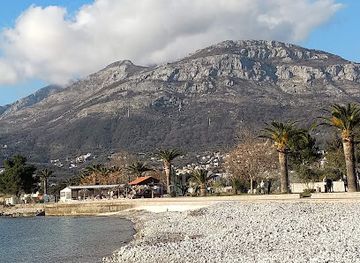
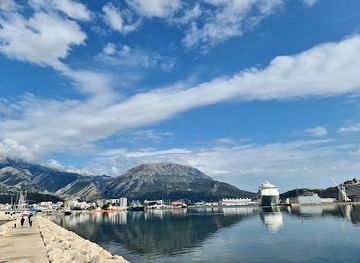
Bar occupies a broad stretch of Montenegro’s southern Adriatic coast, where the sea meets the lower slopes of Mount Rumija and the eastern shore of the Bar plain. The modern town is shaped by its port, railway terminus, palm-lined streets and beaches, while citrus orchards and ancient olive groves extend behind the urban centre. Its position gives Bar a more spacious, working-coastal character than some of Montenegro’s tightly enclosed resorts.Read more about Bar
Old Bar and Living Heritage
Beaches, Markets and Everyday Life
When is the best time to visit Bar?
Best: May–June, September · 24–30°C| Month | High (°C) | Rainfall (mm) |
|---|---|---|
| January | 12 | 130 |
| February | 13 | 113 |
| March | 15 | 106 |
| April | 19 | 98 |
| May (best) | 24 | 84 |
| June (best) | 30 | 65 |
| July | 33 | 51 |
| August | 33 | 60 |
| September (best) | 29 | 77 |
| October | 23 | 111 |
| November | 18 | 130 |
| December | 14 | 144 |
Getting to and around Bar
How to get there
Transportation
Best attractions in Bar
Bar’s sightseeing begins at Stari Bar, a dramatic walled settlement beneath Mount Rumija where stone lanes lead past churches, mosques, defensive towers, the old aqueduct and the restored bazaar. The modern town offers a contrasting visit to King Nikola’s Palace, whose grounds and waterfront setting recall Bar’s late nineteenth-century royal history. Near Stari Bar, the ancient olive tree at Mirovica connects the landscape with centuries of olive cultivation and local tradition. Along the coast, the marina, promenade and beaches around Šušanj provide space for swimming and evening walks, while the port gives the town a distinctly working maritime character. The Bar plain, planted with olives, citrus and vines, creates a gentler landscape behind the urban centre, and excursions towards Rumija or Lake Skadar open views beyond the immediate coast. Together these places make Bar a destination of ruins, sea air, agriculture and mountain scenery rather than a resort focused solely on the beach.
-
Fortress
Fortress Old Bar
Explore the breathtaking Fortress Old Bar, a historical site in Montenegro with stunning views and rich cultural heritage.
9 min drive · 3.0 km from city centre
-
Castle
Rozafa Castle
Discover the rich history and breathtaking views at Rozafa Castle, a must-see tourist attraction in Shkodër, Albania.
53 min drive · 33 km from city centre
-
Beach
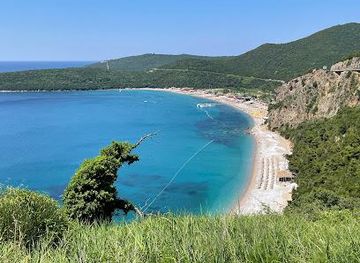
Jaz Beach
Experience the enchanting beauty of Jaz Beach in Montenegro, where golden sands meet crystal-clear waters for an unforgettable beach getaway.
52 min drive · 32 km from city centre
-
Beach
Ploce beach
Discover the serene beauty of Ploce Beach in Krimovica, Montenegro, where crystal-clear waters and stunning cliffs await your visit.
53 min drive · 33 km from city centre


Best landmarks in Bar
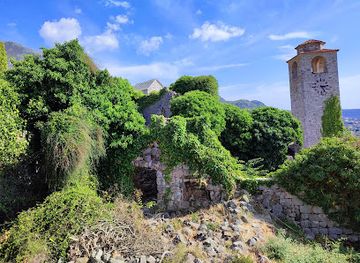
The most important landmark in Bar is the fortified complex of Stari Bar, whose walls, gates and towers occupy a rocky foothill below Rumija. Within it, the remains of churches and the Church of Saint John, Ottoman-era mosques and the Starodoganjska bazaar express the town’s long religious and political layering. The old aqueduct, built to carry water towards the settlement, is one of the site’s most recognisable engineering features. In the modern town, King Nikola’s Palace is a significant nineteenth-century civic and royal building beside the coast, connected with the period when Montenegro developed its political presence on the Adriatic. The ancient olive tree at Mirovica is a natural and cultural landmark rather than a monument in stone, representing the agricultural traditions that predate the modern port. Together these places explain Bar’s evolution from fortified settlement to maritime town.
-
Fortress
Fortress Old Bar
Discover the historical richness and breathtaking views at Fortress Old Bar, a must-visit landmark in Stari Bar, Montenegro, showcasing the beauty of the Adriatic coast.
9 min drive · 3.0 km from city centre
-
Fortress
Budva Citadel
Explore the breathtaking Budva Citadel, a historical fortress offering stunning views and a glimpse into Montenegro's rich heritage.
50 min drive · 30 km from city centre
-
Local history museum
King Nikola's Palace
Explore King Nikola's Palace in Bar, Montenegro, a local history museum showcasing royal heritage, stunning architecture, and beautiful gardens.
12 min walk · 1.0 km from city centre
-
Marina
Bar Marina
Experience the beauty and vibrant atmosphere of Bar Marina—a must-visit destination along Montenegro's stunning Adriatic coast.
13 min walk · 1.0 km from city centre

Explore Bar on the map
Plan your Bar trip on one map. See where the top attractions, landmarks, restaurants, bars and hotels are, find what's near where you're staying, and book hotels and experiences in a few clicks.
Best hotels in Bar
Best restaurants in Bar
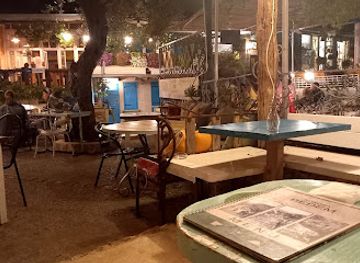
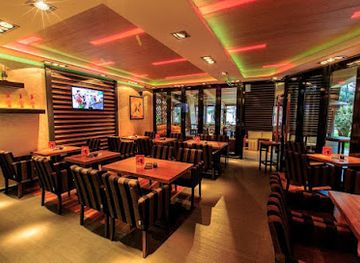
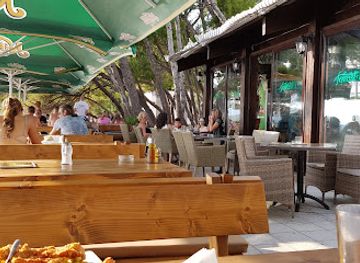
Bar’s dining identity rests on the meeting of Adriatic seafood, Balkan home cooking and produce from the fertile coastal plain. Grilled fish, calamari, mussels and prawns appear widely, while buzara-style shellfish is commonly associated with the coast’s simple preparations of seafood, wine, garlic and herbs. Olive oil from the surrounding groves, local olives, citrus fruit and seasonal vegetables are important regional ingredients. Traditional restaurants and family-run konobas serve grilled meats, stews, fresh salads and bread alongside seafood, while cafés near the waterfront suit coffee, pastries and relaxed evening meals. The area around Stari Bar adds a historic setting and dishes influenced by Ottoman and inland Montenegrin cooking, including stuffed vegetables and slow-cooked meat preparations. Fish markets and food shops can be useful for seeing the relationship between Bar’s port and its everyday table, although opening patterns and seasonal availability vary.
-
Restaurant
Konoba Bedem
Experience authentic Montenegrin cuisine at Konoba Bedem in Stari Bar—where tradition meets breathtaking views.
9 min drive · 2.9 km from city centre
-
Restaurant
Caffe Pizzeria Perbacco
Experience authentic Italian flavors at Caffe Pizzeria Perbacco in Bar, Montenegro—your go-to spot for delicious pizza and coffee.
7 min walk · 0.6 km from city centre
-
Restaurant
Forest
Experience authentic Montenegrin cuisine at Forest – where local flavors meet a cozy ambiance in Bar.
7 min drive · 2.3 km from city centre
-
Mediterranean
Restoran Aria
Experience authentic Mediterranean flavors at Restoran Aria in Bar, Montenegro – a must-visit dining destination.
18 min walk · 1.4 km from city centre
Best bars in Bar
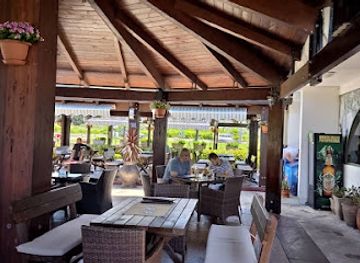
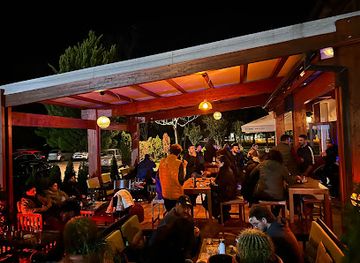
Bar’s evenings are generally sociable rather than dominated by large-scale clubbing. The waterfront, marina and central streets fill with cafés, bars and restaurants where residents meet over coffee, beer, wine or rakija, with outdoor seating particularly common during the warmer months. The promenade around the modern town and the coastal area near Šušanj provide the main settings for an unhurried night out, while occasional live music and seasonal events add energy without transforming the town into a major party resort. Stari Bar is quieter after dark, with atmospheric stone surroundings and a smaller selection of places for an evening meal or drink. Visitors should expect nightlife to be more concentrated and seasonal than in Budva, and should check current local listings for concerts, cultural performances and summer entertainment rather than relying on fixed year-round schedules.
-
Cafe
Forest
Discover the tranquil ambiance and delectable cuisine at Forest Cafe in Montenegro, a perfect retreat for food lovers and nature enthusiasts.
7 min drive · 2.3 km from city centre
-
Bar
Riva Beach Bar
Experience the vibrant atmosphere and stunning views at Riva Beach Bar, a perfect retreat for tourists in Bar, Montenegro.
12 min walk · 1.0 km from city centre
-
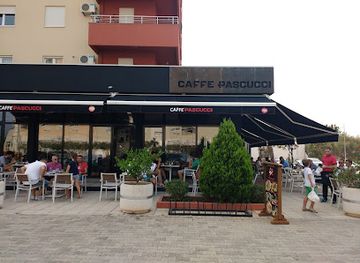
Restaurant
Pascucci
Experience the rich culinary heritage of Montenegro at Pascucci, where local flavors meet modern dining in the heart of Bar.
12 min walk · 0.9 km from city centre
-
Cafe
YOUR TIME
Discover the perfect blend of fast food and cocktails at YOUR TIME Cafe in Bar, Montenegro – a relaxing haven for tourists and locals alike.
7 min walk · 0.5 km from city centre
Best nightclubs in Bar
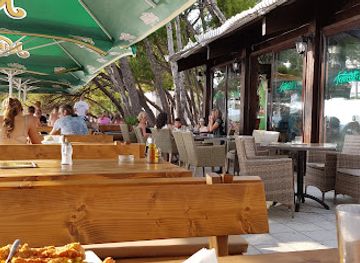
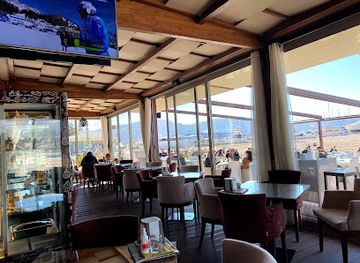
Bar’s evenings are generally sociable rather than dominated by large-scale clubbing. The waterfront, marina and central streets fill with cafés, bars and restaurants where residents meet over coffee, beer, wine or rakija, with outdoor seating particularly common during the warmer months. The promenade around the modern town and the coastal area near Šušanj provide the main settings for an unhurried night out, while occasional live music and seasonal events add energy without transforming the town into a major party resort. Stari Bar is quieter after dark, with atmospheric stone surroundings and a smaller selection of places for an evening meal or drink. Visitors should expect nightlife to be more concentrated and seasonal than in Budva, and should check current local listings for concerts, cultural performances and summer entertainment rather than relying on fixed year-round schedules.
-
Bar
Riva Beach Bar
Experience the ultimate beachside retreat at Riva Beach Bar, where stunning views and refreshing drinks await you in the heart of Montenegro.
12 min walk · 1.0 km from city centre
-
Night club
Omnia
Discover the electrifying nightlife of Budva at Omnia, where music meets excitement in a stunning coastal setting.
50 min drive · 30 km from city centre
-
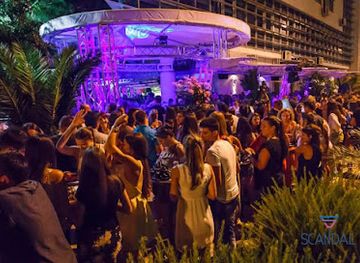
Cocktail bar
Scandal
Scandal Cocktail Bar in Bar, Montenegro: A must-visit nightlife destination for exquisite cocktails and a vibrant atmosphere.
5 min walk · 0.4 km from city centre
-
Pub
Pub Галерија
Discover the lively atmosphere of Pub Галерија in Bar, Montenegro, where exceptional drinks and vibrant entertainment await every visitor.
9 min walk · 0.7 km from city centre
Best shops in Bar
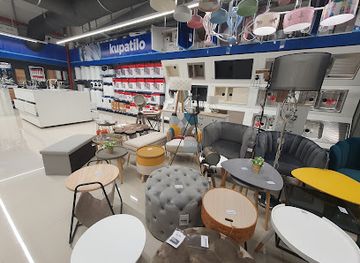
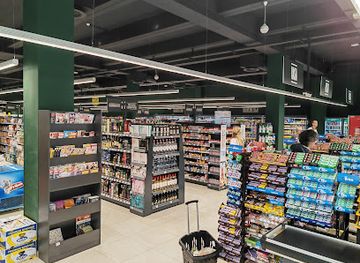
Shopping in Bar is closely tied to the produce and crafts of southern Montenegro rather than to a large luxury retail scene. The modern town has supermarkets, everyday shops, small boutiques and market stalls, while the area around Stari Bar offers local olive oil, olives, honey, dried fruit, herbs, wine and other regional products. Visitors should look for clearly labelled provenance when buying food, particularly in informal settings. Traditional stone buildings and craft shops near the old settlement may offer ceramics, woven goods, wooden objects and souvenirs inspired by Montenegro’s coastal and mountain heritage, though the selection is seasonal. The central market is useful for seeing the everyday trade in fruit, vegetables and household produce, and the waterfront has a more visitor-oriented retail atmosphere. Bar’s most characteristic purchases are edible: olive products and citrus-based goods that reflect the orchards and groves surrounding the town.
-
Hypermarket
VOLI
Explore VOLI Hypermarket in Bar, Montenegro - a shopper's paradise offering local delights and everyday essentials.
1 min walk · 0.1 km from city centre
-
Home improvement store
Okov
Explore Okov, Bar's premier home improvement store, where quality meets creativity for all your DIY needs.
7 min walk · 0.6 km from city centre
-
Department store
2. Decembar
Experience the vibrant shopping scene at 2. Decembar, Bar's premier department store offering a wide range of products for every traveler.
2 min walk · 0.1 km from city centre
-
Grocery store
Aroma 201
Explore the vibrant flavors of Montenegro at Aroma 201, Bar's premier grocery store offering local and international delicacies.
12 min walk · 1.0 km from city centre


Get your free copy of our complete guide to Bar, delivered straight to you.
Everything on this page, from attractions and restaurants to essentials and local phrases, in one PDF you can read offline, print or share.
Already have an account? Sign in
Your Bar guide is ready.
We'll send it to · Not you? Sign out

Getting your guide ready…
We are putting together a fresh copy of the Bar guide. This can take up to a minute.
This can take a few moments. If your browser asks, choose Allow so the download can start. You'll find the guide in your Downloads folder.
Nothing happened? Download it again
Sorry, the guide is taking longer than usual. Please try again in a minute, or get it by email instead.
Bar essentials
Currency and Payment
Safety
Emergency Situations
Do's and Don'ts
Local Tips
From Eve
Local phrases worth knowing
You don't need to get them perfect. A few words go a long way, and locals appreciate the effort.
Basics
| English | Local | Say it |
|---|---|---|
| Hello | Zdravo | [Zdrah-voh] |
| Goodbye | Doviđenja | [Doh-vee-jen-yah] |
| Yes | Da | [Dah] |
| No | Ne | [Neh] |
| Please/You're welcome | Molim | [Moh-leem] |
| Thank you | Hvala | [Hvah-lah] |
| Excuse me/Sorry | Izvinite | [Eez-vee-nee-teh] |
| How are you? | Kako si? | [Kah-koh see?] |
| Fine. And you? | Dobro. A ti? | [Doh-bro. Ah tee?] |
| Do you speak English? | Govorite li engleski? | [Goh-voh-ree-teh lee ehn-gleh-skee?] |
| I don't understand | Ne razumem | [Neh rah-zoo-mehm] |
Eating & Drinking
| English | Local | Say it |
|---|---|---|
| I'd like to see the menu, please | Molio bih meni, molim | [Moh-lee-oh bee meh-nee, moh-leem] |
| I don't eat meat | Ne jedem meso | [Neh yeh-dehm meh-so] |
| Cheers! | Živeli! | [Zhee-veh-lee] |
| I would like to pay, please | Želeo bih da platim, molim | [Zheh-leh-oh bee dah plah-teem, moh-leem] |
Emergencies
| English | Local | Say it |
|---|---|---|
| Help! | Pomoć! | [Poh-mohtch] |
| Go away! | Idi dalje! | [Ee-dee dahl-yeh] |
| Call the Police! | Pozovite policiju! | [Poh-zoh-vee-teh poh-lee-tsee-yoo] |
| Call a doctor! | Pozovite lekara! | [Poh-zoh-vee-teh leh-kah-rah] |
| I'm lost | Izgubio sam se | [Eez-goo-byoh sahm seh] |
| I'm ill | Bolestan sam | [Boh-lehs-tahn sahm] |
Shopping
| English | Local | Say it |
|---|---|---|
| I'd like to buy... | Želeo bih da kupim... | [Zheh-leh-oh bee dah koo-peem] |
| I'm just looking | Samo gledam | [Sah-moh gleh-dahm] |
| How much is it? | Koliko košta? | [Koh-lee-koh koh-stah?] |
| That's too expensive | To je previše skupo | [Toh yeh preh-vee-sheh skoo-poh] |
| Can you lower the price? | Možete li spustiti cenu? | [Moh-zheh-teh lee spoo-stee-tee tseh-noo?] |
Time & Numbers
| English | Local | Say it |
|---|---|---|
| What time is it? | Koliko je sati? | [Koh-lee-koh yeh sah-tee?] |
| It's one o'clock | Jedan je sat | [Yeh-dahn yeh saht] |
| Half past (10) | Pola (deset) | [Poh-lah (deh-set)] |
| Morning | Jutro | [Yoo-troh] |
| Afternoon | Popodne | [Poh-pohd-neh] |
| Evening | Veče | [Veh-cheh] |
| Yesterday | Juče | [Yoo-cheh] |
| Today | Danas | [Dah-nahs] |
| Tomorrow | Sutra | [Soo-trah] |
| 1 | Jedan | [Yeh-dahn] |
| 2 | Dva | [Dvah] |
| 3 | Tri | [Tree] |
| 4 | Četiri | [Cheh-tee-ree] |
| 5 | Pet | [Peh-t] |
| 6 | Šest | [Shehst] |
| 7 | Sedam | [Seh-dahm] |
| 8 | Osam | [Oh-sahm] |
| 9 | Devet | [Deh-vet] |
| 10 | Deset | [Deh-set] |
Transport & Directions
| English | Local | Say it |
|---|---|---|
| Where's a/the...? | Gde je... | [Gdeh yeh] |
| What's the address? | Koja je adresa? | [Koh-yah yeh ah-dre-sah] |
| Can you show me (on the map)? | Možete li mi pokazati (na mapi)? | [Moh-zheh-teh lee mee poh-kah-zah-tee (nah mah-pee)] |
| When's the next (bus)? | Kada je sledeći (autobus)? | [Kah-dah yeh sleh-deh-chee (ow-toh-boos)] |
| A ticket (to ....) | Jedna karta (do ...) | [Yehd-nah kar-tah (doh)] |
History of Bar
Ancient Antibaris and Early Coastal Exchange
Bar’s ancient predecessor, known as Antibaris, developed on the Adriatic coast opposite the Italian city of Bari and formed part of a wider network of maritime settlements. The surrounding region was inhabited by Illyrian communities before coming under Roman influence, and the coast later experienced the political and cultural changes associated with the eastern Roman, or Byzantine, world. Although the surviving fabric of Stari Bar is largely medieval and later, the ancient name preserves the town’s long connection with seaborne exchange across the Adriatic. Its position between the coast, the fertile plain and the mountain routes towards the interior helped establish the strategic importance that would define Bar for centuries.
Medieval Bar and the Archiepiscopal See
During the medieval period, Bar became an important fortified settlement and ecclesiastical centre in the territories of Duklja and later Zeta. The town’s archbishopric gave it influence beyond its immediate size, while its walls protected a dense urban community of merchants, craftsmen and religious institutions. Political authority shifted among regional rulers and larger powers, but Bar remained tied to the Adriatic trade routes and to the neighbouring Serbian and coastal territories. The remains of churches, civic buildings and defensive structures at Stari Bar reflect this layered development. Medieval Bar was not simply a military stronghold: it was also a town where Latin, Slavic and eastern Christian traditions met.
Venetian Rule and Ottoman Conquest
Venice took control of Bar in 1443, bringing the town into the orbit of the Venetian maritime empire and reinforcing its role within the commerce and rivalries of the eastern Adriatic. Ottoman forces captured the settlement in 1571, after which Bar became part of the Ottoman administrative and military system for more than three centuries. Mosques, a bazaar and other Islamic architectural elements were added to the already layered townscape, while the fortified hill settlement retained its strategic role. The long Ottoman period shaped the historic character still visible at Stari Bar, where Christian churches, Islamic monuments and defensive architecture occupy the same compact landscape.
Montenegrin Incorporation and the New Port
Bar became part of the Principality of Montenegro after the Congress of Berlin in 1878, a major transformation that shifted the town’s political position and strengthened Montenegro’s access to the Adriatic. A new settlement developed nearer the coast, while the old fortified town gradually lost its central role. The construction of the modern port and the railway connection towards Virpazar and the interior in the early twentieth century helped turn Bar into a transport and commercial centre. King Nikola’s Palace, now associated with the modern town, belongs to this period of state-building and reflects Montenegro’s attempt to establish civic institutions and an outward-looking coastal economy.
War, Yugoslavia and Industrial Development
Bar experienced the political upheavals that affected Montenegro during the twentieth century, including the transition from the Montenegrin kingdom to the Yugoslav state and the disruptions of the Second World War. In socialist Yugoslavia, the port expanded its importance and the town grew as a centre for maritime trade, transport and industry. New residential areas developed away from the old settlement, changing Bar from a historic hill town into a modern coastal municipality. Railway and port infrastructure connected the coast more closely with the interior and the wider region, while agriculture, particularly olives and citrus, remained an enduring part of the local economy.
The 1979 Earthquake and Bar Today
The devastating 1979 Montenegro earthquake damaged historic buildings across the coast and affected both Stari Bar and the modern town. Conservation and reconstruction have since sought to stabilise the old settlement and present its churches, fortifications, Ottoman monuments and aqueduct as a coherent historic landscape. Contemporary Bar combines the functions of a port, railway terminus, agricultural centre and seaside town. Its identity is therefore shaped by several locations rather than one historic core: the ancient and Ottoman layers of Stari Bar, the nineteenth-century palace and modern streets near the coast, and the transport infrastructure that continues to connect southern Montenegro with the Adriatic and inland Balkans.
Bar in Photos
Browse through our photo collection highlighting the charm and character of the destination.
Cities near Bar
The closest cities to Bar, if you have time for more than one stop.
-

-

-
-

-


Swipe for more cities
Explore more
Explore more of Montenegro
Discover Montenegro: A blend of stunning landscapes, rich history, and vibrant culture on the breathtaking Adriatic coast.
Explore Montenegro