

Malabata (Tangier) Travel Guide - Free
Explore Malabata in Tangier with Evendo's free guide. Find the best shops, historic streets, restaurants, and gems on web or mobile.


Malabata in Tangier pairs Mediterranean beaches, Cape Malabata views, waterfront hotels and easy access to the city's eastern Corniche and coast.
Between City and Sea
Malabata occupies Tangier’s eastern waterfront, where the city loosens into a long coastal sweep of sandy beaches, apartment buildings, hotels and open views across the Strait of Gibraltar. Its best-known geographic feature is Cape Malabata, a rocky promontory projecting into the sea and marked by a distinctive lighthouse. The district is less defined by an old medina-like street pattern than by the broad Corniche, beachfront promenades and roads following the shoreline towards the cape.Read more about Malabata
Beachfront Tangier
A Developing Waterfront
Best attractions in Malabata
Malabata’s principal attractions are coastal rather than museum-based. The long beach and eastern Corniche offer space for swimming, strolling and watching Tangier’s changing light over the Mediterranean-facing shore, while the route towards Cape Malabata becomes more open and scenic. At the cape, the lighthouse provides a recognisable landmark and a useful focal point for views across the strait and along the coastline, although access around maritime infrastructure should be treated with care. Seafront cafés and public areas near the hotel district reveal the neighbourhood’s everyday recreational side, where Tangier residents gather beside the water. The landscape itself is central to the experience: waves, rocky edges, broad horizons and the transition from developed waterfront to less built-up coast distinguish Malabata from the enclosed lanes of the medina and make it a natural starting point for exploring Tangier’s eastern shoreline.
-
Tourist attraction
Villa Harris Park
Experience the tranquility of Villa Harris Park in Tangier—your peaceful retreat for leisurely strolls and breathtaking sunset views.
6 min walk · 0.5 km from neighbourhood centre

Best landmarks in Malabata
Cape Malabata is the neighbourhood’s defining geographical landmark, projecting into the sea at Tangier’s eastern edge and giving the district its name. Its lighthouse is the most recognisable structure in the area, serving as a visual marker for the coast and a reminder of the maritime importance of the strait. The Corniche is a more modern landmark in the broad urban sense: its seafront road, promenade and beachfront development show how Tangier has extended beyond the historic medina towards a recreational waterfront. Malabata’s built environment is otherwise characterised by hotels, apartment buildings and villas rather than a dense collection of protected monuments. The contrast between the open cape, the engineered shoreline and the city-facing resort strip is central to the neighbourhood’s identity, distinguishing it from Tangier’s fortified historic quarters and port architecture.
-
Modern art museum
Villa Harris Museum
Explore modern art at Villa Harris Museum in Tangier, where creativity and Moroccan heritage intertwine in a stunning coastal setting.
5 min walk · 0.4 km from neighbourhood centre
-
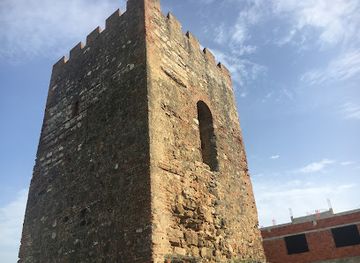
Historical landmark
برج الغاندوري
Experience the rich history and stunning views at برج الغاندوري, Tangier's iconic historical landmark overlooking the coastline.
5 min walk · 0.4 km from neighbourhood centre


Explore Malabata on the map
A handpicked selection of must-see spots in Malabata, mapped for you.
Best hotels in Malabata
Best restaurants in Malabata
Malabata’s dining scene follows the waterfront, with hotel restaurants, cafés, casual eateries and establishments serving Moroccan and Mediterranean-influenced food around the Corniche and beach roads. Fish and seafood are natural choices on a coastal district, while menus commonly sit alongside familiar Moroccan dishes such as salads, grilled meats, tagines and couscous. Seafront cafés are as important as formal restaurants, offering places for mint tea, coffee and light meals while residents watch the promenade and beach. The area’s hospitality-oriented character means that dining is often connected to hotels and holiday accommodation rather than concentrated in a historic market quarter. Visitors seeking the densest range of traditional eateries and market food can travel into the medina and central Tangier, which are outside Malabata, while the neighbourhood itself is best suited to relaxed coastal dining and views.
-
Restaurant
Cappuccino
Experience exquisite dining at Cappuccino in Tangier—where stunning views meet exceptional cuisine in a vibrant coastal setting.
2 min walk · 0.2 km from neighbourhood centre
-
Restaurant
La Vue
Experience exquisite dining at La Vue in Tangier with breathtaking sea views and delectable Moroccan cuisine.
9 min walk · 0.7 km from neighbourhood centre
-
Restaurant
O'Caprices
Discover the exquisite flavors of Morocco at O'Caprices in Tangier - where tradition meets modernity in every dish.
2 min walk · 0.2 km from neighbourhood centre
-
Restaurant
Restaurant Casa Harris
Experience authentic Moroccan cuisine at Restaurant Casa Harris in Tangier – where every dish tells a story.
8 min walk · 0.7 km from neighbourhood centre


Best bars in Malabata
Evenings in Malabata centre on the Corniche, hotel lounges, cafés and restaurants rather than on a tightly packed nightlife quarter. The beachfront can remain sociable after sunset, with people meeting for tea, coffee, conversation and dinner, while hotel venues may provide a more formal setting for drinks or entertainment. The atmosphere varies considerably along the district: built-up sections near accommodation are more active, whereas the road towards Cape Malabata becomes quieter and less appropriate for aimless late-night wandering. Tangier’s larger selection of music venues, bars and late-night establishments is concentrated elsewhere in the city, particularly around central districts, so Malabata suits visitors who prefer a seafront evening and easy access to hospitality venues rather than a club-centred night. Check current access policies at hotel bars, as some are primarily intended for guests.
-
Lounge
El Concierto
Experience the vibrant nightlife and exquisite cuisine at El Concierto, Tangier's premier lounge and restaurant, offering a unique blend of flavors and entertainment.
7 min drive · 2.3 km from neighbourhood centre
-
Grill
Le QG
Experience the best of Moroccan and international grilling at Le QG, a culinary gem in Tangier's vibrant Malabata district.
5 min drive · 1.8 km from neighbourhood centre
-
Piano bar
Le Nyx Piano Bar
Discover the elegance of Le Nyx Piano Bar in Tangier, where live music, exquisite cocktails, and a sophisticated ambiance await every evening.
5 min walk · 0.4 km from neighbourhood centre
-
Bar
Frensh Bar chicha
Discover the vibrant nightlife at Frensh Bar Chicha in Tangier, where relaxation meets local culture and traditional flavors.
7 min drive · 2.4 km from neighbourhood centre


Best nightclubs in Malabata
Evenings in Malabata centre on the Corniche, hotel lounges, cafés and restaurants rather than on a tightly packed nightlife quarter. The beachfront can remain sociable after sunset, with people meeting for tea, coffee, conversation and dinner, while hotel venues may provide a more formal setting for drinks or entertainment. The atmosphere varies considerably along the district: built-up sections near accommodation are more active, whereas the road towards Cape Malabata becomes quieter and less appropriate for aimless late-night wandering. Tangier’s larger selection of music venues, bars and late-night establishments is concentrated elsewhere in the city, particularly around central districts, so Malabata suits visitors who prefer a seafront evening and easy access to hospitality venues rather than a club-centred night. Check current access policies at hotel bars, as some are primarily intended for guests.
-
Cafe
AL AMAKIN TANGER
Discover the vibrant blend of culinary excellence and captivating performances at AL AMAKIN TANGER, the must-visit café and cabaret in Tangier.
7 min drive · 2.3 km from neighbourhood centre
-
Lounge
El Concierto
Experience the vibrant nightlife and delicious cuisine at El Concierto, Tangier's premier lounge and restaurant, where music and culture come alive.
7 min drive · 2.3 km from neighbourhood centre
-
Night club
The Luna Club Tanger
Discover the vibrant nightlife at The Luna Club Tanger, where music, dancing, and unforgettable experiences come together in a stunning coastal setting.
5 min walk · 0.4 km from neighbourhood centre
-
Night club
White Pool & Club
Experience the pulse of Tangier's nightlife at White Pool & Club, a vibrant destination for unforgettable parties and a chic atmosphere.
5 min walk · 0.4 km from neighbourhood centre



Best shops in Malabata
Shopping in Malabata is practical and visitor-oriented rather than centred on a traditional souk. Small shops, convenience outlets, hotel retail areas and businesses serving the beach and accommodation sector line parts of the waterfront, while restaurants and cafés provide much of the local commercial activity. Visitors looking for Moroccan crafts, leather goods, woven textiles, spices, jewellery or antiques will find a broader and more atmospheric selection in the medina and central market areas of Tangier, which are outside the neighbourhood and reached by taxi. Malabata is more useful for essentials, beach-related purchases and informal browsing near the Corniche than for a dedicated shopping itinerary. The district’s changing mix of residential development, hotels and open coastal land also means that retail is unevenly distributed, with fewer shops as the road approaches Cape Malabata.
-
Shopping mall
Malabata Mall
Experience the modern shopping vibe at Malabata Mall in Tangier, where local charm meets international brands in a vibrant atmosphere.
5 min drive · 1.6 km from neighbourhood centre
-
Clothing store
Sweatsies
Explore unique fashion at Sweatsies, a top clothing store in Tangier, where quality meets Moroccan culture in every stylish piece.
6 min drive · 2.2 km from neighbourhood centre
-
Store
طنجو
Experience the vibrant local culture of Tangier through its unique store, offering handcrafted treasures and authentic Moroccan products.
7 min drive · 2.3 km from neighbourhood centre
-
Gift shop
Lojaine decore
Explore Lojaine Decore in Tangier for unique handcrafted gifts and souvenirs that embody the essence of Moroccan culture and artistry.
5 min drive · 1.6 km from neighbourhood centre


Malabata essentials
Getting There
Getting Around
Safety
Emergency Situations
Do's and Don'ts
Local Tips

From Eve
Local phrases worth knowing
You don't need to get them perfect. A few words go a long way, and locals appreciate the effort.
Basics
| English | Local | Say it |
|---|---|---|
| Hello | سالام | [salam] |
| Goodbye | وداعا | [wada'an] |
| Yes | نعم | [naam] |
| No | لا | [laa] |
| Please/You're welcome | من فضلك | [min fadlik] |
| Thank you | شكرا | [shukran] |
| Excuse me/Sorry | عذرا | [aathar] |
| How are you? | كيف حالك؟ | [kayfa haluk?] |
| Fine. And you? | بخير. وأنت؟ | [bikhayr. waant?] |
| Do you speak English? | هل تتحدث الإنجليزية؟ | [hal tatahadath al'iinjleeziya?] |
| I don't understand | لا أفهم | [laa afham] |
Eating & Drinking
| English | Local | Say it |
|---|---|---|
| I'd like to see the menu, please | أريد أن أرى القائمة، من فضلك | [uriidu 'an 'ara alqa'imah, min fadlik] |
| I don't eat meat | أنا لا آكل اللحم | [ana laa aakil allahm] |
| Cheers! | في صحتك! | [fi sahhtik!] |
| I would like to pay, please | أريد أن أدفع، من فضلك | [uriidu 'an 'adfa', min fadlik] |
Emergencies
| English | Local | Say it |
|---|---|---|
| Help! | النجدة! | [alnajdah!] |
| Go away! | انصرف! | [ansarif!] |
| Call the Police! | اتصل بالشرطة! | [iatisil bialshurta!] |
| Call a doctor! | اتصل بطبيب! | [iatisil bitabib!] |
| I'm lost | لقد ضللت | [laqad dalalt] |
| I'm ill | أنا مريض | [ana mareed] |
Shopping
| English | Local | Say it |
|---|---|---|
| I'd like to buy... | أريد أن أشتري... | [uriidu 'an 'ashtari...] |
| I'm just looking | أنا فقط أتطلع | [ana faqat attala'] |
| How much is it? | كم هذا؟ | [kam hadha?] |
| That's too expensive | هذا غالي جدا | [hadha ghaali jiddan] |
| Can you lower the price? | هل يمكنك خفض السعر؟ | [hal yumkinuk khafdh alsar?] |
Time & Numbers
| English | Local | Say it |
|---|---|---|
| What time is it? | كم الساعة؟ | [kam alssaa'ah?] |
| It's one o'clock | الساعة الواحدة | [alssaa'ah alwaahidah] |
| Half past (10) | العاشرة والنصف | [al'asharah walnusf] |
| Morning | الصباح | [alsaabah] |
| Afternoon | الظهر | [aldhuhur] |
| Evening | المساء | [almasaa'] |
| Yesterday | أمس | [ams] |
| Today | اليوم | [alyawm] |
| Tomorrow | غدا | [ghadan] |
| 1 | واحد | [waahid] |
| 2 | اثنان | [ithnan] |
| 3 | ثلاثة | [thalatha] |
| 4 | أربعة | [arba'ah] |
| 5 | خمسة | [khamsah] |
| 6 | ستة | [sittah] |
| 7 | سبعة | [sab'ah] |
| 8 | ثمانية | [thamaaniyah] |
| 9 | تسعة | [tis'ah] |
| 10 | عشرة | [asharah] |
Transport & Directions
| English | Local | Say it |
|---|---|---|
| Where's a/the...? | أين... | [ayn...] |
| What's the address? | ما هو العنوان؟ | [maa hu al'iinaan?] |
| Can you show me (on the map)? | هل يمكنك أن تُريني؟ | [hal yumkinuk 'an turini?] |
| When's the next (bus)? | متى الحافلة التالية؟ | [mata alhaafilah alttaliyah?] |
| A ticket (to ....) | تذكرة إلى... | [tadhkirah 'iilaa...] |
History of Malabata
A Coastal Cape Beyond the City
Malabata takes its name from the eastern coastal cape that projects from Tangier towards the strait. For much of Tangier’s history, this shoreline lay beyond the compact urban core concentrated around the medina, kasbah and port. The cape’s importance was geographical and navigational: it formed a visible point on the coast and helped define the approach to Tangier from the east. The surrounding land was comparatively open, with the sea, rocky shore and rural hinterland giving the area a different character from the crowded historic city.
Tangier’s Expansion Eastward
As Tangier expanded beyond its historic quarters during the twentieth century, the eastern coast became increasingly connected to the urban road network. Residential construction, seaside recreation and improved roads gradually changed Malabata from an outlying coastal landscape into a recognised part of the city’s waterfront. The Corniche encouraged movement along the shore, while the beaches became accessible leisure spaces for local residents. This process reflected Tangier’s broader growth as a port city and international-facing centre, without erasing the strong contrast between its dense old quarters and the more open eastern seafront.
The Modern Resort Waterfront
In recent decades, Malabata has developed through hotels, holiday accommodation, restaurants and residential projects aimed at Tangier’s expanding visitor economy. The district’s appeal rests on its beach access, broad views and position between the city and the eastern coast, rather than on a concentration of historic monuments. Cape Malabata and its lighthouse remain the area’s most recognisable visual reference points, while the Corniche has become a setting for promenades, cafés and informal recreation. Development has produced a mixed waterfront of established neighbourhood life, seasonal visitors and ongoing urban change.
Malabata in Photos
Browse through our photo collection highlighting the charm and character of the destination.
Neighbourhoods near Malabata
The closest neighbourhoods to Malabata, if you have time for more than one stop.
-

-

-

-


Swipe for more neighbourhoods
Explore more

Explore more of Tangier
Tangier, Morocco blends medina streets, Atlantic views, Phoenician and Moroccan history, cafés, markets and gateway excursions between Africa and Spain.
Explore Tangier